People often mix up consignor and consignee because both show up in shipping, sales, and paperwork at the same time.
That leads many people to assume the consignor is always the seller, or that the consignee owns the goods once they arrive. Those ideas feel logical, but they are wrong.
Today, I’ll explain how authority, ownership, risk, and responsibility actually work together. By the end, the difference between a consignor and a consignee should feel easy to apply in real situations.
What Does a Consignor Mean in a Consignment or Shipping Context?
A consignor is the party that initiates the movement or placement of goods. They decide that goods will be shipped, stored, or made available through another party.
This role exists before anything moves and before any sale occurs.
The defining feature of a consignor is ownership. The consignor retains legal ownership of the goods until a sale or agreed transfer takes place. Even when the goods are physically elsewhere, they still belong to the consignor. That’s why final authority remains with them.
The role appears in different contexts:
- Sales: Goods are supplied to another party to sell on the consignor’s behalf
- Shipping: The consignor is listed as the shipper because they initiated the shipment
The surface details differ, but the logic is the same. The consignor is the source and the owner.
Because ownership stays with the consignor, control stays with them. They can recall unsold goods, end the arrangement, or set limits on handling and sale terms. They aren’t involved in daily operations, but they remain the principal party throughout.
A common misunderstanding is treating consignor as another word for seller. It isn’t. The role describes ownership and authority, not who interacts with customers.
What Does a Consignee Mean and What Authority Do They Actually Have?
A consignee is the party thatreceives goods from the consignor. They take possession of the goods, but possession is not ownership. That distinction causes most confusion.
Possession means the consignee physically holds or manages the goods. Ownership means the legal right to claim their value and make final decisions. In a consignment arrangement, ownership stays with the consignor.
What a consignee may do:
- Store, display, transport, or deliver the goods
- Sell the goods if authorized
- Collect payment and pass proceeds to the consignor
What a consignee may not do:
- Treat the goods as their own inventory
- Change ownership terms
- Keep or redirect unsold goods outside the agreement
Responsibility follows possession. The consignee handles receiving shipments, noting damage, storing goods properly, and managing delivery or pickup.
Receiving goods creates responsibility, not ownership.
Consignor vs. Consignee: How Ownership and Risk Differ
Ownership vs. Risk in Consignment
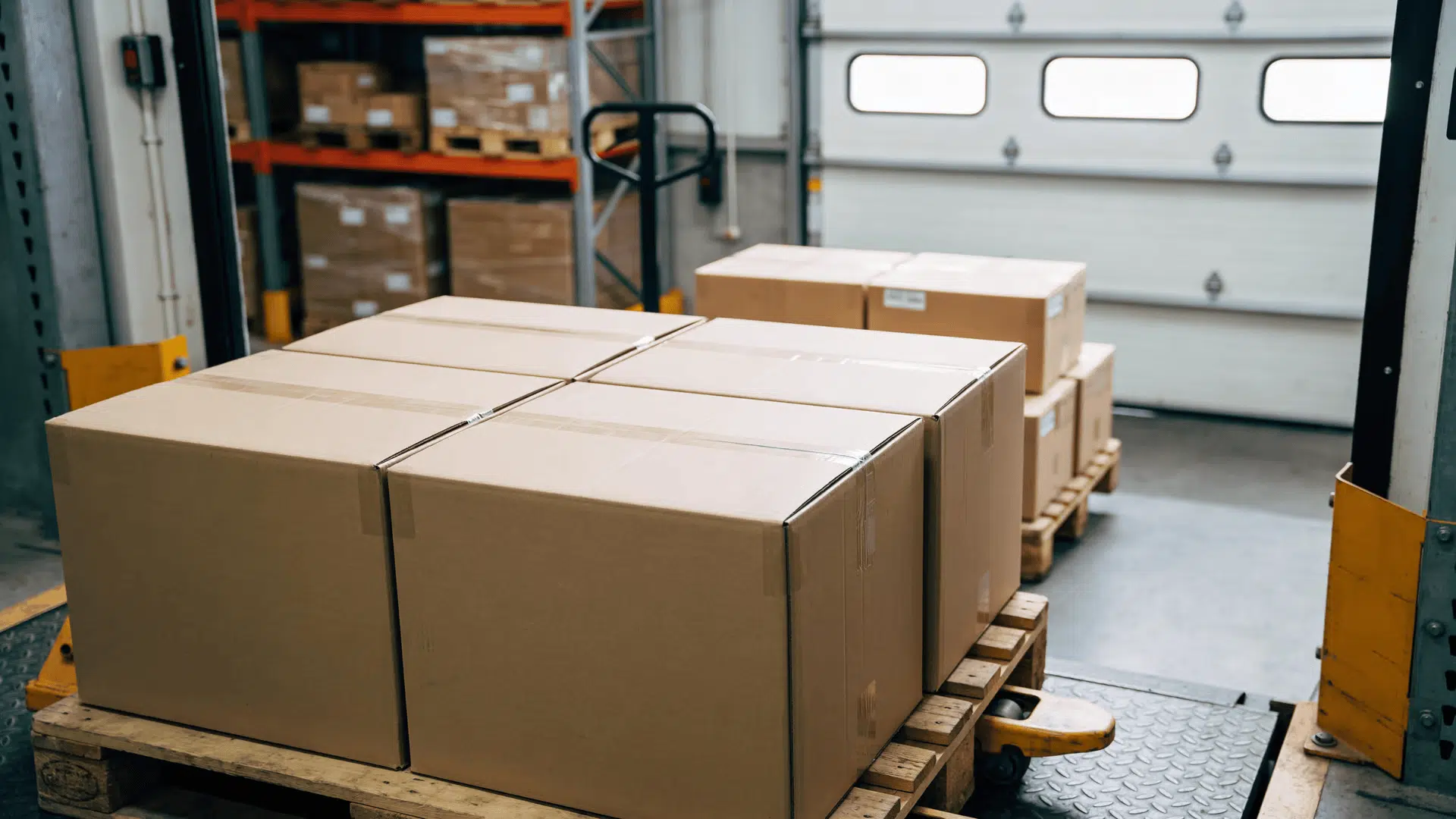
Ownership and risk are related, but they are not the same thing. In a consignment arrangement, ownership stays with the consignor until a sale occurs. That does not change as goods move or are stored.
Risk, however, is more flexible.
How Risk Shifts During the Process
-
During transit, risk is often tied to the consignor, since they initiated the shipment.
-
During storage or handling, some risk shifts to the consignee because they control the environment and day-to-day handling.
This is why risk and ownership don’t always move together. A consignee may be responsible for damage caused by poor storage, even though they never owned the goods. At the same time, the consignor still carries the financial outcome tied to ownership.
What Changes at the Point of Sale
The moment of sale is the turning point. When the consignee completes a sale:
- Ownership transfers from the consignor to the buyer
- Payment flows back to the consignor
- The consignee typically keeps an agreed portion
Why This Structure Exists
This setup balances reach and control. The consignor expands distribution without giving up ownership too early. The consignee can sell goods without buying them upfront.
A common mistake is assuming risk always follows ownership. In consignment, responsibility can exist without ownership.
How Responsibilities Are Divided in A Consignor–consignee Relationship
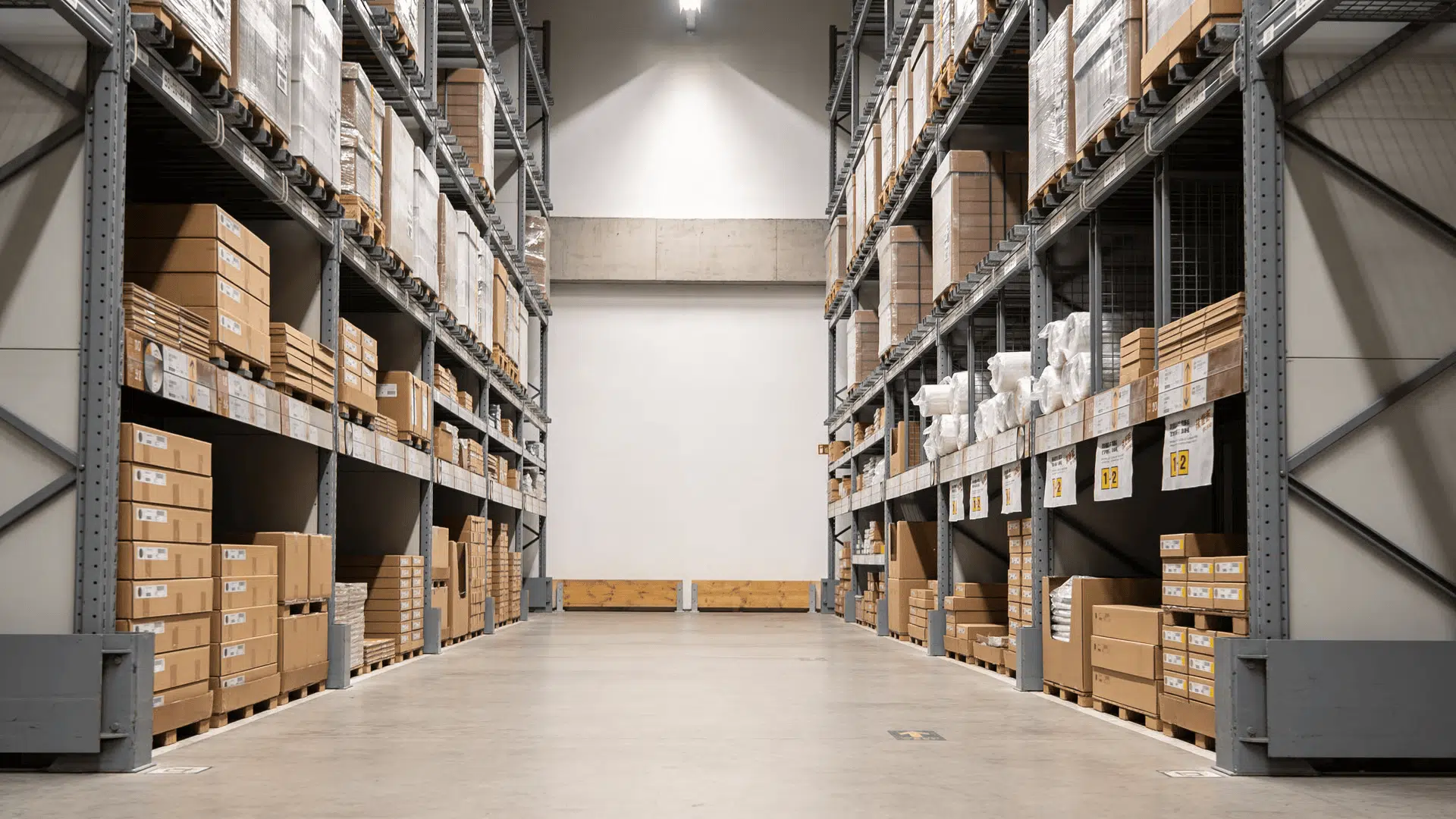
Responsibilities in a consignment relationship are divided by role. Each party manages the parts tied to their position in the process.
- Consignor responsibilities: Prepares the goods, approves shipment, defines the terms of consignment, and tracks what has been sent, sold, or remains unsold.
- Consignee responsibilities: Receives and inspects goods, stores them properly, handles daily management, and makes them available for sale or delivery.
- Shared selling process: The consignee completes the sale and interacts with the customer, while the consignor retains ownership until the sale occurs.
- Payment and reporting: After a sale, the buyer pays the consignee, who then forwards payment to the consignor minus any agreed portion, with reporting keeping both sides aligned.
This structure works because responsibility is split, not duplicated. Each party focuses on the work that fits their role, keeping the arrangement efficient and controlled
How Consignor and Consignee Appear in Shipping Documents
Shipping documents often add confusion because they rely on formal labels. On documents like a bill of lading, the consignor is listed as the shipper. This identifies who initiated the shipment and authorized the goods to move.
The consignee is listed as the recipient. This identifies who should receive the goods at the destination. These labels describe logistics roles, not ownership changes.
Problems arise when paperwork is treated as proof of a sale.
Being listed as the consignee does not mean the goods were purchased. Being listed as a consignor does not mean ownership has already transferred.
These documents exist to assign responsibility during transport. They do not change the underlying consignment relationship or rewrite who owns the goods.
A Simple Example Showing how Consignor and Consignee Work Together
Imagine a small furniture maker that sends handmade tables to a local showroom.
- The furniture maker is the consignor
- The showroom is the consignee
The process breaks into three parallel flows.
Flow of goods: The tables move from the maker to the showroom.
Flow of authority: The showroom displays the tables and completes sales with customers.
Flow of money: When a table sells, the customer pays the showroom. The showroom keeps its agreed portion and sends the remainder to the maker.
Ownership never shifts to the showroom. Before the sale, the maker owns the table. After the sale, ownership transfers directly to the buyer.
This example shows how ownership, control, and responsibility can move together without ever being the same thing.
Consignor vs. Consignee Compared Side by Side
| Aspect | Consignor | Consignee |
|---|---|---|
| Role | Origin and owner | Receiver and agent |
| Ownership | Retained before sale | Never owned before sale |
| Responsibilities | Sends goods, sets terms | Handles, sells, reports |
| Financial interest | Receives sale value | Earns agreed share |
| Legal position | Principal | Agent |
The real difference is not about who sends and who receives. It is about who owns the goods and who is trusted to act on someone else’s behalf.
Wrapping Up
Understanding the difference between a consignor and a consignee becomes much easier once you stop equating possession with ownership.
The consignor owns and initiates. The consignee receives and acts within limits. Risk can shift, responsibilities can overlap, but ownership only changes at the moment of sale. Keep that mental model in mind, and these terms stop feeling technical or abstract.
The next time you see them in a document or discussion, start by asking who owns the goods right now. That answer usually clears up everything else.