Cross country shipping seems straightforward until you actually compare your options.
Suddenly, you’re juggling freight classes, dimensional weight, liftgate fees, and wildly different price quotes for what looks like the same shipment.
I know people think that distance is the main driver of cost. It really isn’t. The real factors are how your shipment fits into a carrier’s network and which pricing model applies to you.
Today, you’ll learn how freight systems operate, which types of companies handle long-distance shipments, what really drives pricing, and how to choose the right option based on size and situation.
Let’s start with the basics.
What is Cross-Country Freight Shipping?
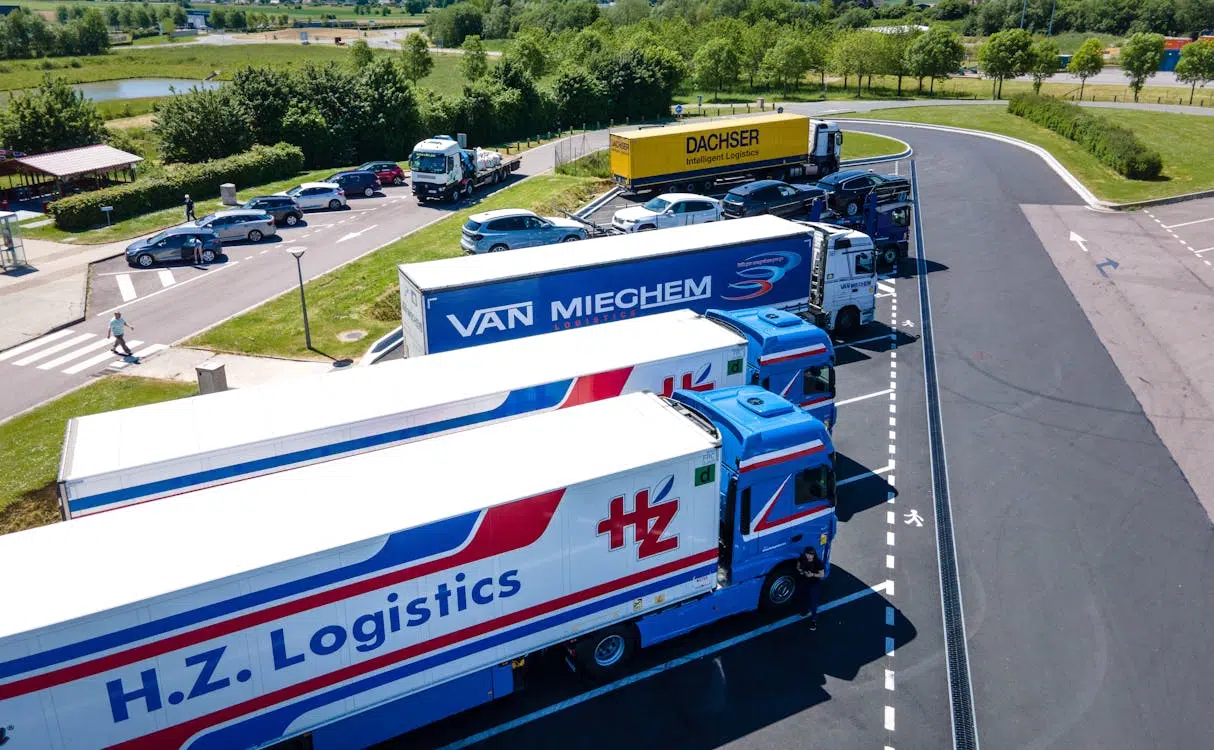
Cross-country freight shipping refers to transporting large or heavy shipments across long distances, typically from one region of the country to another, using freight networks rather than standard parcel services.
The key difference is structural.
Parcel carriers like UPS, FedEx, and USPS move individual boxes through automated sorting hubs. Freight carriers move pallets or large shipments through terminal networks, relying on shared truck space and coordinated routing.
Within freight, there are two main categories:
- LTL (Less-Than-Truckload): Your shipment shares trailer space with others.
- FTL (Full Truckload): You occupy the entire trailer.
Most cross-country freight for individuals or small businesses falls into the LTL category. That means your goods are combined with others heading in the same general direction.
Freight operates through a terminal-based network. Shipments move from pickup to a regional terminal, transfer between linehaul trucks, then arrive at a destination terminal before final delivery.
That structure is why freight pricing behaves differently from parcel pricing. It isn’t just about weight. It’s about space, density, and how your shipment fits into a shared system.
Companies that Offer Cross-Country Freight Shipping
There isn’t just one type of company offering cross-country freight shipping. Different provider categories operate differently behind the scenes.
Understanding the difference helps you compare services more realistically.
1. National LTL Freight Carriers
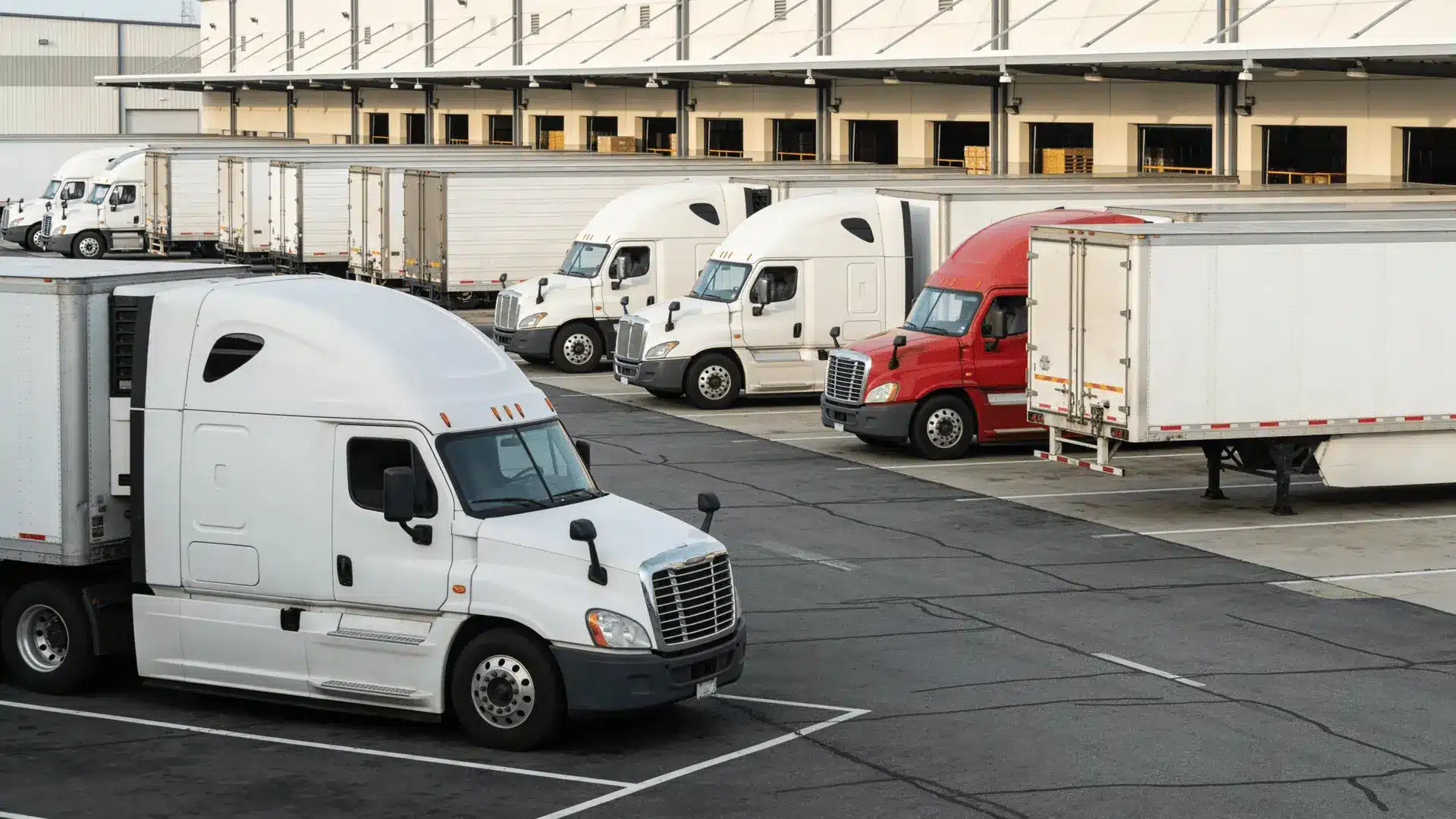
National LTL carriers operate large terminal networks across the country. They run scheduled linehaul routes between regions.
Examples include companies like:
- Old Dominion Freight Line
- XPO Logistics
- Estes Express Lines
- R+L Carriers
- CrossCountry Freight Solutions
Their strength is network control. Because they manage their own trucks and terminals, they have predictable routing structures and standardized freight class pricing systems.
However, pricing varies depending on density, freight class, distance, and delivery type. Residential deliveries usually cost more than commercial dock deliveries.
2. Freight Brokers and Online Marketplaces
Freight brokers do not own trucks. They connect you with carriers.
Examples include:
They aggregate rates from multiple freight providers and match shipments to available space.
This can sometimes result in competitive pricing, especially if your shipment is flexible on pickup or delivery timing.
The trade-off is that service consistency depends on the carrier assigned. The broker coordinates the shipment, but the carrier performs the actual pickup and delivery.
3. Regional Freight Carriers
Regional carriers focus on specific parts of the country.
For example, some LTL companies specialize in the Midwest, Southeast, or West Coast only.
They may offer competitive rates within their territory. But for true coast-to-coast shipments, your freight might transfer between multiple regional networks.
More transfers mean more handling, which can increase both cost and variability.
4. Specialty Small-Move Freight Providers
Some companies specialize in shipments under roughly 2,000 pounds.
Examples include:
- Ship Smart
- MiniMoves
- Certain container-based services like U-Pack
They position themselves between parcel and traditional freight. This can work well for partial household moves or small business relocations.
These services often combine palletization with simplified pricing models, but the economics still depend on weight, dimensions, and routing.
Typical Cross-Country Freight Shipping Costs
Shipping costs vary based on weight, distance, freight class, and delivery type. The table below reflects common U.S. cross-country freight ranges observed across major LTL carriers and broker rate calculators.
| Shipment Type | Typical Weight Range | Estimated Cross-Country Cost (USD) | Notes |
|---|---|---|---|
| Small LTL (1 pallet) | 150–500 lbs | $300 – $1,500 | Lower end applies to dense freight and commercial dock delivery. Residential adds cost. |
| Standard LTL (1–3 pallets) | 500–1,500 lbs | $600 – $2,500 | Most common cross-country freight range. Density and freight class strongly affect price. |
| Larger LTL Shipment | 1,500–5,000 lbs | $1,200 – $4,000+ | Coast-to-coast, liftgate service, or limited access locations push pricing higher. |
| Full Truckload (FTL) | 10,000+ lbs or full trailer | $2,000 – $5,000+ | Used when shipment fills most or all of a 53’ trailer. Pricing often based on cost per mile. |
Why the wide range? Three major variables drive cost:
Cross-country freight pricing is primarily driven by shipment density, route efficiency, and required accessorial services.
Distance does matter, but not in a straight line. A shipment from Chicago to Dallas may cost less than one from rural Montana to rural Maine, even if the mileage difference is small. Network efficiency plays a role.
Keep in mind: residential delivery, liftgate service, inside delivery, and reclassification due to inaccurate weight or dimensions can all increase final charges.
Heavier is not always more expensive. A dense, compact pallet may cost less than a large but lightweight shipment because freight class pricing penalizes wasted trailer space.
How Cross-Country Freight Shipping Actually Works
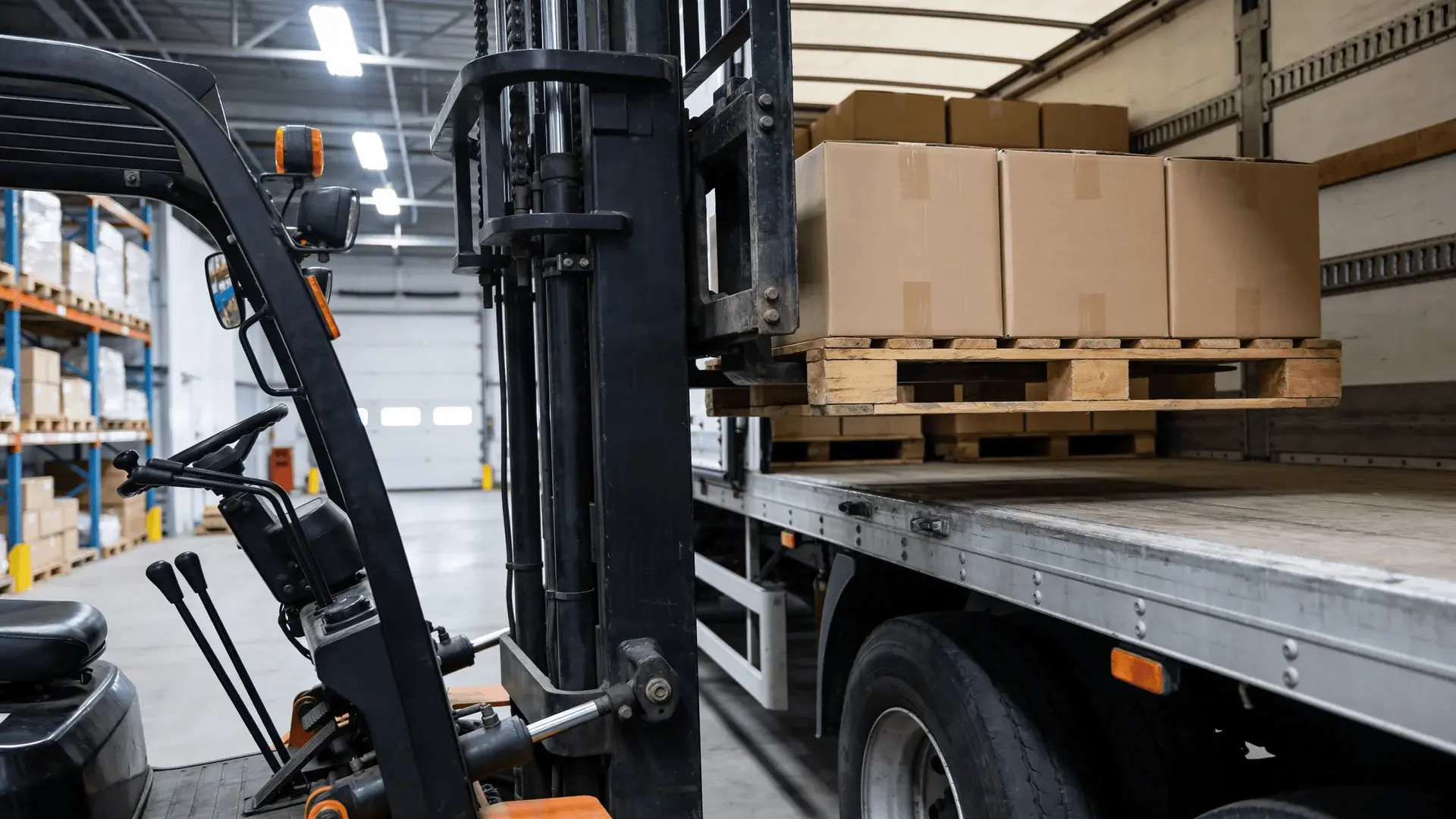
Cross-country freight shipping runs on shared trailer economics.
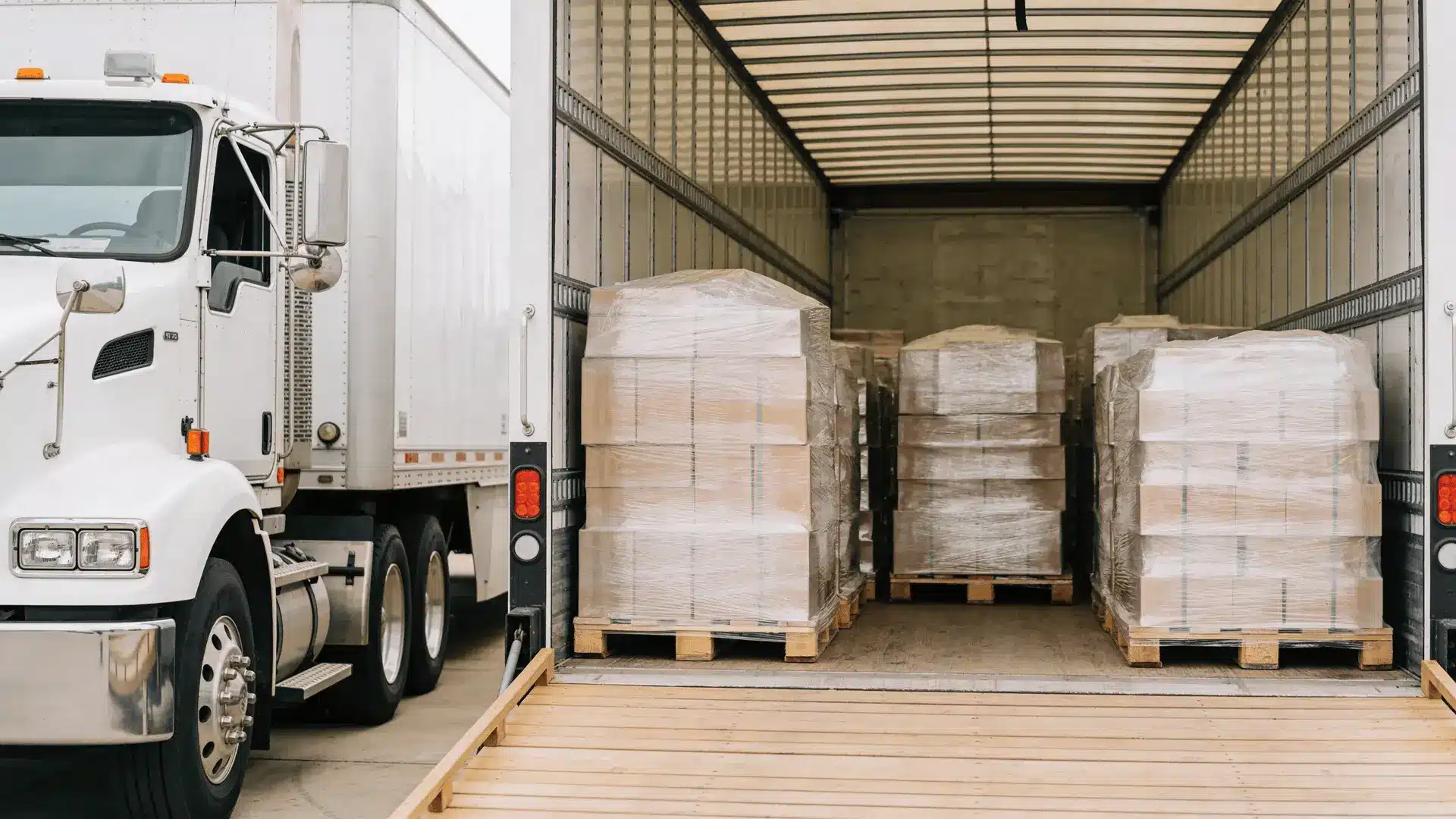
When you book LTL (Less-Than-Truckload) freight, your pallet does not get its own truck. Instead, it shares space with other shipments heading in the same general direction. The carrier combines multiple customers’ freight to maximize trailer space and route efficiency.
Cross-country LTL freight typically follows a multi-terminal transfer model:
- Pickup at origin
- Transport to local terminal
- Loaded onto a linehaul truck
- Possibly transferred between regional hubs
- Arrives at destination terminal
- Final delivery
Each transfer means additional handling. More handling means more labor, more coordination, and more cost.
Freight pricing is largely driven by freight class, which is based on density, size, and liability risk. Lower-density shipments take up more space relative to their weight, which pushes them into a higher class. Higher class generally means higher cost.
That’s why two shipments weighing 500 pounds can be priced very differently. A dense, compact pallet uses trailer space efficiently. A bulky, lightweight shipment may occupy double the footprint.
At the end of the day, trailer space is limited. Carriers price based on how efficiently your freight fits into that space.
When Freight is Cheaper than Parcel or Moving Containers
Freight becomes economically attractive once shipments move beyond typical parcel thresholds.
Parcel carriers price using dimensional weight. If your box is large but light, you’re charged based on volume, not actual weight.
Once total shipment weight exceeds roughly 150 to 200 pounds, parcel pricing often compounds quickly. Multiple boxes mean multiple base charges layered together.
Between about 300 and 2,000 pounds, LTL freight frequently becomes more cost-efficient.
Moving containers operate differently. They charge based on space used, not freight class. If you have bulky furniture with moderate weight, containers may make sense.
However, for smaller shipments, container minimum charges can exceed LTL rates.
There is no universally cheapest option. The break-even point shifts depending on size, density, and delivery type.
What Information Freight Companies Need for an Accurate Quote

Freight pricing depends on accurate details. To generate a realistic quote, companies need:
- Total weight – used to calculate base freight class
- Pallet dimensions (length, width, height) – determines shipment density
- Origin and destination ZIP codes – affects routing and linehaul cost
- Residential or commercial location type – impacts delivery pricing
- Liftgate requirement – adds equipment and labor charges
- Special handling needs – fragile, hazardous, or time-sensitive freight
Dimensions determine density, and density determines freight class. Lower-density shipments take up more trailer space, which usually means a higher freight class and higher cost.
Residential deliveryincreases pricing because freight networks are built for commercial docks. Home delivery often requires scheduling and liftgate equipment, which adds labor and handling fees.
If weight or dimensions are underestimated, carriers will remeasure the shipment at the terminal. That can trigger reclassification fees and unexpected billing adjustments. Accurate details upfront help avoid those surprises.
Why Cross-Country Shipping Can Get Expensive
Cost escalation usually comes from structural realities, not arbitrary pricing.
First, cross-country shipments require long linehaul distances. Fuel, labor, and equipment costs accumulate over time and miles.
Second, LTL freight involves multiple transfers. Each transfer means unloading, sorting, and reloading at different terminals.
Third, accessorial charges add up:
- Liftgate service
- Inside delivery
- Limited access locations
- Residential surcharges
Coast-to-coast shipments often cross multiple freight regions. That increases handling complexity and the chance of added fees.
When people say cross-country shipping feels expensive, they’re usually reacting to these layered logistics steps. It’s not just mileage. It’s the entire chain of movement.
A Clear Size-Based Decision Framework
If you want fast clarity, start with total shipment weight and bulk. Different shipping systems become more economical at different size thresholds.
| Shipment Size / Type | Typical Weight Range | Most Cost-Effective Option | Why It Usually Makes Sense |
|---|---|---|---|
| Small shipment | Under 150 lbs total | Parcel carriers (UPS, FedEx, USPS) | Designed for boxes; simple pricing at lower weights |
| Mid-size shipment | 150–800 lbs | Compare Parcel vs. LTL Freight | Parcel costs compound; freight may become competitive |
| Large palletized shipment | 800–2,000 lbs | LTL Freight | Shared trailer space lowers cost per pound |
| Furniture-heavy move | Bulky but variable weight | Moving container services | You pay for space, not strict freight class |
| Vehicle transport | Cars, motorcycles, etc. | Auto transport carrier | Separate network specialized for vehicles |
These thresholds exist because pricing models change as shipment size increases.
- Parcel pricing penalizes dimensional weight (large but light boxes cost more).
- Freight pricing penalizes low density (bulky pallets cost more per pound).
- Containers charge primarily for space used.
Understanding which pricing system applies to your shipment removes much of the guesswork. Once you identify the right category, comparing quotes becomes far more straightforward
Wrapping Up
Cross country shipping becomes far less confusing once you understand the structure behind it. Pricing shifts depending on weight, density, delivery type, and the network handling your freight.
Parcel, LTL freight, containers, and auto transport all operate under different economic rules. When you match your shipment to the correct system, quotes start to make sense and surprise fees become easier to avoid.
The key is accurate measurements and clear expectations before booking.
Now that you know how the process works and what drives cost, take the next step: gather your shipment details and request a few quotes with confidence.
Frequently Asked Questions
How much does it cost to ship 50 pounds across the country?
Typically parcel shipping is used at this weight. Cost depends on box size and dimensional weight, not just actual weight.
Is freight only for businesses?
No. Individuals can ship freight. You just need accurate weight, dimensions, and delivery details.
Why is cross-country freight shipping so expensive?
Because it involves long linehaul routes, multiple transfers, labor, fuel, and often residential surcharges.
What is the difference between LTL and full truckload?
LTL shares trailer space with other shipments. Full truckload means you occupy the entire trailer.