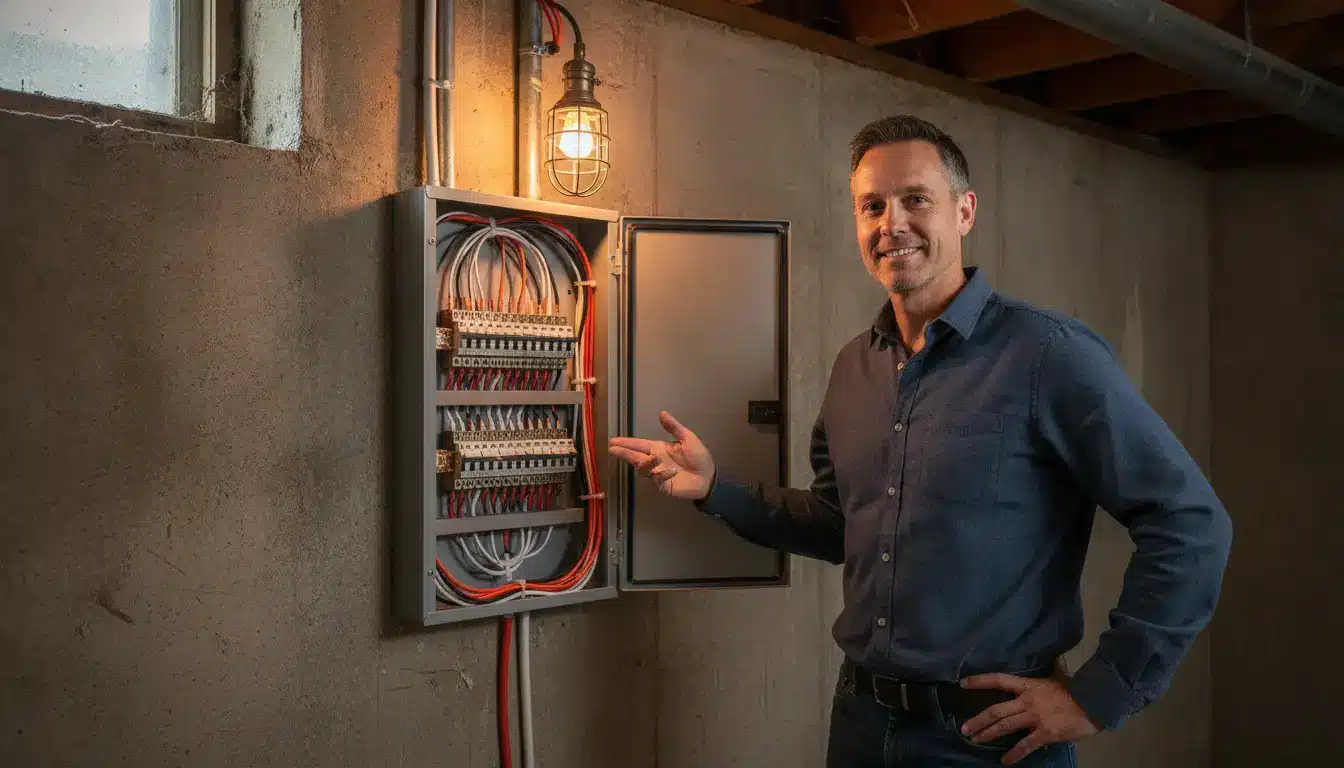
Your electrical panel is probably the most important piece of equipment in your home that you never think about. It controls every circuit, every outlet, and every appliance drawing power under your roof. And for millions of homeowners across the country, the panel currently doing that job was designed for a very different era.
If your home was built before the mid 1990s, there is a good chance it still runs on a 60 or 100 amp panel. That was plenty when a household had a refrigerator, a dryer, and a few lamps. Today, central air conditioning, home offices, electric vehicle chargers, and smart home systems push those older panels well past their limits.
Upgrading is one of those projects that does not look exciting on the surface, but it protects your home, your family, and your long term investment. Understanding the real costs and timing of an electrical panel replacement can help you decide whether now is the right time.
What Does an Electrical Panel Upgrade Actually Cost?
Costs vary depending on the scope of the work, but most homeowners can expect the following general ranges for a standard residential upgrade:
- Upgrading from 100 amps to 200 amps: typically between $1,500 and $4,000
- Replacing an outdated or recalled panel with a modern one: $1,800 to $3,500
- Upgrading the panel and the electrical meter or service entrance together: $2,500 to $5,000 or more
- Adding a subpanel for a garage, workshop, or addition: $500 to $2,000
These ranges depend on your location, the condition of your existing wiring, permit requirements, and whether the utility company needs to disconnect and reconnect service. A licensed electrician should always assess your specific situation before quoting final numbers.
Signs Your Panel May Need an Upgrade
Most homeowners do not wake up one morning and decide to replace their electrical panel. The decision usually starts with a pattern of smaller problems that point to a bigger issue:
- Circuit breakers trip frequently, especially when running multiple appliances
- Lights flicker or dim when the HVAC system kicks on
- You rely on power strips and extension cords because there are not enough outlets
- The panel uses fuses instead of breakers
- You are planning to add an EV charger, hot tub, or home addition
- A home inspector flagged the panel during a real estate transaction
If any of these sound familiar, an evaluation from a licensed electrician is a smart first step. And if you are buying or selling a home, the electrical panel is one of the key systems worth inspecting before closing on the deal.
When Is an Upgrade Worth the Investment?
An electrical panel upgrade is not always urgent, but certain situations make the return on investment clear.
Safety. Outdated panels with federal pacific or zinsco breakers have known failure histories. Faulty wiring and overloaded circuits remain among the leading causes of residential fires in the United States, according to the National Fire Protection Association. If your panel cannot reliably trip a breaker when a circuit overloads, the risk is real.
Home value. A modern 200 amp panel is a selling point. Buyers and inspectors notice when the electrical system is current, and an outdated panel can stall or kill a sale.
Future readiness. If you plan to install a generator, add an EV charger, or finish a basement, you will almost certainly need a panel that can handle the additional load. Doing the upgrade first avoids having to redo it later.
Insurance. Some insurers charge higher premiums or decline coverage for homes with certain outdated panels. Upgrading can resolve that issue and potentially lower your rates.
What to Look for in an Electrician
A panel upgrade is not a weekend DIY project. It involves working inside your home’s main electrical system, coordinating with the local utility, pulling permits, and passing inspection. Choosing the right electrician matters as much as deciding to do the project in the first place.
Look for a contractor who is licensed and insured in your state, offers transparent pricing before work begins, and communicates clearly about the scope and timeline. Strong reviews from other homeowners are one of the most reliable indicators of quality work.
For homeowners in central Maryland, Deshaies Electrical Services is one example of a locally owned contractor with deep experience in residential panel upgrades. Their team serves homeowners across Anne Arundel County, and they are a trusted resource if you are searching for a qualified electrician near Odenton or surrounding communities.
How to Keep Costs Manageable
A few practical steps can help you get the most value out of this project:
- Get at least two or three written estimates from licensed electricians before committing
- Ask whether your local jurisdiction requires a permit, and confirm the electrician handles that process
- Check whether your utility offers rebates or incentives for electrical upgrades, especially when paired with energy efficient equipment
- If you are planning other electrical work like adding circuits or upgrading your service entrance, bundle those projects together to reduce overall labor costs
Panel upgrades are one of those investments that quietly pay for themselves. You may not notice the improvement every day, but your home runs safer, your options expand, and your electrical system is ready for whatever comes next.
Thinking About Next Steps?
If your panel is showing its age or you are planning a project that will push your electrical system further, this is worth exploring sooner rather than later. Start by scheduling an assessment with a licensed electrician in your area. The right professional will walk you through your options, explain the costs, and help you decide on a timeline that fits your budget and your goals.