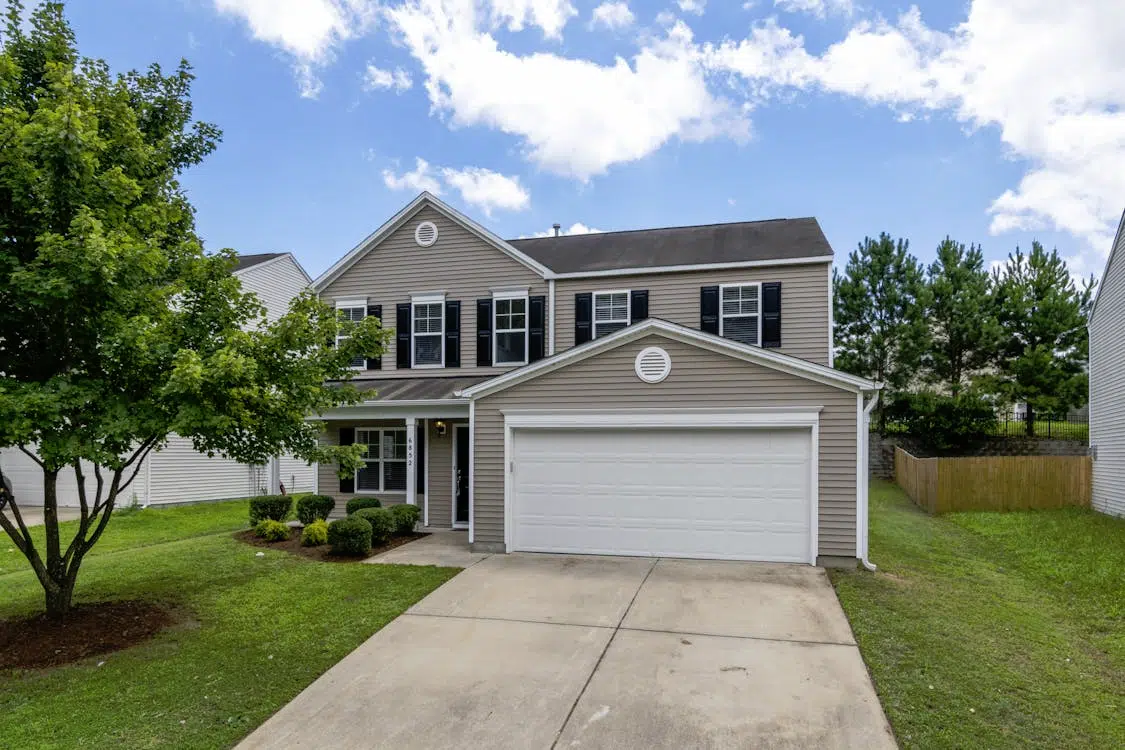
When you live in a place where winter storms, salty coastal winds, and temperature swings are part of everyday life, the exterior of your home has to work overtime.
Choosing the right siding makes a massive difference in how well your house holds up, how much maintenance you face, and even how comfortable your interior stays through the seasons. This guide breaks down how popular materials perform in tough weather.
Understanding What Harsh Climates Demand
Not all siding materials perform equally well in extreme environments, so knowing what to look for helps narrow your choices quickly. Homes in snowy regions need materials that resist moisture absorption and freeze cycles. In coastal zones, resistance to corrosion, warping, and wind is essential. According to research by Pacific Northwest National Laboratory, exterior surfaces that resist water, pests, and impact stress tend to last significantly longer in extreme regions.
What Really Matters for Durability
- Material density and impact resistance
- Water and moisture resistance
- Thermal stability during freeze and thaw cycles
Comparing Popular Exterior Siding Materials
Different siding types shine in different conditions. The key is matching your climate with the material’s strengths. Materials like fiber cement, vinyl, and composites are regularly highlighted for their resilience in both storm prone and snow heavy environments.
Vinyl Siding
Vinyl remains a go to choice thanks to its affordability and surprising long term durability. It resists rot, won’t corrode in salty air, and requires very little upkeep. Modern insulated vinyl panels also boost energy efficiency, helping keep homes warmer in winter and cooler in summer.
Selecting the right siding material can be challenging, given the many options available. Consulting with a reputable siding company offers valuable guidance tailored to your local climate and architectural style, making the decision easier. Professional installation services also ensure that your siding performs optimally and stands up to harsh weather, saving you time and effort.
Fiber Cement Siding
Fiber cement is known for standing firm in almost any climate. It handles impacts well, stays dimensionally stable, and won’t warp when temperatures jump. Its fire and pest resistance make it even more appealing. Although it needs occasional repainting, its lifespan often outweighs the extra maintenance.
Composite and Engineered Materials
Composite siding blends the strength of engineered layers with protective coatings that keep moisture out. Newer products benefit from innovations in building science which show how advanced composites improve energy performance and structural stability. These materials are a strong choice for homeowners who want both sustainability and resilience.
In addition, it makes sense to combine material upgrades with other changes that improve your home’s resilience, such as solar panels to reduce reliance on the grid, and windows that keep the elements out and the heat in.
Finding What Works Best for Your Home
Choosing siding isn’t only about resisting storms and snow. It also affects curb appeal, energy use, long term repair costs, and even insurance considerations. Take time to think about how much maintenance you want to handle, how long you plan to stay in your home, and which materials complement your architecture.