A cabover truck still gets talked about like it’s a mystery. Some people think it’s a brand. Others assume it was a short-lived trend that failed.
Many drivers believe it disappeared because it was unsafe. None of those ideas fully explain what happened. The confusion comes from how unusual the layout looks today and how rarely most people encounter one.
Today, I’ll explain the design from the inside out. I’ll show you how the truck is built, how that layout changes real-world behavior, why it mattered so much in the past, and why it faded in the U.S. market.
What is a Cabover Truck, Exactly?
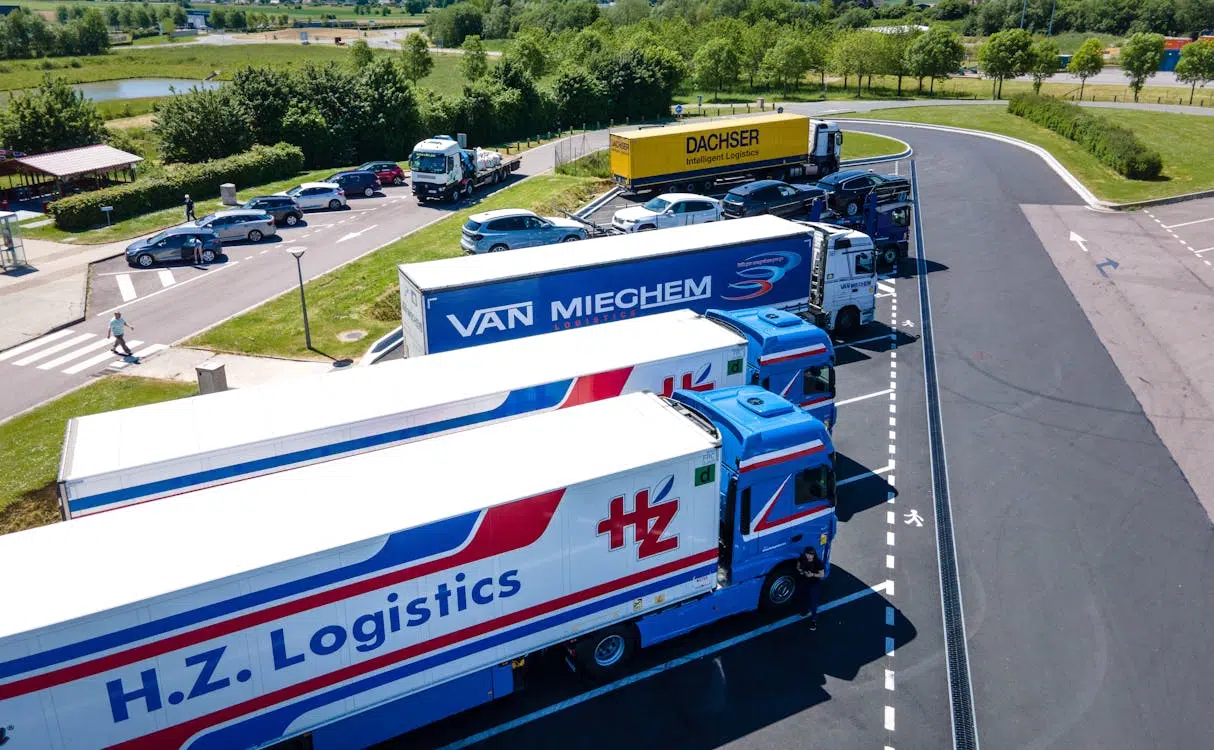
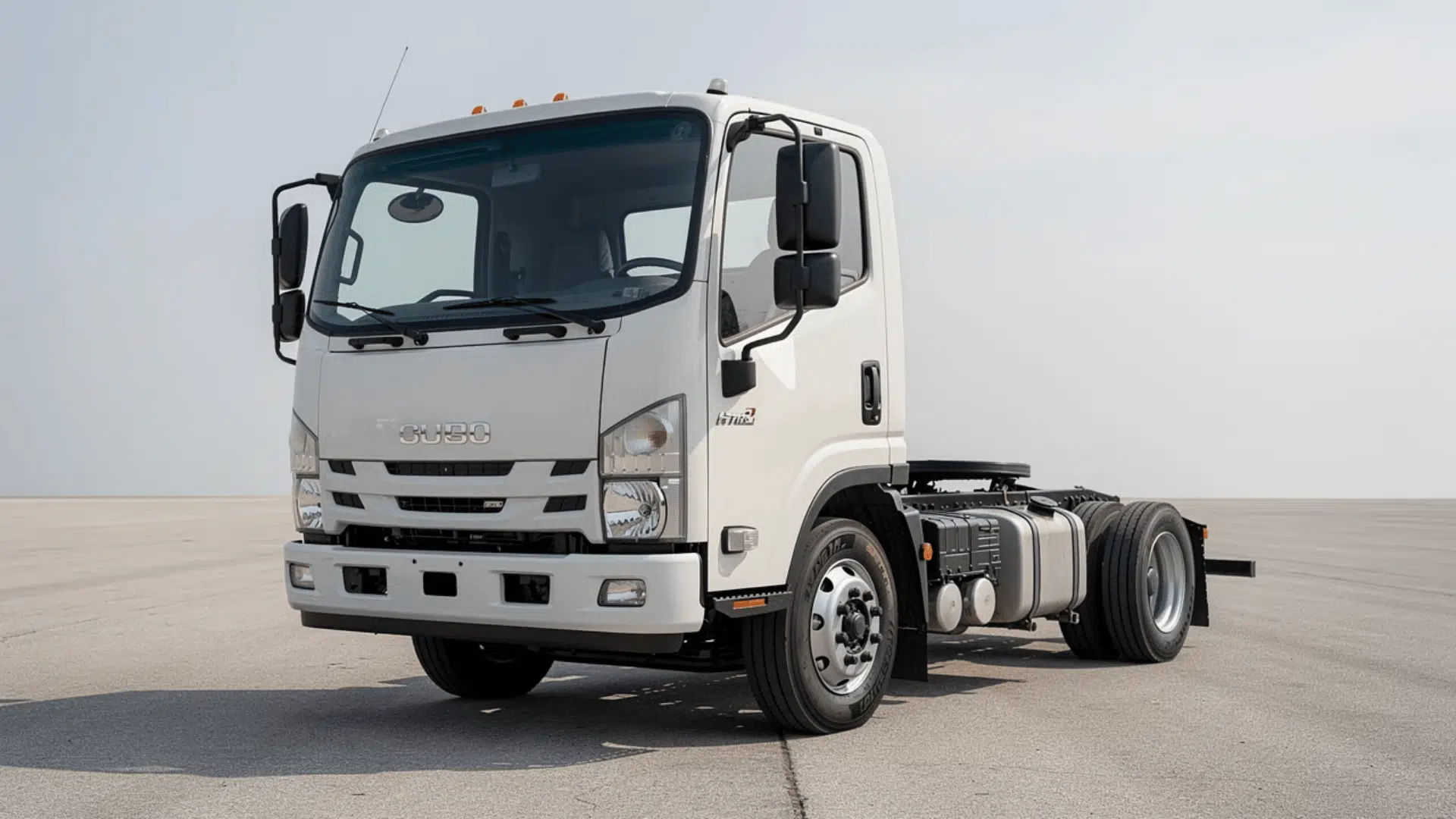
A cabover truck is defined by one core feature. The cab sits directly over the engine and front axle. There is no long hood in front of the windshield. The front face of the truck is flat or nearly flat.
That single design choice changes the entire structure. The engine is packaged beneath the cab floor instead of in front of it. The driver sits farther forward, almost on top of the steering axle. This affects how weight is distributed, how road feedback reaches the cab, and how the truck fits into tight spaces.
Structurally, the cab, engine, and axle form a compact unit. Service access comes from tilting the cab forward instead of opening the hood. This layout is formally known as cab-over-engine or COE, a term commonly used in engineering and reference material, including the standard definition outlined in the cab-over article on Wikipedia.
The most common mistake is treating “cabover” like a brand name or a design era. It is neither. It is simply a physical layout, and any truck built this way qualifies.
How a Cabover Truck Differs from A Conventional Truck
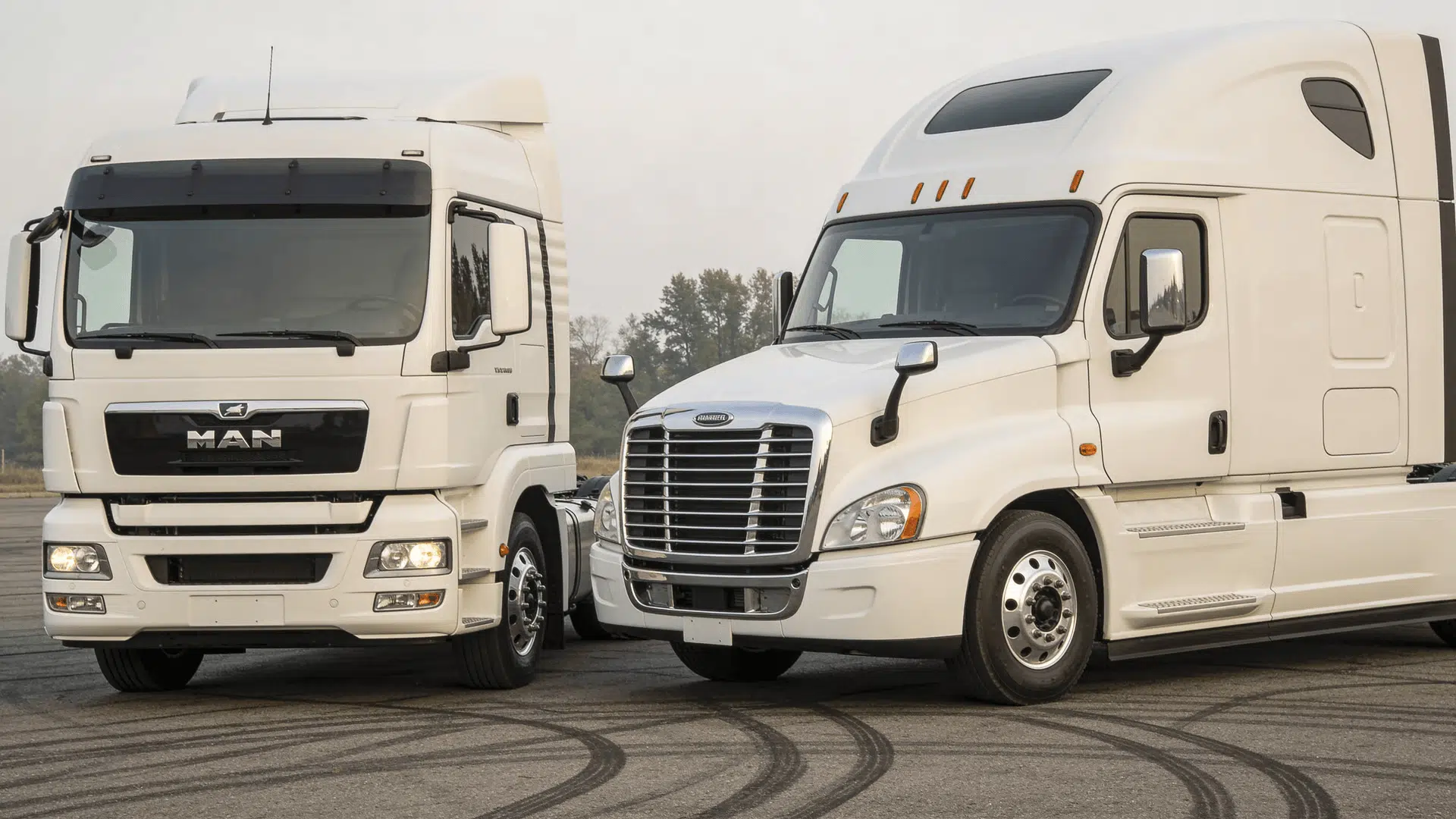
The cabover layout creates functional differences that show up in everyday operation compared to other truck layouts. These are mechanical outcomes, not personal preferences.
Cab Position and Driving Experience
Because the cab sits directly over the front axle, the truck can use a shorter wheelbase while keeping the same overall length. That shorter wheelbase means a tighter turning radius, which is why cabover trucks shine in loading docks, alleys, yards, and dense city streets.
That same cab position also changes how the truck feels on the road.
When the driver sits over the axle, bumps and road imperfectionsare felt more directly. There’s less frame and suspension ahead of the cab to soften the impact. In a conventional truck, the driver sits behind the axle, so those forces are absorbed before they reach the cab.
Visibility is a mixed bag.
- Low-speed visibility is excellent: The windshield sits almost at the very front of the truck, making it easier to judge corners, curbs, and tight obstacles.
- Highway driving feels different: Sitting forward increases perceived motion, which can lead to greater fatigue on long runs.
Heat and noise follow the same pattern.
- Engine heat rises into the cab floor
- Mechanical noise travels upward into the cab instead of forward
On short routes, this may barely register. Over long days, those effects tend to add up.
Maintenance and Engine Access
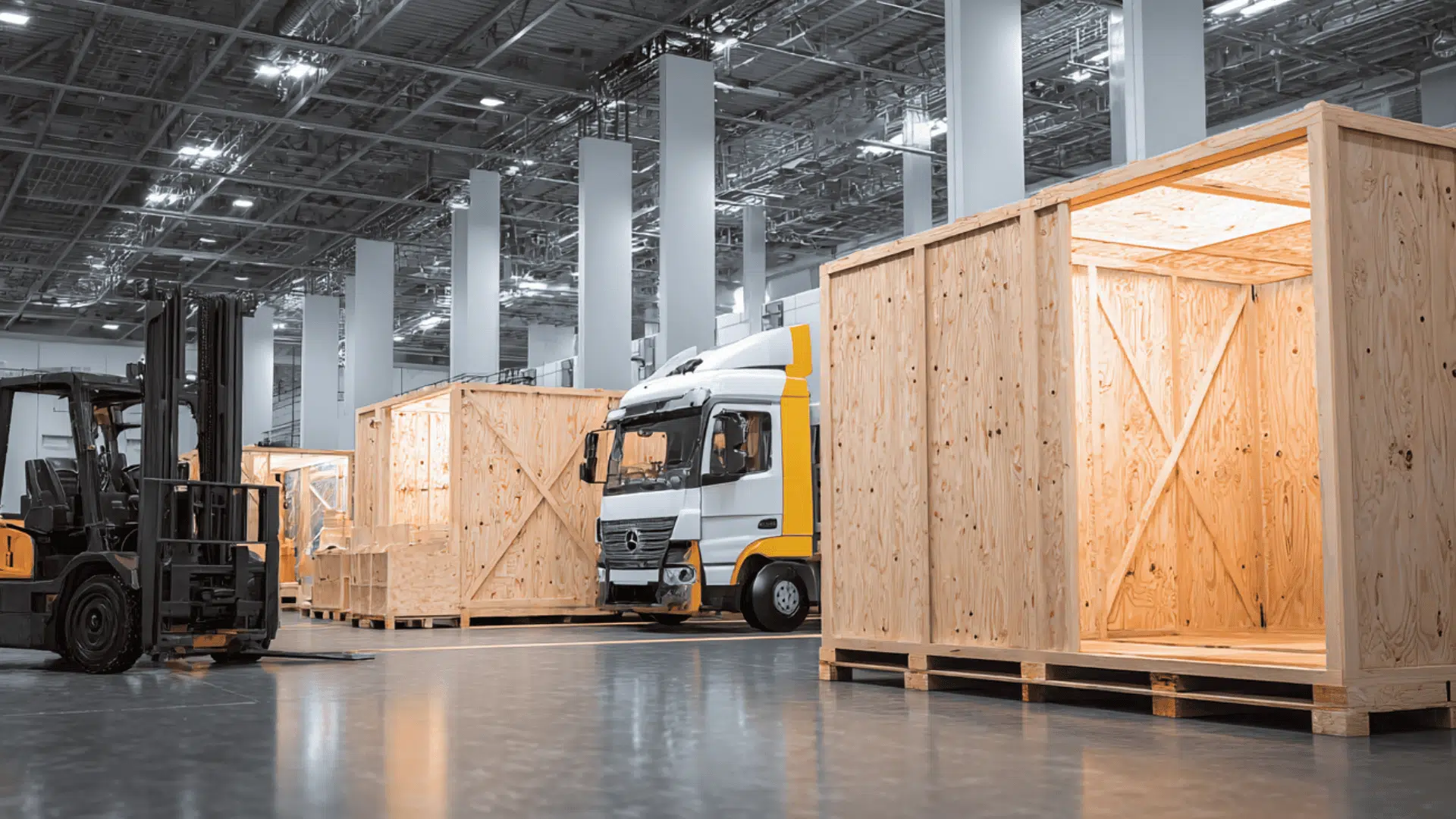
Cabover trucks replace the traditional hood with a tilting cab. When the cab is tilted forward, the entire engine is exposed from above and the sides. This can speed up certain maintenance tasks because most components are reachable at once.
There are tradeoffs.
Before tilting, the cab must be properly secured. Any loose items inside the cab need to be managed. Weather conditions and limited space can also complicate service, especially when the cab needs to be tilted in tight yards or crowded areas.
Neither design is universally better.
- Cabover design: Concentrates engine access into one main action
- Conventional trucks: Spread access across multiple panels, angles, and service points
The difference matters most in how often maintenance is performed and where that work takes place.
Why Cabover Trucks Were Once Common in The United States
Cabover trucks became common because they solved a regulatory problem, not because of style or novelty.
For decades, U.S. freight laws limited the total combined length of the tractor and trailer. Every inch of hood reduced how much cargo could be carried. A longer tractor meant a shorter trailer.
The cabover layout eliminated the hood entirely. By moving the cab over the engine, operators gained valuable trailer length without violating the law. More trailer length meant more freight per trip, which directly affected revenue.
This advantage mattered most in urban and regional operations. Tight streets, crowded terminals, and short docks rewarded compact tractors. Refuse trucks, port tractors, and city delivery vehicles all benefited from the design.
Cabovers were a practical response to the rules of the road at the time. They existed because the system made them useful.
Why Cabover Trucks Largely Disappeared from The U.S. Market
Cabovers did not vanish suddenly. Their core advantage was slowly removed.
In the late 1970s and early 1980s, U.S. regulations changed. The Surface Transportation Assistance Act of 1982standardized trailer lengths and reduced the importance of tractor length in many cases.
Once operators could run longer trailers regardless of tractor design, the cabover’s space advantage disappeared.
At that point, the decision calculus shifted. If cargo capacity was no longer tied to cab length, other factors became more important on long-haul over-the-road routes. Comfort, ride quality, and long-distance fatigue started to drive demand.
Industry explanations of this shift, such as those summarized by engineering and trucking publications, consistently point to regulation change as the trigger that made conventional designs more attractive.
Comfort and Safety Tradeoffs in Long-Haul Use
Long-haul driving amplifies small issues. What feels minor on short routes becomes harder to ignore over weeks and months on the road.
- Ride and vibration: Sitting directly over the axle increases exposure to road vibration. Over long distances, that constant input contributes to fatigue and reduced physical endurance.
- Noise and heat: Engine noise and heat rise directly into the cab. These stresses may seem manageable day to day but gradually wear on comfort during extended driving schedules.
- Crash dynamics: In frontal collisions, cabovers place the driver closer to the impact zone. Even as safety improved, reduced forward buffer affected driver confidence and fleet risk decisions.
Taken together, these factors shaped long-haul preferences. Manufacturers followed demand, shifting investment toward conventional trucks built around comfort, safety perception, and long-term driver retention.
Where Cabover Trucks are Still Used Today
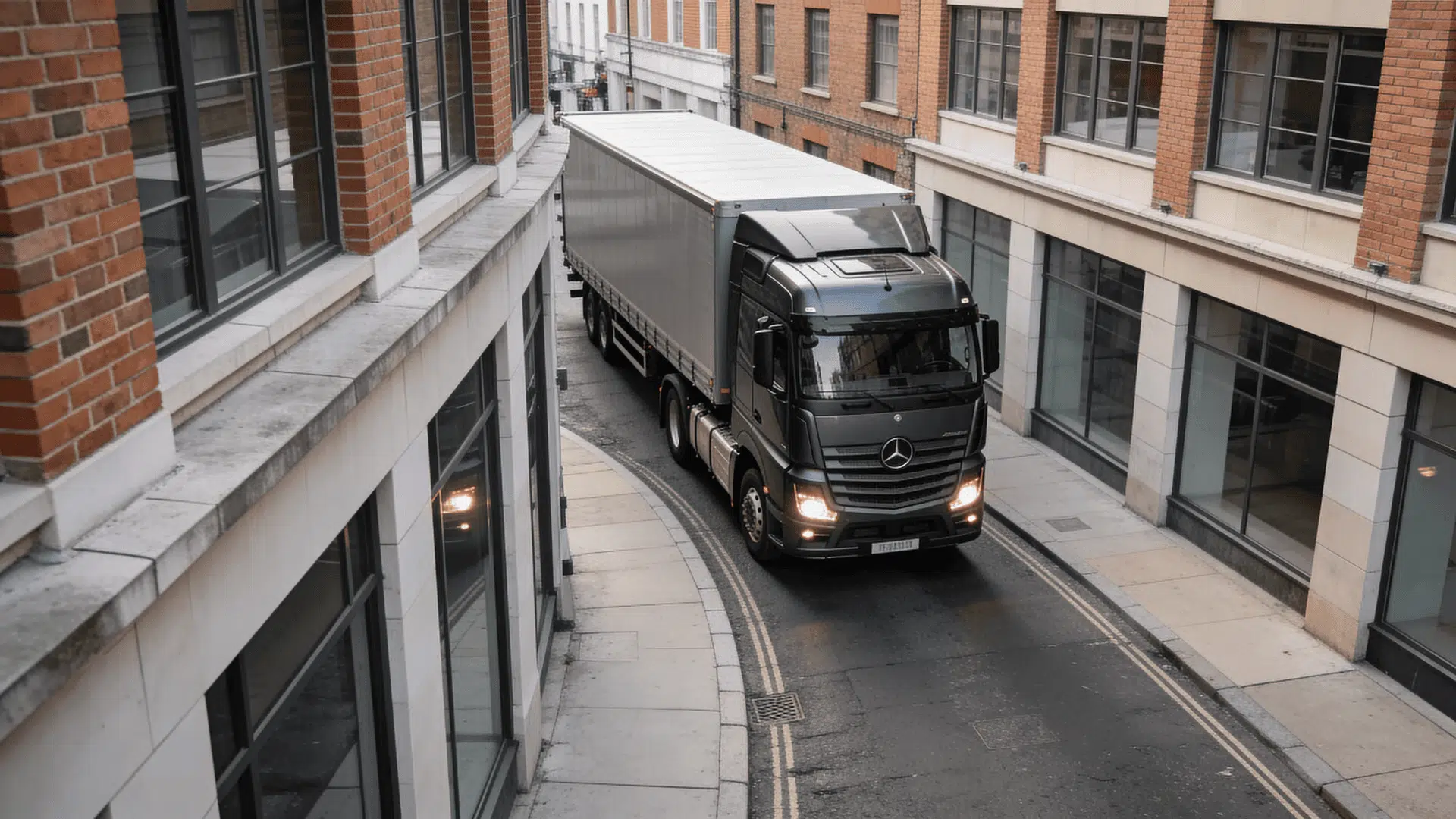
Cabover trucks still exist because their advantages remain practical, not nostalgic.
Urban delivery routes benefit from tight turning and strong forward visibility. Refuse collection, port work, and terminal operations value compact dimensions and maneuverability over long-haul comfort. In these environments, the cabover layout still fits the job.
Outside the United States, cabovers remain common in regions shaped by strict length limits and dense infrastructure. Road design, parking constraints, and regulatory frameworks continue to influence vehicle layout choices.
The important shift is this. Cabovers are not outdated machines. They are specialized tools. When space is limited and maneuverability matters more than sustained highway comfort, the design still makes sense.
Wrapping Up
Cabover trucks were never a mystery once you follow the logic. The design emerged from rules, work environments, and practical constraints, then faded when those constraints changed.
Nothing failed. Nothing vanished overnight. The market simply shifted toward different priorities. Understanding that helps clear up decades of confusion and misplaced assumptions.
A cabover truck is not a relic or a compromise. It is a layout that still earns its place when space, access, and maneuverability matter more than long-haul comfort.
Take a closer look at your own operation and rethink what actually fits.