Transportation sounds simple at first. You move from one place to another. Goods move too. But once you look closer, things get messy fast.
There are categories, subcategories, and edge cases that don’t always fit neatly. That confusion is common, and it’s not your fault. Most explanations rush through the basics and stop there.
Today, I’m breaking down transportation into clear pieces and explaining why each type exists and when it makes sense to use it.
We’ll look at how people and goods move, how choices are made, and where common ideas fall apart. By the end, the idea of transportation types should feel clear and manageable.
What is Transportation?
Transportation is the movement of people, animals, or goods from one place to another. That’s the simple definition, but the purpose goes deeper.
At its core, transportation exists to solve distance. People need access to work, food, health care, and social life. Goods need to move from where they are made to where they are used. Without transportation, modern life breaks down quickly.
There is also an important split to understand. Moving people is not the same as moving goods. People care about comfort, time, and safety. Goods care about cost, volume, and reliability. Many systems are built mainly for one or the other, even if they overlap.
Main Types of Transportation
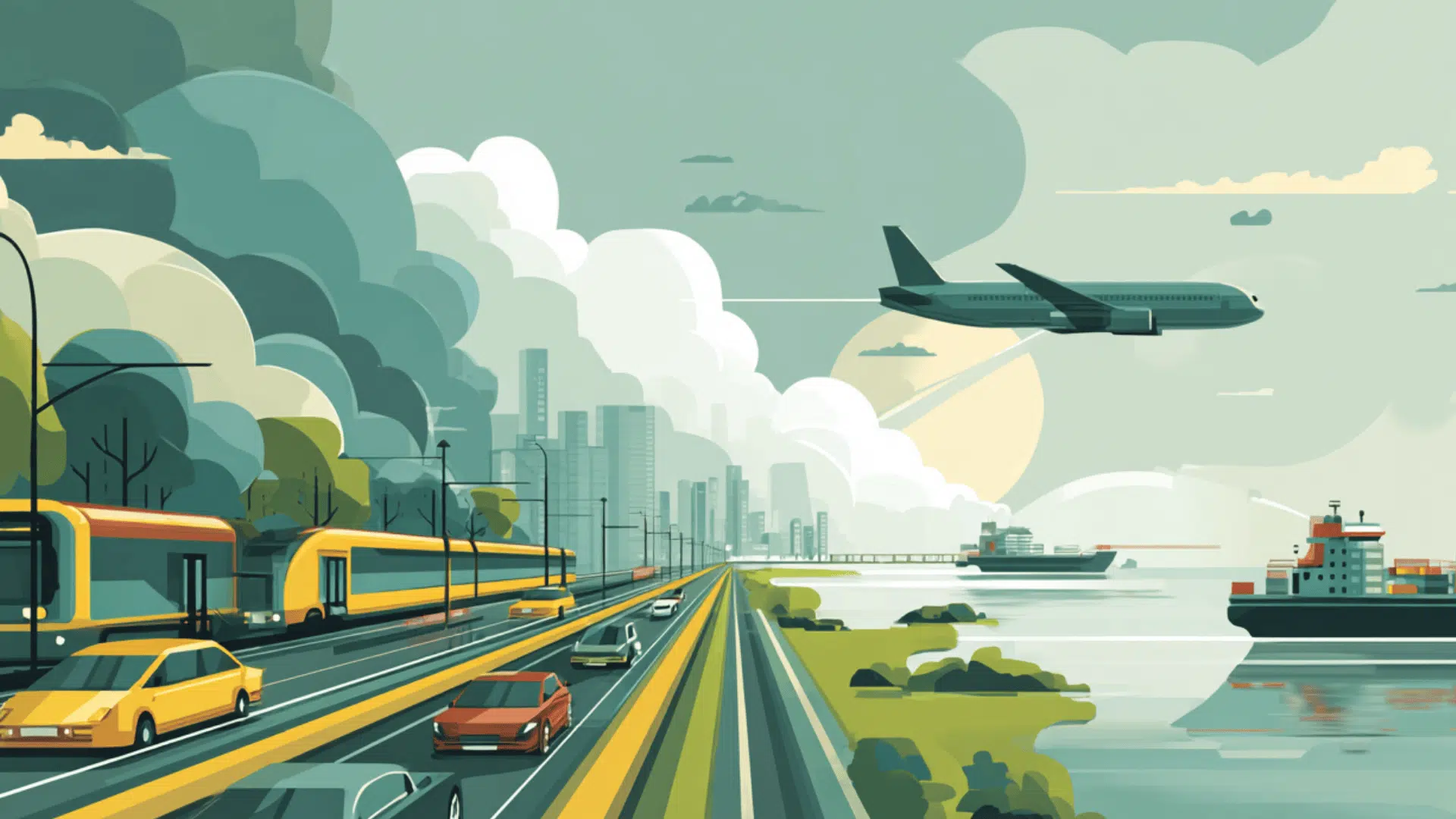
Transportation is grouped by how movement happens. These groups are not random. Each one reflects physical limits like gravity, terrain, and fuel use. Understanding this logic helps explain why some options are fast but costly, while others are slow but steady.
1. Land Transportation
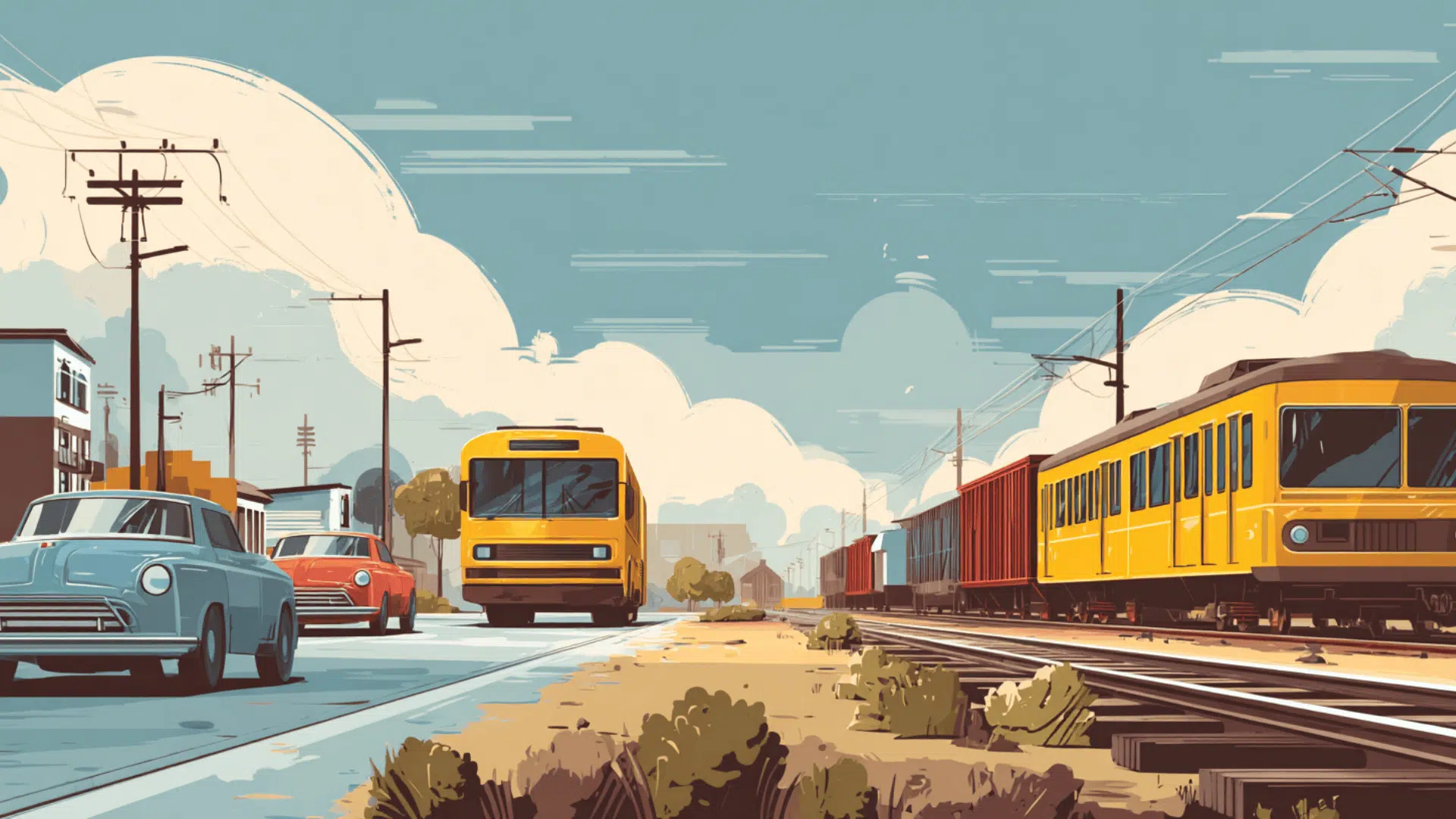
Land transportation moves people or goods across solid ground. It is the most flexible category and the one that most people use daily.
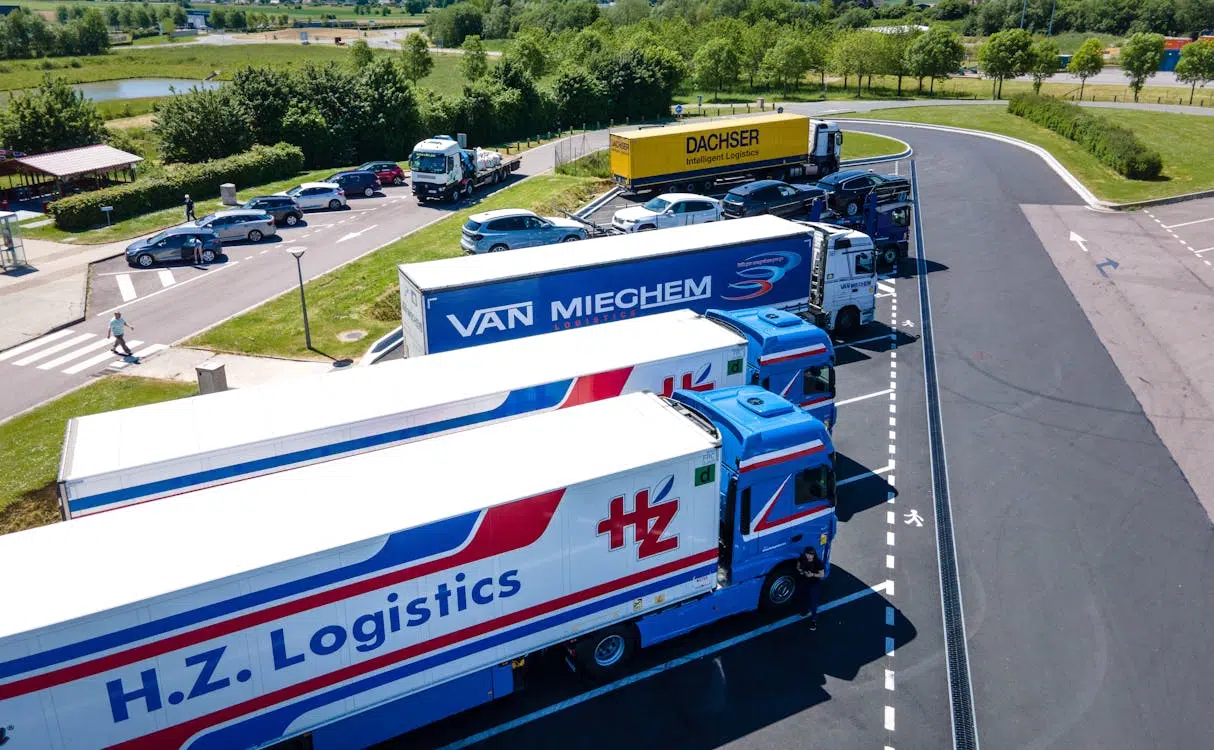
Road transport includes cars, buses, trucks, motorcycles, and vans. Roads reach almost everywhere, which makes this option useful for short and medium distances. It works well for personal travel and local delivery.
Rail transport uses trains, trams, and subways that run on tracks. Rails handle heavy loads well and stay efficient over long distances. They are common for freight and high-volume passenger travel between cities.
Pipeline transport is less visible but very important. Pipelines move liquids and gases like oil, water, and natural gas. Once built, they move large amounts with little daily effort.
Land transportation is used for commuting, local delivery, regional trade, and bulk goods movement. Its main strength is access. Its main limits are traffic, maintenance costs, and land use.
2. Water Transportation
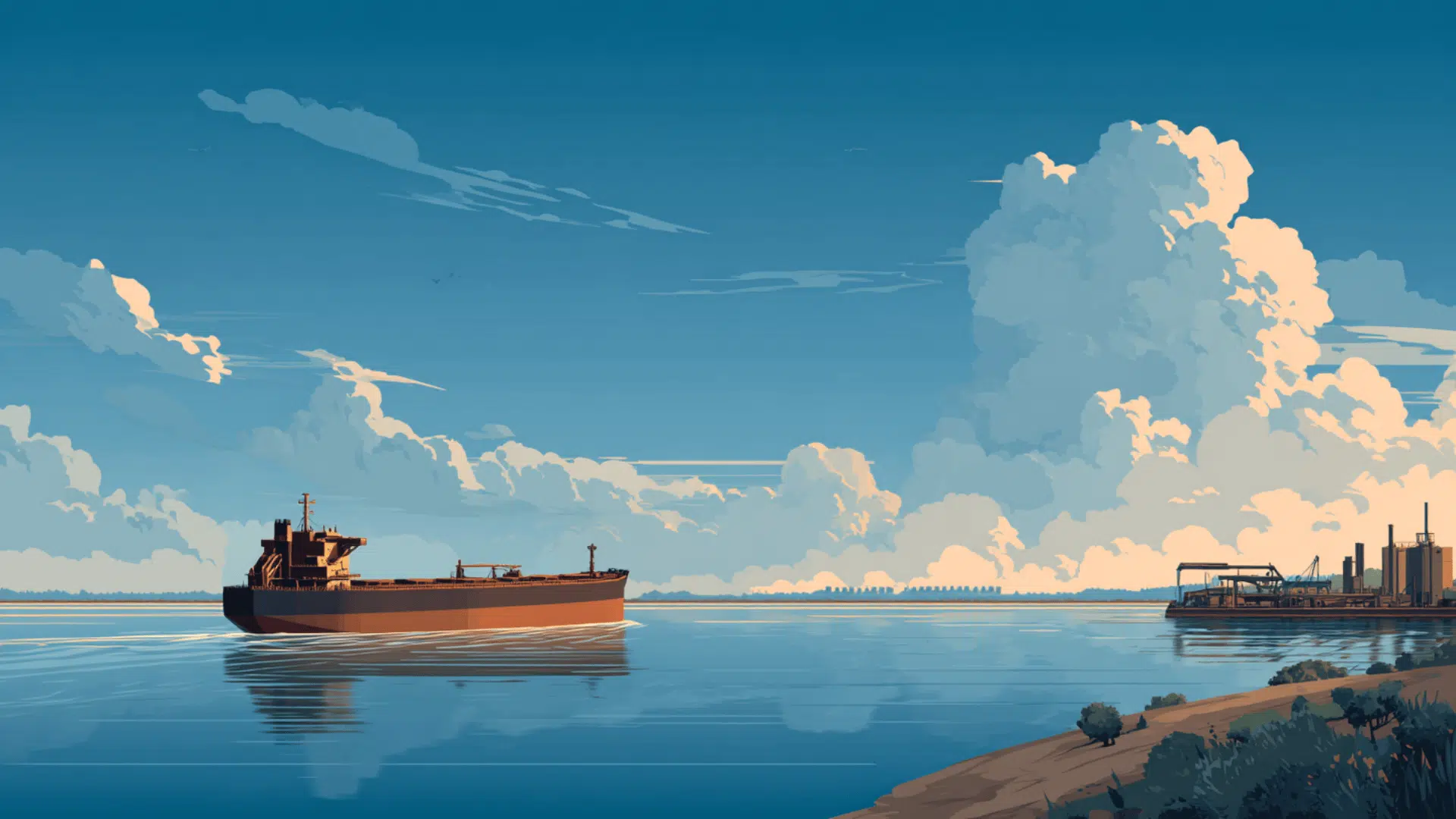
Water transportation moves across oceans, seas, rivers, and lakes. It relies on natural waterways or built ports.
Sea transport includes cargo ships, tankers, and passenger ships. Inland water transport uses barges and river boats. These systems move massive amounts of goods with low fuel use per unit.
Water transport works best for heavy or bulky items that are not time-sensitive. Raw materials, fuel, and large equipment often move this way.
The advantages are cost efficiency and capacity. The limits are speed and route access. Waterways don’t reach everywhere, and travel times are long.
3. Air Transportation

Air transportation moves through the sky using airplanes and helicopters. It focuses on speed.
Passenger air travel connects distant places quickly. Cargo planes move high-value or urgent goods like medical supplies and electronics.
The speed comes with tradeoffs. Fuel costs are high. Capacity is limited compared to ships or trains. Airports also require large investments and strict rules.
Air transport makes sense when time matters more than cost. It rarely replaces other systems. It usually works alongside them.
Specialized Transportation Types Outside Land, Water, and Air
Some transportation types don’t fit neatly into land, water, or air. They exist to solve specific problems that major systems can’t handle well.
4. Space Transportation
Space transportation operates beyond Earth’s atmosphere using rockets and spacecraft. It moves satellites, research equipment, and people into orbit or deep space.
This system supports communication networks, scientific research, and exploration. Extreme cost, risk, and technical demands keep its use limited to specialized missions.
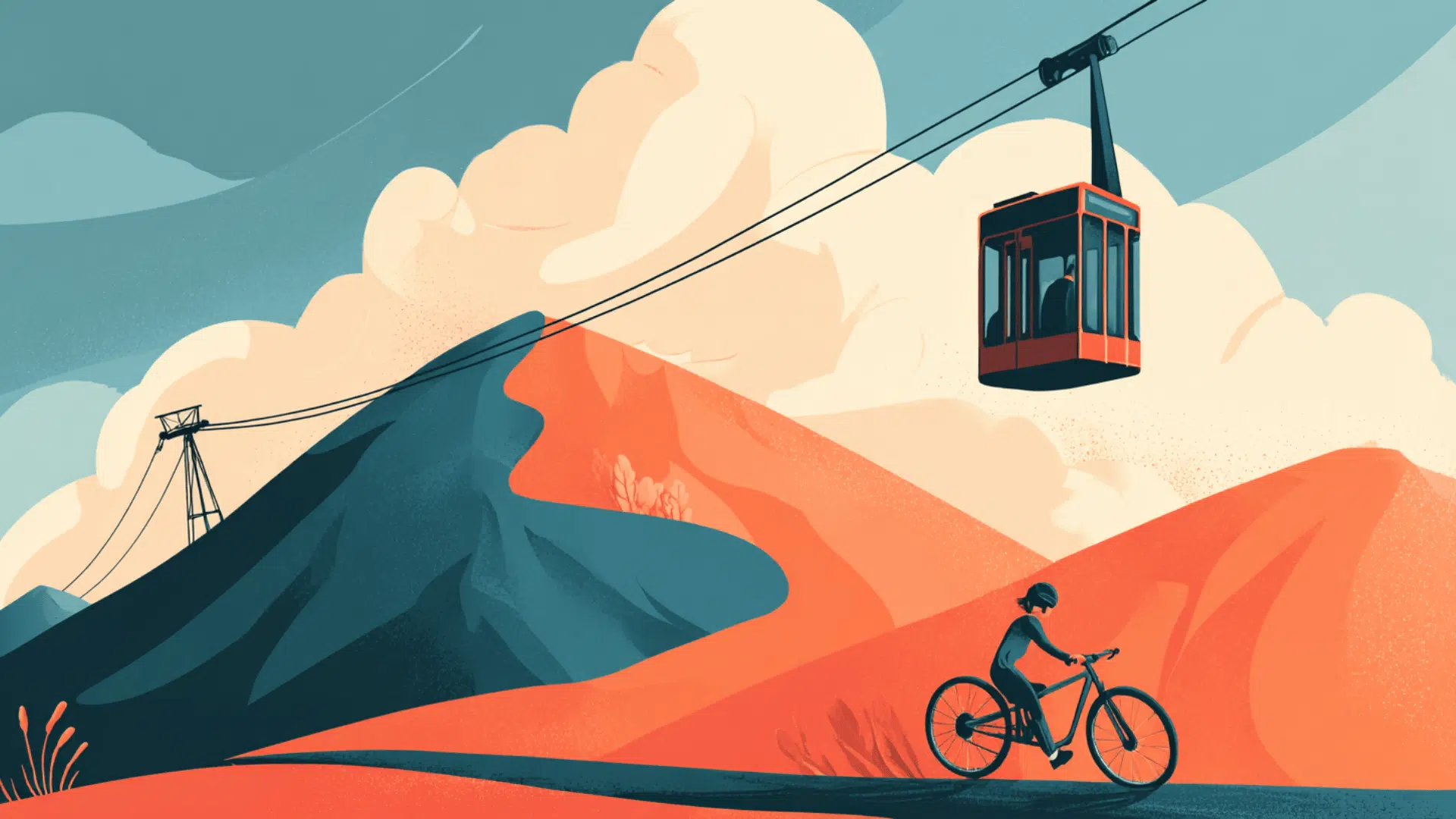
5. Cable Transportation
Cable transportation moves cabins or chairs along suspended cables. Common examples include cable cars, gondolas, and chairlifts.
These systems solve problems in steep, crowded, or uneven terrain where roads are impractical. They are widely used in mountain regions and dense urban areas with elevation changes.
6. Human-Powered Transportation
Human-powered transportation depends entirely on physical effort. Walking, cycling, skateboarding, and rowing are common examples.
These methods work best over short distances and require minimal infrastructure. They produce little environmental impact but are limited by speed, endurance, and load capacity.
7. Animal-Powered Transportation
Animal-powered transportation relies on animals such as horses, camels, donkeys, or dogs to move people or goods.
It remains practical in rural, desert, and cold environments where fuel access, roads, or mechanical systems are unreliable or unavailable.
How Intermodal and Multimodal Transportation Work Together
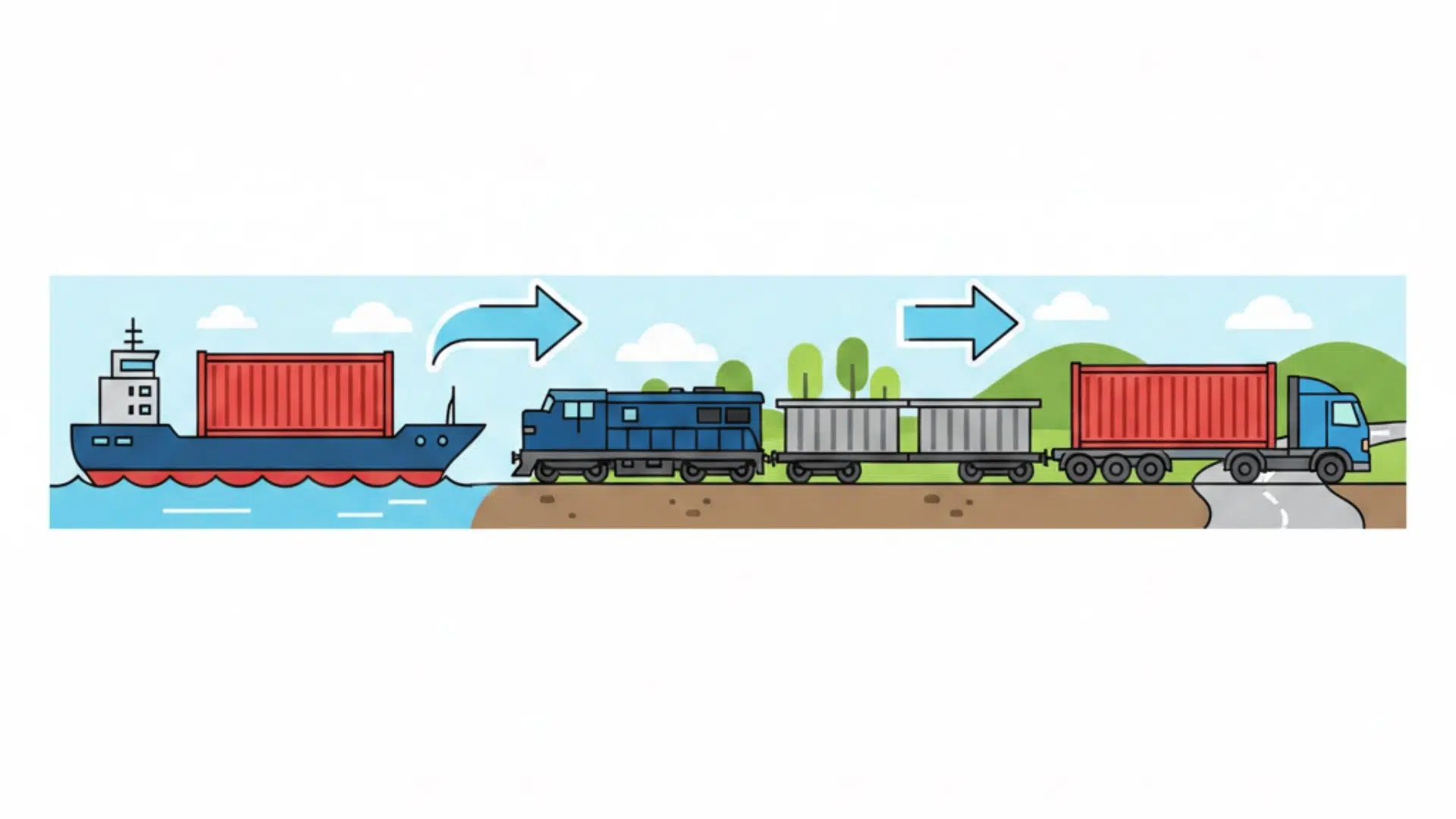
Intermodal transportation uses more than one mode in a single journey, but each part stays separate. A shipping container might move by ship, then rail, then truck.
Multimodal transportation also uses multiple modes, but under one coordinated system. Planning and responsibility stay unified.
| Aspect | Intermodal Transportation | Multimodal Transportation |
|---|---|---|
| Number of transport modes | Uses two or more transport modes | Uses two or more transport modes |
| Responsibility | Each mode is handled by a separate provider | One provider manages the entire journey |
| Contracts | Multiple contracts, one for each mode | Single contract covering all modes |
| Coordination | Coordination happens between different operators | Coordination is centralized and planned together |
| Risk handling | Risk transfers at each mode change | Risk stays with one responsible party |
| Flexibility | High flexibility to swap providers | Less flexible but more controlled |
| Common use cases | International shipping with many carriers | End-to-end logistics services |
| Business advantage | Cost control and provider choice | Simpler management and accountability |
Businesses use these systems to balance cost, speed, and access. No single mode solves every problem. Combining them reduces risk and improves reach.
Types of Transportation by Use Case
Choosing transportation often depends on what you are trying to move and how far.
1. Transportation for People
People-centered transportation is shaped by time sensitivity and comfort. Commuters value reliability and frequency. Long-distance travelers value speed.
Cars, buses, trains, and planes dominate because they balance convenience, safety, and predictable scheduling. When these systems fail, productivity and daily routines break down quickly.
2. Transportation for Goods
Goods transportation is driven by economics. Volume, weight, and repeatability matter more than speed.
Ships, trains, trucks, and pipelines succeed because they reduce cost per unit over time. Faster options are used only when delays threaten revenue, safety, or supply stability.
3. Transportation for Short Distances
Short-distance movement rewards low setup and flexibility. Walking, cycling, cars, and local buses outperform complex systems because delays outweigh speed gains. Efficiency comes from simplicity, not advanced infrastructure.
4. Transportation for Long Distances
Long-distance transportation prioritizes endurance and scale. Trains, ships, and planes move people or goods efficiently over time.
Transfers between modes are expected and planned, allowing systems to balance reach, cost, and reliability.
How Transportation Types Compare in Real-World Use
Different transportation modes solve different problems. This comparison brings the tradeoffs into focus, showing how speed, cost, and scale shift depending on the system being used.
| Mode | Speed | Cost | Capacity | Distance Fit | Environmental Impact |
|---|---|---|---|---|---|
| Road | Medium | Medium | Medium | Short to medium | Medium |
| Rail | Medium | Low | High | Medium to long | Low |
| Water | Low | Very low | Very high | Long | Low |
| Air | High | High | Low | Long | High |
| Pipeline | Low | Very low | Very high | Long | Low |
No mode is “better” across every category. Each one trades speed, cost, and impact differently. Understanding those tradeoffs helps explain why transportation systems are combined rather than replaced.
Transportation Examples from Around the World
Transportation systems look very different once you step outside a single country. Geography, population patterns, resources, and history all shape what works and what doesn’t.
- Dense urban cities: Subways, buses, and commuter trains move large numbers of people efficiently, reducing congestion and making daily travel possible where space for roads and parking is limited.
- River-based regions: Barges and riverboats carry heavy goods deep inland, offering a low-cost, reliable option where rivers provide natural routes that roads or rail lines cannot easily replace.
- Island nations: Ships handle most goods movement, while airplanes connect people quickly. Limited land access makes water and air transport essential rather than optional.
- Desert and remote areas: Animal-powered transport and off-road vehicles remain practical where fuel stations, paved roads, and maintenance infrastructure are scarce or unreliable.
- Mountain regions: Cable cars, funiculars, and narrow-gauge railways overcome steep terrain, providing consistent movement where roads would be unsafe or expensive to maintain year-round.
Across the world, transportation evolves to match conditions, not ideals. Systems succeed because they fit their environment, economy, and people, not because they follow a universal model
Wrapping Up
Transportation becomes clearer once you stop looking for a single best answer. Each system exists because it solves a specific problem under specific limits.
Speed, cost, distance, and access all pull in different directions. Understanding how these forces interact helps remove confusion and bad assumptions.
When you see transportation as a set of tools instead of a ranking, choices make more sense.
If you want to keep learning, pay attention to how different systems connect in daily life. That awareness builds real confidence when thinking about transportation and how it shapes the world around you.
Frequently Asked Questions
How does transportation affect the daily costs of living?
Transportation shapes fuel prices, food costs, and delivery fees. Efficient systems lower prices, while delays and long routes quietly raise everyday expenses.
Why do some countries invest more in public transportation than others?
Population density, fuel costs, land limits, and income levels matter. Dense cities benefit more from shared systems than spread-out regions built around personal vehicles.
How does the weather influence transportation choices?
Weather affects safety, speed, and reliability. Snow favors rail over roads, storms disrupt air travel, and droughts limit river transport, forcing shifts between modes.
What role does transportation play in emergency response?
Fast, reliable transport saves lives. Roads, helicopters, and aircraft determine how quickly medical teams, supplies, and evacuations can reach people in crisis situations.