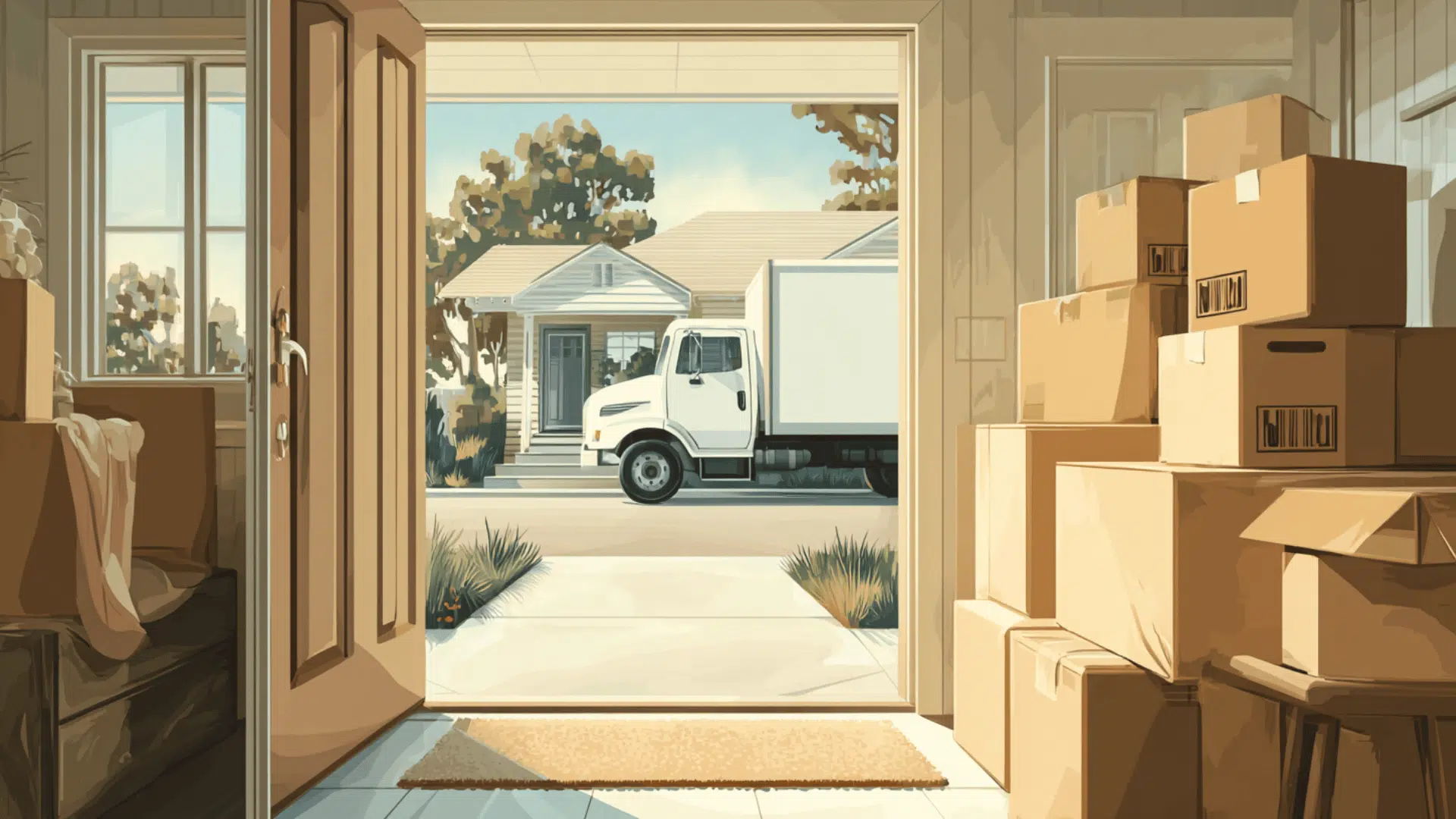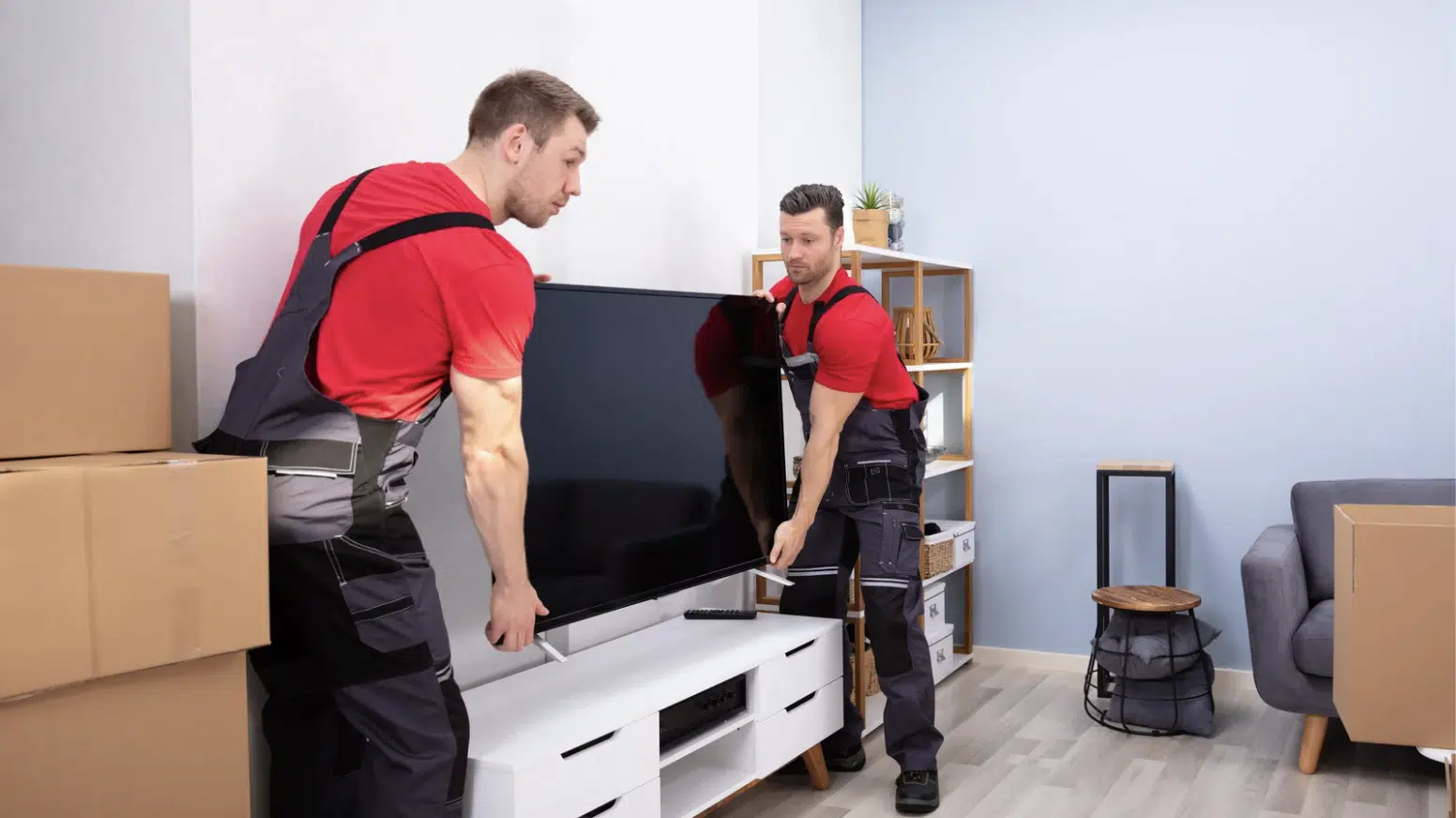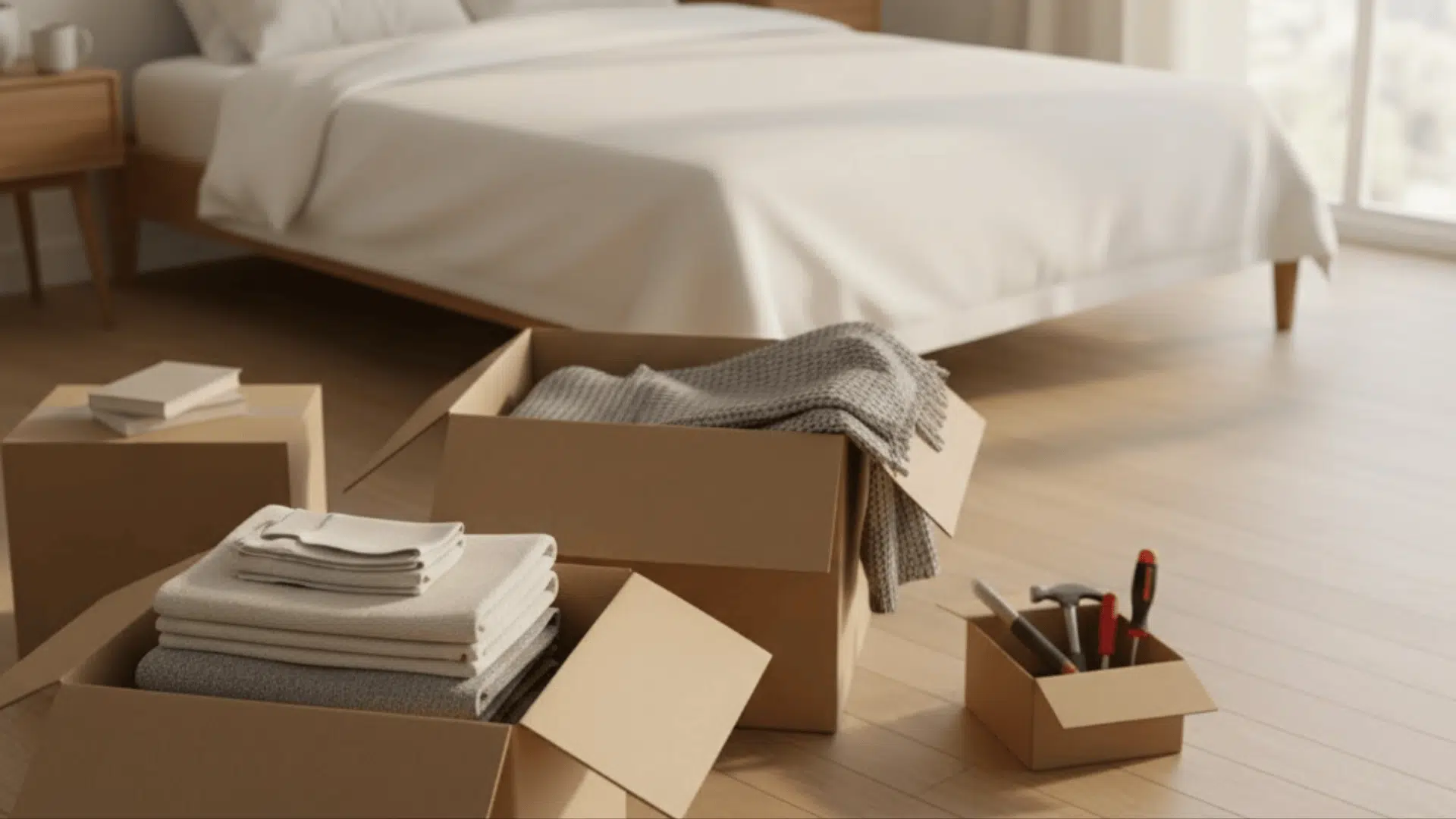
Moving into a new house hits you in a way few other life changes do. Everything’s new, everything’s unfamiliar, and you’re trying to get your head around a dozen moving parts at once.
What helps most is understanding the rhythm of the whole process.
There’s the early prep where you clear space and get ahead of the chaos, the week-before stretch where small details matter more than people realize, and the first few days that decide how smoothly the home settles around you.
This guide walks you through all of that in a way that actually makes sense, step by step.
What to Do 30 Days Before Moving
This is the part of the move where everything still feels calm on the surface, but you can already tell things are about to ramp up.
Thirty days out is basically the foundation phase. If you get this part right, the rest of the move gets way easier. You’re not trying to finish the whole job here. You’re just setting the board so nothing punches you in the face later.
Think of it like clearing space in your head. You’re getting rid of the extra stuff, lining up the big decisions, and putting the early pieces in motion. A lot of people skip this stage or do it halfway, and that’s why moving day turns into a mess. This is where you avoid that.
So here’s what actually needs doing at this point:
- Decluttering: Clear out anything you don’t want to bring with you. Old clothes, random cables, things you forgot you even owned. It’s easier to deal with it now than haul it to a new place for no reason.
- Packing the low-priority stuff: You’re not touching the daily things yet. This is the early packing stage: seasonal items, decor, books, extra bedding, spare kitchen stuff. Just enough to start clearing space.
- Setting up a rough packing timeline: You don’t need every detail. Just a loose schedule so you’re not packing your entire life in 48 hours. Mark the big checkpoints: 30 days, 14 days, 7 days.
- Labeling system: Keep it simple. Room name, quick description. Dark marker. Couple sides of the box. You’ll thank yourself later.
- Movers or DIY decision: Decide now. Movers book out fast. DIY needs friends you can trust and a vehicle. Either way, lock the plan so nothing slips.
- Floor plan of the new place: Doesn’t have to be a blueprint. Just a rough idea of where major furniture will go. It removes so much guesswork on moving day.
- Measuring furniture: Measure the big stuff. Measure the new doorways. Do the math. Saves you from discovering your couch has the turning radius of a boat.
- Documents folder: All the important papers stay with you. Lease, mortgage, IDs, insurance, contracts. One folder. Keep it clean and reachable.
What to Do One Week Before Moving

This is the point where the move stops being a future thing and starts feeling real. You’ve already done the big prep. Now you’re tightening everything up, so moving day doesn’t blindside you.
A week out is basically the “no loose ends” stage. Nothing fancy. Just making sure the critical stuff is locked in so you’re not scrambling when the truck shows up.
A lot of last-minute stress comes from small things people forgot to handle. This is where you clean that up.
Here’s the quick overview of what actually matters right now:
- Transfer utilities: Make sure the new place has power, water, gas, and whatever else you need before you walk in. You don’t want to spend your first night in a dark, cold house trying to find a flashlight.
- Trash and recycling setup: Get this arranged ahead of time. Moving creates an insane amount of cardboard and random waste. You don’t want it sitting around for two weeks.
- Internet installation date: This one catches people off guard. If you rely on internet for work, gaming, or even basic life stuff, book the install now. Tech appointments fill up fast.
- Address changes: Hit the important places first: post office, banks, employer, DMV, insurance. You don’t need every subscription updated yet, just the critical stuff so nothing important gets lost in the shuffle.
- Deep cleaning before moving in: It’s way easier to clean an empty place than one full of boxes and furniture. Wipe down cabinets, floors, appliances, and bathrooms. Just get the space feeling livable.
- Childcare or pet plans: Moving day is chaotic. Kids and pets don’t mix well with open doors, heavy furniture, and strangers walking around. Line up babysitting, daycare, or a friend who can help.
Moving Day Checklist

Moving day hits different. Everything you’ve been prepping for kind of collapses into one long, loud, busy stretch. Here’s the stuff that actually matters when the truck pulls up:
1. Essentials Box
This is the one box that should never leave your side. Not in the truck. Not with the movers. With you.Inside should be the things you’ll need the first night, the first morning, and anything that keeps you functional while everything else is still taped shut.
Usually, that means:
- Toiletries
- Towels
- Sheets and pillows
- A change of clothes
- Charger cables
- Basic tools
- Medication
- Snacks
- Cleaning wipes
- Toilet paper
- Important documents
- Small first-aid kit
If you’re thinking, “Should this go in the essentials box?” the answer is almost always yes.
2. What to Unpack First
Start with the places you actually use, not the ones that look nice.
- Kitchen: You don’t need a full setup. Just the basics so you can eat without tearing into ten boxes. A few plates, cups, utensils, and whatever you need for simple meals.
- Bathroom: Shower, towels, toiletries, a fresh roll of toilet paper. This alone makes the first night bearable.
- Sheets: Make the beds early. There’s nothing worse than being exhausted, surrounded by boxes, and realizing you still have to make the bed at midnight.
You’re not aiming for perfect. You’re just trying to make the place livable on day one.
3. How to Check Furniture and Boxes for Damage
Before movers leave, or before you return the rental truck, do a quick walkaround. Look for dents, scratches, broken corners, crushed boxes, and missing feet on furniture.
Open the boxes marked “fragile” first. If something’s damaged, you want to know now, not three days later when the claim window closes. Take photos. They help with insurance or mover claims.
4. How to Stay Organized
Moving day has a way of pulling you in five different directions. The trick is to keep the flow simple:
- Put every box in its correct room the first time. No “temporary” piles.
- Keep all trash (tape scraps, plastic, cardboard) in one spot.
- Put someone in charge of answering the “Where does this go?” questions.
- Keep pathways clear so you’re not zig-zagging around furniture.
- Don’t unpack randomly. Stick to the essential areas first.
Once the essentials are done, you can breathe a little. The rest of the boxes will wait. You don’t have to turn the place into a magazine spread on day one.
The First 48 Hours in Your New Home

The first two days in a new house are weird. You’re excited, you’re tired, and everything feels slightly out of place. This is the window where you get the house stable. Think of it like getting the house to a point where it actually works as a home, not just a building full of boxes.
Most people skip half of this stuff and end up backtracking for weeks. You don’t want that. These are the things that set the tone:
Safety and Security
This is the very first category you deal with. Before beds. Before the kitchen. Before anything. You want the home to be secure and predictable. Once that’s handled, everything else is easier.
- Change locks: Don’t assume old keys are accounted for. Previous owners, contractors, cleaners… anyone could still have a copy. Swap the locks on day one. Fast, simple, worth it.
- Reprogram garage codes: Garage openers are basically spare keys if you don’t update them. Reset the keypad, remotes, and any car integrations.
- Locate shut-off valves: Find the main water shut-off. Find the outdoor spigots. Find the hot-water valve. In an emergency, this saves you from a whole disaster.
- Identify circuit breakers: Open the panel. Test switches if they aren’t labeled. You want to know which breaker controls what before something trips in the middle of the night.
- Test smoke/CO detectors: Press the button. Listen for the chirp. Swap batteries if they seem weak. These get ignored until they fail, and that’s never when you want it to happen.
- Check fire extinguishers: Look at the pressure gauge. Make sure the needle is in the green. If the house didn’t come with extinguishers, grab a couple now.
- Install temporary security cameras or alarms: Even a basic setup helps. Door sensors. A couple of outdoor cameras. Something that gives you awareness while you’re settling in.
Comfort Setup
Once the house is safe, you shift into making it livable. You don’t need the whole place arranged. Just the key areas you actually use in daily life.
- Make beds: You’ll be exhausted by the end of the day. Having the beds ready makes everything feel less chaotic.
- Set up bathrooms: Toiletries, towels, shower curtain, mats. Once the bathroom is functional, the house feels way less stressful.
- Basic kitchen setup: Not the entire kitchen; just the basics so you can make coffee, heat food, and function like a normal person instead of a camper.
- Turn on HVAC systems: Check the heat or AC. Make sure everything actually works. Sometimes units get switched off, filters are clogged, or thermostats are out of whack.
- Check for leaks: Look under sinks. Around toilets. Behind the washer. Around the water heater. Small leaks turn into expensive problems if you miss them early.
Room-By-Room Unpacking Plan

This part is all about getting the house functional without burning yourself out. You’re not trying to unpack everything in one sweep. You’re just handling the rooms that actually matter early on.
1. Kitchen
This is usually the first real “work zone” you set up. Once the kitchen works, the house starts feeling normal again.
What to unpack first: Start with the everyday pieces: plates, cups, utensils, cutting board, skillet, pot, coffee setup. Just the basics. Enough to eat and cook simple meals without hunting through every box.
Must-have kitchen items new homeowners always forget:
Dish soap, sponges, trash bags, foil and plastic wrap, oven mitts, basic spices, a sharp knife, paper towels, lighter or matches, and a couple food storage containers. These seem small, but missing them makes the first few days way harder.
2. Bathroom
This one is quick but important. A functional bathroom is a huge stress reducer.
Towels, shower curtain, toiletries, medicine: Set all of this up right away. Hang the shower curtain, put out fresh towels, and drop your toiletries into place. Make sure any daily meds or first-aid items are easy to grab.
3. Bedroom
You want this room ready early. Sleep hits different after a move, and you’ll need it.
Bedding, lamps, blackout curtains: Make the bed first. Set up a lamp so you’re not using your phone flashlight at night. If you have blackout curtains, get those up; new houses never have the lighting you expect.
4. Living Areas
These don’t need a full setup right away, but a little structure helps the house feel settled.
Media setup: Get the TV or music system plugged in. Doesn’t need to be perfect; just something that makes the place feel lived in.
Storage solutions: Bins, baskets, shelves, whatever you use to keep clutter from spreading. Even a loose system helps you stay organized while you unpack the rest of the house.
Checklist for New Home Infrastructure
This is the part nobody gets excited about, but it’s the stuff that keeps the house running. Here’s the simple rundown:
- Electrical panel map: Open the panel and see if anything is labeled. If it’s not, test switches and make your own notes. Doesn’t have to be beautiful. Just something that tells you what each breaker controls.
- Breakers to replace: If you see loose switches, burnt smell, or anything that looks worn out, take a photo and plan to replace it. Cheap fix. Big stress saver.
- Air duct cleaning: If the previous owners never did it, schedule a cleaning. Dust, debris, and old allergens pile up fast. It makes the whole HVAC system run smoother.
- HVAC maintenance: Swap the air filter. Check the thermostat. Make sure both heating and cooling actually kick on. This alone catches a lot of hidden issues.
- Water heater settings: Look for the temperature dial. Aim for around 120°F. Hot enough for comfort. Not hot enough to scald someone. Also check for any small leaks around the base.
- Plumbing inspection: Run each faucet. Flush each toilet. Check under sinks. Look for drips, slow drains, or water stains on the floor. Small plumbing problems get expensive quickly.
- Sump pump check: If your house has one, pour a bit of water into the pit to make sure it kicks on. If it doesn’t, fix it sooner rather than later. Floods don’t wait.
- Attic and roof quick inspection: Pop into the attic. Look for damp spots, daylight through boards, or sagging insulation. Outside, scan the roof for missing shingles or soft spots. You’re just doing a quick visual; enough to catch anything obvious.
Important Administrative Tasks in the First Week

Once the house is livable and the essentials are set, the first week is where you handle all the background stuff that keeps life running smoothly. Here’s what you knock out during that first week:
- Update insurance: Home insurance, renters insurance, car insurance, whatever applies. Switch the address, update coverage if needed, and make sure the new place is fully protected.
- Register for local services: This could be trash pickup, water billing, local permits, parking rules, whatever your area uses. Some places make this easy. Others bury it behind six different websites. Either way, get it done early.
- Meet neighbors: You don’t need a block party. Just a quick intro. A wave. Names exchanged. These are the people who’ll grab your packages or tell you when a storm knocks out the power line down the street.
- Find nearby essentials (hospitals, grocery stores, vet, etc.): Spend a little time driving around. Learn where the nearest ER is. Grocery options. Gas stations. Pharmacies. A vet if you’ve got pets. Knowing these ahead of time saves you when something comes up.
First-Time Homeowner Mistakes to Avoid
This part is all about the stuff people overlook. Not because they’re careless, but because nobody tells you how many small things can snowball into big, expensive problems. Here’s what you don’t want to miss:
- Not changing locks: Old keys float around. Contractors, cleaners, previous owners; anyone could still have access. Swap the locks right away. Cheap fix. Big peace of mind.
- Ignoring HVAC filters: Filters get clogged faster than you think. When they’re dirty, the system works twice as hard and sometimes just burns out. Replace them early. Replace them often.
- Skipping duct cleaning: If the ducts haven’t been cleaned in years, you’re breathing whatever the last people left behind. Dust, pet hair, random debris. Cleaning them makes the whole system more efficient.
- Not checking the water heater: Look at the temperature, look for leaks, and listen for odd sounds. A failing water heater gives warning signs long before it quits. Catching them now saves you from a cold shower later.
- Forgetting a maintenance schedule: Houses break when you ignore them. Filters, gutters, smoke detectors, seasonal checks; they all matter. A simple checklist keeps everything predictable instead of chaotic.
If you’re planning a strenuous move‑out‑and‑move‑in and want the new place to feel fresh and ready the moment you walk through the door, investing in a professional Melbourne house cleaning service after the heavy lifting is done can save you hours of effort and help you actually enjoy the first weekend in your new home.
Wrapping Up
Moving into a new house always feels like a mix of excitement and overload, but once you see how each stage plays its part, everything becomes more manageable. The real win here is learning your pace and knowing what deserves your attention first.
Houses settle in the same way people do: one practical step at a time.
Give yourself room to adjust, pay attention to how the place functions, and you’ll notice the whole space starts working with you instead of against you.
If you’re ready to make this move feel smoother than your last one, start putting these steps into motion today.