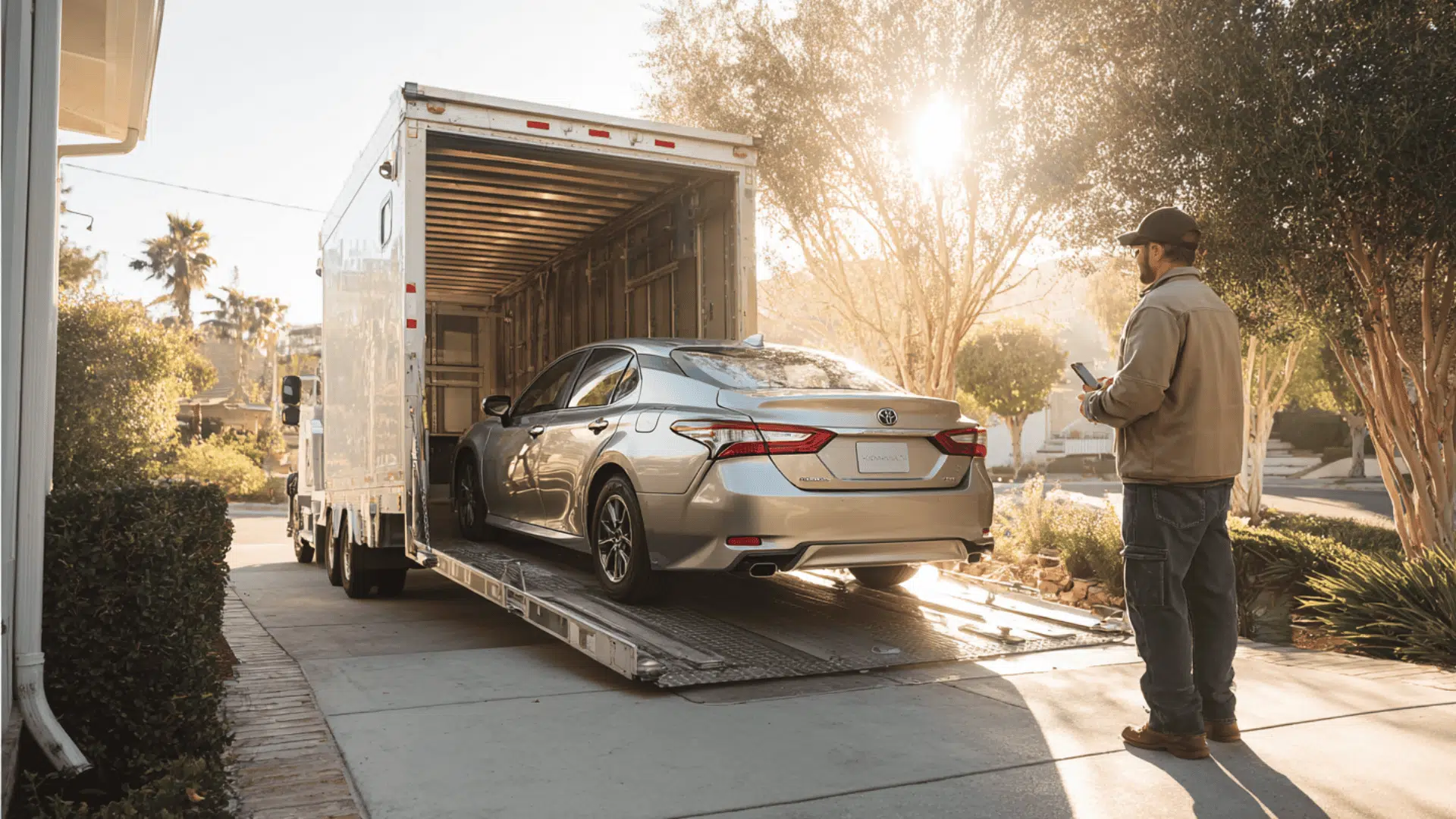
Shipping a car can feel unpredictable, and that’s why so many customers look at Nexus Auto Transport reviews before making a decision.
The experiences vary, but there’s enough detail out there to get a clear sense of how the service works once you break it down.
This guide takes those scattered opinions and turns them into something you can actually use. You’ll see how the company handles timing, communication, pricing, and what happens once a carrier gets assigned.
You’ll also get a realistic picture of who this service fits best. It all starts with one question most customers ask right away.
Is Nexus Auto Transport Legit?
Nexus Auto Transport is a real company. They ship cars nationwide and have a long track record.
They’re accredited by the Better Business Bureau with an A+ rating. That confirms they’re an established business with a history of handling customer complaints.
On Trustpilot, the score is strong, with most reviews pointing to good communication and a smooth process.
On Google, the reviews are more mixed. Plenty of people had good experiences. Others mention delays or issues with damage claims.
The company has been operating for several years. There’s enough public feedback to see consistent patterns, not just isolated stories.
One thing to know: Nexus works mainly as a broker, not a carrier. They arrange transport and match you with a driver. They don’t always own the truck that shows up. That’s standard in this industry, but it explains why experiences can vary.
So yes, Nexus is legitimate. The service exists. It’s active. People use it every day. The quality depends partly on the carrier assigned to your route.
What Customers Love About Nexus Auto Transport

A lot of reviews land in the same place. When things go right, the process feels simple. People like that. They book, hand off the car, and the rest just moves along without much effort on their part.
1. Communication and Professionalism
Most of the positive reviews point to the same thing. Clear updates. Quick responses. Drivers who call ahead. Agents who explain the timeline without making it complicated.
People like knowing where their car is. They like getting a heads-up before pickup or delivery. When communication is steady, the whole experience feels smoother.
2. Fast Pickup and Delivery
Another pattern: speed. Many customers say the car was picked up earlier than expected or showed up ahead of schedule. Even on long routes, the turnaround time surprised people.
You see this most often on common transport lanes. Popular routes tend to move faster because carriers are already nearby. When that lines up, the process feels efficient.
3. Competitive Pricing
Nexus often comes in lower than some major competitors. Not always the cheapest, but close enough to catch attention. People who shop around usually notice that.
Prices tend to be better when you’re flexible with timing or using an open carrier. That’s the budget-friendly option most customers choose. If you want the lowest quote, those conditions help.
4. Features: GPS Tracking, Instant Quotes, Door-to-Door
Small things add convenience. GPS tracking gives you a sense of where your car is without waiting for an update. Instant quotes speed up the decision. Door-to-door service cuts out extra steps at terminals.
All of that reduces friction. Less guessing. Fewer errands. It makes the process feel modern and easy, which is why people highlight these features in reviews.
Common Complaints and Red Flags About Nexus Auto

Not every review is positive. Some patterns show up enough that they’re worth paying attention to. Most of them come down to timing, damage concerns, or confusion about policies.
1. Reports of Vehicle Damage
A fair number of complaints mention scratches, dents, or cracked bumpers. This happens more with open carriers. The car is exposed to weather, rocks, and debris. It’s the cheaper option, but it carries more risk.
When damage happens, the dispute process can feel slow. Nexus acts as a broker, so the claim often goes through the carrier. Customers sometimes feel stuck between both sides. The carrier may say the damage was pre-existing. Nexus may say they’re waiting on the carrier. That back-and-forth is what frustrates people the most.
2. Delivery Delays
Delays come up a lot too. Some routes move slower, especially in less populated areas. Seasonal changes make it worse. Winter storms. Holiday traffic. Peak summer moves. All of it slows carriers down.
People expect a tight delivery window. Auto transport doesn’t always work that way. When the date slips, even by a few days, customers get upset. The reviews reflect that.
3. Deposit and Cancellation Concerns
Some customers say they didn’t know the deposit was nonrefundable. Others say the cancellation fees weren’t clear. The policy itself isn’t unusual for a broker. But the communication around it seems inconsistent based on reviews.
The basic setup is simple. You pay a deposit to secure a driver. If you cancel after a carrier accepts the job, the fee may stick. People run into trouble when they assume the deposit works like a hotel reservation. It doesn’t.
4. Customer Service During Disputes
This is where you see the biggest complaints on BBB and Reddit. When everything goes well, customers praise the communication. When something goes wrong, they feel the opposite. Slow responses. Delayed answers. Difficulty getting updates once a problem starts.
It’s the shift that stands out. Smooth at the start. Harder when there’s an issue. That contrast is what leads to a lot of negative reviews.
How Much Does Nexus Auto Transport Cost?
Pricing isn’t fixed. It moves around based on timing, location, and the type of carrier you choose. Nexus usually lands in the mid-range. Not the cheapest or the highest. Most people say the quotes feel reasonable for what you get.
1. Cost Examples From Real Quotes
You see similar numbers across different review sites. Shorter routes can land somewhere in the $600 to $900 range. Cross-country trips often fall between $1,200 and $1,800.
Larger vehicles push those numbers up a bit. Enclosed carriers can double the price in some cases. These are common ranges, not exact rates.
2. Factors That Increase the Price
Season matters. Summer brings higher demand. Winter storms slow things down and raise prices on certain routes. Distance is a major factor, too. The longer the haul, the higher the cost. Vehicle type also plays a role. Bigger vehicles take up more space and add weight.
Pickup and drop-off locations matter as well. Major cities cost less. Rural areas cost more because drivers have to go out of their way.
3. Open vs. Enclosed Pricing
Open carriers are the cheaper option. Most customers choose them. Enclosed carriers cost more because they offer better protection.
If you’re moving a luxury car, classic car, or something low to the ground, enclosed makes sense. Otherwise, open is fine. Just know the price difference is significant.
Nexus Auto Transport vs. Competitors
| Company | Pricing Range | Communication | Delivery Consistency | Notable Features | Best For | Satisfaction (Est.) |
|---|---|---|---|---|---|---|
| Nexus Auto Transport | $600–$1,800+ | Steady updates, good in-transit communication | Often on time, varies by carrier | GPS tracking, instant quotes, door-to-door | Balanced needs, clear tracking | Moderate to High |
| Montway | $650–$1,900+ | Reliable, less tracking-focused | Strong on major routes | Large carrier network | Established, wide-coverage choice | Moderate to High |
| Sherpa | $800–$2,200+ | High-touch, structured support | Strong due to scheduled commitments | Price lock, delivery-date focus | Predictable pricing and timing | High |
| AmeriFreight | $700–$2,000+ | Solid, guidance-focused | Consistent, good for specialty moves | Protection plans, specialty vehicle support | High-value or unique vehicles | Moderate to High |
| RoadRunner | $600–$1,900+ | Strong early communication, mixed after delivery | Reliable on common lanes | Modern booking flow | Fast booking, simple setup | Moderate |
Real Customer Review Analysis (Current Data)

Reviews from the last few years line up in a pretty clear pattern. When the timing works out and the carrier shows up as scheduled, the whole thing feels simple.
When something slips, the issues usually come down to delays, damage questions, or unclear expectations around deposits. Every platform repeats the same themes.
1. Trustpilot Summary
Trustpilot leans positive. A lot of customers mention smooth handoffs and steady communication.
“I shipped my Frontier to New Jersey… I was very pleased with Nexus and would recommend them.”
“Simple, easy, reliable and fast. Called, received a competitive quote…”
“Everything has been super smooth. Communication is A+. Pricing with no hidden costs…”
Most of the concerns on Trustpilot show up when delivery windows change.
“They picked up the car over 2 hrs late… I was told I’d get the car that day, then it became the next day.”
The highs and lows are pretty consistent. When the timing stays tight, the process feels clean. When it slips, frustration rises fast.
2. Google Reviews Summary
Google reviews sit right in the middle. Plenty of customers describe a straightforward experience.
“Booking the move was easy, and their communication through the move was constant and clear. My vehicle showed up ahead of schedule.”
“The best company ever… They keep in touch with updates of my delivery.”
“On time, courteous, safe transportation of my car… Highly recommend.”
The negative side is sharper here, especially around damage disputes and support afterward.
“After discovering noticeable damage… the level of support I received afterward was underwhelming.”
The volume is high, which makes patterns easier to see. The process feels reliable when nothing goes wrong. When something does, customers want faster answers.
3. Reddit Experience Patterns
Reddit threads match what shows up everywhere else. Some drivers say the whole thing was smooth from pickup to drop-off. Others talk about missed windows, unclear delivery timing, or confusion about deposits.
The recurring issue is expectation. If the schedule shifts or the policy isn’t clear from the start, frustration builds.
4. BBB Complaints Breakdown
The BBB page is where the tougher cases land. You see long delays, cars sitting longer than expected, and disagreements about damage or cancellations.
“Pickup and delivery exactly like they promised. Love the respect and professional service.”
“I needed to move a vehicle last minute… the driver was cautious and gave updates.”
And then the opposite end of the spectrum:
“I still haven’t seen my vehicle and Nexus Auto Transport has been exactly 0 help. Communication has been terrible.”
“A complete disaster from start to finish… Nexus failed to deliver the enclosed carrier I explicitly contracted for.”
The complaints aren’t random. They almost always tie back to timing, damage responsibility, or deposit rules. When those pieces drift, the support experience becomes the sticking point.
What to Expect When You Book With Nexus

The whole process follows a pretty standard pattern. Once you know the steps, it feels a lot easier to handle.
Most of the surprises customers run into come from not knowing what happens when, or who’s responsible for what. This keeps it simple.
1. Before Booking
You start with a quote. It moves around based on timing, distance, and the type of carrier you choose.
Once you accept it, Nexus takes a deposit to lock in a driver. That part catches some customers off guard, so it’s worth knowing upfront. The final price can still shift a bit depending on the carrier that accepts your route, but the quote gets you close.
Scheduling is flexible. You get a pickup window, not an exact time. Carriers build their routes dynamically, so those windows can stretch or tighten depending on traffic, weather, and earlier stops.
If you go in expecting a window instead of a precise hour, the whole thing feels less stressful.
2. Pickup Day
When the driver arrives, the first thing that happens is an inspection. Both sides look over the car and note the condition. Scratches. Small dents. Anything noticeable. This matters because it’s the reference point for delivery.
The driver logs everything on a form, and you get a copy. It takes a few minutes, but it’s important.
Once the inspection is done, the car gets loaded, and the driver gives you a rough sense of the timing. It won’t be exact. Just a general idea of how the route looks.
3. Transport Tracking
While the car is on the road, you can follow it through GPS updates. It’s not a perfect, movie-style live feed, but more like location points that refresh as the driver moves.
It helps you get a sense of progress without having to call anyone. If something slows the route down, you’ll usually see it reflected in the timeline.
4. Delivery Day
Delivery works almost the same way as pickup. The driver arrives, unloads the car, and walks through a final inspection with you. This is where the original notes matter. If something looks different, this is the time to point it out.
Payment usually wraps up here too. Most carriers take payment on delivery unless the contract says otherwise. Once everything checks out, you sign the final form, and the job is done.
How to Avoid Problems When Using Any Auto Transport Broker
| Step | What to Do | Why It Matters |
|---|---|---|
| Documenting Vehicle Condition | Take clear photos of all sides, close-ups of existing marks, and anything noticeable | Creates proof of the car’s condition before pickup and protects you during damage claims |
| Understanding Contracts | Read the sections on deposits, cancellations, and damage responsibility | Prevents surprises, especially once a carrier accepts the job and the deposit becomes locked in |
| Ensuring Flexible Delivery Dates | Plan around a delivery window instead of a specific hour | Routes shift often; flexibility avoids stress when timing moves |
| Choosing Open vs. Enclosed Shipping | Pick open for budget moves, enclosed for high-value or low-clearance vehicles | Sets realistic expectations about risk, protection, and price differences |
Who is Nexus Auto Transport Best For?
Nexus works well for certain types of customers and certain types of moves. The experience is usually smooth when expectations match how broker-based shipping actually works. Knowing where it fits and where it doesn’t helps avoid the usual headaches.
Best For
- Budget-focused customers: If price matters more than extras, Nexus usually lands in a comfortable mid-range. Quotes tend to be competitive, especially on common routes.
- Standard cars: Daily drivers, sedans, SUVs. Anything that doesn’t need special handling fits well into the open-carrier setups Nexus uses most often.
- Flexible timelines: Delivery windows shift. If you can roll with that, the process feels simple. Most of the positive reviews come from customers who didn’t need a strict day and time.
Not Ideal For
- Highly valuable vehicles: Luxury cars, classics, and show vehicles. These usually need enclosed carriers, controlled handling, and tighter guarantees. Nexus can arrange it, but the setup isn’t their strongest lane.
- Customers needing fixed delivery dates: If you need the car on a specific day, broker-style transport can feel unpredictable. Carriers adjust routes constantly. Anyone who needs exact timing is better off with a service that offers guaranteed scheduling.
Wrapping Up
Nexus Auto Transport reviews tell a wide story, but the core idea is simple. This service works well when you understand how broker-based shipping actually moves from quote to delivery.
The real advantage comes from knowing what you can control and what you can’t. Clear expectations lead to smoother outcomes, especially with timing and carrier assignments.
If you approach the process with that mindset, the experience feels far more predictable.
If you’re ready to compare options and see what your own route looks like, check current quotes now and decide what fits your timeline best.