
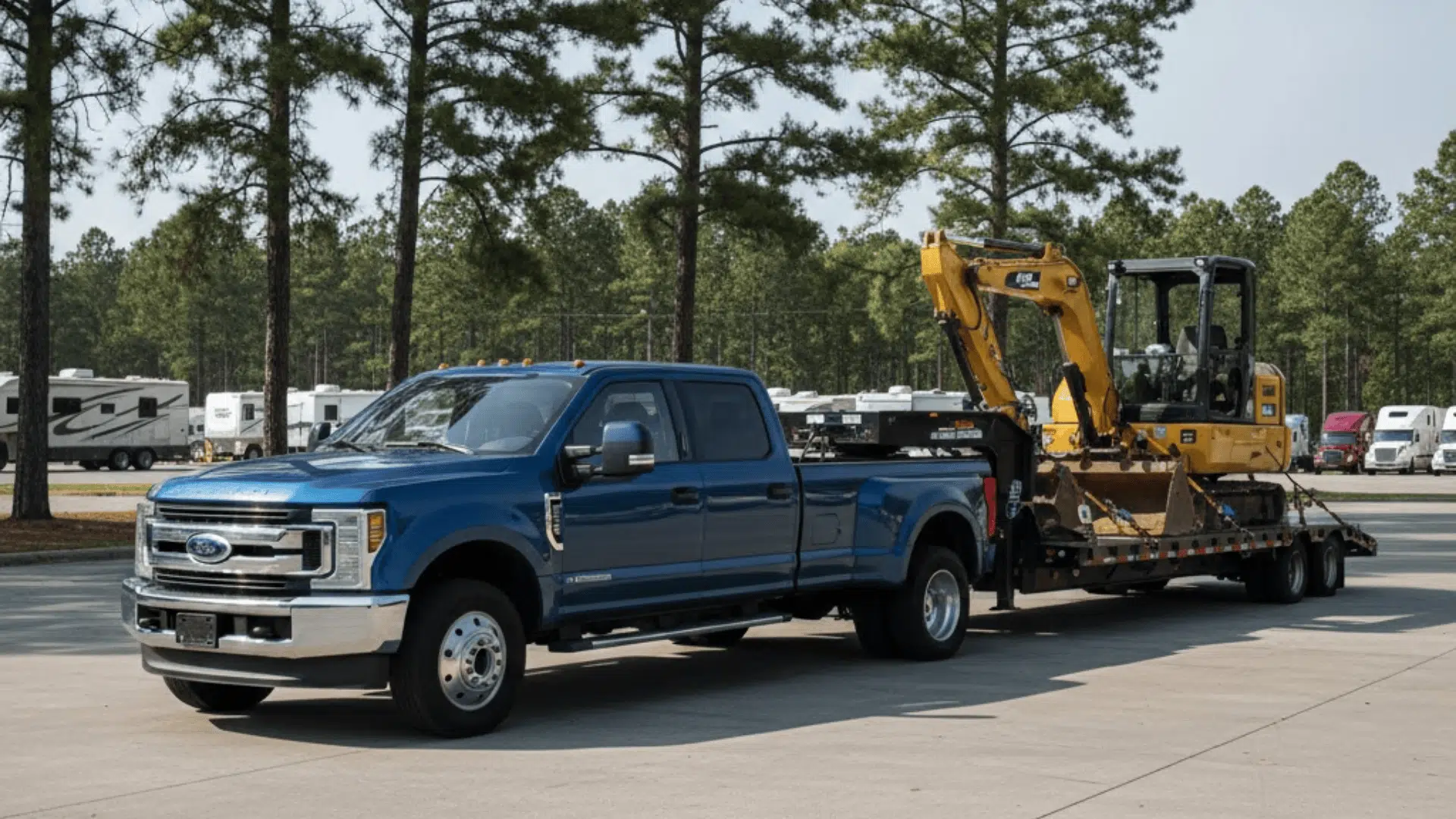
Hotshot trucking has become a go-to option for people who want to move smaller loads fast without dealing with the size and structure of traditional trucking.
It sits in this interesting middle ground where the gear is simple, the pace is quick, and the opportunities shift from day to day.
A lot of drivers look at it as a more flexible way to enter the industry, but the details matter more than most expect.
In this guide, I’ll walk through the setup, the costs, the workflow, and the real earning potential so you can see how the whole system works. Let’s start with the basics and get into what hotshot trucking actually is.
What is Hot Shot Trucking?
Hotshot trucking is basically a way to move smaller loads fast without needing a full-size semi. Think pickup trucks pulling flatbeds. Class 3 to 5 trucks. Stuff that can’t wait around. People call because something needs to get from point A to point B right now, not next week.
The folks who use hotshot drivers are usually in spots where delays cost money.
- Construction crews are missing a part.
- Oilfield teams need equipment right away.
- Dealerships moving cars.
- Smaller manufacturers are keeping jobs on schedule.
If something holds up the rest of the work, they call a hotshot.
It exists because big rigs aren’t always the right tool. They’re great for huge shipments, but they run on tighter schedules. More planning. More routing. Hotshot setups are quicker. More flexible. Easier to send out on short notice.
Compared to standard trucking, it feels a bit more personal and more direct.
You’re not filling an entire trailer. You’re not dealing with big freight networks. Loads are smaller, distances can vary a lot, and the whole idea is simple. Fast pickup. Fast drop-off. No waiting for a full truckload. Just get it there.
How Hotshot Trucking Works
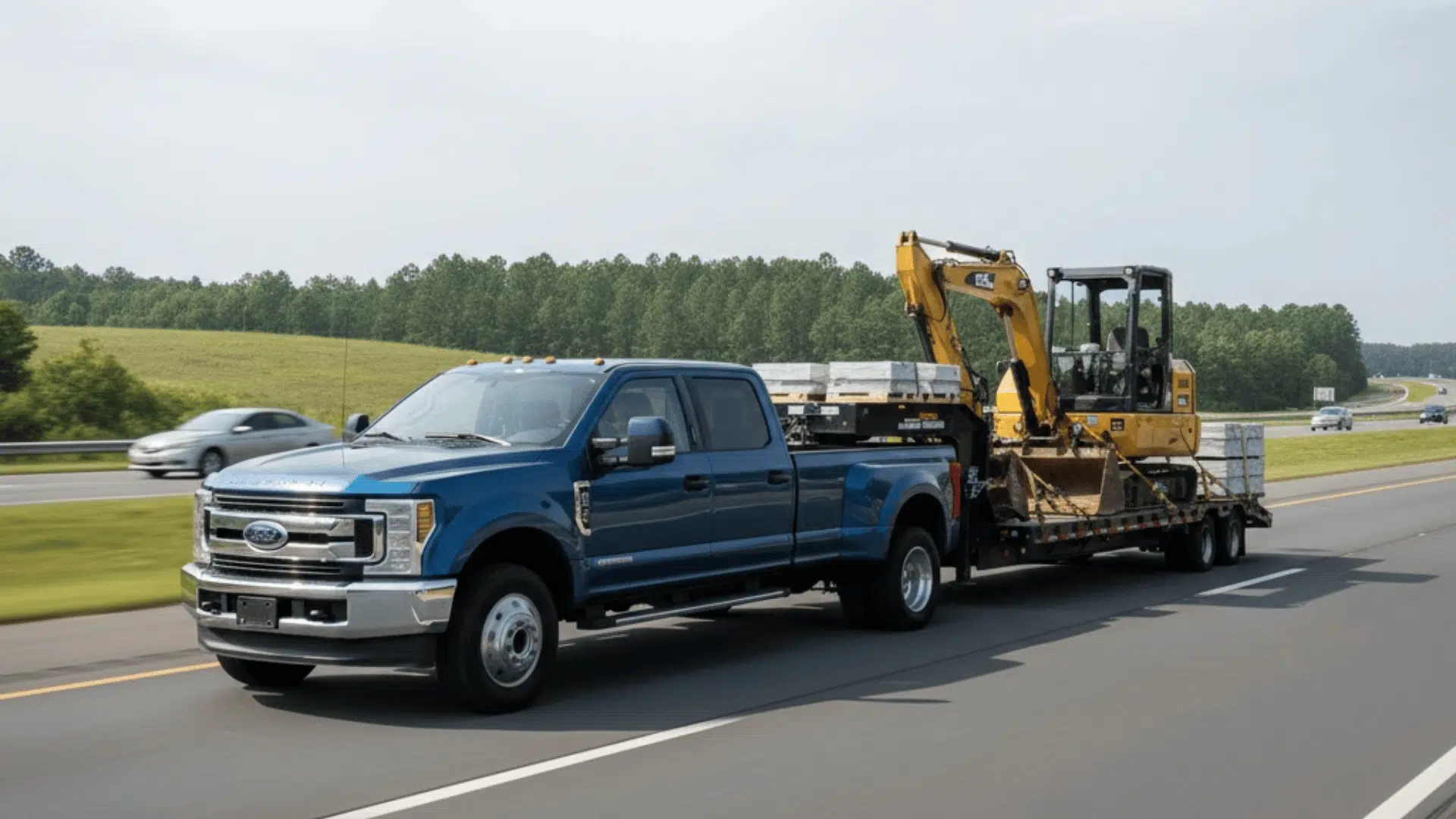
Hotshot trucking is pretty straightforward once you see the rhythm of it.
A load pops up on a board or through a direct client. You check weight, distance, and timing. If it fits your setup, you grab it. You pick it up fast, strap everything down, and head straight to the drop-off.
No terminals. No waiting for other freight. Just a direct run from start to finish. That’s the whole appeal. Quick in, quick out.
1. The Types of Trucks Used (Class 3–5)
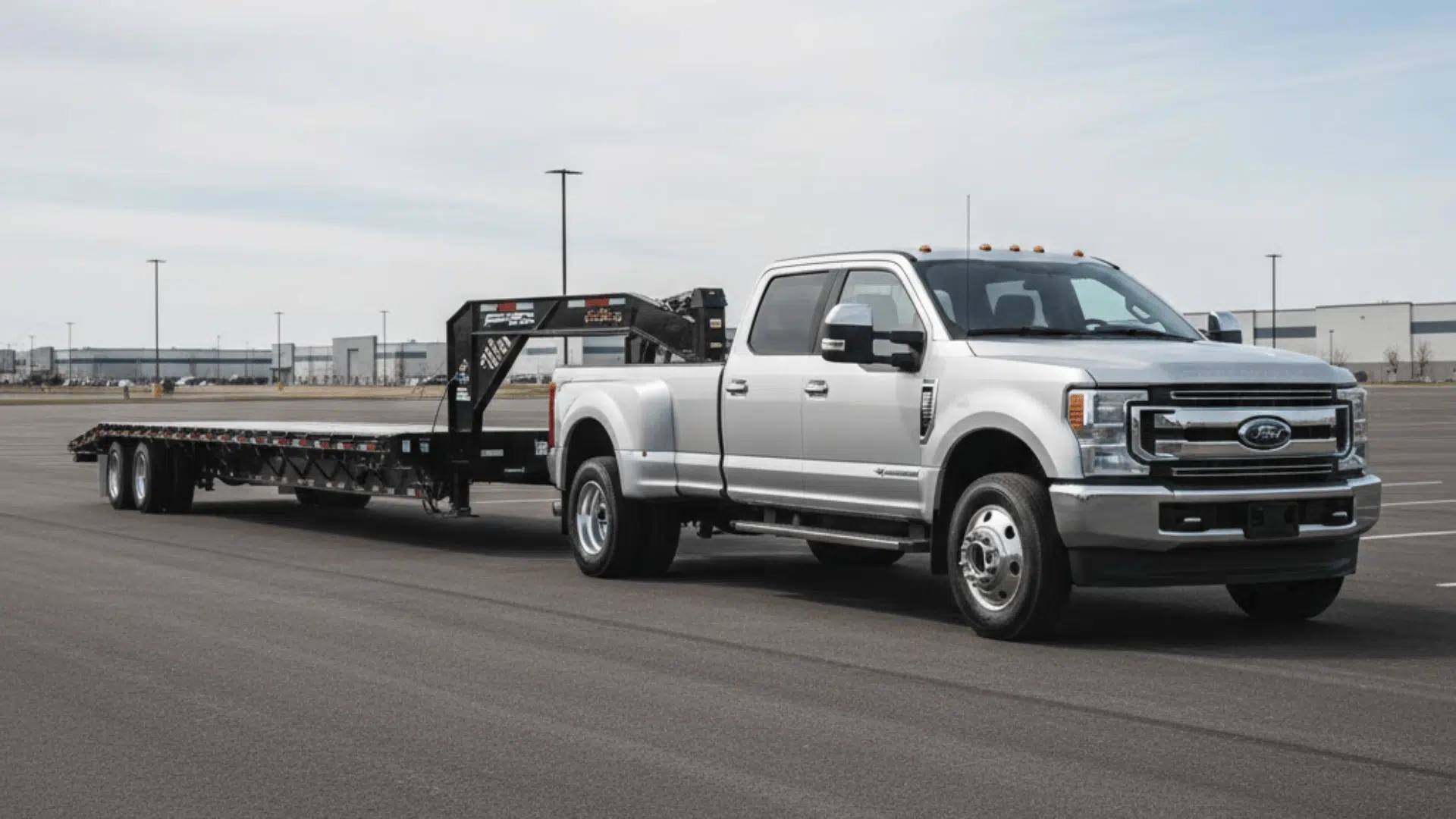
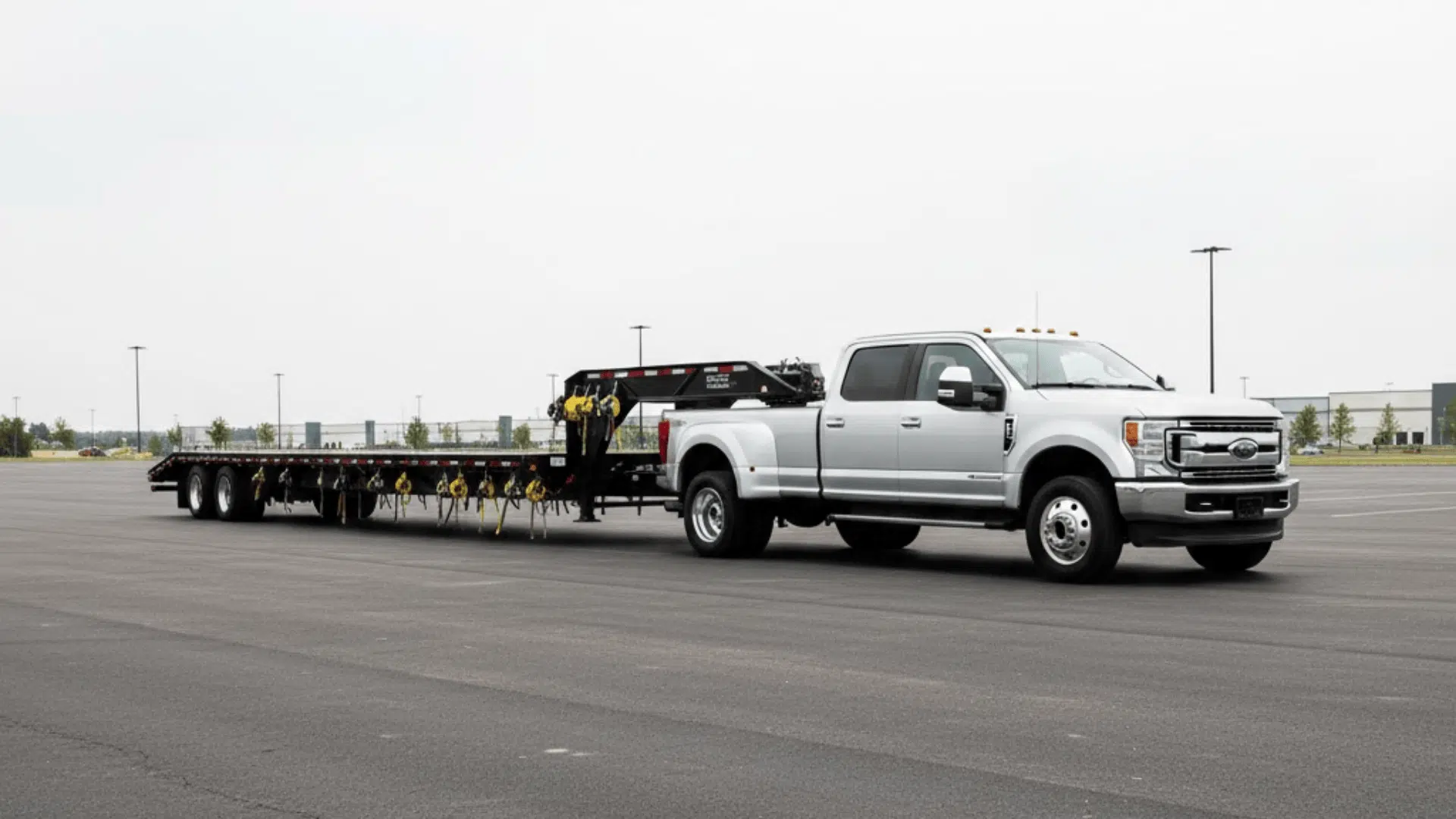
Most hotshot drivers use pickup trucks with real pulling power. The common ones are the Ford F-250 or F-350, and the Ram 2500 or 3500. They tow well, handle heavy trailers, and hold up to long miles.
Some drivers go dually. Two wheels on each side of the rear axle. Better stability. Better towing. Less sway with heavy loads. It’s great for bigger trailers or high-weight hauls.
Non-dually setups feel lighter and easier to drive daily, but they’re not as confident when the weight starts climbing. It really depends on the loads you plan to take.
2. Trailer Types and When to Use Each
- Gooseneck: This is the one a lot of hotshot drivers pick. More stability. Better turning. Handles heavy loads without feeling sketchy. If you’re running bigger freight or longer hauls, a gooseneck makes the job smoother.
- Flatbed: Simple and versatile. You can load almost anything on it as long as you secure it properly. Building materials, equipment, pallets. It’s the workhorse trailer.
- Bumper Pull: Easier to own. Easier to hook up. Not as strong as a gooseneck, but great for lighter or local runs. Good beginner setup if you don’t need to tow big numbers.
- Enclosed: Used when weather matters. Clients call for these when they don’t want their product exposed. Things like delicate equipment or protected freight. You won’t see as many in the hotshot world, but they do show up.
- Car Hauler: Pretty self-explanatory. Built for transporting vehicles. Dealerships, auctions, and private buyers use them a lot. Hotshot drivers doing car transport lean on these pretty heavily.
3. What Kind of Loads Hotshots Move
Hotshot freight covers a pretty wide range. A lot of it comes down to whatever needs to move right now.
Construction crews call for beams, lumber, or metal that they’re missing that day. Machinery and small equipment get moved between job sites. Cars get hauled for auctions or buyers. In oilfield areas, parts and tools are always moving around fast.
It’s all stuff that’s too important to wait for a full truckload. That’s why hotshot drivers stay busy.
CDL vs. Non-CDL Hotshot Trucking
Both paths get you on the road, but they’re built for different types of loads and different income ceilings. The main thing that separates them is weight, and everything else branches out from that point.
| Category | Non-CDL Hotshot | CDL Hotshot |
|---|---|---|
| Weight Threshold | Up to 26,000 lbs combined | Over 26,000 lbs combined |
| Truck/Trailer Size | Smaller, lighter setups | Larger trucks and heavy trailers |
| Insurance Cost | Lower premiums | Higher premiums due to coverage requirements |
| Job Opportunities | Lighter loads; more competition | Heavier loads; stronger demand |
| Profitability Potential | Moderate; weight limits cap earnings | Higher; access to better-paying freight |
| Startup Cost | Lower upfront cost | Higher due to equipment and CDL training |
| Regulation Level | Less oversight, still DOT compliant | Full FMCSA compliance |
| Best Fit | New drivers, smaller budgets | Drivers focused on long-term income growth |
Both options work. It just comes down to how much weight you want to haul and how far you want to take the business. If you’re aiming for higher-paying loads, the CDL path tends to open more doors.
Legal Requirements and Regulations for Hotshots
Hotshot trucking looks simple from the outside, but there are a few legal boxes you have to check before you can run loads. Once you understand the basics, it’s pretty manageable.
1. DOT Number & MC Authority
A DOT number is required if you’re operating commercially across state lines or hauling anything that falls under federal oversight. Most hotshot drivers end up needing one.
MC authority kicks in if you’re hauling interstate freight for hire. That’s when you’re officially recognized as a carrier. If you stay fully local and never cross state lines, you might avoid MC authority, but most drivers end up getting it anyway for flexibility.
2. Insurance Requirements (With Typical Cost Ranges)
You’ll need commercial auto liability at a minimum. Cargo coverage is usually required by brokers and shippers too. Physical damage insurance protects your truck and trailer.
Typical numbers look like this:
- Commercial auto: often 7,000 to 12,000 per year
- Cargo insurance: usually 400 to 1,200 per year
- Physical damage: depends on vehicle value, but often 1,000 to 3,000 per year
Prices swing a lot based on your driving record, your equipment, and where you operate.
3. Hours of Service Rules
Hotshot drivers still follow federal Hours of Service rules. Same basic structure as big rig drivers.
There’s a maximum driving window each day, mandatory rest periods, and weekly limits. Even if you’re in a pickup, once you’re commercial and hauling freight, you’re in the same rulebook.
4. Is Hotshot Trucking Legal?
It is. That gets asked a lot because people see videos of pickups hauling big loads and assume something shady is going on. The confusion usually comes from weight limits and CDL rules.
As long as your truck, trailer, paperwork, and insurance match the weight you’re hauling, you’re fine. The setup only becomes illegal when someone ignores the requirements or runs over weight without the proper licensing.
So yes. Hotshot trucking is legal. You just need the right compliance in place.
How Much Does It Cost to Start Hotshot Trucking?
Getting into hotshot trucking comes with a decent upfront investment, but it’s still way more approachable than buying a semi. Most of the cost sits in the truck, trailer, and insurance. After that, it’s the usual monthly expenses that keep the wheels turning.
Startup Cost Breakdown
Below is a simple table showing what most drivers spend when setting things up:
| Item | Typical Cost Range |
|---|---|
| Truck (Class 3–5) | $40,000–$90,000 |
| Trailer (flatbed, gooseneck, car hauler) | $8,000–$20,000 |
| Insurance (first-year commercial) | $8,000–$15,000 |
| Authority Fees (DOT, MC, UCR, filings) | $500–$1,000 |
| Equipment and Securement Gear | $800–$2,000 |
| Maintenance Reserve (startup) | $2,000–$5,000 |
Monthly Operating Costs
These are the ongoing expenses that come with staying on the road each month.
| Expense | Typical Monthly Range |
|---|---|
| Fuel | $1,500–$4,000 |
| Tires | $150–$300 |
| Repairs and Maintenance | $300–$700 |
| Load Board Subscriptions | $40–$150 |
Once you see it laid out, the pattern is pretty clear. Big hit at the beginning, steady rhythm after that. Keeping the truck healthy and the fuel tank full is where most of the money goes.
How Hotshot Truckers Get Paid
Hotshot drivers get paid based on the run, the distance, and how fast the freight needs to move. Some loads hit nice numbers. Others barely make sense. The structure changes all the time, so knowing how each part works helps you stay steady.
Pay Per Mile vs. Pay Per Load
- Pay Per Mile: Most board loads land between $1.50 and $3.00 a mile. Some regions dip lower. Urgent hauls can reach $4.00 or more.
- Pay Per Load: Flat-rate jobs usually fall between $150 and $900. Short runs use this a lot. Direct customers like it too.
Factors that Influence Rates
- Region: Some areas stay busy. Texas, Oklahoma, and the Southeast. Others feel slow for long stretches. Rates follow the demand.
- Load Type: Machinery pays more. Odd or oversized pieces bump the rate. Pallet freight sits at the bottom.
- Trailer Type: Goosenecks open more options. Heavier loads. Better rates. Bumper pulls limit what you can take.
- Direct Customers vs Load Boards: Direct customers pay more. Less competition. Load boards work, but the race to underbid is rough.
Example Earnings Scenarios
Beginner: Runs mostly from load boards. Makes around $1.50 to $2.00 a mile. Weekly take-home sits near $800 to $1,800.
Experienced: Knows the good lanes. Picks better loads. Makes around $2.00 to $3.00 a mile. Weekly take-home lands near $1,800 to $3,000.
Direct-Contract Driver: Has steady customers. Makes around $3.00 to $4.50 a mile. Weekly take-home can reach $3,000 to $5,000 or more.
The jump from beginner to steady contracts is where the money shows up. Rates get stronger. Weeks feel smoother. The whole thing becomes easier to manage.
Pros and Cons of Hotshot Trucking
Hotshot trucking has its ups and downs. Some parts make the job feel lightweight and flexible. Other parts hit harder than people expect. Seeing both sides in one place makes the picture a lot clearer.
| Category | Pros | Cons |
|---|---|---|
| Startup Cost | Lower cost compared to buying a semi | Insurance still hits hard the first year |
| Flexibility | You choose loads and schedule | Long waits between runs can ruin momentum |
| Haul Style | Great for local and regional work | Rates swing a lot week to week |
| Equipment | Smaller setup, easier to manage | Trucks and trailers wear out faster than people expect |
How to Start a Hotshot Trucking Business
Starting a hotshot setup is pretty direct once you break it into steps. You make a few big decisions early on, get your paperwork in place, and then start lining up loads. The whole thing feels less overwhelming when you walk through it one piece at a time.
Step 1: Choose CDL or Non-CDL Path
Pick the weight class you want to run. CDL lets you haul heavier loads and opens better-paying freight. Non-CDL keeps things simpler but caps your income. This decision shapes everything else, so it’s worth thinking through.
Step 2: Buy the Right Truck and Trailer
Get a solid Class 3–5 truck and a trailer that fits the loads you want. Goosenecks handle heavier freight. Bumper pulls feel lighter but limit what you can take. Try not to overspend early, but don’t cheap out either. Reliability matters more than anything.
Step 3: Get Legal Authority
Apply for your DOT number and MC authority if you plan to haul interstate. Once those are filed, complete your UCR registration and other required safety paperwork. This part isn’t exciting, but it’s what makes you an actual carrier.
Step 4: Get Insurance
Set up commercial auto, cargo, and physical damage coverage. Brokers won’t touch you without it. Insurance is one of the bigger expenses starting out, especially in year one, so expect the numbers to feel heavy until you build some history.
Step 5: Register for Load Boards
Sign up for at least one reliable load board so you can start booking runs. Boards give you early momentum while you figure out your lanes. Rates vary, but it gets you moving and helps you learn the market.
Step 6: Build Direct Customer Relationships
Once you know your area and your strengths, start building your own customer base. Direct work pays better and stays more consistent. A lot of successful hotshot drivers eventually rely on a handful of steady clients instead of chasing loads every day.
That’s the full path. Nothing here is complicated on its own. It just takes patience to set everything up and learn the flow. Once the pieces are in place, the business starts to make more sense.
Common Mistakes New Hotshot Drivers Make
A lot of new drivers jump in fast and learn the hard way. The business looks simple from the outside, but small mistakes add up quickly once you’re on the road. These are the things that trip people up the most.
- Underpricing loads: Taking cheap freight just to stay moving feels fine at first, but it kills your profit. Those miles don’t come back.
- Buying the wrong truck: Some drivers grab whatever is available and end up underpowered or overloaded. The setup has to match the work.
- Not budgeting for repairs: Trucks and trailers break. Tires wear out fast. If you’re not setting money aside, one repair can wipe out a good week.
- Relying solely on load boards: Boards help you start, but the rates are competitive and inconsistent. Long-term success usually comes from direct customers.
Most of these mistakes happen because people rush. Slowing down early and planning things out saves a lot of frustration later.
Wrapping Up
Hotshot trucking works best when you treat it like a real business from day one.
The drivers who last are the ones who pay attention to their lanes, keep their equipment in shape, and build steady relationships instead of chasing every load that pops up.
The industry moves fast, but the approach doesn’t have to. Slow, steady planning goes a long way. If you understand the costs, pick the right setup, and stay realistic about the work, hotshot trucking can turn into something reliable.
If you’re ready to learn more and build your own path, take the next step and start planning your setup today.
















5 Responses
Thanks for all the info! I look forward to taking the next step into the hotshot business soon
I have been a Roofing Contractor for fifty years, looking for a job where I can make a good net is this possible? I have Chevrolet Silverado HD 2500.will that work? It looks like I need about 40K toget started is that about right?
THIS IS VERY INFORMATIVE THANK YOU. WHEREN WOULD ONE GO IN SASKATCHEWAN FOR THESE LISCENSES AND HOW DO I GET TO LOOK AT THE BOARD FOR HAULS? DOES THE GOVERNMENT GIVE OUT ANY GRANTS FOR THIS KINFD OF BUSINESS?
THANK YOU FOR TYOUR TIME MUCH APPRECIATED,
I’ve been looking into starting my own hotshot llc. Getting the right business grants and business accounts. I’ve looked at trucks to start up. I’m looking at non CDL single operator. I’m not interested in hiring anyone. I really want to do my homework and not rush into it. I’m only wanting to run local. I would be driving around Conroe and Houston. Any advice and insights is definitely welcome and appreciated.
i been looking into starting my own hotshot business i got couple of 3500 ram trucks ready for the job ima be hiring people to do the drives or if the load is near me ill do myself im located in the San Antonio tx area im looking to do non CDL if theres anything out there for me to get started that would be amazing
thanks for your time.