
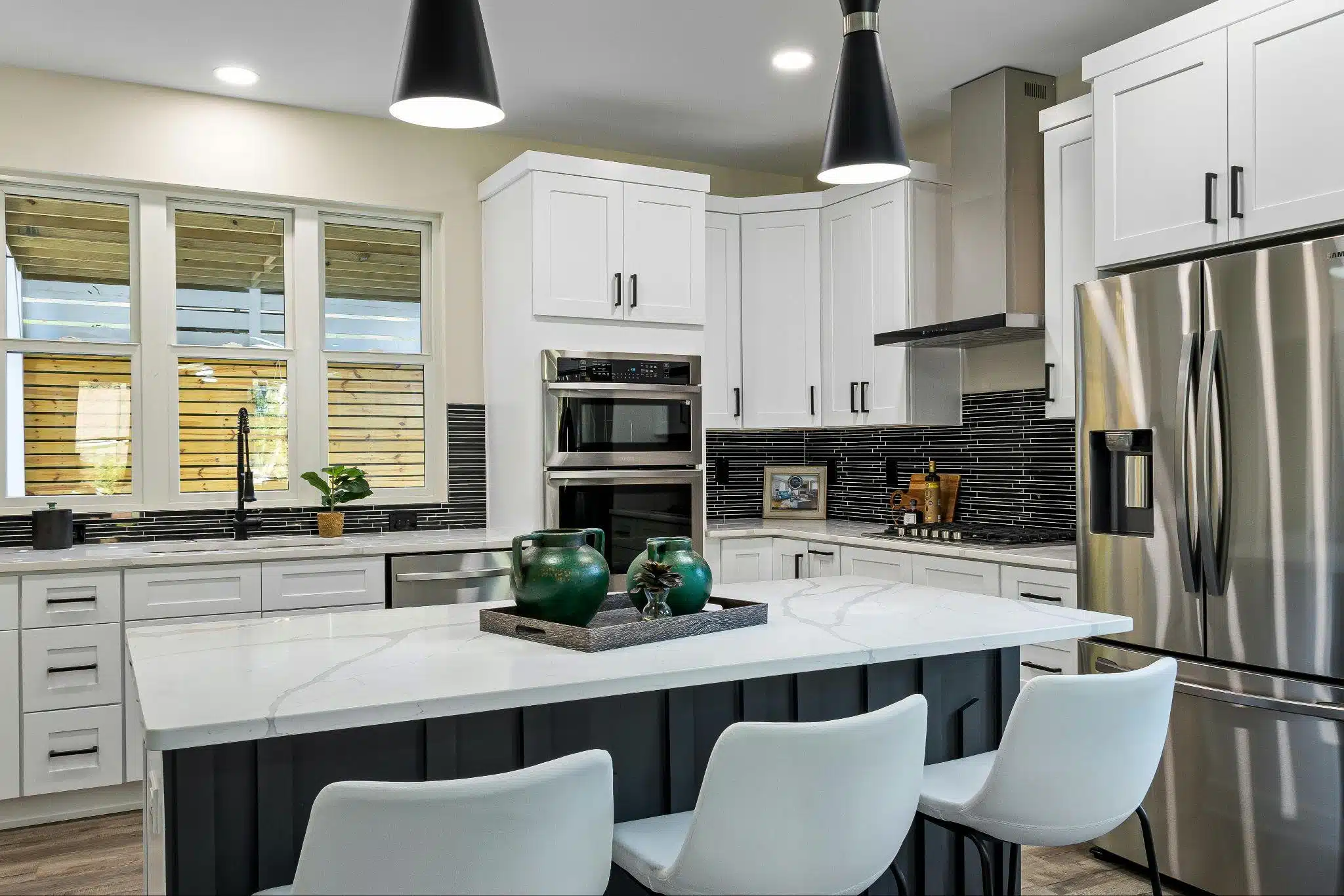
The biggest challenge is finding a way to improve your kitchen without draining your savings or creating ongoing financial stress. A smart budget does more than track expenses. It gives you confidence throughout the project and helps you make better choices along the way. This guide walks through how to plan a full kitchen remodel while keeping your savings intact.
Understand the True Cost of a Full Kitchen Remodel
A full kitchen remodel usually means more than just new cabinets or appliances. It often includes layout changes, electrical work, plumbing updates, new flooring, lighting, and finishes. Each part adds to the total cost, even if it seems small on its own.
Cabinetry and labor typically take up the largest share of the budget. Countertops, appliances, and flooring follow close behind. Permits, design fees, and delivery costs also add up. Many homeowners forget to account for these early on.
This is where planning becomes important. When renovation costs begin to exceed what savings alone can comfortably cover, some homeowners consider a home equity loan as part of their overall budgeting approach. It allows them to borrow against the value they have built in their home and receive the funds upfront, then repay the amount over time through predictable monthly payments. This can help keep emergency savings intact while making a larger remodel easier to plan.
Decide What You Can Comfortably Afford
Before choosing materials or layouts, take time to look at your overall finances. A remodel budget should fit comfortably within your lifestyle, not just your wish list. Start by reviewing monthly expenses, income stability, and any upcoming financial goals.
Ask yourself how much flexibility you truly have. Avoid setting a budget that relies on perfect conditions. Life rarely works that way. Leave room for normal expenses and unexpected events.
A good rule is to keep enough savings untouched to cover emergencies. Remodeling should improve your home, not leave you feeling stretched afterward. When you define your limit early, it becomes easier to say no to upgrades that do not align with your priorities.
Break the Remodel Into Clear Budget Categories
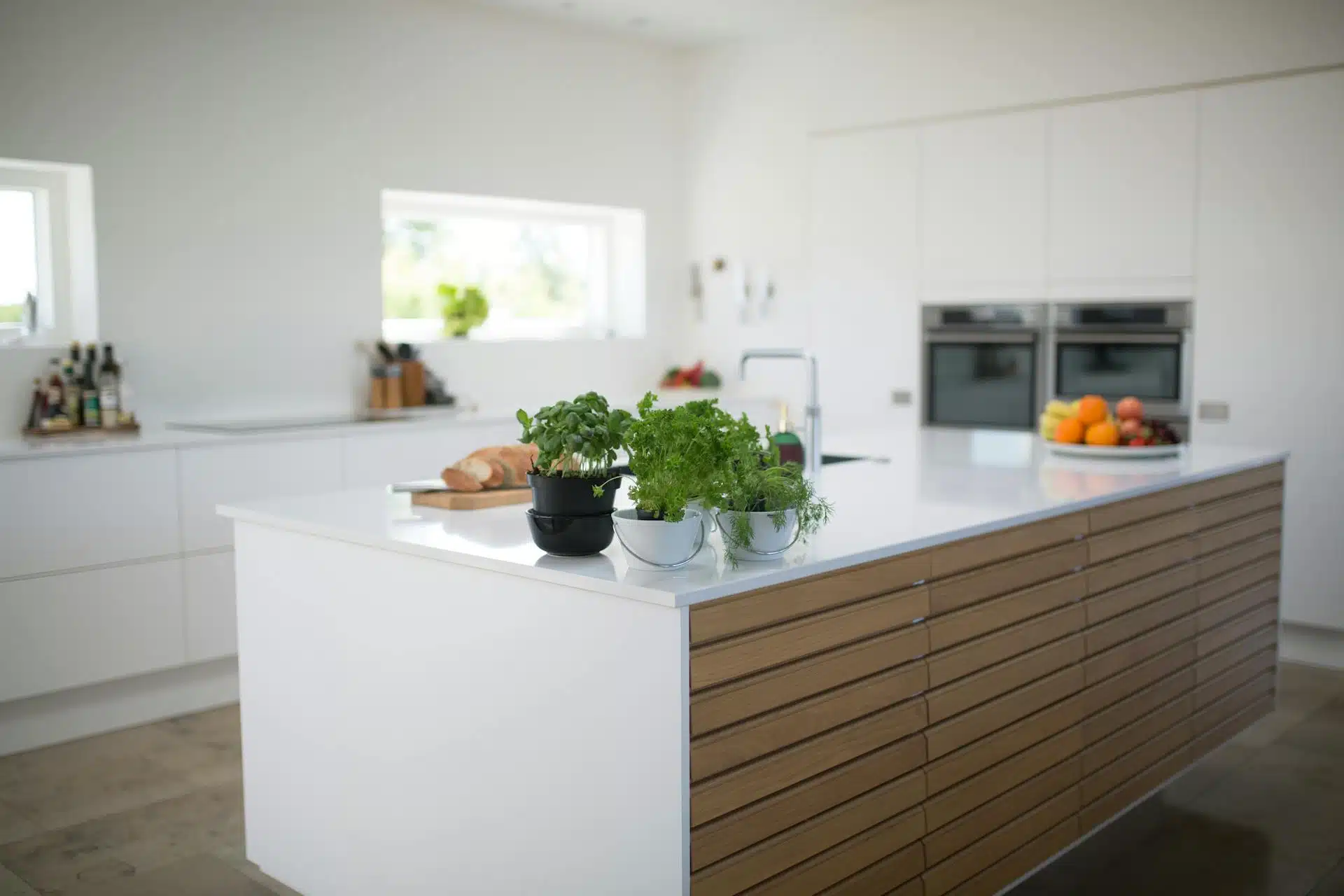
One of the best ways to control spending is to divide the remodel into specific categories. This approach helps you see where money goes and where adjustments are possible.
Common categories include cabinets, countertops, appliances, flooring, labor, lighting, and permits. Assign a realistic amount to each section based on research and contractor estimates. When one category runs higher, you can rebalance another instead of increasing the total budget.
This method also keeps decisions focused. Instead of reacting emotionally to every option, you can ask whether it fits within its category. That clarity helps prevent overspending.
Build a Realistic Contingency Fund
Almost every kitchen remodel comes with surprises. Older homes may hide outdated wiring or plumbing issues. Walls may need repairs once the cabinets come out. These problems are common, not rare.
A contingency fund prepares you for these moments. Most homeowners set aside ten to twenty percent of the total budget for unexpected costs. This buffer protects your main savings and reduces stress when issues arise.
Planning for problems does not mean expecting the worst. It means respecting the reality of construction work. When surprises happen, you can handle them calmly instead of scrambling for funds.
Choose Where to Spend and Where to Save
Not every part of the kitchen needs top-tier finishes. Some upgrades matter more for daily use than others. Focus spending on areas that affect function, durability, and comfort.
Cabinet quality, countertop materials, and layout improvements often provide long-term value. Decorative details, specialty hardware, or trendy finishes may look nice, but can often be simplified without losing appeal.
Saving money does not mean sacrificing style. Many budget-friendly materials now offer strong performance and clean design. Balance is the goal. Spend where it counts and save where it makes sense.
Plan the Remodel Timeline to Protect Cash Flow
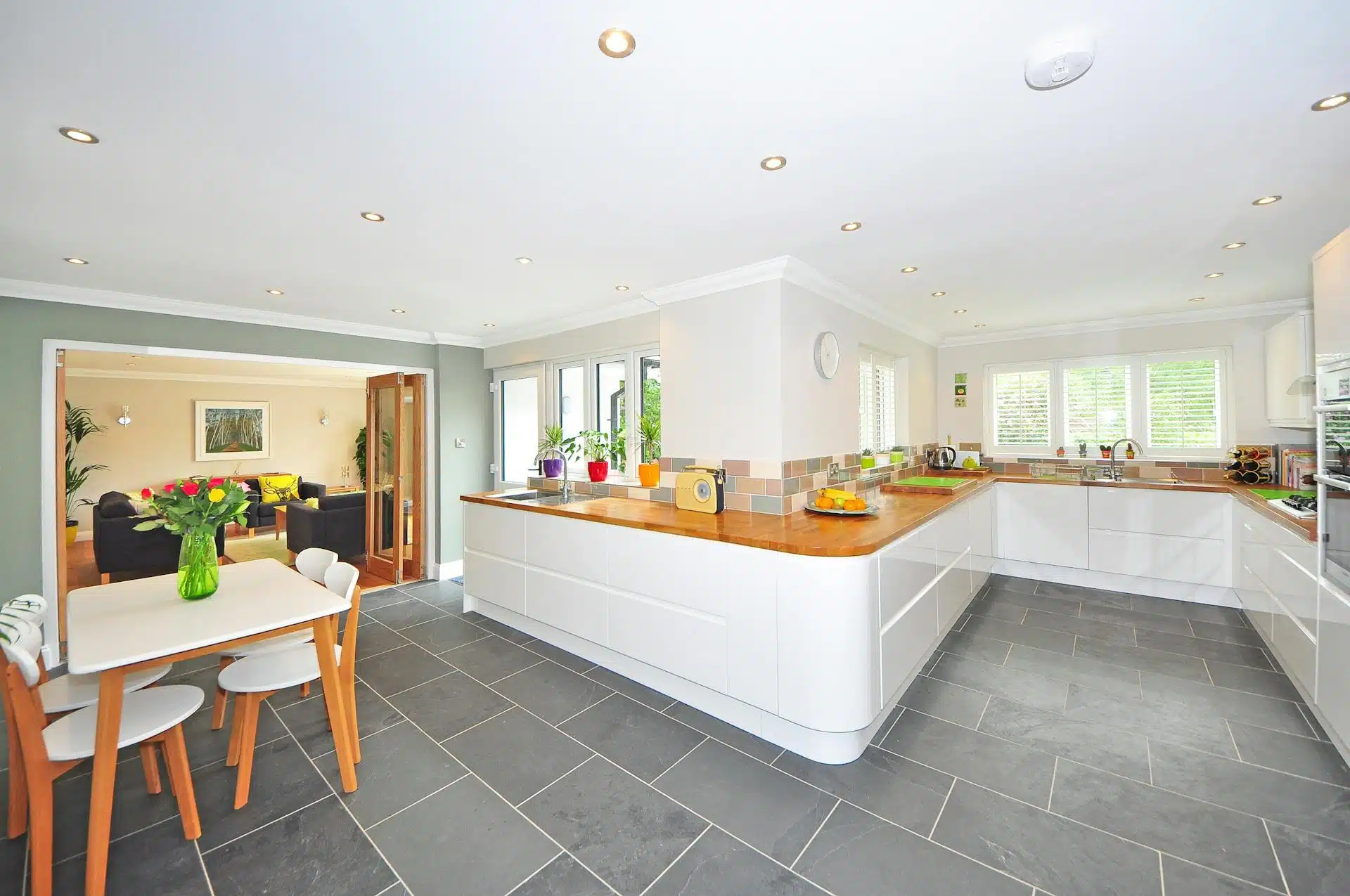
A rushed remodel usually costs more. Contractors charge premiums for tight schedules, and rushed decisions often lead to expensive mistakes. A realistic timeline gives you space to compare options and avoid impulse choices.
If possible, plan your remodel during a period when household expenses are lower. Avoid overlapping major financial commitments. Staging parts of the project can also help manage cash flow and reduce pressure.
Clear communication with contractors helps prevent delays. When everyone understands the schedule, the project moves more smoothly and stays closer to budget.
Avoid Common Budget Mistakes Homeowners Make
Many budget problems come from changes made mid-project. Switching materials, altering layouts, or adding features after work begins almost always increases costs. Make final decisions early and stick to them.
Another common mistake is underestimating labor. Skilled work costs money, and quality installation matters. Paying less upfront can lead to repairs later.
Ignoring permit fees and inspection costs can also derail budgets. These expenses vary by location but should always be included from the start. Small oversights often lead to big surprises.
Track Spending Throughout the Remodel
Budgeting does not stop once construction begins. Track expenses regularly to stay in control. Review invoices, receipts, and progress weekly.
Use a simple spreadsheet or budgeting app to log costs. Compare actual spending to your planned categories. This habit helps you spot issues early and adjust before they grow.
Staying involved keeps the project grounded. You do not need to micromanage, but awareness makes a difference. The more informed you are, the better your decisions will be.
A full kitchen remodel does not have to come at the cost of your savings or peace of mind. With thoughtful planning, clear priorities, and realistic expectations, you can create a space that works for your home and your finances.
The goal is not perfection. It is balance. When you understand costs, plan for surprises, and track spending carefully, the process becomes far less stressful. A well-budgeted remodel leaves you with a kitchen you enjoy and the confidence that you made smart choices along the way.














One Response
Thank you for sharing such an informative and well-structured guide. The budget breakdown percentages are incredibly helpful for setting expectations.