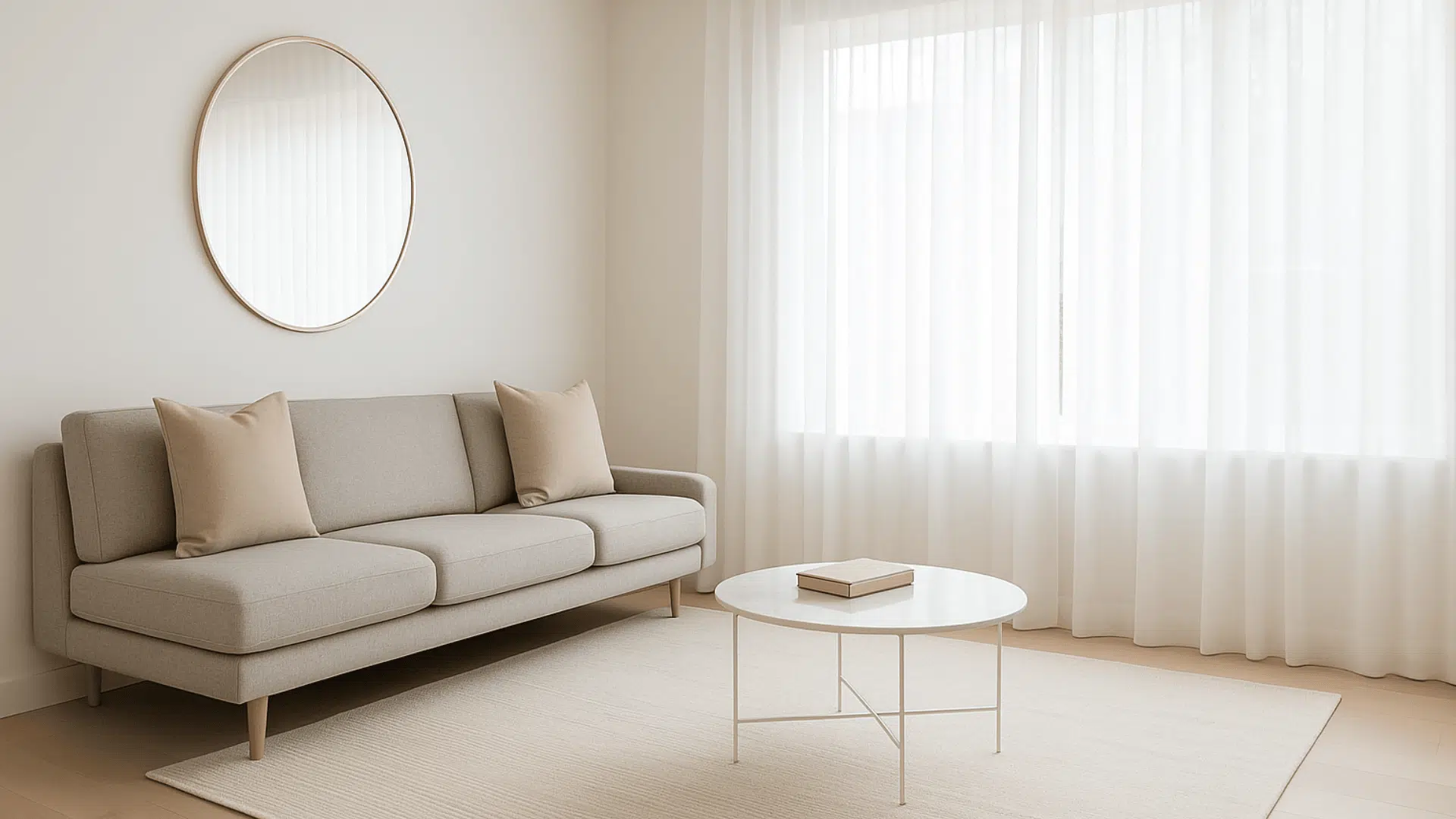
Have you ever walked into a room and felt like the walls were closing in, even though it wasn’t that small?
The way we see space often has more to do with perception than square footage. Light, color, furniture scale, and layout all play powerful roles in shaping how big or small a room feels.
Today, I’ll show you how to make any room appear larger and more open using practical, design-based techniques that actually work in real homes.
From choosing the right colors and lighting to arranging furniture for balance and flow, each tip builds on the idea that spaciousness starts with visual clarity.
Why Rooms Feel Smaller Than They Are
A room can feel cramped not because of its actual size, but because of how we perceive space. Clutter and sharp color contrasts often create visual chaos, making the room seem busy and closed in.
Poor lighting or dark corners can make walls appear closer together, reducing depth. Oversized furniture also eats up visible floor area, leaving little breathing room.
Even small details like mismatched wall and trim colors can break the visual flow, stopping the eye from moving smoothly across the space and making it feel smaller than it is.
Design Tricks to Make a Room Look Bigger
Creating the illusion of a larger room is all about smart visual design. From color choices and lighting placement to furniture arrangement and vertical emphasis, every detail matters.
1. Light and Neutral Color Palettes
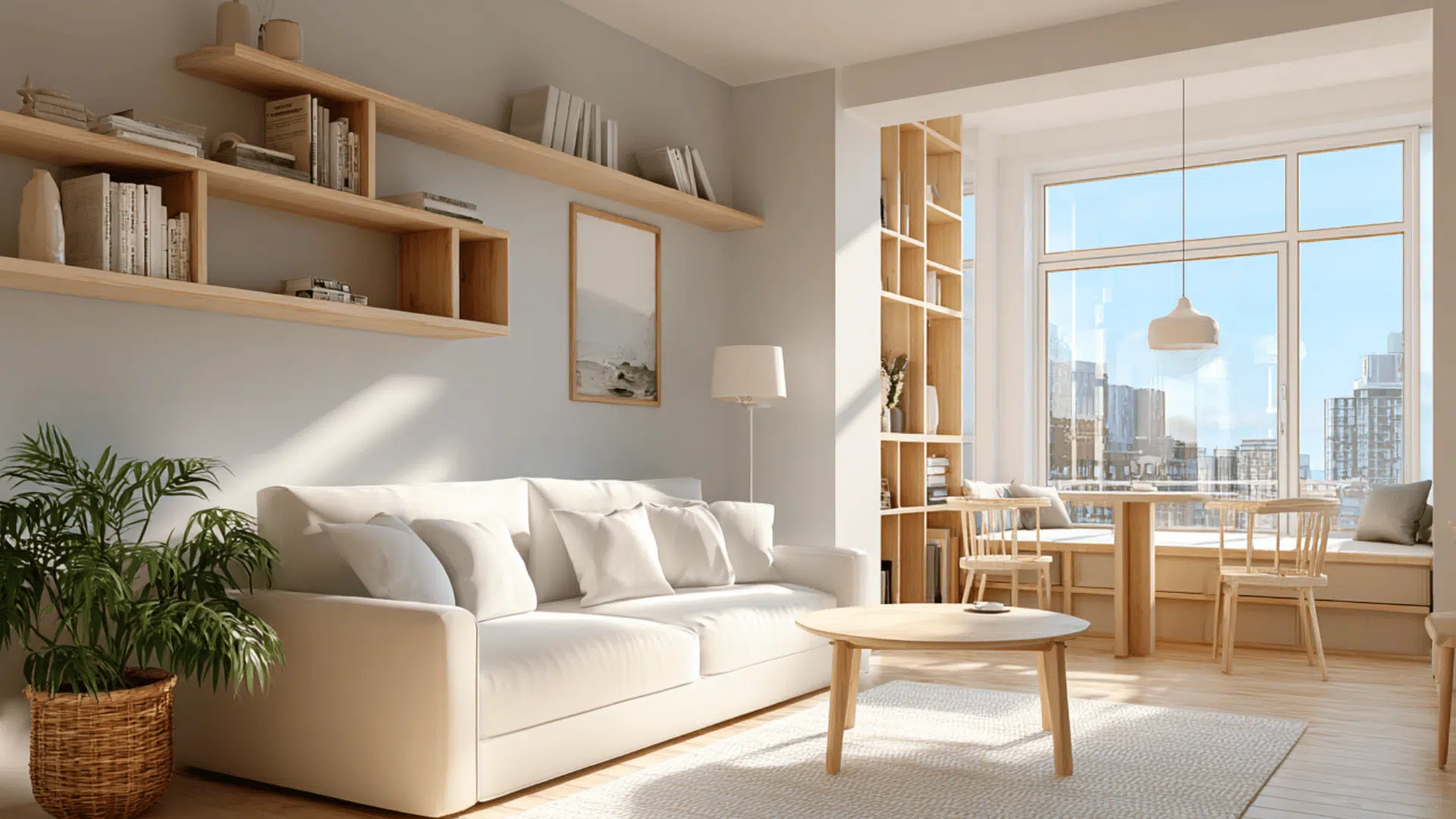
Light colors like white, soft beige, or pale gray reflect natural light and make walls recede visually. They create a bright, clean backdrop that opens up the room.
Using a single light tone throughout helps maintain visual flow, while a hint of warmth prevents the space from feeling too sterile.
2. Painting Ceiling and Trim the Same Color
Keeping the ceiling and trim in one tone removes sharp visual boundaries. This seamless look tricks the eye into reading the space as larger and taller.
It also minimizes contrast, giving the illusion of higher ceilings and uninterrupted walls that expand the room visually.
3. Accent Walls Done Right
An accent wall can create a strong sense of depth when used thoughtfully. Painting the farthest wall from the entrance in a slightly darker shade pulls the eye forward, making the space feel longer.
Choose soft, muted tones instead of bold patterns to avoid visual clutter. This subtle contrast adds dimension while keeping the room open and balanced.
4. Using Finishes (Matte vs. Glossy)
Glossy or satin finishes reflect light, helping small rooms feel brighter and more open. Matte finishes, on the other hand, absorb light, adding calm and coziness.
Combining both can create balanced depth, using gloss on ceilings or trims and matte on walls for a subtle spatial lift.
5. Maximizing Light and Reflection
Natural light and reflection are key to making any room look larger. Keep windows clear of heavy drapes and use sheer curtains to let daylight flow in.
Add large mirrors across from windows or lamps to double the brightness. Reflective surfaces like glass, chrome, or acrylic furniture bounce light around, opening up the space.
6. Layered Lighting Plan for Depth
Instead of relying on a single overhead fixture, mix ceiling lights, wall sconces, and lamps to brighten different levels of the room.
This layered lighting eliminates dark corners and spreads illumination evenly.
The result is a balanced glow that adds depth, dimension, and a greater sense of spaciousness to even the smallest areas.
7. Low-Profile and Legged Furniture
Choose furniture with visible legs and open frames to expose more floor area. Low-profile sofas and chairs create extra visual height, making ceilings seem taller.
Keep lines sleek and simple to maintain openness. This focuses on how furniture design, not placement, affects how light and space move through a room.
8. Hidden and Smart Storage Solutions
Hidden storage helps maintain order without crowding the room. Use beds with drawers, benches with compartments, or under-bed bins for extra storage.
Over-door organizers and built-in cabinets keep essentials within reach but out of sight. These solutions reduce clutter and keep small spaces looking neat, functional, and spacious.
9. Furniture Arrangement to Reveal Floor Space
How furniture is placed has a huge impact on how roomy a space feels. Keep pathways clear and avoid pushing everything against the walls.
Group furniture close together around a rug or focal point to create defined zones. Leaving some open floor visible gives the room breathing space and helps the eye move freely.
10. Curtain Placement and Rod Height
Hang curtain rods just below the ceiling and extend them a few inches past the window frame. This trick draws the eye upward and makes both windows and walls appear taller.
Use full-length curtains that touch the floor for added height and flow, helping the room look more polished and elongated.
11. Wall Art Alignment
Where you hang art matters as much as what you hang. Position pieces slightly above eye level to lift the gaze. Choose one large artwork instead of many small frames to reduce clutter.
Consistent spacing, alignment, and color tones keep the arrangement cohesive, promoting a feeling of structure and openness in the room.
12. Using Vertical Stripes or Tall Decor
Vertical lines visually stretch the height of a room. Incorporate striped wallpaper, tall plants, bookshelves, or standing lamps to draw the eye upward.
These elements create rhythm and balance that make ceilings appear higher. The added verticality gives compact rooms a sense of proportion, making them feel taller and more expansive.
13. Ceiling Paint Illusions
Painting the ceiling the same color as the walls removes visual boundaries, helping the room feel continuous and seamless. For an airier effect, go one shade lighter to reflect more light upward.
Both techniques improve height perception, making ceilings feel higher and spaces more open, depending on lighting and color strength.
14. Designing for Space and Simplicity
A clutter-free room always feels bigger. Keep only essential items visible and store the rest out of sight. Use wall-mounted shelves, built-in cabinets, or baskets for organized storage.
Maintaining clean lines and open surfaces promotes calm and order, allowing natural light to bounce freely and make the room appear more spacious.
15. Zoning: Define Areas Without Dividing Walls
Define functional zones like dining, working, or relaxing using rugs, lighting, or furniture placement instead of partitions. This approach maintains visual openness while giving structure to the layout.
Open zoning helps the room feel organized and balanced, improving both functionality and flow without reducing the sense of spaciousness in smaller areas.
Real-Life Room Modifications That Inspire
Seeing how small changes impact real spaces can make design ideas easier to apply. These examples show how thoughtful color, light, and layout adjustments can visually expand different types of rooms without renovation.
Bedroom
A once-dark bedroom now feels open and restful with soft neutral walls, sheer curtains, and layered lighting. Bulky nightstands were replaced with floating ones, and a large mirror above the dresser adds depth.
The low-profile bed frame reveals more floor area, making the room appear taller and brighter while keeping it cozy and functional.
Living Room
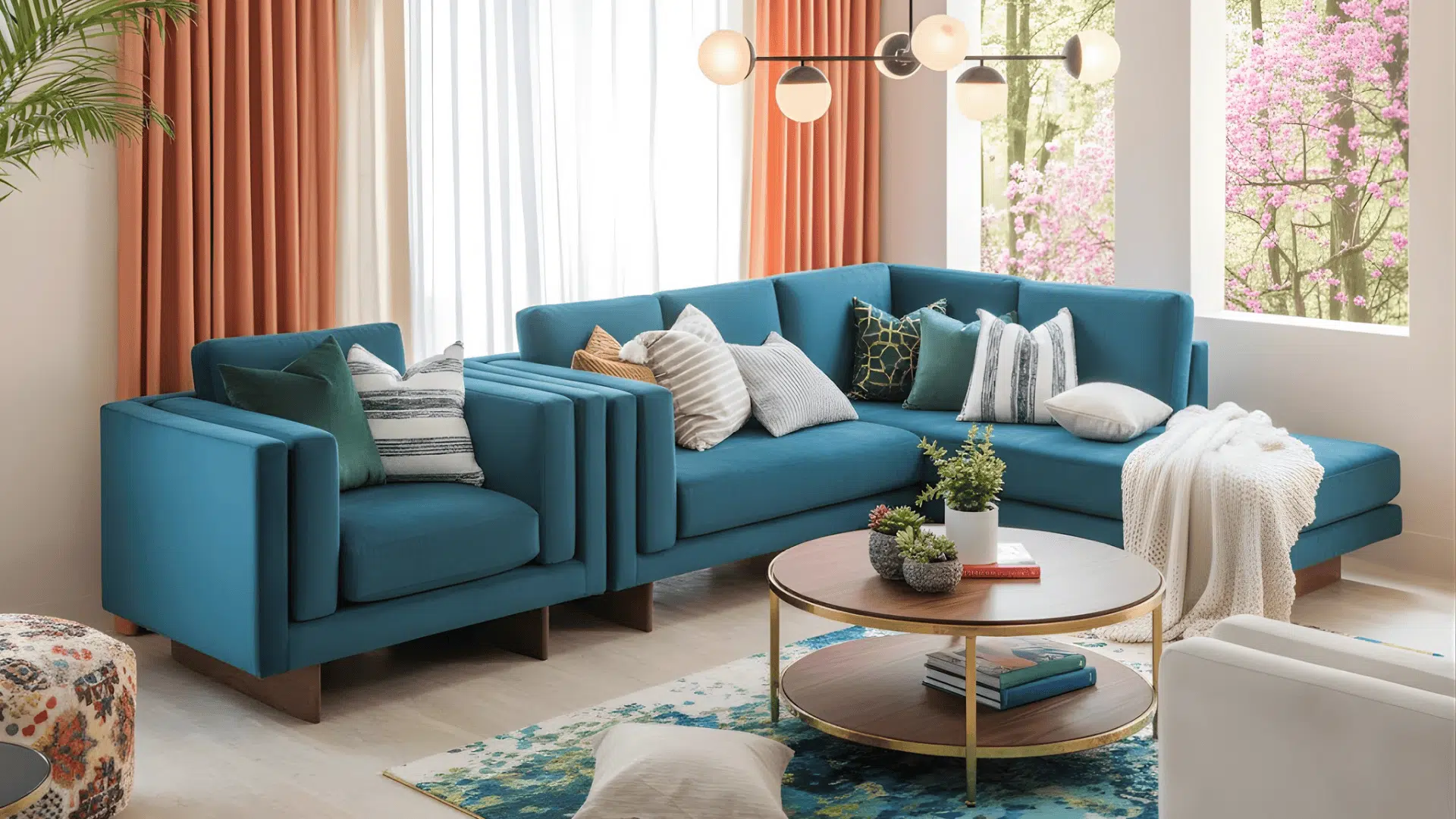
The living room gained visual space by replacing heavy furniture with sleek, legged pieces and choosing a lighter color palette.
A large rug anchors the seating area, while wall-mounted lighting replaces floor lamps to clear pathways. Mirrors and tall indoor plants draw the eye upward, giving the room a sense of height and openness.
Kids’ Room
In the kids’ room, playful yet practical design choices make a big difference. Light pastel walls replace darker tones, while under-bed drawers and vertical shelving keep toys neatly stored.
A tall bookcase and simple decor add height without clutter. The result is a cheerful, airy space that feels roomy, organized, and easy to maintain.
Common Mistakes to Avoid
It’s easy to make design choices that unintentionally make a small room feel even smaller. Recognizing and avoiding these common mistakes can help you keep the space open, comfortable, and visually balanced.
Over-accessorizing: Too many decorations crowd the space and make it feel busy. Keep surfaces simple with a few key pieces to maintain openness.
Too many small furniture pieces: Multiple small items break the visual flow. Choose a few larger, streamlined pieces to make the room feel balanced and spacious.
Ignoring lighting: Relying on one light source creates shadows that shrink space. Use layered lighting to brighten corners and make the room appear larger.
Rugs that are too small: Small rugs make furniture look disconnected. Pick a rug big enough to fit under the front legs of the main pieces for a unified layout.
Using too many contrasting colors: Harsh color contrasts divide the room visually. Stick to a soft, cohesive palette to create a smooth, open look.
Avoiding these simple design errors helps small spaces feel coordinated and airy. With the right balance of light, scale, and color, even the tiniest rooms can look clean, open, and inviting.
Conclusion
Mastering how to make a room look bigger doesn’t require a full makeover, just smart use of color, light, and layout. Small adjustments like lighter tones, layered lighting, and simple furniture choices can instantly change how your space feels.
Even subtle details, like curtain height or mirror placement, can make a noticeable difference. Every choice you make influences how open and connected your space feels.
Keep things organized, use what you already have, and focus on balance. Try one design change today and notice how quickly your room starts to feel open, calm, and inviting.

![[Cargo ship being loaded with shipping containers at a commercial port for insured freight transport]](https://www.jackcooper.com/wp-content/uploads/2026/06/cargo-ship-being-loaded-with-shipping-containers-at-a-commercial-port-for-insure.webp)