
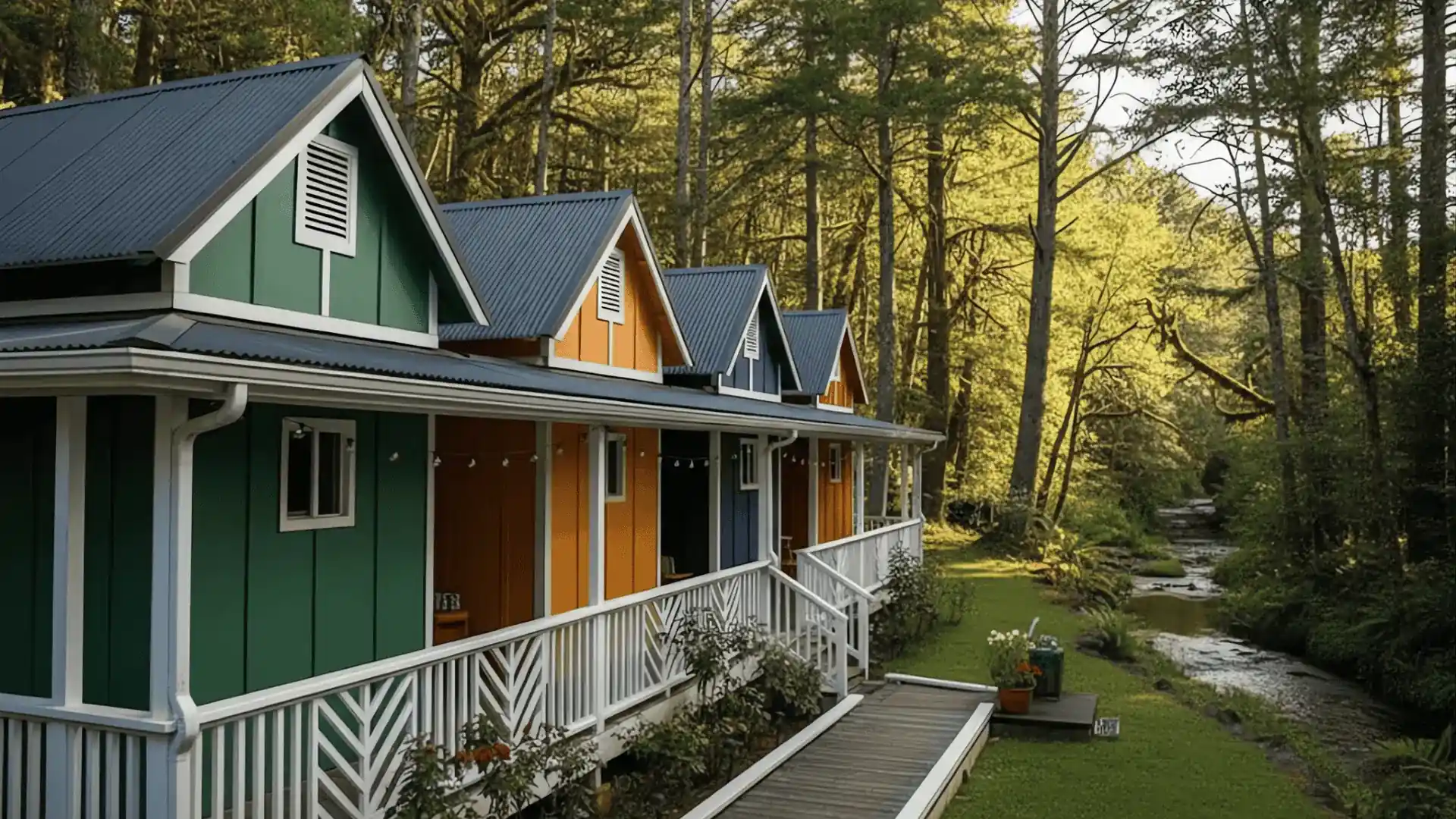
Have you ever pictured yourself living with less space but more freedom? Maybe trading clutter for comfort, or high costs for simplicity?
That’s what draws many people to the idea of a tiny home community: a lifestyle built on connection, purpose, and smarter living.
In this blog, I’ll give you a closer look at what makes these communities so appealing, where they’re located across the country, and why they’re quickly becoming one of the most talked-about housing choices today.
Know if this simple way of living could be the change you’ve been looking for.
What is a Tiny Home Community and Why it’s Growing
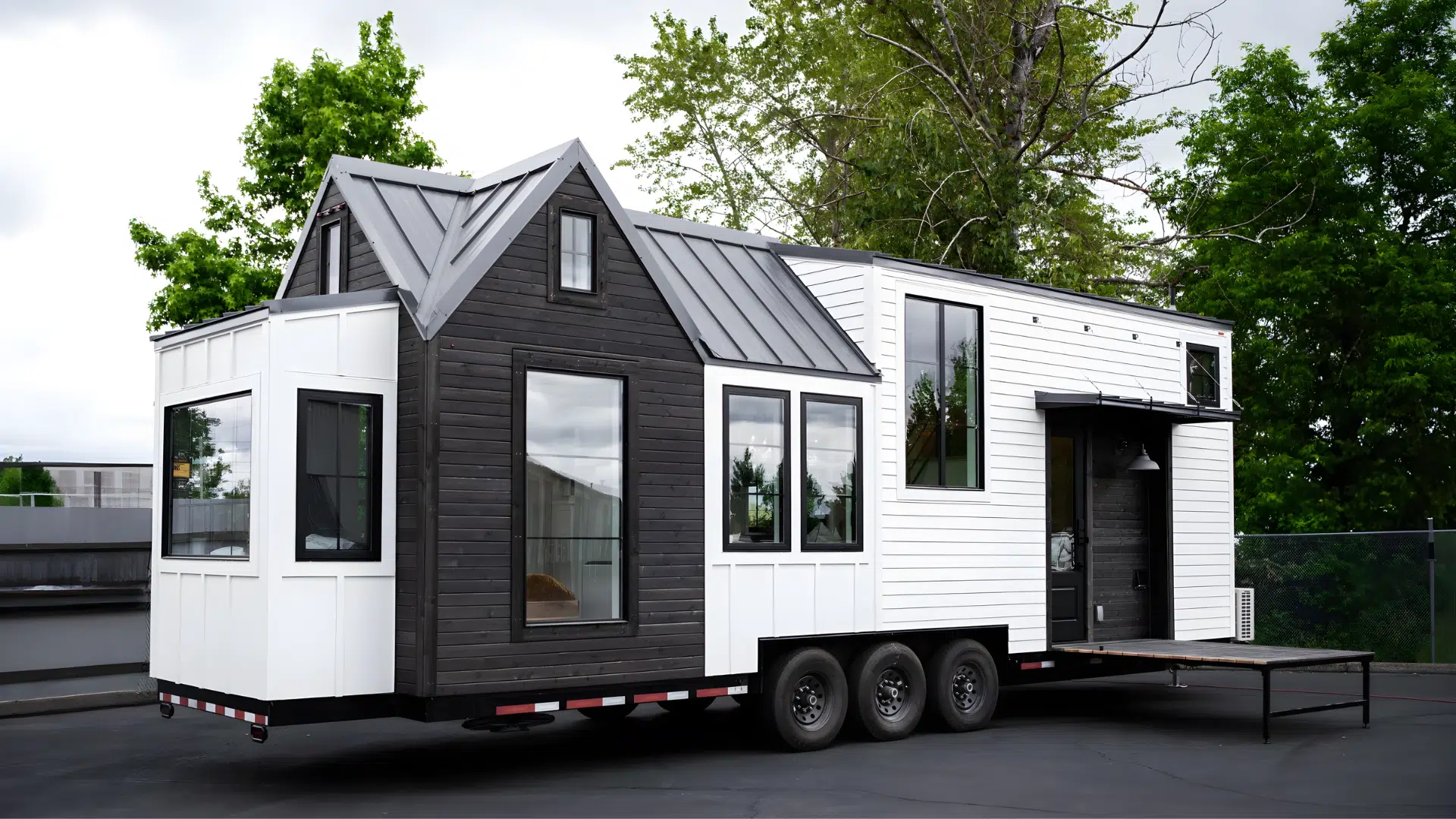
A tiny home community is a group of small houses built close together on shared land. It’s designed for people who want affordable housing, lower living costs, and a simpler lifestyle.
These communities often include shared spaces like gardens, clubhouses, or walking paths that bring neighbors together. Tiny home communities come in a few main types:
- Rental communities: You rent a tiny home or a lot.
- Ownership setups: You own your home and sometimes the land.
- Co-ops: Residents share land and amenities through joint ownership.
- RV-based parks: Built for tiny homes on wheels, making them easier to move and set up legally.
Why these Communities are Growing
The rise in tiny home communities comes from a mix of financial, social, and environmental reasons:
- Affordability: Tiny homes cost far less to buy, build, and maintain, making them attractive in high-priced housing markets.
- Sustainability: Many use eco-friendly materials, solar energy, and smaller footprints to reduce waste.
- Lifestyle appeal: Minimalist living helps people focus on experiences instead of possessions.
- Agrihood and eco-village trend: Some new communities combine farming, shared gardens, and sustainable design to foster stronger social connections and self-sufficient living.
These communities represent more than just a housing trend; they show how people are rethinking what “home” means.
By living smaller and closer together, many find more freedom, connection, and purpose in everyday life.
Best Tiny Home Communities by Region
Below are some of the most popular regional options where you can live small, stay connected, and enjoy shared amenities:
Southeast
The Southeast offers warm weather, natural beauty, and plenty of affordable options for tiny home living. Many communities here focus on outdoor spaces, sustainability, and easy access to city life.
1. Orlando Lakefront – Orlando, Florida
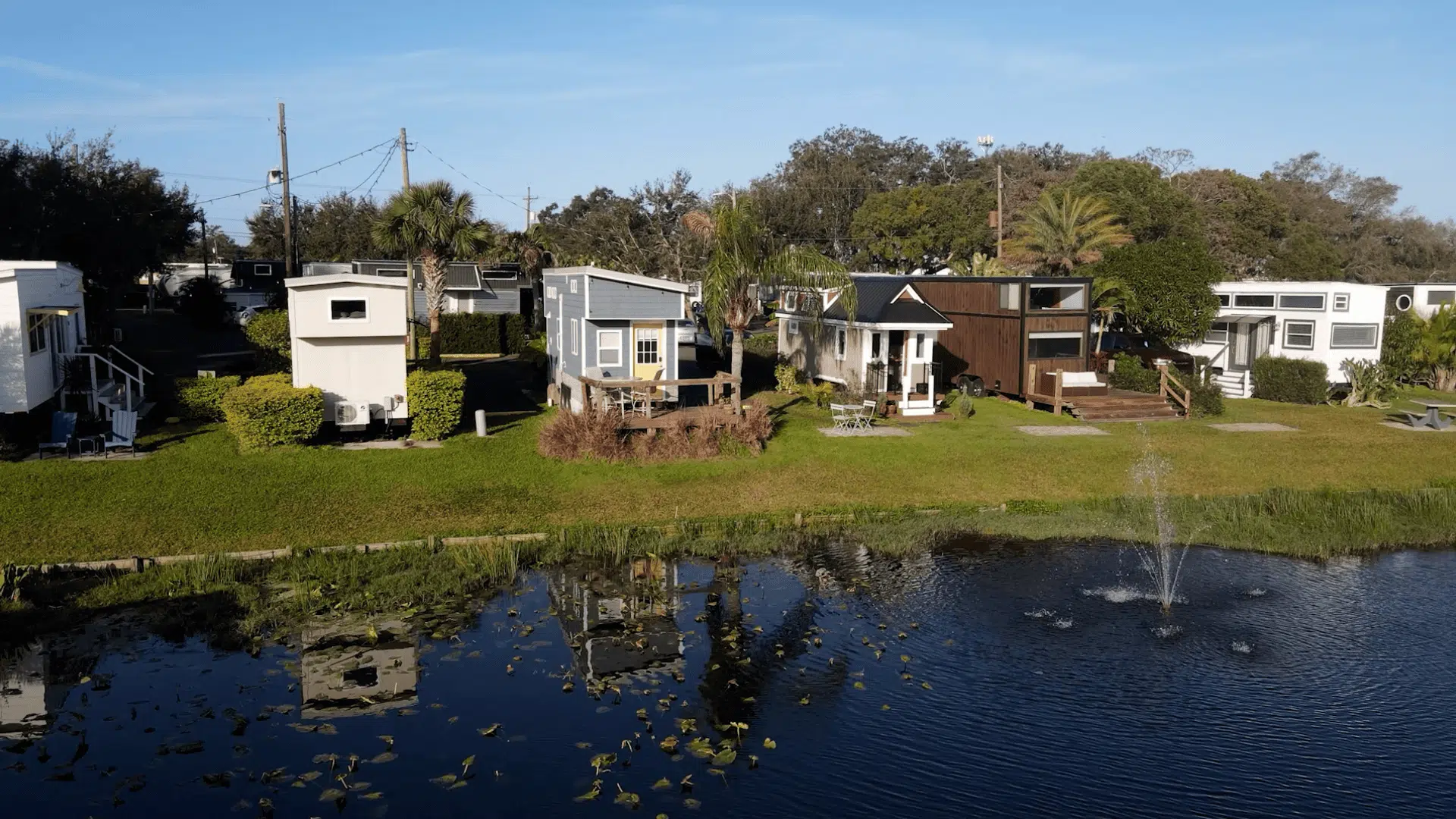
A waterfront community with both rental and owned lots for tiny homes. Residents enjoy lake views, a dog park, laundry facilities, and fishing docks.
Approx. Cost: Rentals start around $600–$700 per month; homes for sale typically range from $85,000–$120,000.
Contact:(407) 936-4094
2. Acony Bell Tiny Home Village – Mills River, North Carolina
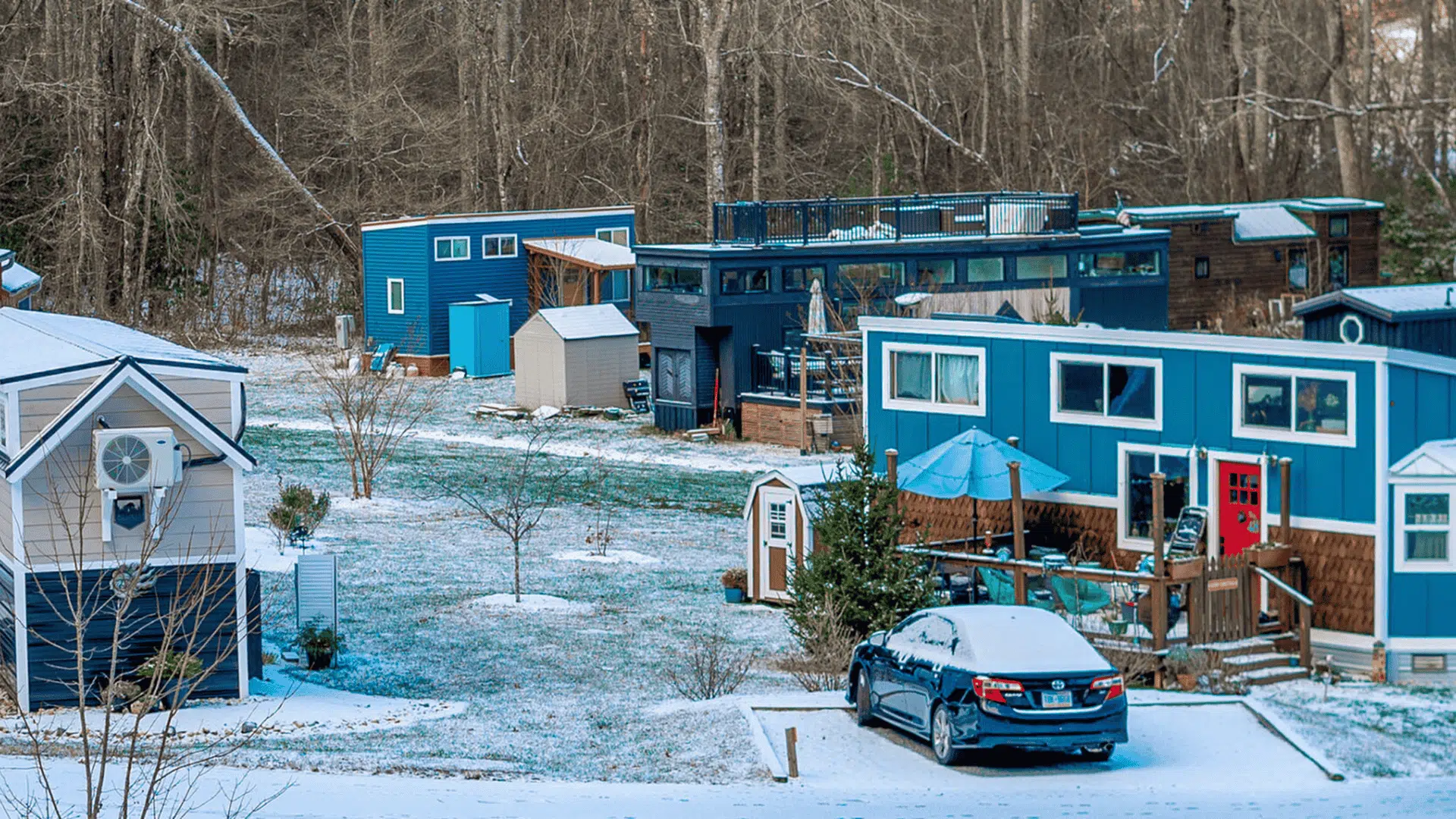
Located in the Blue Ridge Mountains, this community blends comfort with scenic surroundings. It features trails, gardens, and a clubhouse for residents.
Approx. Cost: Lot rentals range from $650–$800 per month; homes generally cost $100,000–$140,000.
Contact:(828) 203-8300
3. Simple Life – The Hamlet – Flat Rock, North Carolina
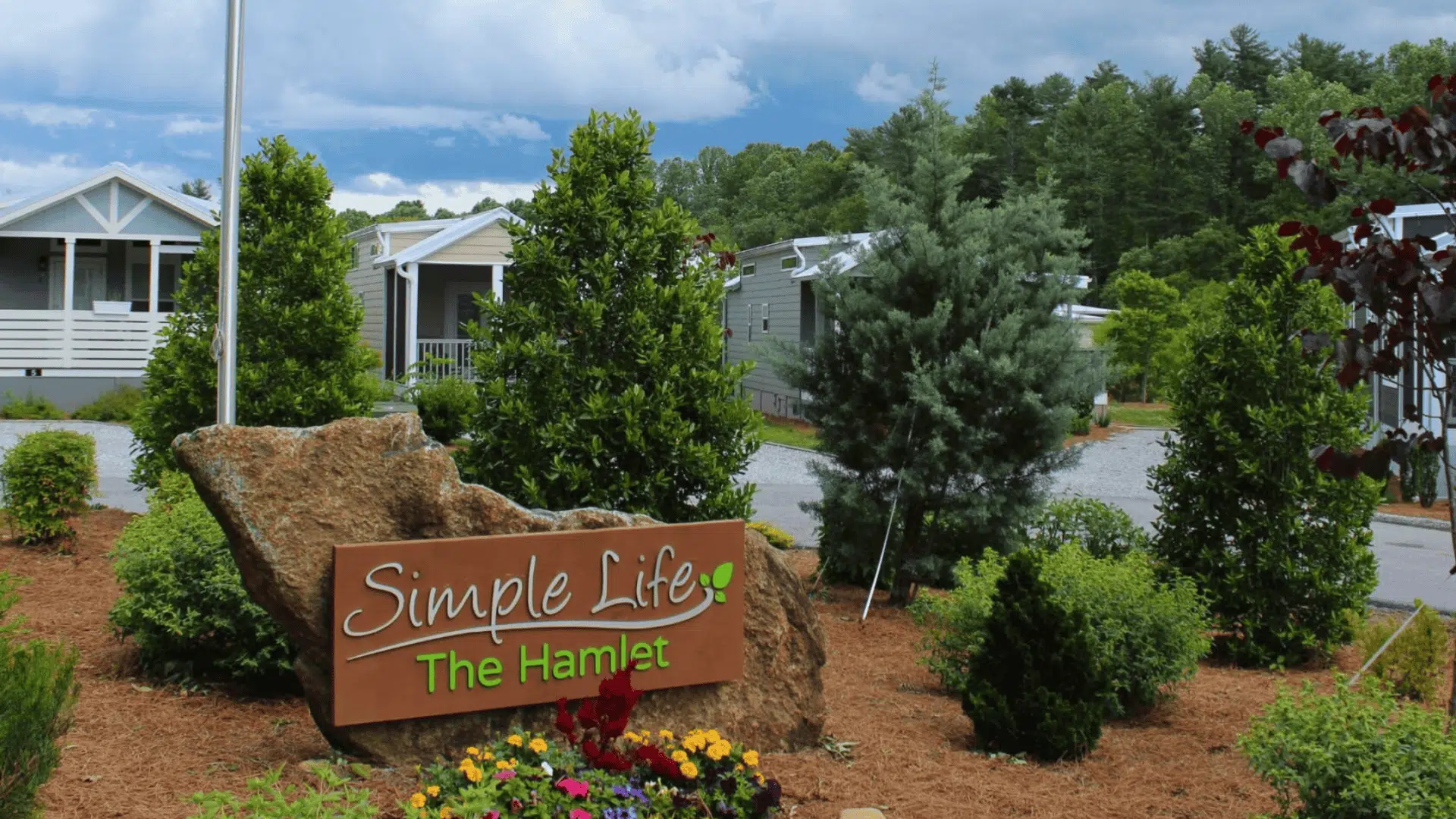
A cottage-style community with small homes, shared pools, walking trails, and green spaces. HOA fees cover landscaping and common-area upkeep.
Approx. Cost: Homes start near $150,000; lot leases typically range from $500–$700 monthly.
Contact:(828) 707-0969
Southwest
The Southwest combines wide-open landscapes with innovative community designs. You’ll find a mix of eco-friendly developments, agrihood-style setups, and resort-like spaces for tiny home living.
4. Village Farm – Austin, Texas
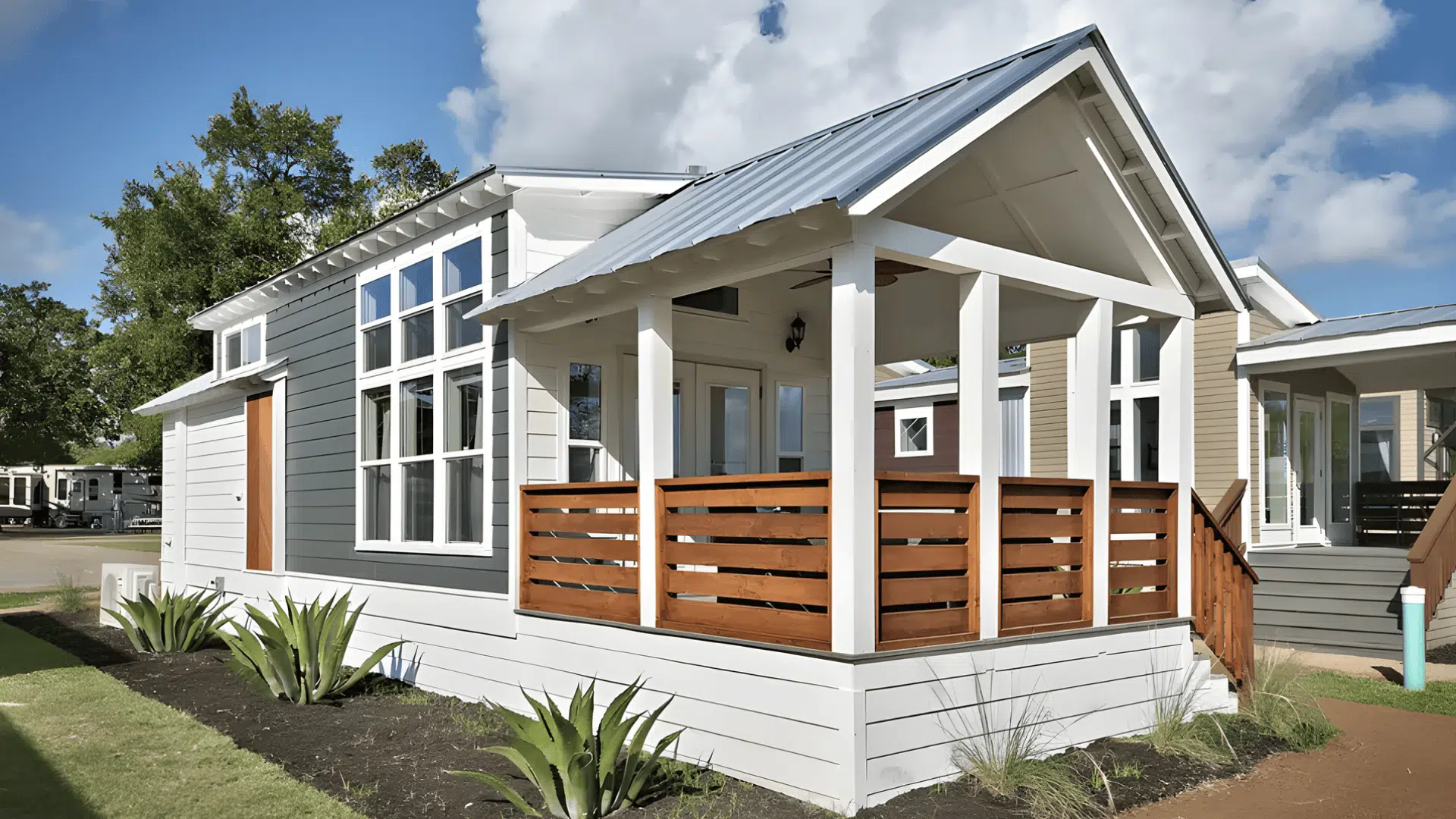
An agrihood-style community focused on urban farming, gardens, and green spaces. Residents can rent or buy tiny homes surrounded by nature.
Approx. Cost: Homes start around $150,000; rentals typically range from $700–$900 per month.
Contact:(512) 866-8526
5. Shady Creek RV Park – Aubrey, Texas
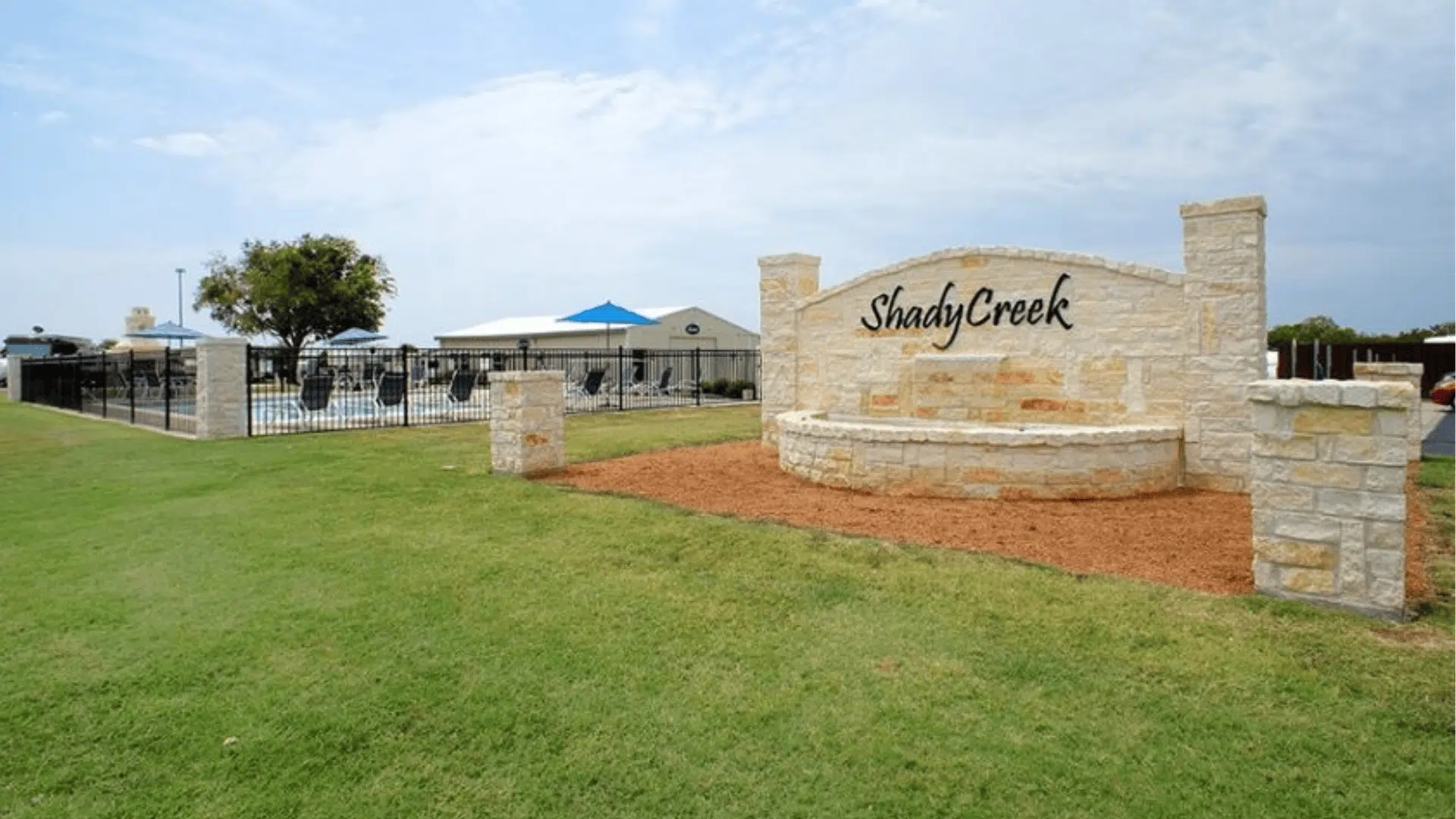
A North Texas community offering lots for tiny homes with a resort-style pool, gym, and dog park. It provides an ideal mix of comfort and convenience.
Approx. Cost: Monthly rentals range from $700–$900; home purchases average between $120,000–$160,000.
Contact:(940) 440-5033
West Coast
The West Coast is home to some of the most scenic and innovative tiny home communities. Many focus on sustainability, coastal access, and a relaxed, close-to-nature lifestyle.
6. Tiny Tranquility – Waldport, Oregon
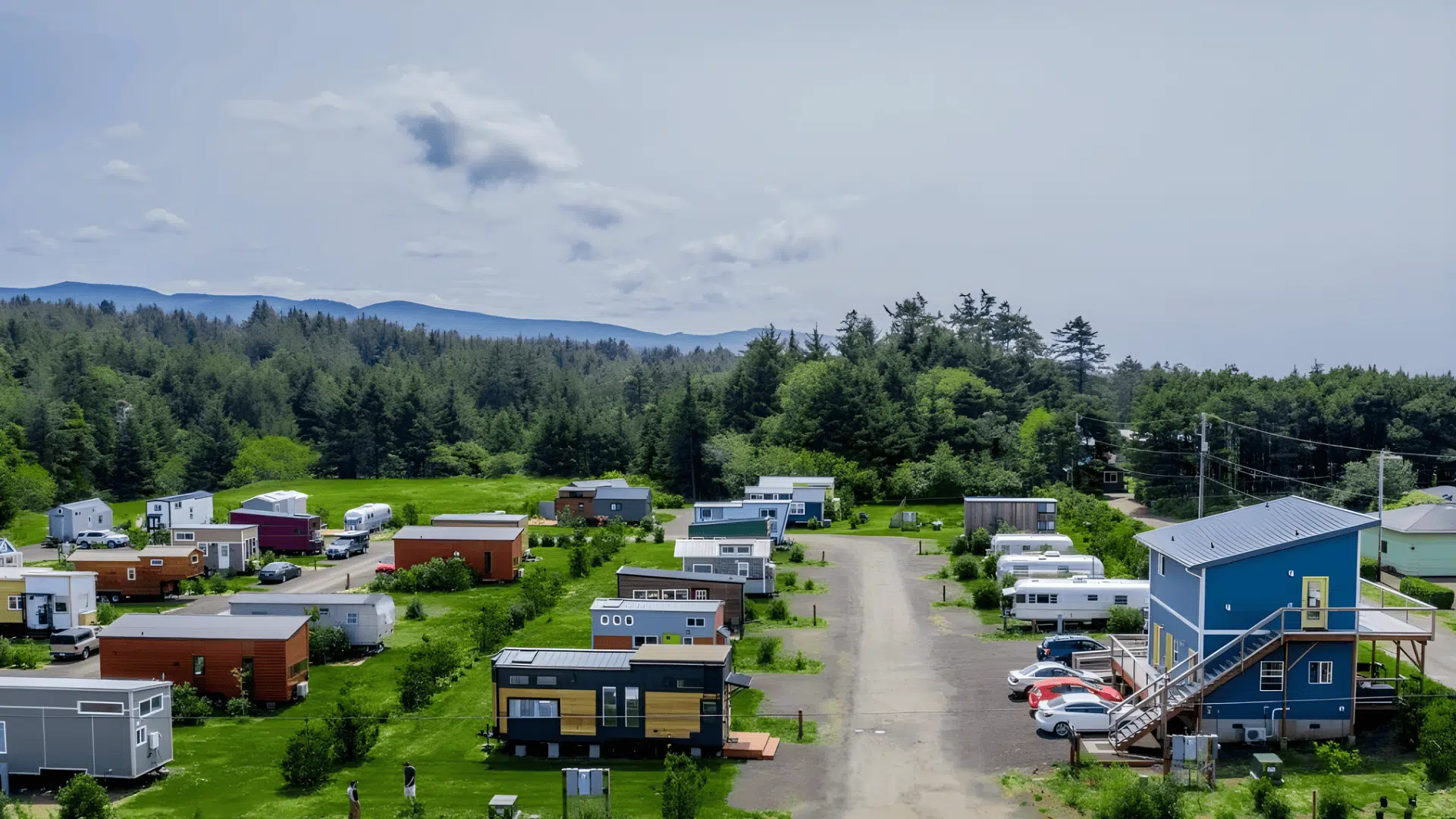
A coastal community offering private lots, shared gardens, and ocean access. Amenities include a lodge, fitness room, and art studio.
Approx. Cost: Monthly rent averages $650–$800; home prices range from $110,000–$150,000.
Contact:(541) 563-3000
7. Tiny House Block – Mount Laguna, California
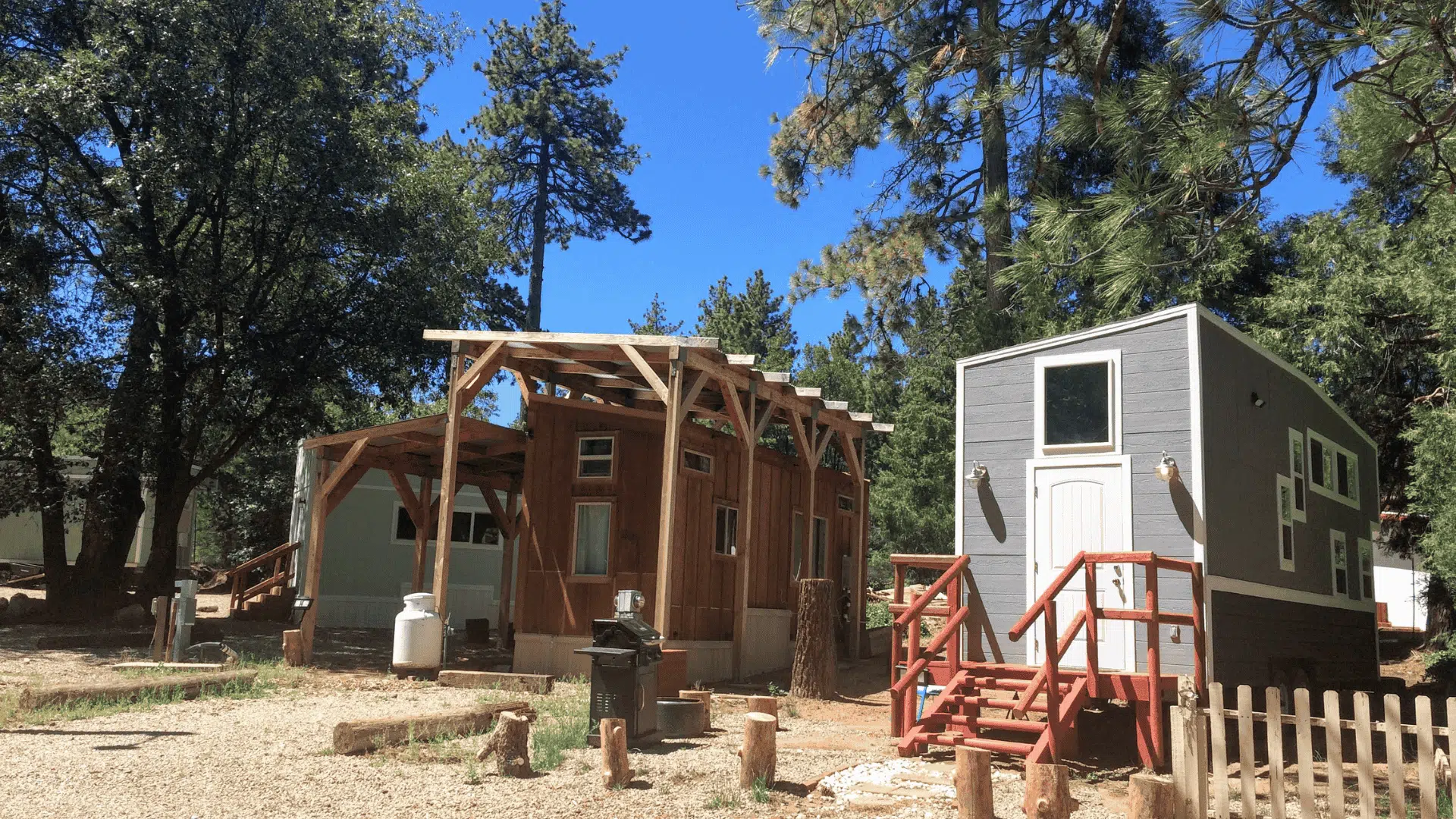
California’s first legal tiny house village sits in the mountains near San Diego. It offers both short- and long-term stays in a peaceful forest setting.
Approx. Cost: Nightly stays start around $150; long-term rentals average $900–$1,200 per month.
Contact:(619) 320-8099
Midwest & Northeast
Tiny home living is catching on in northern regions, where affordability and community spirit drive growth. Many of these communities support local causes or offer peaceful countryside living.
8. Cass Community Tiny Homes – Detroit, Michigan
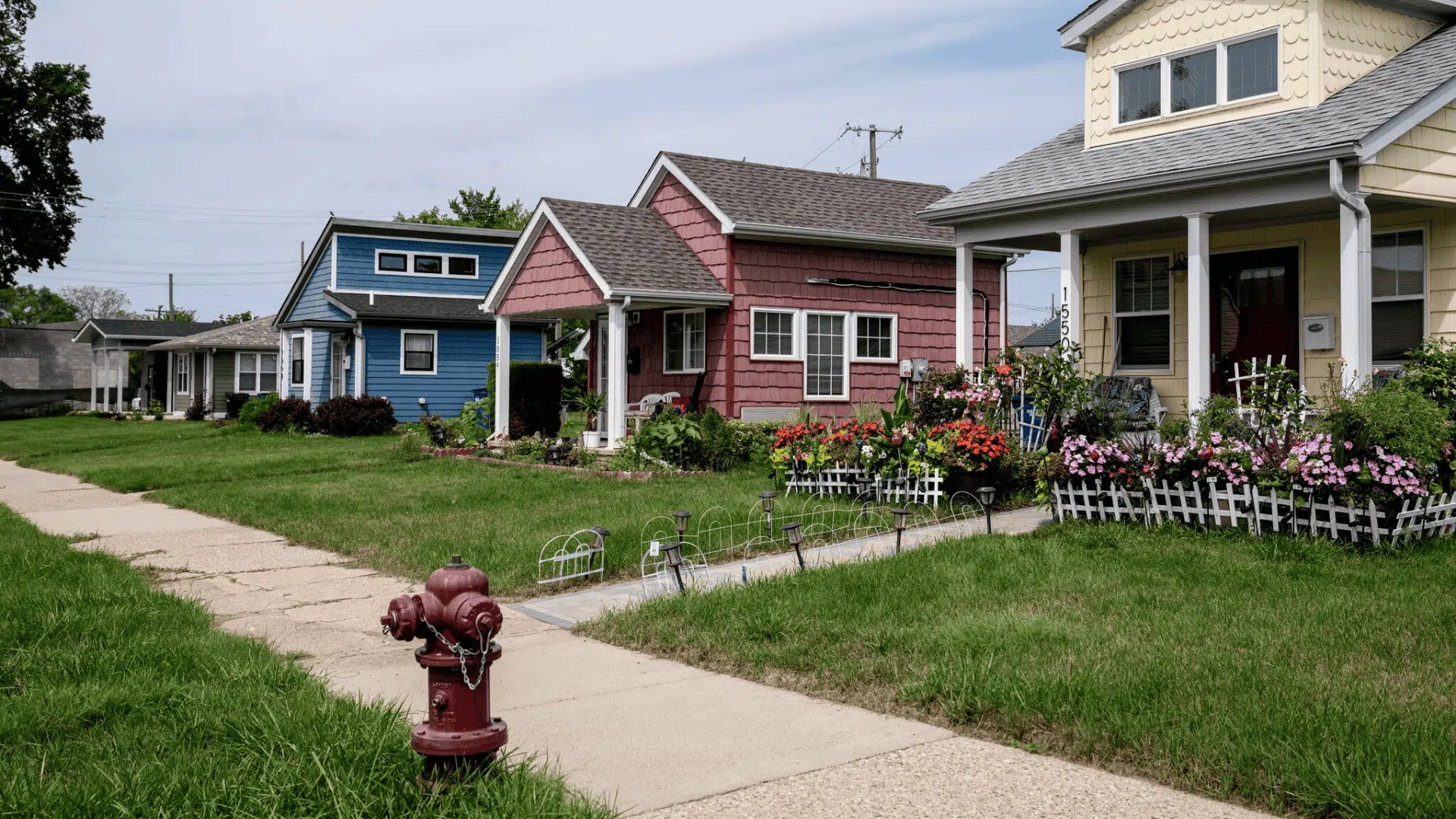
A non-profit neighborhood helping low-income residents own homes affordably. Each includes solar panels and modern appliances.
Approx. Cost: Homes cost between $40,000–$50,000; limited rental units are available at around $500 monthly.
Contact:(313) 883-2277
9. Upstate Tiny Home Village – New York
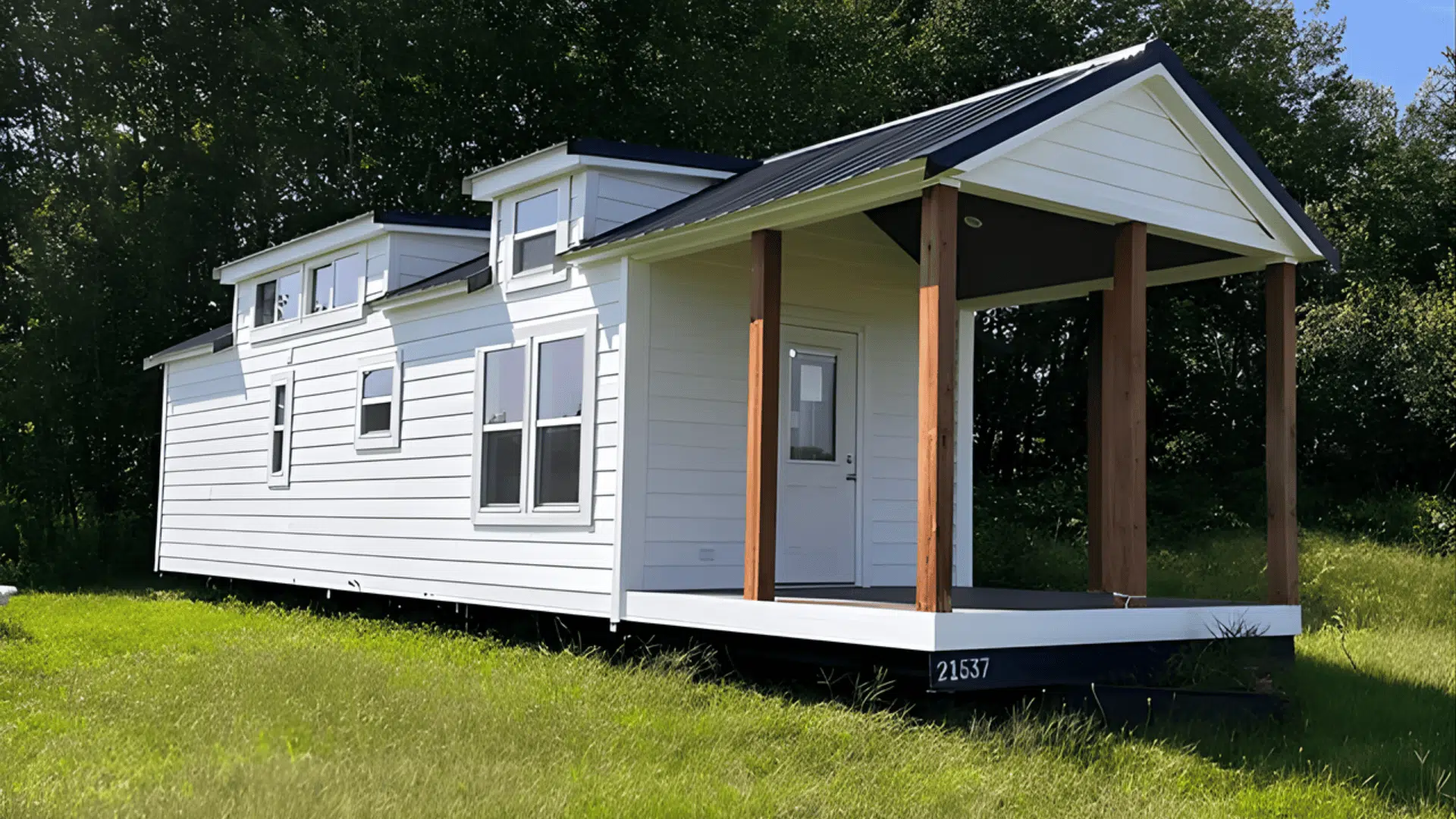
A colorful community surrounded by mountain views and gardens, offering both rental and ownership options. Communal areas support outdoor living and gatherings.
Approx. Cost: Lot rentals range from $500–$700 per month; home purchases start at $90,000.
Contact:(845) 555-2134
How to Choose the Right Community
Choosing a tiny home community depends on practical factors like location, lifestyle, cost, and amenities. Use the points below to evaluate what fits best:
- Location: Check the Climate, Road Access, and Distance to Cities or Essential Services. Milder Areas Reduce Utility Costs, While Urban Zones Offer Better Accessibility.
- Lifestyle Fit: Decide Between Social, Private, or Eco-Focused Communities. Social Setups Include Events and Shared Spaces, While Eco-Living Focuses on Sustainability and Shared Resources.
- Cost: Review All Charges, Including Land Lease, Rent, Utilities, and Hoa Fees. Compare Total Monthly Expenses to Ensure They Match Your Budget.
- Amenities: Note What’s Provided; Gardens, Gyms, or Clubhouses, and Check Maintenance Services and Community Rules. Make Sure Facilities and Policies Meet Your Needs.
Selecting the right community depends on balancing comfort, cost, and lifestyle. Evaluating these factors carefully helps you find a place that fits your needs and long-term living goals.
Tiny Home Community Costs and Living Options
Living in a tiny home community can be cost-effective, but expenses vary depending on ownership type, location, and amenities.
| Category | Details | Estimated Cost Range |
|---|---|---|
| Buying a Tiny Home | Full ownership with long-term stability. Costs depend on size, materials, and setup. Ideal for those planning to stay in one place. | $50,000–$150,000 one-time |
| Renting a Tiny Home or Lot | Monthly payment for a house or a plot of land. Great for flexible living or trying out the lifestyle before buying. | $500–$900 per month |
| Utilities | Includes electricity, water, sewer, and internet. Often billed separately from rent or HOA fees. | $100–$200 per month |
| HOA Fees | Covers community maintenance, landscaping, and shared spaces like clubhouses or gardens. | $100–$300 per month |
| Maintenance | Regular upkeep for cleaning, small repairs, and exterior care. | $50–$100 per month |
| Moving Costs | Applies mainly to tiny homes on wheels when relocating to a new site or park. | $2–$5 per mile |
| Utility Hookups | One-time installation of water, sewer, and power lines if not already connected. | $2,000–$5,000 |
| Permits and Inspections | Required for placement, zoning, or building approval, depending on local regulations. | $500–$1,500 |
In short, tiny home living is generally more affordable than traditional housing, but planning for upfront, monthly, and setup costs helps you avoid surprises later.
How to Move-In in a Community
Joining a tiny home community is a simple process, but it requires research and planning to find the right fit. Here’s what to do before making the move:
- Research Options: Look for communities that match your lifestyle, location preferences, and budget. Visit websites, watch tours, and read resident reviews.
- Check Availability: Contact the community to ask about open lots, rental units, or ownership options. Some have waitlists, so apply early.
- Review Costs and Rules: Ask about rent, HOA fees, and maintenance costs. Read the community guidelines carefully to make sure they align with your lifestyle.
- Tour the Property: Visit in person if possible. Walk the grounds, talk to residents, and get a feel for the environment and amenities.
- Apply or Reserve a Spot: Once you’ve found the right fit, complete the application or purchase paperwork. Some communities require background checks or deposits to secure your place.
Joining a tiny home community takes a bit of research but pays off when you find the right fit. Once you settle in, you’ll quickly see how this simple lifestyle can feel both practical and rewarding.
How to Start a Tiny Home Community
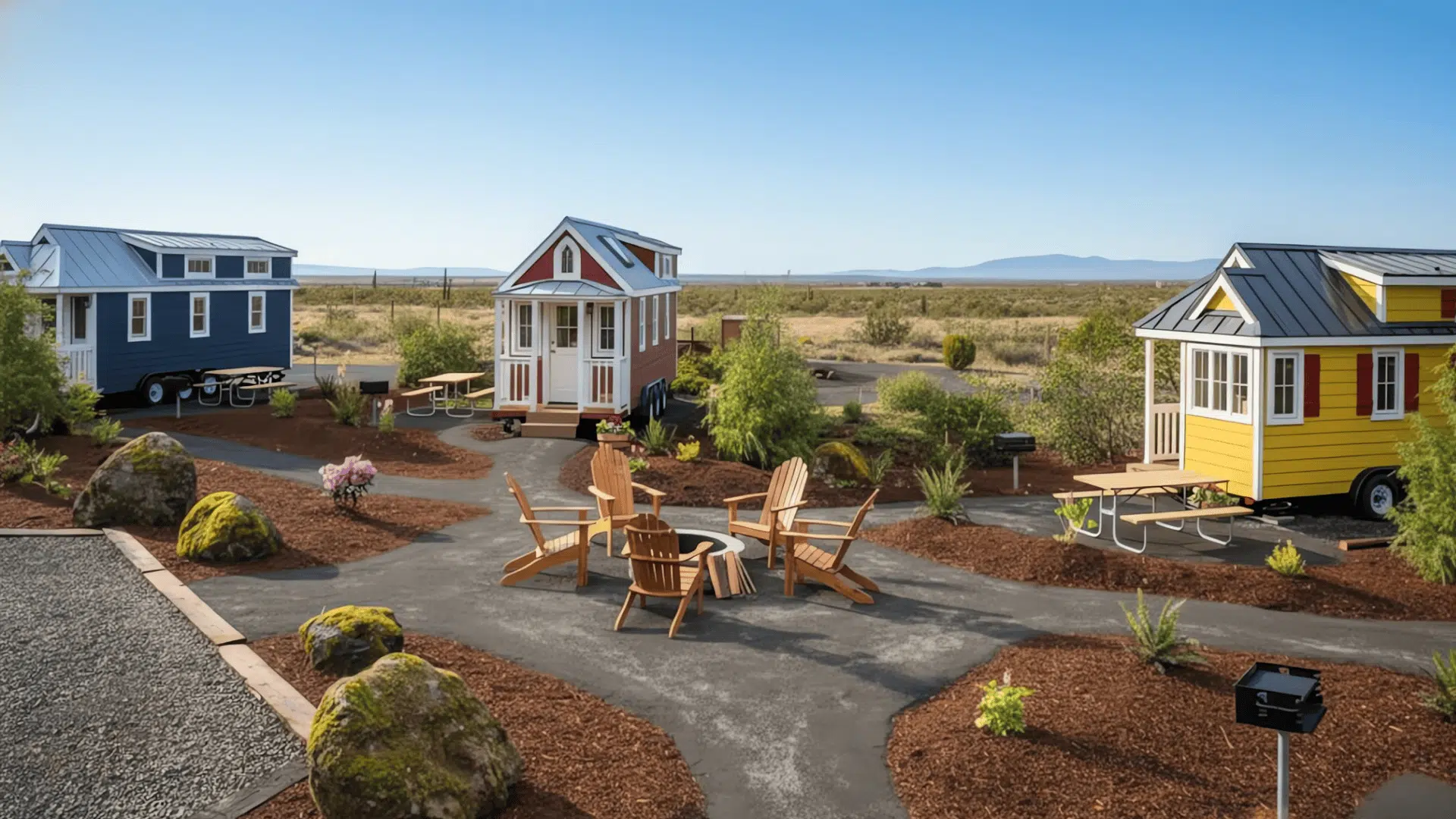
Starting a tiny home community takes planning, legal awareness, and patience. Zoning rules vary by location, so understanding them early can save time and money:
1. Zoning Laws and Permits:
Zoning rules define where tiny homes can be built. Some classify them as RVs, others as permanent dwellings.
Check with the local planning department to confirm if the land is zoned for residential, mixed-use, or agricultural use. Apply for rezoning or a conditional use permit if needed.
2. Finding Suitable Land:
Choose land that meets zoning rules or can be approved with minor changes. Rural and mixed-use zones usually allow more flexibility.
Ensure the property has access to utilities, roads, and drainage. Land already approved for RV use can simplify setup.
3. Home Types:
Tiny homes on wheels are treated as RVs and easier to move but limited to RV or seasonal zones.
Foundation-built homes need building permits but allow permanent zoning and ownership. Choose based on mobility and long-term goals.
4. Planning and Funding:
Obtain all required permits before construction. Learn funding options such as co-op ownership, private investors, or shared financing.
Budget for infrastructure, landscaping, and common areas that meet safety and code standards.
5. Design and Infrastructure:
Create a layout that supports safe access and reliable utilities. Include roads, parking, and systems for water, electricity, and septic. Add shared spaces or gardens if space allows.
6. Community Organization:
Set maintenance rules and shared-space policies before move-in. Establish a simple management system for decisions and issue resolution. Clear organization supports smooth operation and stability.
Overall, developing a tiny home community depends on compliance with zoning regulations, efficient design, and clear management. Proper planning ensures a functional, legal, and sustainable neighborhood.
Pros and Cons of Tiny Home Communities
Tiny home communities have many benefits, but also a few challenges. The table below outlines both to help you make an informed decision:
| Pros | Cons |
|---|---|
| Affordability: Lower housing and utility costs than traditional homes. | Limited privacy: Close proximity to neighbors reduces personal space. |
| Sustainability: Smaller homes use fewer materials and energy. | Zoning restrictions: Some areas limit or prohibit tiny homes. |
| Community living: Shared amenities and social connections. | Resale challenges: Fewer buyers make resale more difficult. |
| Low maintenance: Less space means fewer repairs and lower upkeep costs. | Storage limits: Limited room for belongings and large items. |
| Efficient space use: Encourages simple, organized living. | Ongoing Fees: Hoa or lot rental fees increase monthly expenses. |
Tiny home communities offer lower costs and shared living benefits but come with limits in space, privacy, and flexibility. Comparing both sides helps decide if they suit your needs.
Wrapping Up
Living in a tiny home community isn’t just about downsizing; it’s about finding balance, purpose, and connection.
You’ve seen how these communities work, what they cost, and how to choose or even build one.
If you’ve been thinking about making the switch, a tiny home community might be the step toward the simpler, more intentional life you’ve been looking for.
Take a look at nearby communities and see which one feels right for you. Your new home could be smaller, but your lifestyle might just feel bigger!











10 Responses
Any tiny home communities in Northeast Iowa or on Lake Michigan& leelanau peninsula any where in Michigan on the west Coast ??
Looking for a tiny home to rent in Georgia
I’m interested in working in this industry. I’m a counselor and have interest in learning more.
Hi I’m a truck driver with 2 dogs looking for a safe a affordable place to like with my 13 year old fur baby and my 5 yr old fur baby mi or ca is ideal
My 3 bedroom house on 2.5 acres cost less than these. Wow!
Interested in joining a tiny home community
What comprehensive information! You broke down the many segments to creating a Tiny Home Village into a manageable and attainable roadmap. It aspires me to take my dream to a reality that I can feel and touch. I am one step closer to creating my reality. Thanks so much!!
I’ve just started looking at tiny homes retiring soon and I think this is for me! I own land in South Carolina but I’m a city girl, looking to purchase in a community. If you can guide me please respond.
I am looking for a small 2 bedroom tiny home with small garage and back yard i live in San jose Ca I am a senior with social security looking to get out of apartment to something more affordable, homes to rent are out of my league and apartments are a no go for me, I want privacy, I do gardening so living in apartment is hard to do I do not know where to look for a tiny home in my area, if you know of any please let me know, I also have section8 i do not know if I qualify for a tiny home,
I previously saw a tiny home community in Conroe, TX or Willis, TX where you can rent little cabins in a community on the water with a pool and laundry room area but can no longer find it. Know of it?