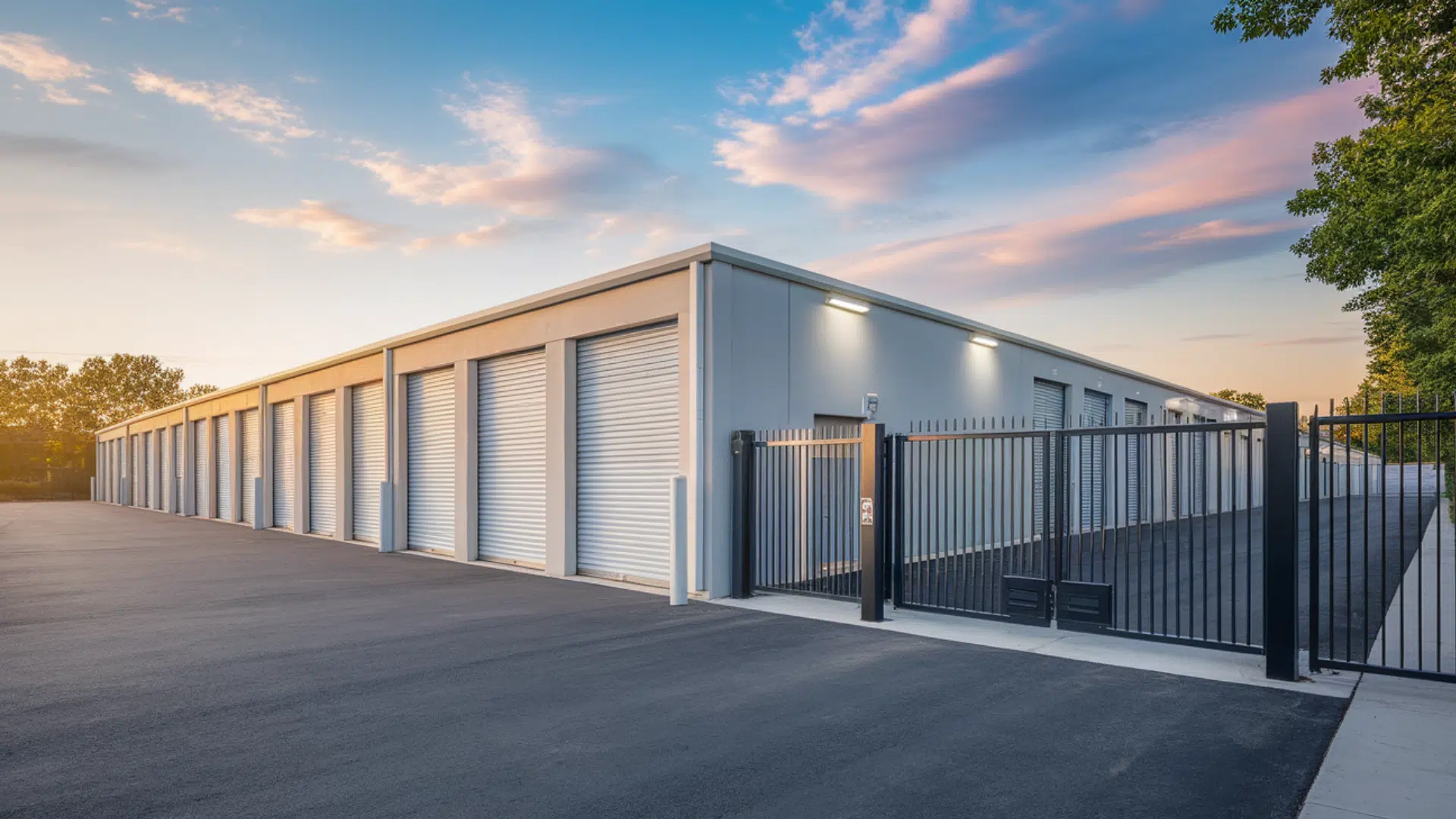
I know how stressful it can feel when you’re running out of space at home or at work. That’s where lock-up storage comes in – it’s an easy, secure way to keep your things safe without giving up what matters most: room to breathe.
In this guide, you’ll learn what lock-up storage means, how it works, and what to look for before renting a unit.
No matter if you’re storing furniture, business inventory, or seasonal gear, this post will walk you through everything you need to know before choosing your storage unit.
What “Lock-Up Storage” Means
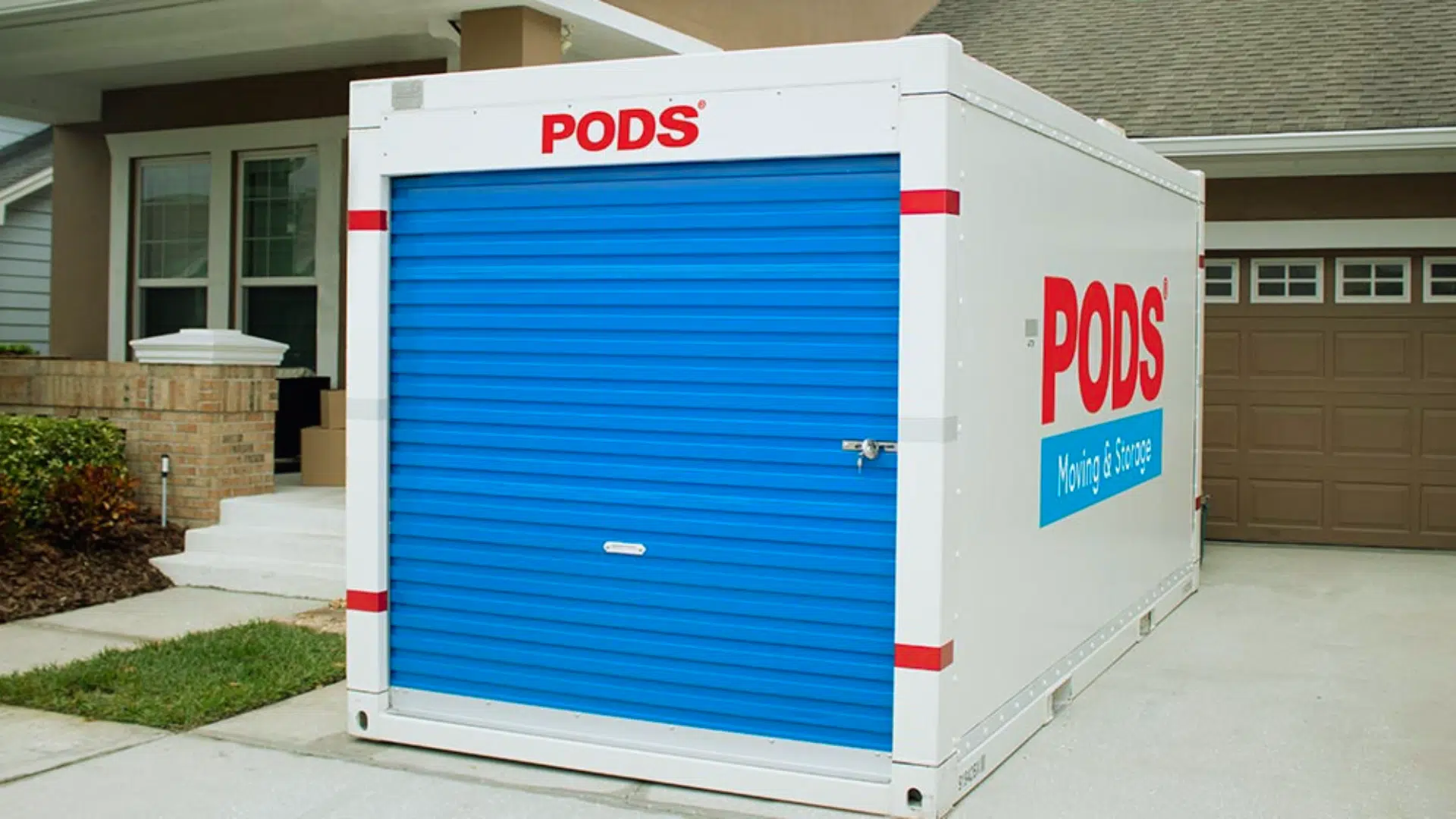
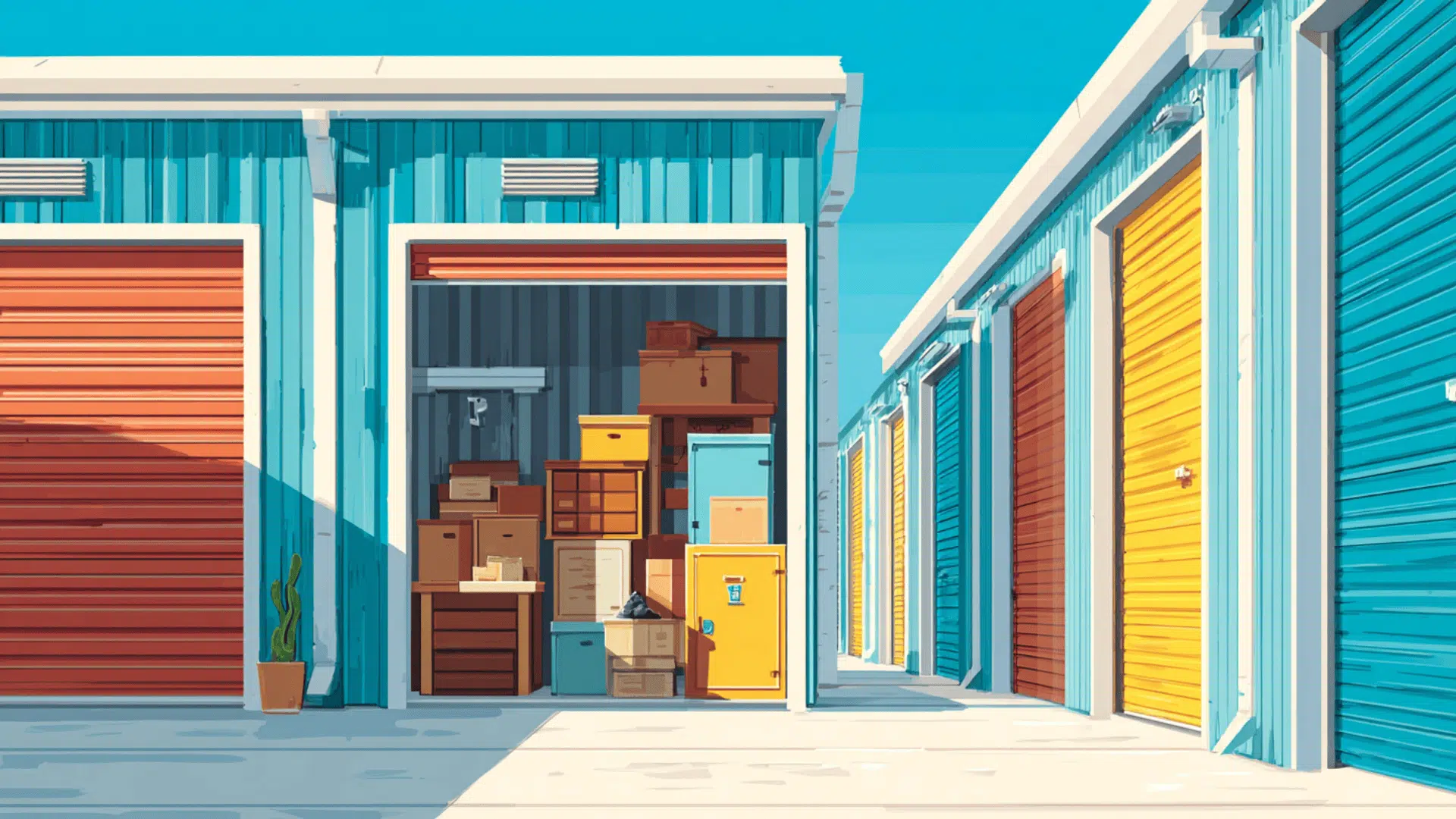
Lock-up storage simply means a secure space you can rent to store your belongings, either short-term or long-term. It’s often called a self-storage unit, and you bring your own lock to keep your things safe.
These units come in different sizes, from small lockers to large spaces big enough for furniture, vehicles, or business inventory.
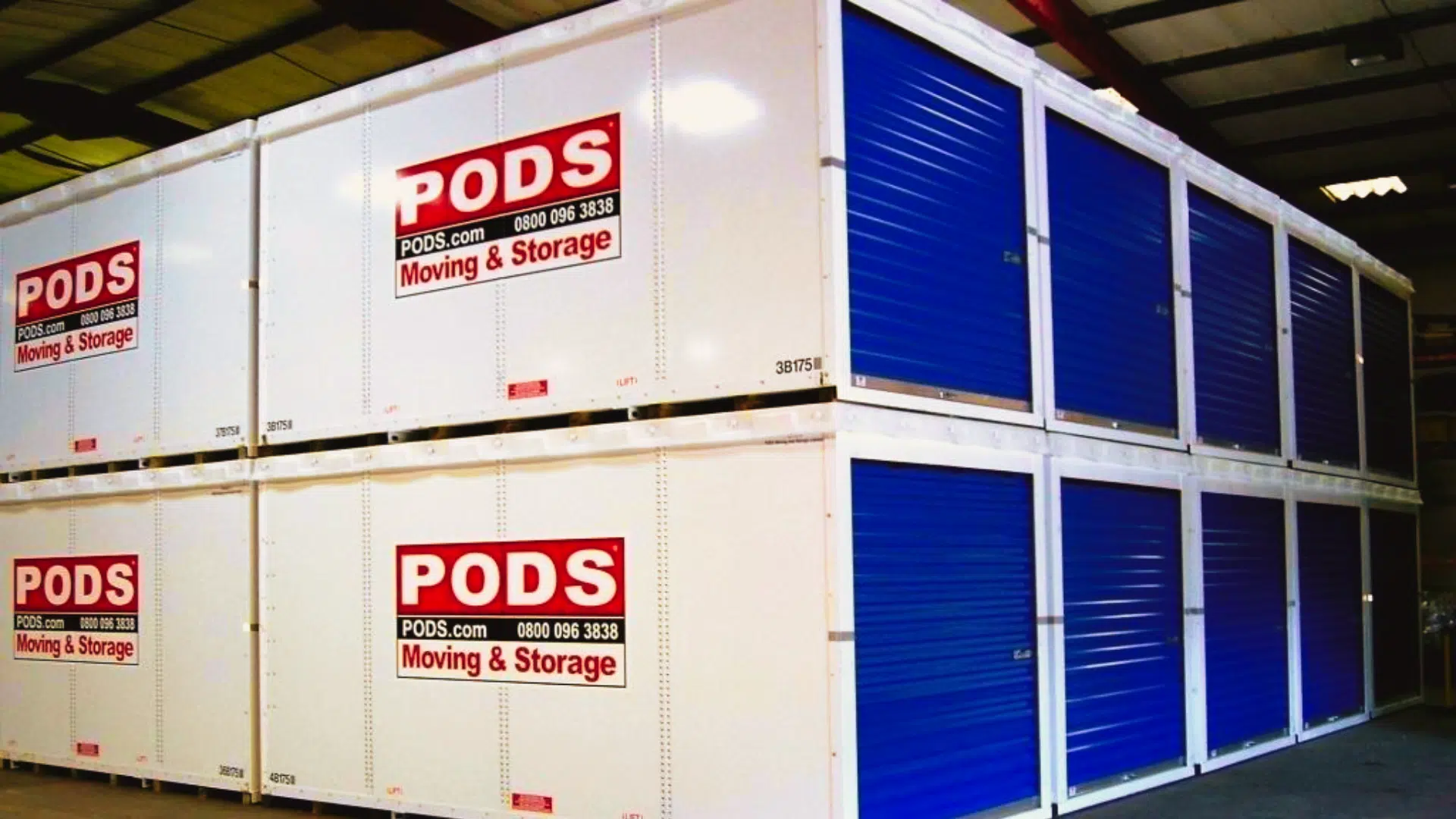
Most facilities are gated, well-lit, and monitored with cameras. You get your own access code, so you can come and go when needed.
It’s like having an extra garage or closet – but much safer and more convenient.
Who Uses Lock-Up Storage
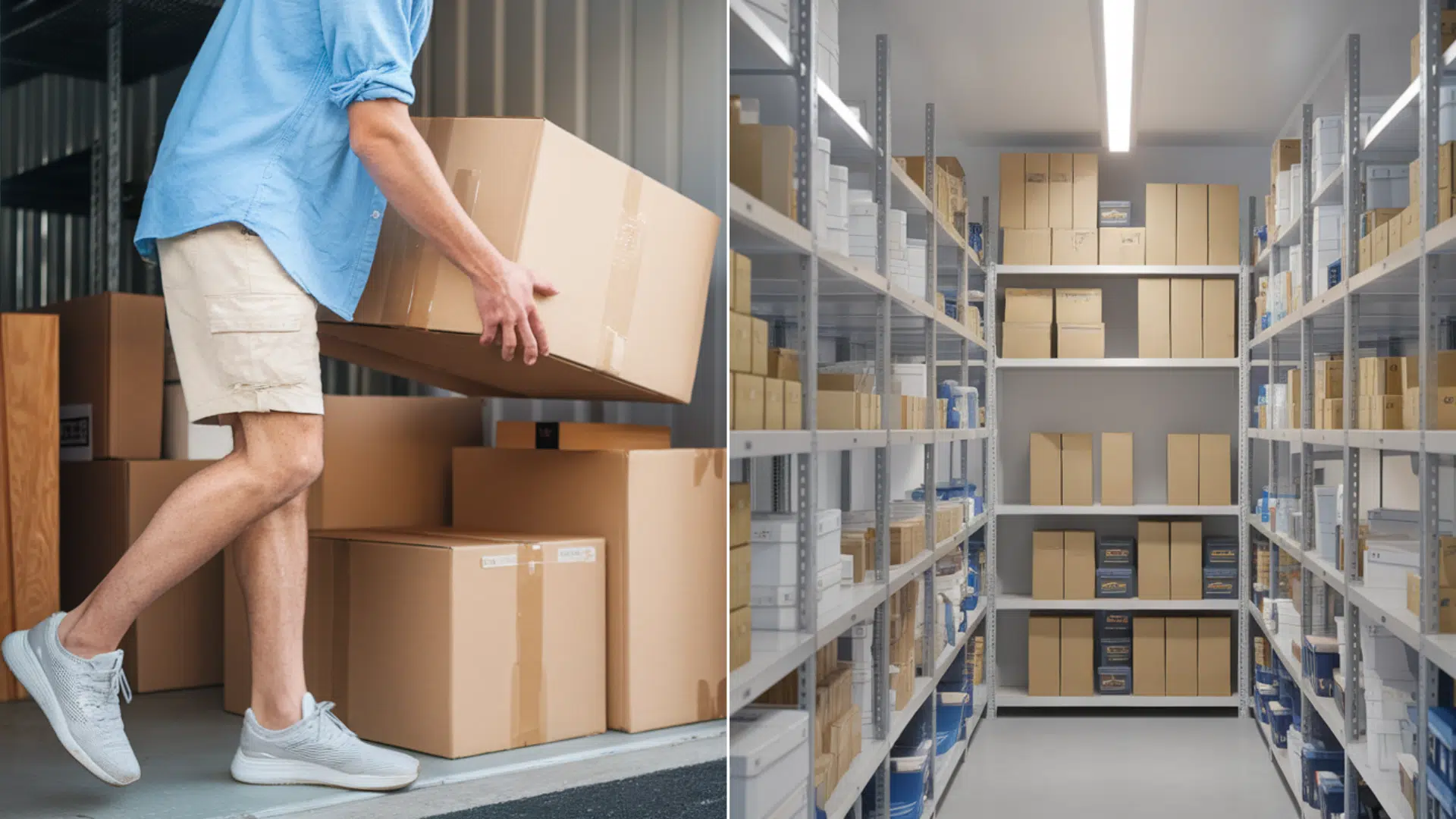
Many people use lock-up storage for different reasons. It’s a flexible way to keep things safe when space at home or work starts running low.
Personal Use
- Moving or renovating and need temporary space for furniture.
- Storing seasonal items like holiday décor or sports gear.
- Keeping sentimental belongings safe when downsizing.
- Protecting valuables during travel or long-term stays away from home.
Business Use
- Storing inventory, equipment, or supplies off-site.
- Keeping old files or records organized and secure.
- Using as overflow space during office moves or remodels.
- Holding promotional or trade show materials between events.
Unit Types And Size Guide
Choosing the right storage unit size helps you avoid paying for extra space you don’t need. Lock-up storage units come in a range of sizes, each designed for specific uses – from small personal items to large furniture or business supplies.
1. 5×5 Storage Unit
A 5×5 unit is about the size of a small walk-in closet. It’s great for storing boxes, small furniture, or personal items you don’t use daily.
Many people rent this size when cleaning out a spare room, decluttering, or storing off-season items like holiday décor, camping gear, or sports equipment.
It’s also perfect for students who need a secure spot for dorm essentials during summer break.
2. 5×10 Storage Unit
This unit is roughly the size of a large walk-in closet or small shed. You can fit small furniture like chairs, a dresser, mattress sets, or several medium boxes.
It’s ideal if you’re moving out of a studio apartment or need to store furniture while remodeling. Business owners often use it for storing office supplies, tools, or marketing materials without taking up office space.
3. 10×10 Storage Unit
A 10×10 unit is one of the most popular sizes and is about the size of a standard bedroom. It can hold the contents of a one- to two-bedroom apartment, including sofas, tables, appliances, and boxes.
This size is perfect for people moving between homes, renovating, or storing furniture long-term. With proper stacking and shelving, you can make the most of its space and keep things organized.
4. 10×20 Storage Unit
A 10×20 unit is similar in size to a one-car garage. It can fit large items like sectionals, dining sets, refrigerators, and washers, along with dozens of boxes.
Many families use it when moving from a multi-bedroom home or storing items during extended travel.
Small business owners also find it useful for keeping tools, equipment, or inventory safely locked away without renting warehouse space.
5. 10×30 Storage Unit
The 10×30 unit offers one of the largest storage capacities available. It can hold the entire contents of a large home, including multiple bedrooms, furniture sets, large appliances, outdoor gear, and even vehicles.
It’s ideal for people relocating long-distance, storing estate belongings, or running a business that requires bulk storage. With its generous size, it offers flexibility for both personal and commercial needs.
Climate-Controlled vs. Standard Units
When you rent a storage unit, one big choice is between climate-controlled and standard spaces. Both keep your belongings secure, but they protect items differently depending on temperature and humidity needs.
| Feature | Climate-Controlled Units | Standard Units |
|---|---|---|
| Temperature | Kept between 55–80°F year-round | Exposed to outside weather |
| Humidity | Managed to prevent moisture and mold | No humidity control |
| Best For | Furniture, electronics, photos, clothes, instruments, collectibles | Tools, plastic bins, outdoor gear, metal items |
| Location | Usually indoors in the main building | Often outdoors or drive-up access |
| Cost | Slightly higher monthly rent | More affordable option |
Both types work well – it just depends on what you’re storing and how long. For valuable or sensitive items, go climate-controlled; for sturdy items, standard units get the job done at a lower cost.
Pricing 101: How Lock Up Storage Costs Work
When you look into renting a storage unit, it helps to know how pricing works so you don’t get surprised.
| Unit Size | Standard Unit (Monthly) | Climate-Controlled Unit (Monthly) | Typical Use / Capacity |
|---|---|---|---|
| 5 × 5 ft | $40 – $90 | $60 – $110 | Boxes, small furniture, seasonal items |
| 5 × 10 ft | $60 – $140 | $80 – $150 | Studio apartment contents, small furniture |
| 10 × 10 ft | $100 – $200 | $150 – $250 | 1-2 bedroom apartment furnishings, packed boxes |
| 10 × 15 ft | $150 – $260 | $200 – $300 | 2-3 bedroom home contents, larger furniture/appliances |
| 10 × 20 ft | $200 – $300 | $250 – $350 | Larger home contents, vehicles, or business inventory |
| 10 × 30 ft | $300 – $400+ | $380 – $500+ | Full house contents, multiple vehicles, or large business storage |
Keep in mind:
- These ranges reflect U.S. national averages and will vary by city and facility.
- Climate‐controlled units cost more because they manage temperature and humidity.
- Access level (drive-up vs hallway), security, floor level, and location all affect price.
Use this table to compare quotes and pick a size/type that fits your stuff and your budget.
Step-By-Step: Choosing & Renting Your Storage Unit
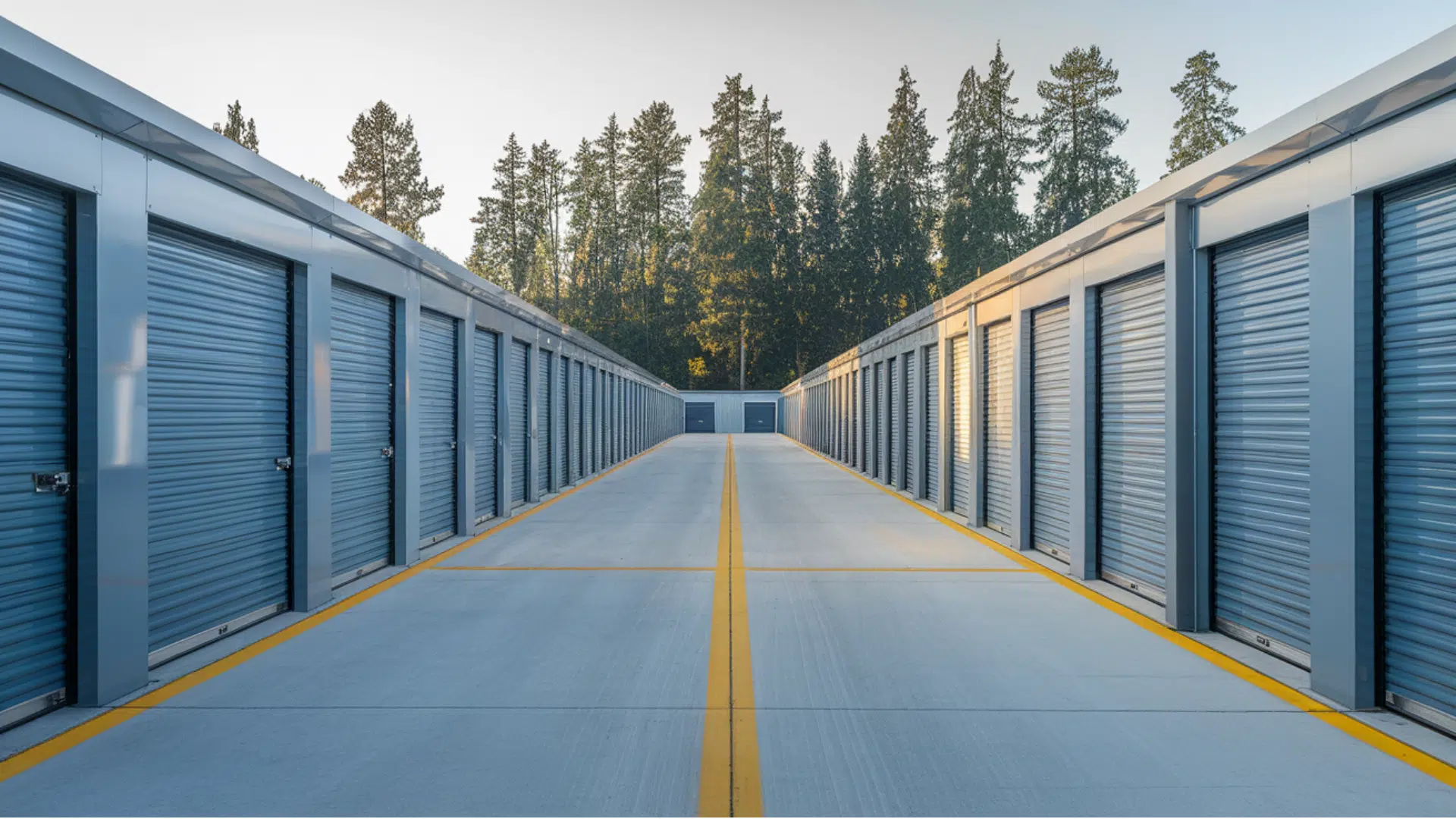
Finding and renting a lock-up storage unit is easier than most people think. You just need to follow a few simple steps to make sure you get the right space, price, and features for your needs.
Step 1: Figure Out What You’re Storing
Start by making a detailed list of everything you plan to store – from boxes and small furniture to appliances or vehicles. This helps you estimate how much space you’ll need and whether you’ll want climate control. Think about how long you’ll be storing these items, too, since long-term storage may need more protection.
Step 2: Compare Local Facilities
Search for storage facilities near your home or workplace. Read online reviews, check ratings, and ask about their security systems, lighting, and access hours. It’s worth comparing more than one location to find the cleanest, safest, and most affordable option.
Step 3: Visit In Person Or Take A Virtual Tour
Before renting, it’s smart to see the facility yourself or see their virtual tour online. This lets you check cleanliness, unit condition, and how easy it is to move items in and out. You can also test gate access or elevator operation. Seeing the space helps you picture how your items will fit before you move everything in.
Step 4: Check Prices And Promotions
Compare rental rates, but don’t just pick the cheapest one. Look at what’s included—security, insurance, climate control, or 24-hour access. Ask about discounts for first-time renters, online reservations, or long-term contracts. Be clear about extra costs like deposits, late fees, or lock purchases so there are no surprises later.
Step 5: Reserve And Sign The Lease
Once you’ve chosen a unit, reserve it right away since popular sizes go fast. Most facilities let you do this online, but you can also stop by in person. Read through the lease carefully and ask about payment terms, insurance options, and cancellation policies.
Step 6: Move In And Organize
Pack your items safely and bring a few moving supplies like labels, bubble wrap, and straps. Place heavier items at the bottom, fragile ones up top, and leave an aisle so you can reach things later. Keeping a simple inventory list helps you remember what’s inside without digging through boxes every time.
Security, Convenience, & Safety Rules For Lock-Up Storage
When choosing a storage unit, security and safety should be your top priorities. A good facility keeps your belongings protected while making it easy for you to access them whenever needed.
Security Features To Look For:
- 24/7 Surveillance: Facilities should have cameras covering entrances, hallways, and outdoor areas.
- Controlled Gate Access: A personal code or keycard ensures only renters can enter the property.
- On-Site Management: Staff presence helps monitor activity and respond quickly to issues.
- Bright Lighting: Well-lit driveways and hallways make visits safer, even after dark.
- Individual Unit Locks: Always use a sturdy, weather-resistant lock to keep your unit secure.
Convenience Features That Make A Difference:
- Drive-Up Access: Lets you load and unload directly from your vehicle.
- Elevators & Carts: Helpful for moving heavy boxes or furniture in multi-story buildings.
- Online Account Access: Pay bills, manage your lease, or update details easily from your phone.
- Extended Access Hours: Some places offer 24-hour entry for extra flexibility.
Items You Should Never Store:
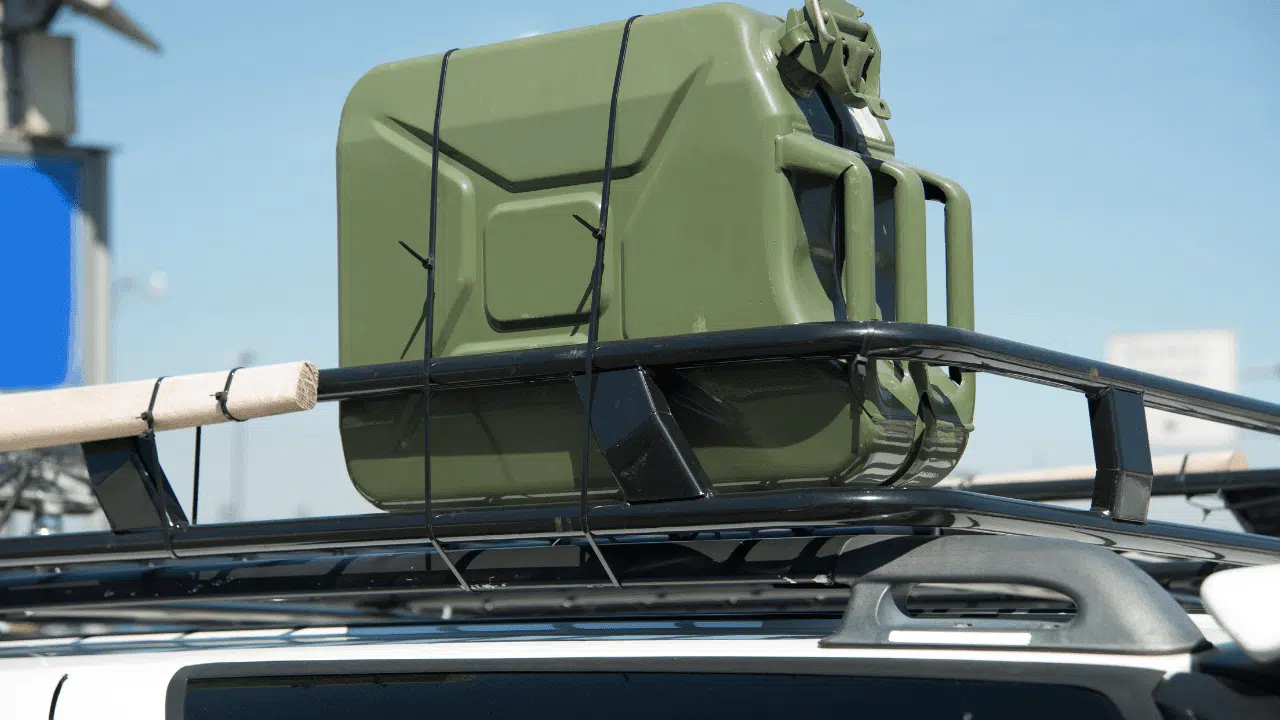
- Flammable or Explosive Materials: Gasoline, propane, fireworks, or paint thinners are not allowed.
- Perishable Goods: Food, plants, or anything that attracts pests should be kept out.
- Illegal Substances or Weapons: Against storage facility policies and the law.
- Living Beings: Animals, humans, or anything that requires air or care can’t be stored.
- Hazardous Waste: Chemicals, batteries, and medical waste pose serious safety risks.
Following these rules helps keep your belongings and everyone else’s safe. Choose a storage facility that prioritizes both protection and convenience for the best long-term experience.
Conclusion
Lock-up storage is one of the easiest ways to keep your belongings safe, organized, and out of the way.
Whether you’re moving, running a business, or just need extra space, finding the right unit makes a big difference.
Look for secure facilities with fair prices, clear rules, and friendly support so you can store with confidence. Remember to choose a size that fits your needs and follow safety guidelines for peace of mind.
If you’re ready to get started, compare nearby storage options today and pick the one that fits your budget and lifestyle best. Your perfect storage space is waiting, just reserve it and move in.