A roof rarely fails overnight. More often, small signs of wear begin adding up until repairs that once made sense become temporary fixes for a much larger problem. A missing shingle here or a minor leak there may be manageable, but recurring damage can eventually make replacement the more practical choice.
Knowing when your roof has crossed that line can help you avoid emergency repairs, interior damage, and the frustration of spending money on problems that keep coming back. The key is to look at the roof as a complete system rather than focusing only on the latest issue.
Age Can Change the Repair Equation
Roof age does not automatically determine whether replacement is necessary, but it provides important context.
Asphalt shingles gradually lose flexibility and weather resistance over time. A relatively young roof with one damaged area may be an excellent candidate for repair. An older roof showing deterioration across several sections deserves a different conversation.
If you are unsure how old your roof is, previous inspection reports, home improvement records, invoices, or documents from the purchase of the property may provide clues.
Age becomes particularly important when combined with other warning signs. Frequent leaks, curling shingles, granule loss, and repeated repairs on an older roof can indicate that fixing individual problems is no longer addressing the bigger issue.
Water Has a Way of Revealing Bigger Problems
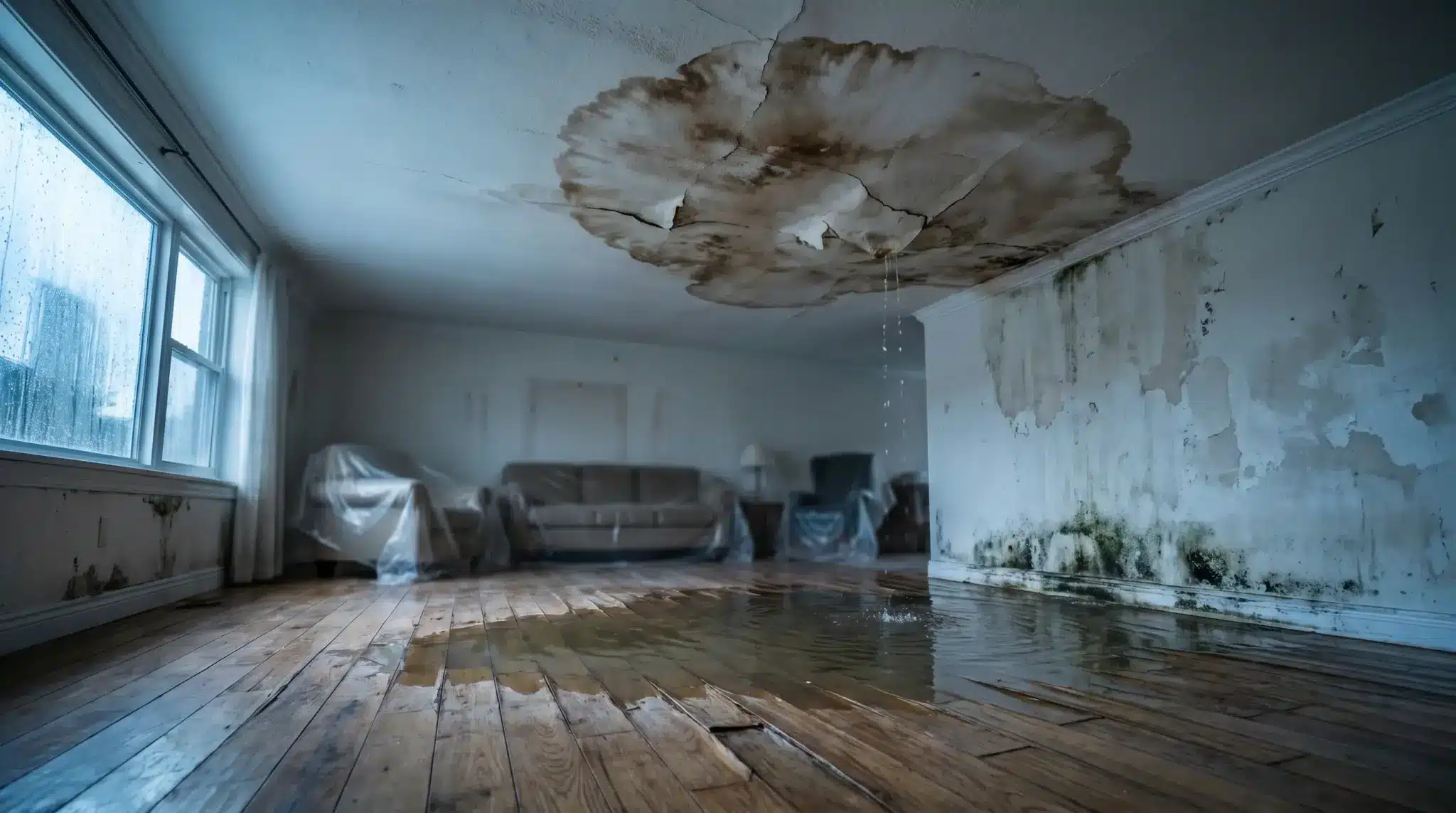
A ceiling stain may look minor, but the visible mark is not always where the problem began.
Water can travel beneath shingles, along decking, and through insulation before finally appearing indoors. By the time discoloration becomes noticeable, moisture may already have affected materials hidden from view.
Other warning signs can include musty odors, damp insulation, peeling paint near ceilings, mold growth, or visible moisture in the attic.
One leak does not automatically mean the entire roof needs replacing. Repeated leaks in different areas are more concerning because they may indicate that deterioration is no longer confined to a single section.
When problems keep returning, a roof replacement company can assess whether another targeted repair is likely to provide lasting value or whether the roofing system has reached the point where replacement deserves consideration.
Shingles Often Reveal What Is Happening Above
You do not necessarily need a major leak to know that a roof is struggling. Shingles can provide some of the earliest visible clues.
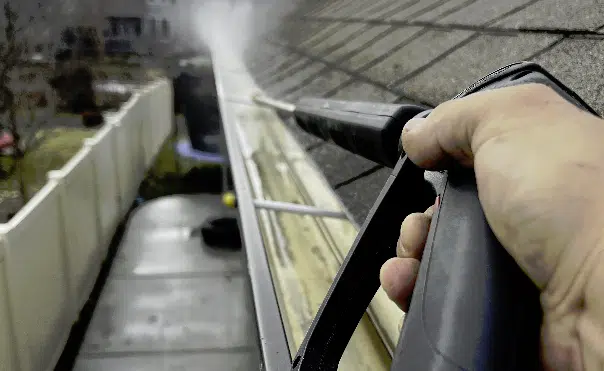
Missing, cracked, curling, or buckling shingles can leave the layers beneath them more vulnerable to moisture. Another sign is excessive granule loss. Those small particles covering asphalt shingles help protect the material, so finding increasing amounts of them in gutters can indicate advancing wear.
Learning the common signs that a roof may need replacement can make it easier to understand whether you are dealing with an isolated defect or a broader pattern of deterioration.
Distribution matters. A handful of shingles damaged during one event may be repairable. Similar problems appearing across multiple sections suggest the roofing material itself may be reaching the end of its useful service life.
Storm Damage Is Not Always Easy to Spot
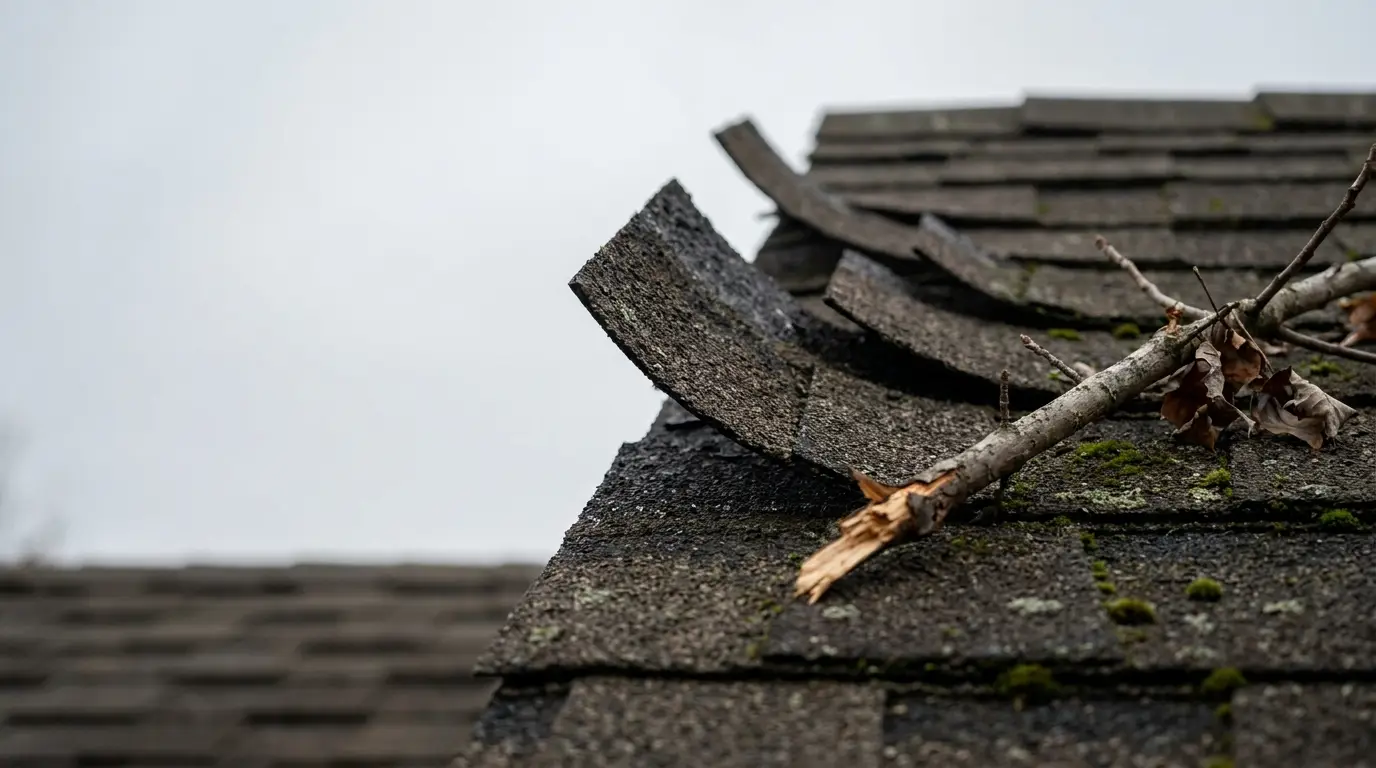
Severe weather does not have to tear away an entire section of roofing to cause trouble.
Wind can loosen shingles without removing them completely. Hail may damage their protective surfaces, while falling branches can affect shingles, flashing, or the materials underneath. Some of these problems can be difficult to identify from the ground.
After significant weather, look for obvious changes from a safe location. Missing shingles, displaced materials, debris, damaged gutters, or pieces of roofing material around the property can all justify a closer inspection.
The absence of dramatic visible damage does not necessarily mean everything is fine. Small weaknesses can allow moisture to enter gradually, turning a manageable repair into a more extensive problem over time.
Your Attic May Tell the Story First
Some of the most useful information about roof condition is found underneath it.
An attic can reveal moisture problems that are not yet visible in living spaces. Damp insulation, staining on wood, mold, condensation, or daylight entering through unexpected gaps can signal that something needs attention.
The attic also plays an important role in ventilation. Poor airflow can allow heat and moisture to accumulate, potentially affecting roofing materials and indoor comfort.
A broader home inspection typically considers roofing components such as shingles, flashing, drainage, and roof penetrations alongside the structure beneath them. Looking at these elements together can provide a clearer picture than focusing on surface appearance alone.
Problems inside the attic do not always mean replacement is required, but they can reveal why simply replacing a few shingles may not solve the underlying issue.
Repeated Repairs Can Become False Economy
A repair usually costs less upfront than replacing an entire roof. That does not automatically make it the less expensive choice over time.
Imagine repairing flashing one year, replacing damaged shingles the next, and dealing with another leak several months later. Each expense may seem reasonable individually, but together they can become a pattern of spending without achieving long-term stability.
This is where repair history becomes useful.
If problems are isolated and the rest of the roof remains in good condition, repairs can provide excellent value. If new problems keep appearing across an aging roof, continued patching may simply postpone an inevitable replacement.
The better question is not, “Can this be repaired?” Many roofing problems technically can. Instead, ask whether the repair is likely to deliver enough additional service life to justify its cost.
Comfort Problems Can Add Another Clue
Roofing problems sometimes show up in ways homeowners do not immediately connect with the roof.
Rooms that become unusually hot or cold, persistent attic moisture, or noticeable changes in indoor comfort can point toward issues involving insulation or ventilation. These problems may exist independently of the roof, but they are worth investigating when they appear alongside visible roofing deterioration.
Replacing shingles alone will not solve every comfort or efficiency issue. However, a larger roofing project can provide an opportunity to identify problems involving ventilation, damaged decking, or other components that might otherwise remain hidden.
That is another reason to evaluate the roof as a system rather than simply replacing whatever looks damaged from outside.
Know When Another Patch Is No Longer Enough
The decision between repair and replacement is rarely based on one warning sign.
Roof age, the extent of shingle deterioration, moisture problems, storm damage, attic conditions, and repair history all contribute to the bigger picture. A roof with one isolated defect may have years of useful life remaining. A roof showing several of these problems at once may be telling a different story.
A thorough inspection can help determine whether damage is concentrated in one area or spread throughout the roofing system. It can also uncover problems beneath the surface that may influence the long-term value of another repair.
Most importantly, do not wait for a major leak to start paying attention. Tracking changes and addressing problems early gives you more control over the decision.
There is nothing wrong with repairing a roof when a repair makes sense. The mistake is continuing to patch a deteriorating system simply because each individual fix looks cheaper. Knowing when that equation has changed can help you protect your home, manage costs more effectively, and replace the roof on your schedule rather than during an emergency.