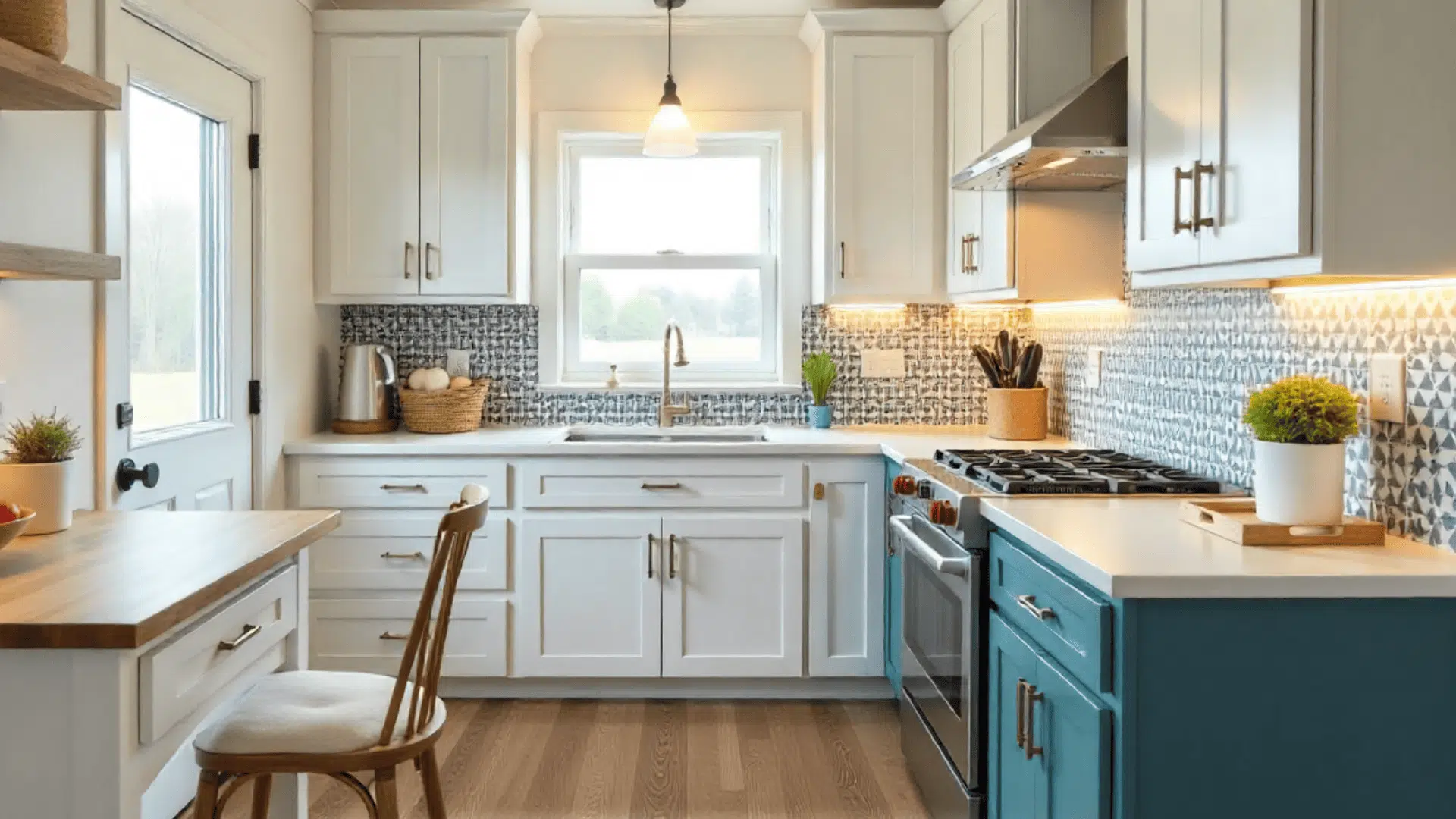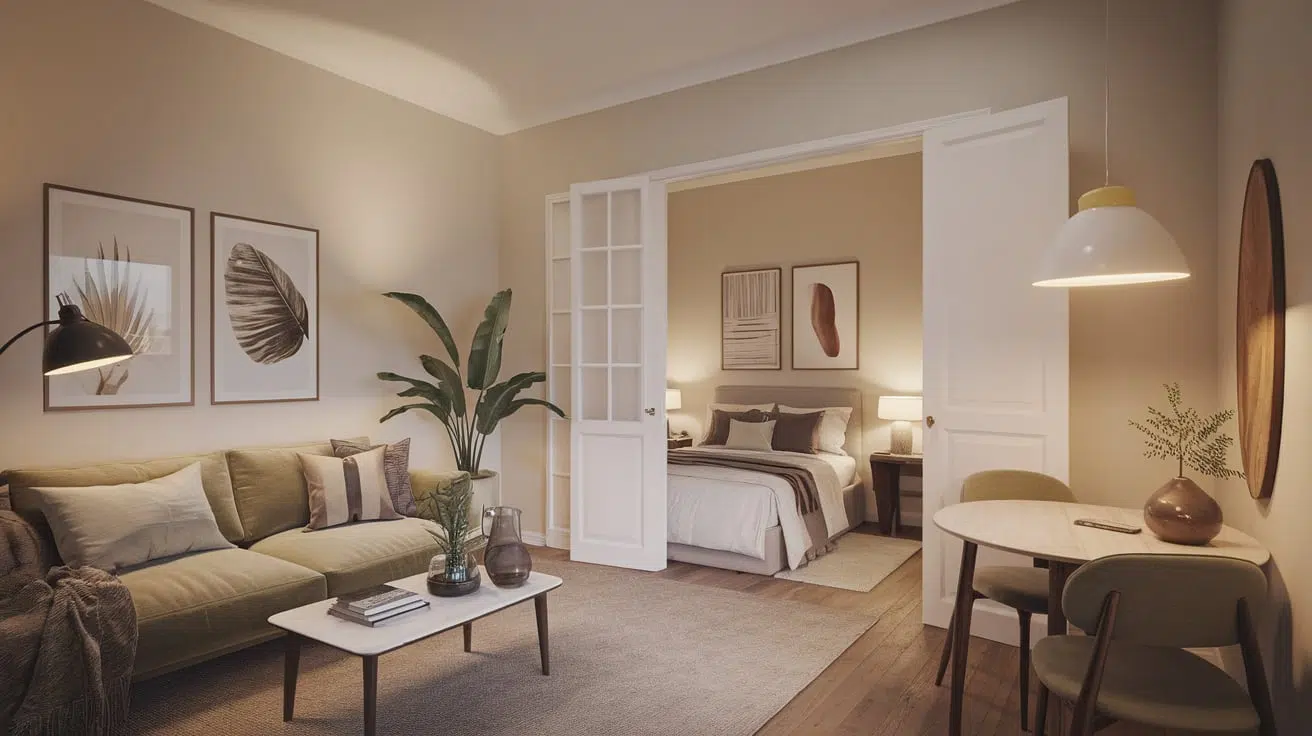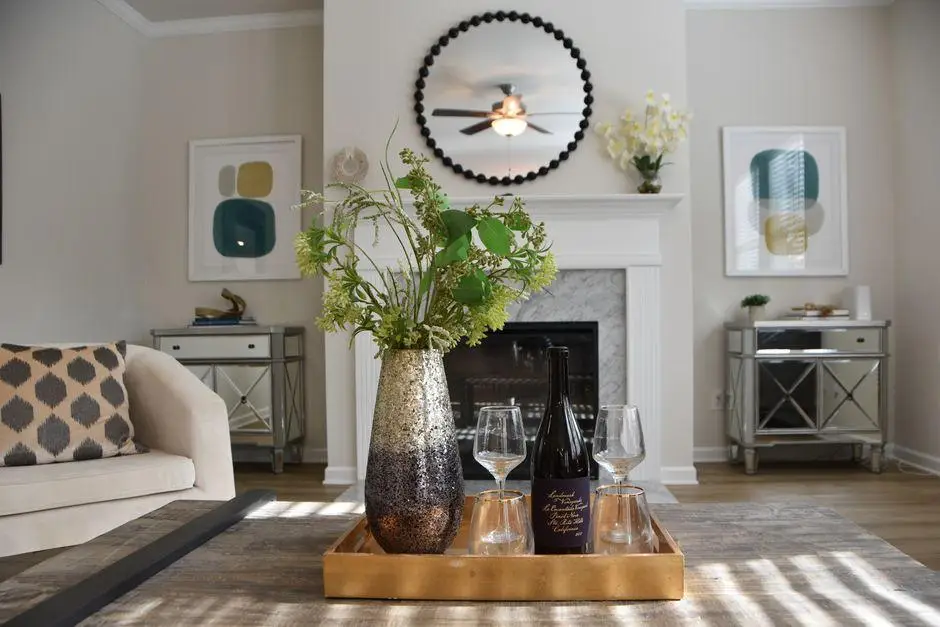
Art-inspired decorating works best when artwork is not treated as the final object added to a finished room. A painting, photograph, illustration, or textile can establish the palette, mood, movement, and even the shapes that guide everything around it. Starting with art also produces rooms that feel collected rather than copied from a showroom.
The challenge is translating a piece you love into an interior without matching every cushion to it. A successful room borrows selectively: perhaps a secondary color appears in upholstery, a curved line is echoed in a lamp, or the atmosphere of a landscape influences the room’s materials. That creates connection while allowing the artwork to remain distinctive.
Start With Art That Gives the Room a Point of View
The most useful starting piece is not necessarily the one that perfectly matches the sofa. It is art that creates a reaction and gives you something to build around. Independent artists can be particularly useful when you want a room to feel less standardized. The Society6 Artist Community brings together independent artists whose designs appear across wall art and home-decor formats, giving homeowners access to varied subjects, mediums, and visual styles.
Once you have a piece, study it before buying coordinating decor. Identify two or three qualities worth carrying into the room. A graphic print might suggest strong contrast and clean geometry. A botanical watercolor could lead toward softer greens, natural wood, and linen. You are translating the artwork’s visual language, not reproducing every detail.
Pull a Palette From the Supporting Colors
The most dominant color in an artwork does not always make the best wall or upholstery color. Look at secondary shades instead. They can connect the room to the art without making the entire space feel themed.
Imagine a print dominated by rust and terracotta with small areas of dusty blue. Covering the room in orange may overwhelm the artwork, while repeating the blue through a chair, throw, or ceramic object can create a quieter relationship. Neutrals can then give stronger colors enough room to breathe.
Before committing to paint, view samples beside the artwork at different times of day. Natural and artificial light can alter both paint and art, so a combination that works in bright daylight may feel different at night.
Repeat Shapes Without Copying the Artwork
Color is only one way to connect art and furniture. Shape can create an equally strong relationship.
If a piece contains sweeping curves, repeat that language subtly through a rounded side table, arched mirror, or globe-shaped lamp. Angular abstract art might work well with rectilinear shelving or a sharply structured coffee table.
Keep the repetition restrained. Two or three echoes are usually enough to establish a visual conversation. Too many literal references can make the room feel staged around a theme.
Give Large Art Enough Visual Breathing Room
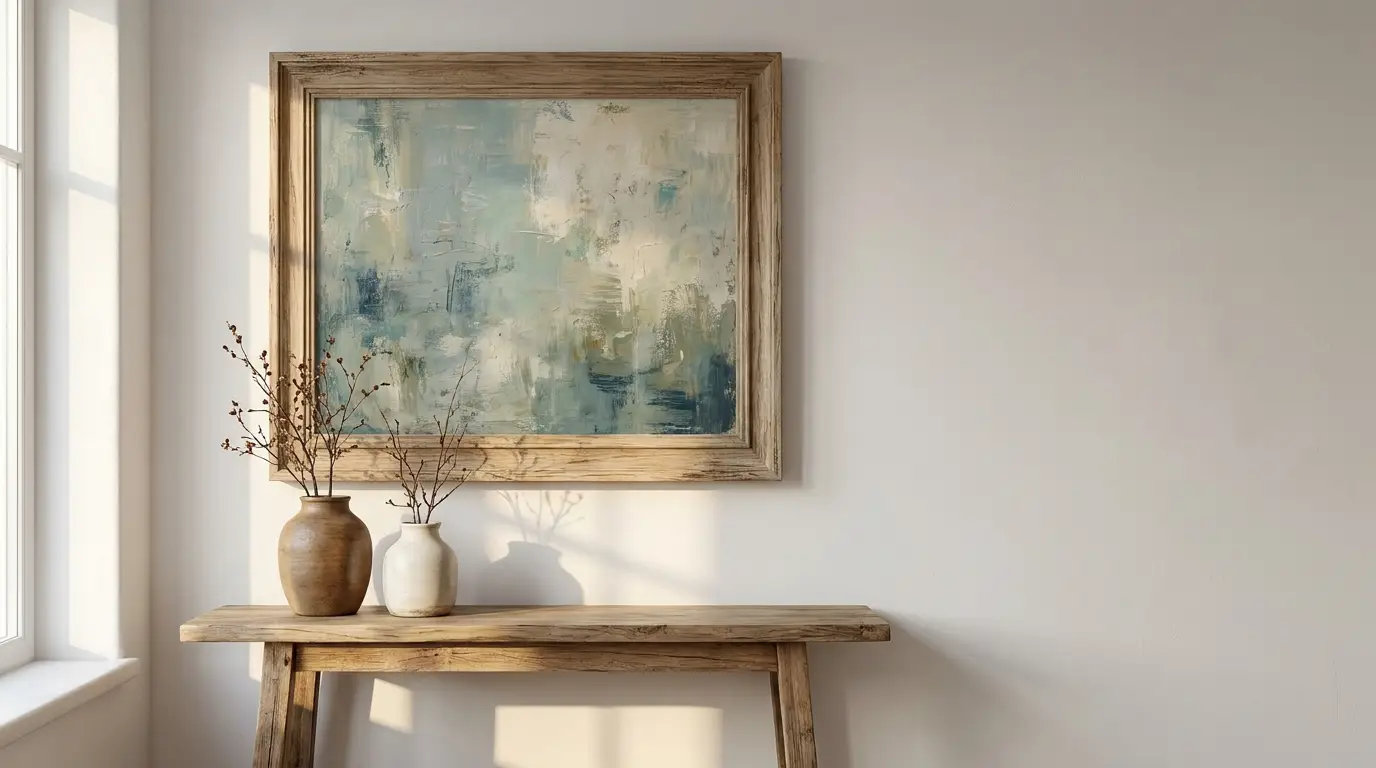
Consider the relationship between the artwork and the furniture beneath it. Above a sofa, console, or bed, the piece should feel connected to the furniture grouping rather than floating independently near the ceiling. Exact placement depends on scale, ceiling height, and the work itself, so evaluate the whole wall before drilling.
Temporary paper templates can help. Cut paper to the dimensions of the proposed artwork and tape it to the wall. This makes scale and placement much easier to judge before committing.
Build Gallery Walls Around a Common Thread
Gallery walls can combine different artists, subjects, sizes, and mediums without becoming chaotic. The secret is giving the collection at least one organizing principle.
That connection might be a limited palette, similar frame finishes, a recurring subject, or consistent spacing. Alternatively, the works may share an emotional quality even if their visual styles differ.
Lay the arrangement on the floor first and photograph versions you like. Start with the largest or most visually dominant work, then build outward. Mixing orientations prevents the arrangement from becoming too rigid, while consistent gaps can keep it intentional.
Carry Art Beyond the Walls
An art-led interior does not have to confine creativity to framed prints. Pattern and illustration can appear on rugs, pillows, curtains, bedding, or other textiles, allowing visual ideas to move throughout the room.
The key is hierarchy. If the wall art is bold and detailed, supporting textiles may work better with simpler patterns or colors pulled from the artwork. If the walls are restrained, a patterned rug or expressive textile can become the room’s main artistic gesture.
Think about texture as well as imagery. Woven fabrics, velvet, wood, metal, glass, and ceramics respond differently to light and can reinforce the mood suggested by the art without repeating its subject.
Use Lighting to Treat Art as Part of the Architecture
Poor lighting can flatten even a thoughtfully designed art display. Daylight changes throughout the day, while overhead fixtures may leave wall art dim or create distracting glare.
Observe where natural light falls before deciding how much additional illumination is needed. Picture lights, adjustable ceiling fixtures, or nearby lamps can help create emphasis, but the appropriate solution depends on the artwork and room.
Be cautious about direct sunlight, particularly with works or materials that may be sensitive to prolonged exposure. Glazing choices and placement can also affect reflections.
Good lighting should help the art feel integrated into the room rather than dramatically spotlighted for its own sake.
Let Different Rooms Have Different Artistic Personalities
A cohesive home does not require every room to follow one aesthetic. Art offers an easy way to let spaces develop individual personalities while retaining a broader sense of connection.
A living room might feature energetic abstract work, while a bedroom uses quieter landscapes or soft photography. A home office can support graphic, stimulating imagery that would feel too active beside the bed. Even bathrooms and hallways can become places for smaller works that might disappear in a larger room.
Continuity can come from recurring frame materials, related colors, or a consistent preference for certain mediums rather than identical subject matter.
Edit the Room After the Art Is Installed
Decorating often improves when something is removed. Once the artwork, furniture, lighting, and textiles are in place, step back and identify where objects are competing for attention.
A strong artwork may make several decorative accessories unnecessary. Conversely, a quiet piece might benefit from a nearby object that repeats one of its colors or forms. Move objects between rooms before buying more; an existing lamp, vase, or textile may suddenly make sense in a new context.
Art-inspired decorating is ultimately less about matching and more about responding. The artwork provides a starting vocabulary of color, shape, texture, and mood, while the room develops its own interpretation.
That approach produces interiors with a personal point of view. Instead of asking whether every object coordinates perfectly, ask whether the pieces seem to belong in the same conversation. When they do, art stops functioning as decoration applied at the end and becomes part of the structure of the room itself.