
A moving quote can look straightforward until the actual job begins. Stairs add time, a condo loading dock has strict booking hours, an oversized sofa needs extra handling, or a long-distance move includes storage for several days. The company you hire needs to anticipate those details before moving day rather than turning them into unexpected charges after your belongings are already on the truck.
Choosing a moving company in Ontario therefore calls for more than comparing hourly rates. You need to know who will handle your belongings, how the company calculates the price, what happens if something breaks, and how it deals with changes to the agreed plan. A careful review before signing can prevent many of the disputes that make an already demanding move much harder.
Look for Evidence That the Business Is Established and Reachable
Start with information you can verify. The company should have a real business name, working telephone number, clear contact details, and an address you can identify. Search the company independently rather than relying entirely on links sent by a salesperson. Reviews can help, but read the details inside them. Repeated comments about surprise charges, late arrivals, damaged items, or unanswered claims deserve more attention than the average star rating.
Ontario does not issue a general provincial license specifically for moving companies, so consumers cannot rely on a mover’s claim of being “licensed” as proof of quality. Ontario’s consumer guidance recommends checking references and reviewing complaint information before hiring. That makes the company’s history, documentation, insurance, and business practices especially important.
Pay attention to communication during the quotation stage. Does someone ask detailed questions about your move, or do they immediately produce a low price based on little information? A careful estimator should want to know the addresses, home type, approximate inventory, stairs, elevators, walking distance from the truck, large or fragile items, packing requirements, and preferred dates. The quality of those questions tells you a great deal about how the company prepares for jobs.
Treat the Estimate as a Test of Professionalism
A useful moving estimate explains how the price works. If the company charges by the hour, ask when the clock starts, how travel time works, how many movers the rate includes, and what happens if the job runs longer than expected. For a fixed-price move, confirm exactly which services and items the quote covers.
Ask about additional charges before comparing totals. Common examples can include packing materials, stairs, long carries, heavy objects, storage, extra stops, assembly work, or special handling. A quote that appears cheaper can become the expensive option once several unlisted charges appear on the final bill.
Ontario consumer rules give written estimates particular importance. Provincial guidance states that when a moving contract contains an estimate, the mover generally cannot charge more than 10 percent above it unless the customer agrees to additional supplies or services. Moving-service contracts worth more than $50 also need to meet written-contract requirements, including information about the services, prices, payment terms, and service dates.
That protection works best when the estimate accurately describes the move. Give the mover complete information. If you forget to mention a garage full of boxes, a piano, or an extra pickup location, the scope has changed. The cleaner the inventory and access information at the beginning, the easier it becomes to compare companies fairly.
Ask Exactly What Happens if Something Gets Damaged
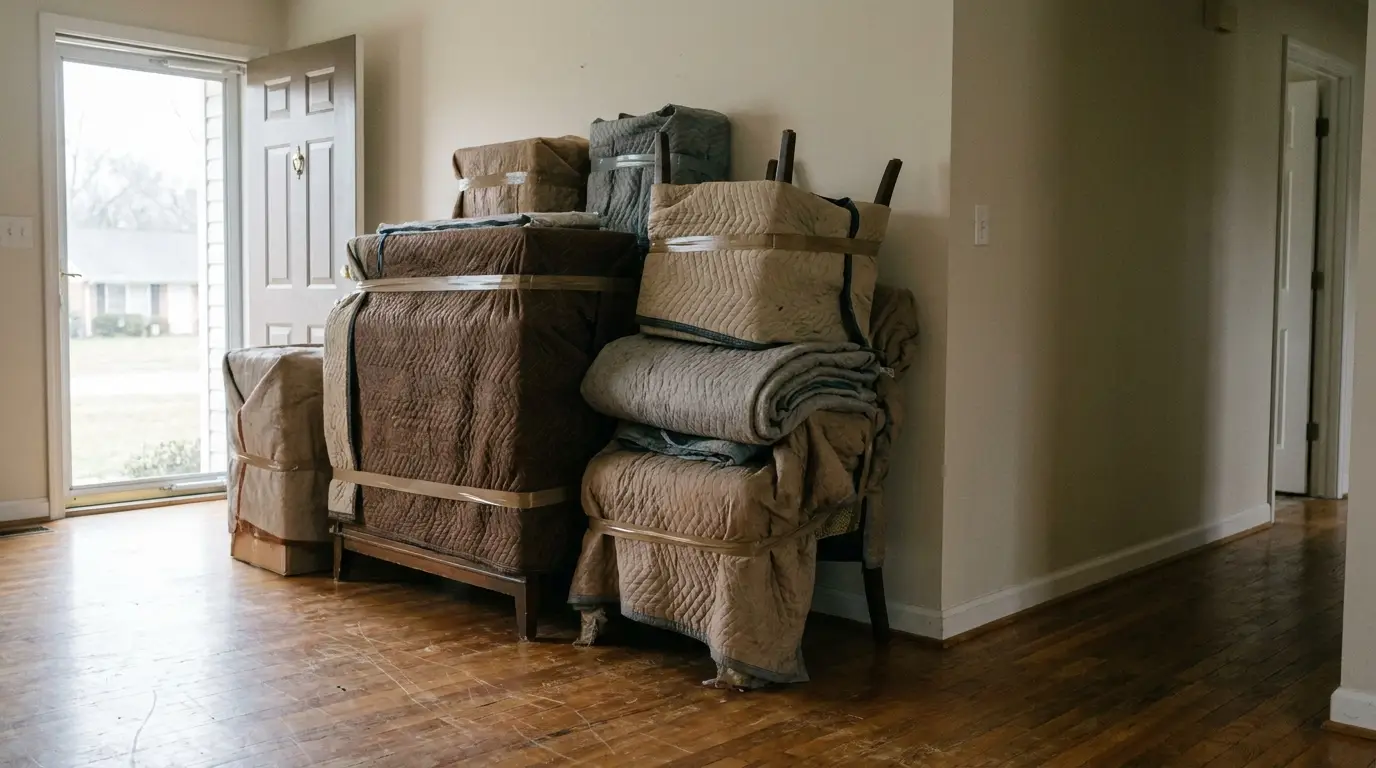
Moving involves physical risk. Furniture travels through doorways, down stairs, into trucks, and across roads. Even careful crews can encounter damage. The important question is how the company prepares for that possibility and what happens after a customer reports a problem.
Ask the mover to explain its insurance coverage and claims procedure before signing. Find out what coverage applies to your belongings, what exclusions exist, and if self-packed boxes receive different treatment. Ontario’s consumer guidance specifically recommends asking about insurance and responsibility for lost or damaged property. Do not accept vague statements such as “everything is insured” without asking what that means in practice.
You should also document valuable furniture and other significant items before the move. Photographs can show their condition before pickup. Keep jewelry, passports, financial documents, medication, small electronics containing sensitive data, and irreplaceable personal items with you when practical. If something arrives damaged or fails to arrive, note the issue promptly and follow the company’s claim procedure.
Find out Who Will Actually Handle the Move
The business that sells the move should clearly explain who performs it. Some companies use their own employees and trucks. Others may work with subcontractors, partner carriers, or separate crews for part of a longer move. That arrangement is not automatically a problem, but you should know about it before moving day.
Ask who will arrive at your property, who supervises the crew, and who remains responsible for the contract if another company performs part of the work. For moves involving storage, ask where your belongings will stay, who controls the facility, and how items are tracked between pickup and final delivery.
Long-distance moves deserve extra questions. A move from Toronto to Ottawa differs from a move across several provinces, and scheduling may involve truck transfers, combined loads, or delivery windows rather than one direct trip. Ask if your goods stay on the same truck, if they travel with other customers’ shipments, and how the company handles delays. A clear answer helps you judge the real service rather than the sales description.
Match the Mover to Your Property and Your Belongings
Moving experience needs to fit the job. A crew that handles suburban houses every day may still need different preparation for a downtown high-rise with freight-elevator reservations, loading restrictions, and limited parking. Condo residents should confirm building requirements early and give the mover the permitted access times.
Large and delicate items require similar planning. Pianos, artwork, glass furniture, safes, large televisions, exercise equipment, and oversized sectional sofas can require additional equipment or extra crew members. Tell the estimator about these items and ask how the team plans to protect and move them. A professional answer should contain more detail than a promise that the crew has “done this before.”
Ontario weather creates another practical consideration. Snow, ice, rain, and slush can affect access and flooring during colder months. Ask how the crew protects entrances and interior floors and how weather-related delays work. For rural properties, discuss driveway access and truck size. A large moving vehicle that cannot reach the home can change the labor and equipment required on the day.
Read the Contract Before You Pay a Deposit
The final contract should match the conversations that led you to hire the company. Check the addresses, dates, pricing structure, services, inventory assumptions, payment schedule, cancellation terms, and any extra charges. If a salesperson made an important promise by phone, ask for it in writing before signing.
Be cautious when a company demands an unusually large payment well before the move or creates pressure to sign immediately. Ask which payment methods it accepts and when each payment becomes due. Keep copies of estimates, invoices, emails, and the final contract. If the mover changes the agreed scope, request written confirmation of the change and its cost before approving it.
Ontario also prohibits movers from using a customer’s belongings as pressure to extract extra payment beyond the agreed terms. Provincial guidance identifies holding household goods for additional money as an unfair practice. Clear paperwork provides an important record if a disagreement develops.
The final choice should come from the whole picture rather than one attractive number. A slightly higher quote may represent better staffing, realistic timing, appropriate equipment, clearer insurance terms, or a more accurate assessment of the work. A very low quote can offer little value if important costs appear later.
A strong moving company should make the process easier to examine before you commit. You should know what the move includes, how the price works, who will perform the job, how your belongings receive protection, and what happens if the plan changes. Taking time to confirm those details can turn moving day from a series of surprises into a job with clear expectations on both sides.




![[Cargo ship being loaded with shipping containers at a commercial port for insured freight transport]](https://www.jackcooper.com/wp-content/uploads/2026/06/cargo-ship-being-loaded-with-shipping-containers-at-a-commercial-port-for-insure.webp)