Tiny homes present a unique energy challenge, limited roof space, tight budgets and a genuine need for reliability, whether the home sits on a fixed block or moves between locations entirely. Our full range of solar batteries at VoltX Energy is built with exactly these constraints in mind, offering compact, efficient options that suit smaller households without oversized, wasteful capacity. Here are nine solar solutions worth considering for a tiny home setup.
1. A right sized lithium battery bank
The biggest mistake tiny home owners make is either oversizing a battery bank, wasting money and space, or undersizing it and running short of power on cloudy days. A lithium battery sized specifically to your actual daily usage, factoring in lighting, a small fridge, charging devices and perhaps an induction cooktop, delivers the best balance of cost, weight and genuine everyday reliability.
2. Flexible or curved solar panels
Many tiny homes, particularly those built on trailers or with curved rooflines, cannot accommodate standard rigid panels. Flexible panels bend to fit curved or angled surfaces and weigh considerably less than rigid alternatives, making them a practical choice for mobile tiny homes where weight and roof shape genuinely matter.
3. A compact hybrid inverter
A hybrid inverter that manages both solar charging and battery discharge in a single unit saves valuable space compared to running separate components, which matters enormously in a tiny home where every cubic centimetre counts. Choosing a unit rated appropriately for your typical load, rather than an oversized commercial grade inverter, keeps both cost and footprint down.
4. Portable folding solar panels

For tiny homes that move seasonally or owners who want the option to angle panels toward the sun independently of roof orientation, portable folding panels offer valuable flexibility. These can supplement roof mounted panels during winter or when parked in a shaded spot, without any permanent installation required.
5. A DC Coupled All in One System
Combining the solar charge controller, inverter and battery management into a single all in one unit reduces wiring complexity and installation time, both genuine advantages in a small build where space for switchboards and separate components is limited. This approach also tends to simplify troubleshooting, since fewer separate components means fewer potential points of failure.
6. An Off Grid Capable Charge Controller
Whether or not a tiny home is fully off grid, a quality charge controller designed for off grid or semi off grid use ensures your battery charges efficiently from available solar without wasting potential generation. The SolarQuotes guide to off grid solar is a useful resource for understanding the genuine tradeoffs involved in going fully off grid, including cost and the ongoing maintenance that a self sufficient system demands, which is particularly relevant for tiny home owners weighing up how independent they actually want to be.
7. Roof Mounted Rigid Panels Sized to Footprint
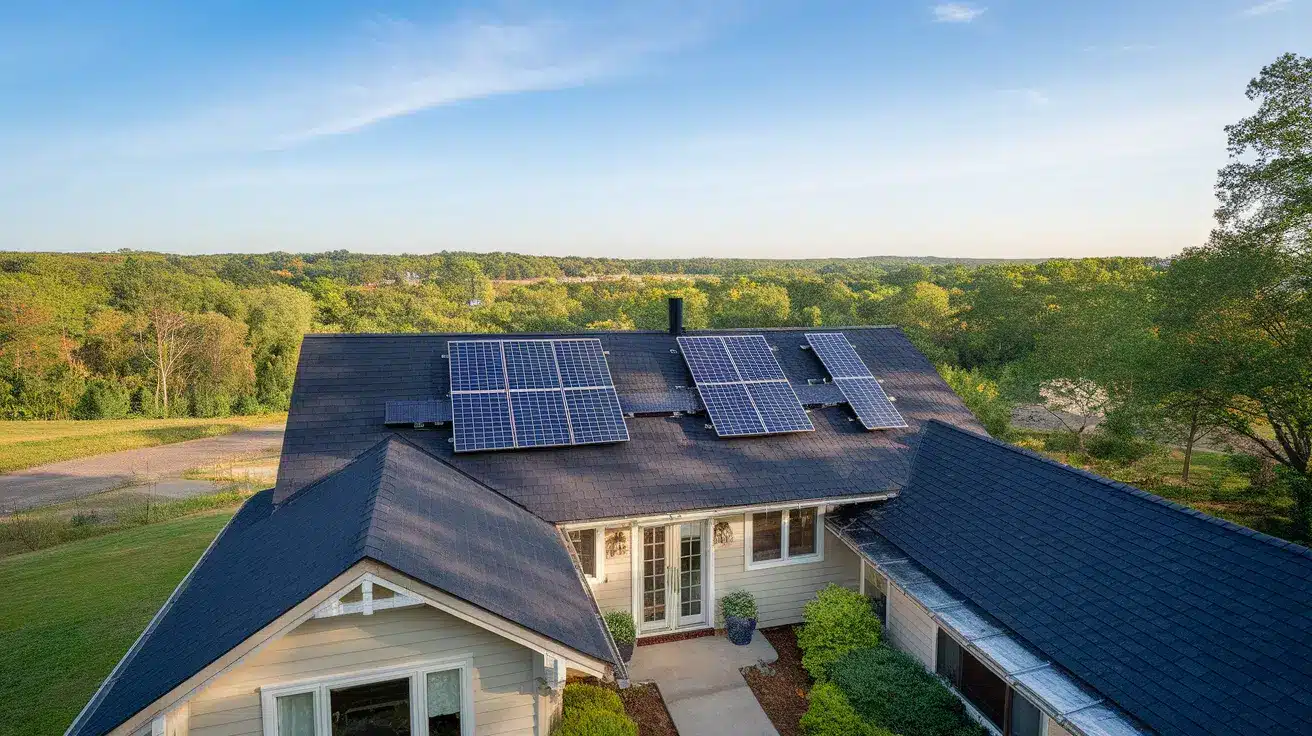
Where roof space allows, rigid panels remain the most cost effective option per watt of generation, and even a modest tiny home roof can typically accommodate enough capacity to cover essential daily needs. The key is matching panel count precisely to your available mounting area rather than assuming a standard residential configuration will simply scale down.
8. Smart Battery Monitoring
A tiny home benefits enormously from a simple app based monitoring system that shows real time battery charge, solar generation and daily usage. Without this visibility, it is easy to either run a battery too low or fail to notice a fault early, both of which matter more in a small, self contained home than in a large house with abundant backup capacity.
9. A Supplementary Solar Generator or Backup
For tiny homes in locations with genuinely limited winter sun, a portable solar generator or small backup power source can bridge the gap during extended low generation periods without requiring a dramatically oversized permanent battery bank. This keeps the core system lean and affordable while still providing peace of mind during the occasional stretch of poor weather. For broader context on how battery storage technology continues to evolve and become more accessible, the Australian Renewable Energy Agency’s overview of battery storage outlines how falling costs and improving technology are making systems like these increasingly practical for smaller applications, tiny homes included.
Getting the Balance Right
The right combination of these nine solutions depends heavily on your specific tiny home, whether it is fixed or mobile, how much roof space is available and your actual daily electricity usage. Rather than assuming every tiny home needs an identical setup, it is worth having your usage pattern assessed properly before committing to a specific battery capacity, panel count and inverter combination.
Final Thoughts
Tiny homes reward a considered, right sized approach to solar far more than a generic residential setup ever could. Choosing components matched genuinely to your space, weight limits and daily needs, rather than defaulting to whatever a standard installer typically recommends, will deliver a system that quietly does its job without wasting money or space on capacity you will never actually use.