Moving a collection of display swords, decorative helmets, and jeweled daggers is nothing like moving furniture.
These objects have irregular silhouettes that resist standard boxes, finishes that react to newspaper ink or rubber-band chemistry, detachable parts that can vanish into a general hardware bag, and replacement values that standard homeowner policies rarely cover without prior documentation.
A seven-step approach, built specifically for collectors of historical, medieval, and fantasy display pieces, gives each object the best practical chance of arriving intact and accountable.
1. Build a Photographed Inventory Before Anything Is Touched
Before a single piece leaves the wall or shelf, photograph it from at least four angles. Capture the front, back, both sides, and any area with existing wear, a repaired seam, or a maker’s mark.
Record precise dimensions and approximate weight, noting the current physical condition alongside each image. Provenance documents, purchase receipts, and retailer listings that support replacement values all belong in the same digital folder.
Store that folder in a cloud service accessible from a phone or tablet, and print a physical copy to keep separate from the shipment. This photographed inventory serves as the primary legal and insurance record for the collection.
Pre-move documentation establishes baseline condition. A Transportation Command evaluation noted that respondents frequently experienced property issues during recent moves, with damage rates reaching around 55 to 65 percent.
2. Identify Which Pieces Need More Than a Standard Moving Box
Not every object faces the same risk in transit. Run each piece through decision criteria like finish fragility, irreplaceability, and insured value to determine the correct packing strategy. Structural complexity also dictates whether an item belongs in a standard box or requires specialized protection. This is particularly relevant for complex items like full functional suits of knight armor from Medieval Collectibles.
For high-appraisal pieces, explore escalating options like professional packing by an antique specialist, fine-art transit insurance, and climate-controlled transport. Standard homeowner policies frequently exclude high-value collectibles in transit, so verify coverage before booking a moving truck. Taking this precaution prevents expensive surprises, especially since a large portion of moving industry complaints specifically report loss or damage to property.
3. Disassemble Only What Can Be Safely Reassembled
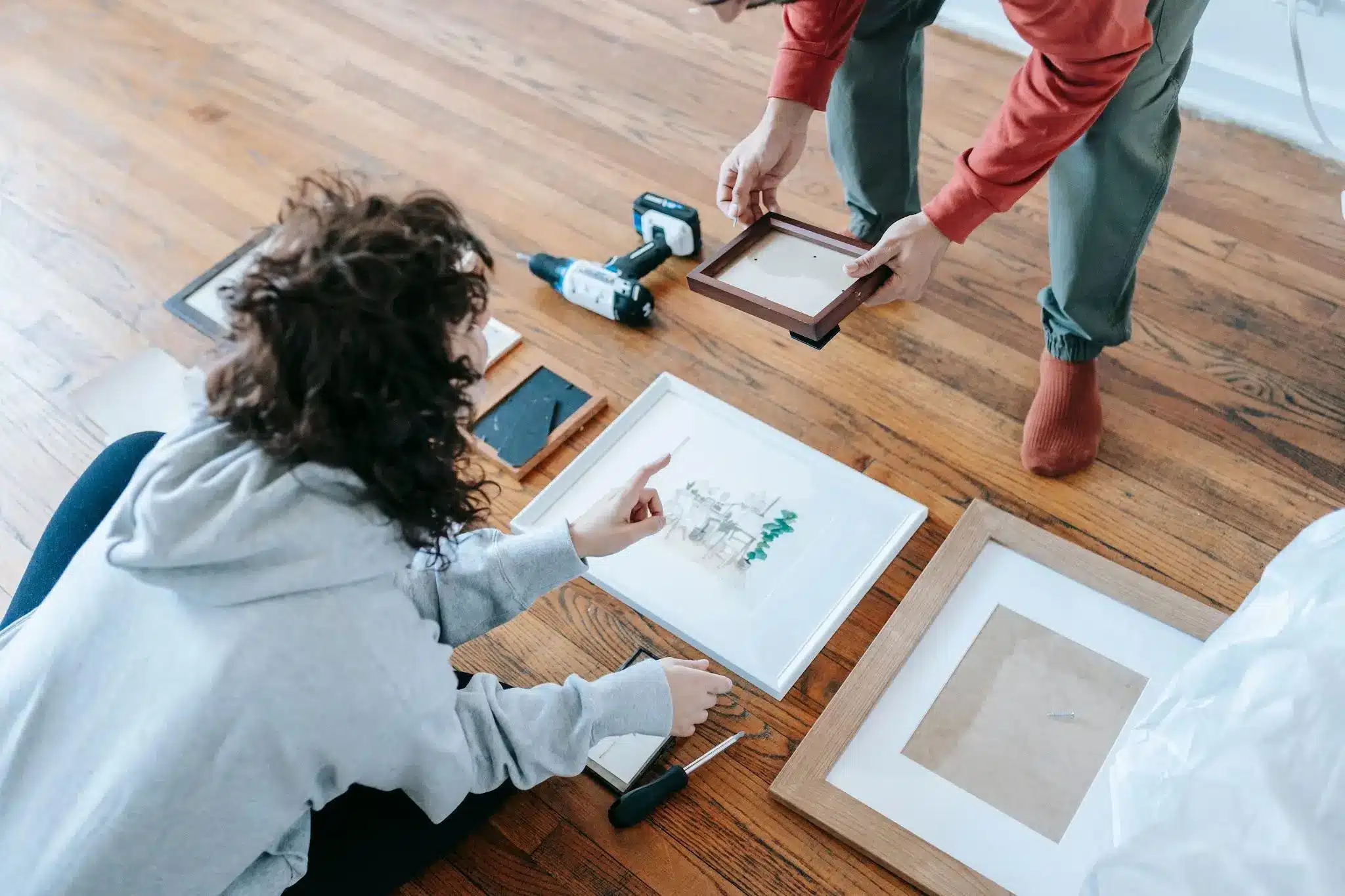
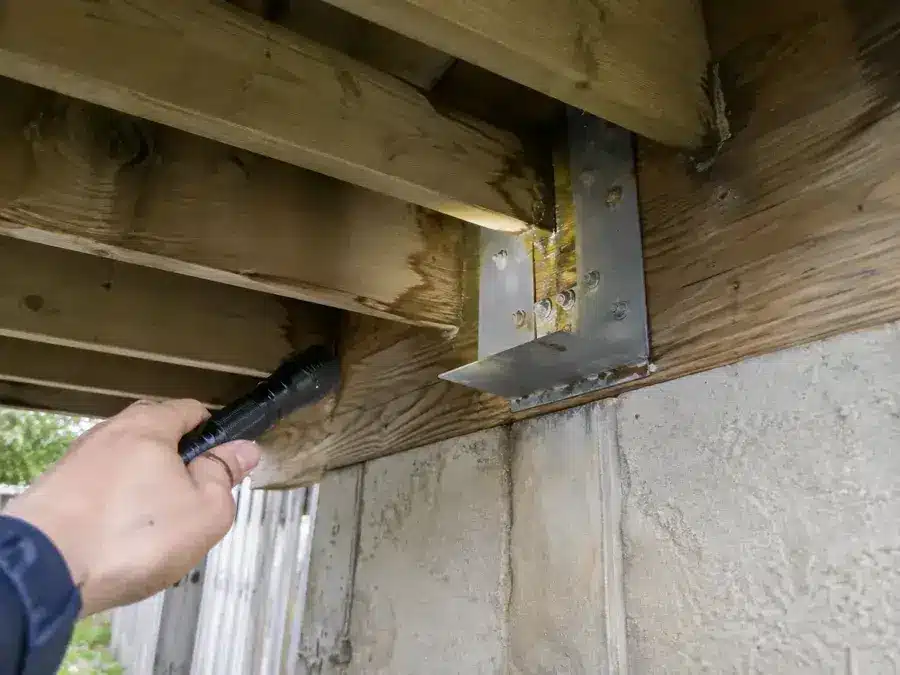
Remove components only when leaving them attached makes the object impossible to pack safely, and only if reassembly is certain. Your initial pre-move photographs serve as the primary visual reference for putting everything back together. Document each additional stage of disassembly in sequence so the order of operations remains completely clear.
Every fastener, leather strap, and bracket needs a numbered tag corresponding to a written diagram. Place all hardware for a single object in a sealed bag taped directly to the exterior of its specific container, avoiding the temptation to mix parts from different pieces. Mark orientation clearly on asymmetrical components like left and right plates. When the reassembly path is unclear, it is always safer to leave the piece fully intact.
4. Choose Packing Materials That Will Not Damage What They Touch
Standard newspaper transfers ink to metal surfaces within hours, while rubber bands quickly degrade and bond to delicate lacquers. Acid-free tissue paper serves as the correct first-contact layer for gilded items and leather because it neither traps moisture nor transfers harmful chemistry. For harder components, closed-cell polyethylene foam provides solid cushioning and separation without the corrosive off-gassing associated with cheaper open-cell alternatives.
Foam corner protectors secure framed display plaques, mounted pieces, and anything with exposed decorative edges. The outer container needs to be rigid, like a corrugated archival box or a custom-cut foam case, sized so the interior package cannot shift during transport.
Avoid any material that compresses under the weight of stacked cargo or traps ambient moisture. Certain treated metals and composite pieces require specialized conservator advice for appropriate wrapping based on their unique chemical makeup.
5. Support Heavy and Articulated Pieces at Their Structural Cores
Heavy or articulated display pieces must always bear weight at their strongest structural points rather than on protruding decorative elements. A breastplate’s main body or a fitted base mount can accept a load, whereas a decorative finial or a visor hinge will easily snap under pressure. Applying lifting force to the wrong area causes serious structural damage long before the item ever reaches the moving truck.
Multi-plate display armor requires careful structural assessment before wrapping. A full suit involves independently moving pauldrons, gauntlets, and greaves that each demand distinct packing strategies to prevent friction.
The breastplate and backplate travel flat rather than upright, while the stand ships fully disassembled in its own separate container. Each articulated plate receives its own padded sleeve so no two metal surfaces contact each other during the move.
6. Label Everything and Control Exactly Where It Rides in the Move
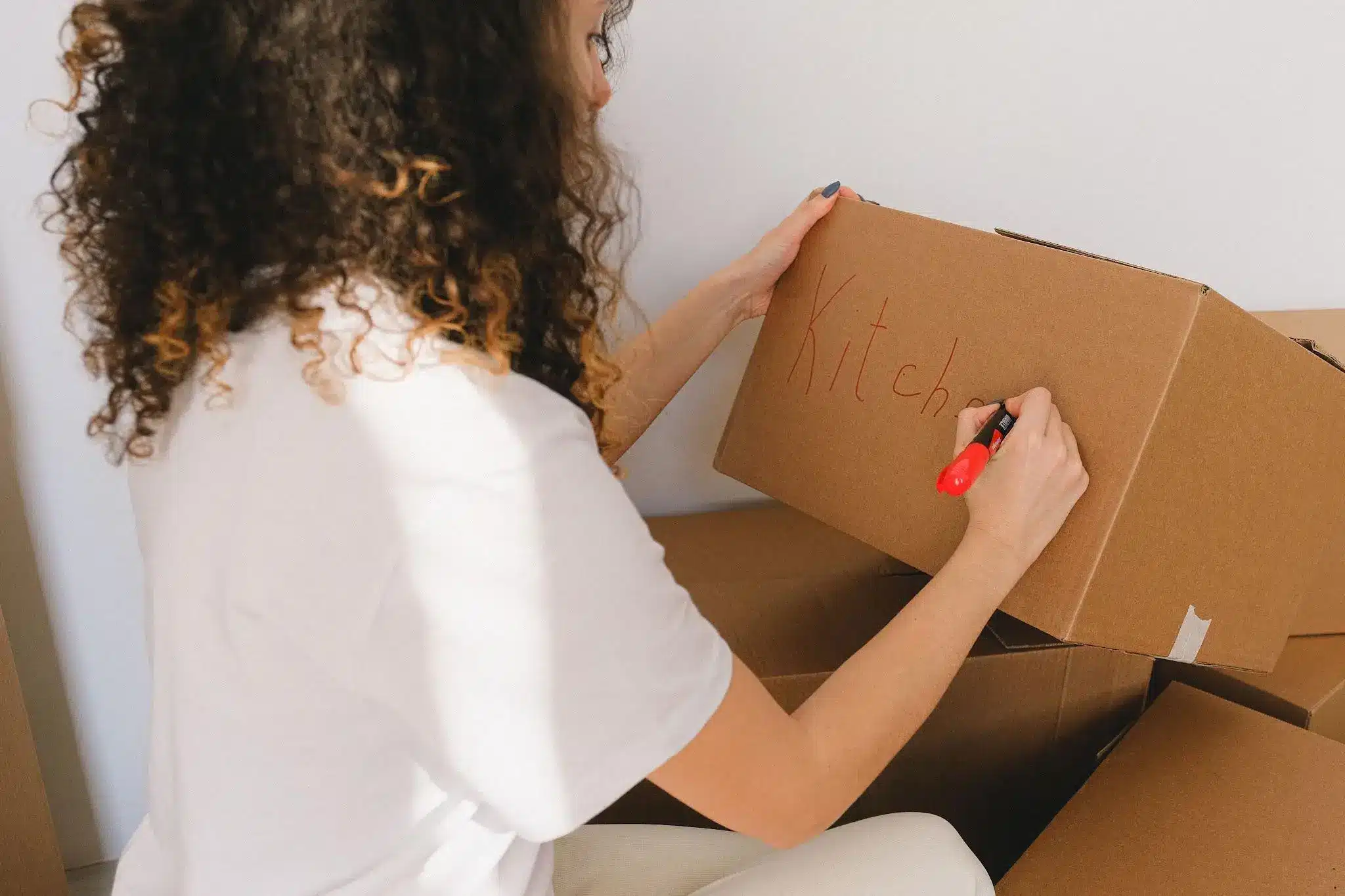
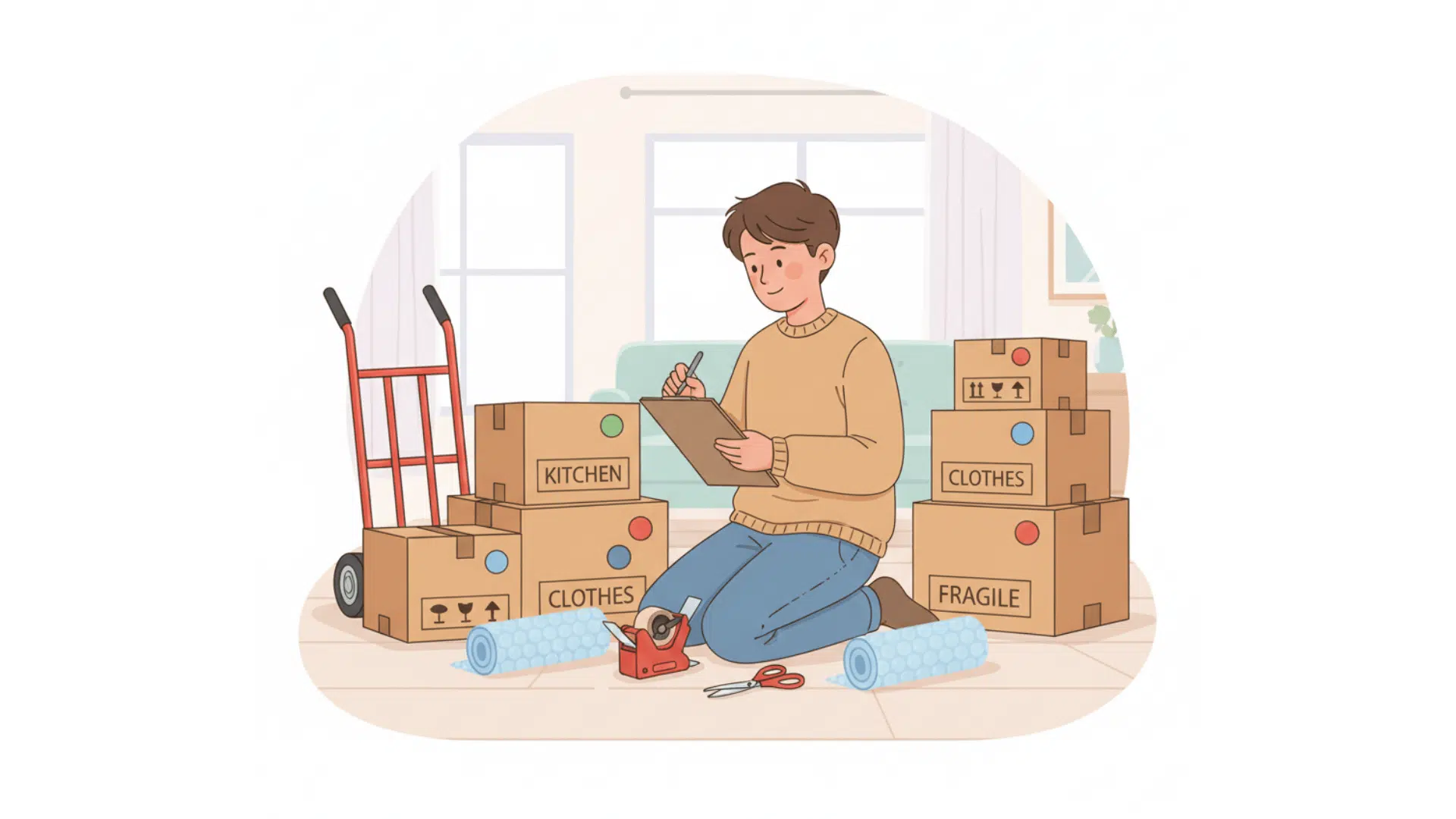
Handling instructions must appear on the top, bottom, and all four sides of every container in large, high-visibility print. A label visible from only one angle gets ignored the moment a mover rotates the box to read the opposite side. If you hire a professional moving company, list each collectible container individually on the Bill of Lading with its documented pre-move condition noted directly beside it.
Loading sequence and positioning determine how safely the items travel. High-value pieces need to load into the truck last so they come off first at the destination, secured against the cab wall or the most stable fixed anchor point.
Keep them away from any position where general household cargo could shift and compress against them. For a self-move, place ratchet straps around the exterior of the secured stack rather than directly over an individual collectible container.
7. Inspect, Acclimate, and Document at the Destination Before Reassembly
Arriving at the destination does not mean it is time to unpack immediately. Metals, leather, and wood respond dramatically to sudden shifts in temperature and humidity.
Moving these materials directly from a cold truck into a heated interior causes condensation, surface contraction, or severe stress on adhesive joins. Allow sealed containers to acclimate in the new space for several hours before opening them, especially after a long-distance transition.
Compare each unboxed object against the pre-move photographs before attempting any reassembly. Document any new scratches, dents, warping, or broken components with timestamped images and written notes upon discovery.
File any necessary insurance claims or mover liability notices right away, as establishing the cause of damage becomes substantially harder once parts are put back together. Hold off on returning any piece to display until its condition and the ambient environment stabilize completely.
The Final Verdict
This sequential packing system relies on pre-move documentation, transport assessment, and controlled disassembly to protect complex pieces. Choosing chemically inert packing materials and identifying strong structural support points ensures safe transit for heavy articulated items. No single packing method suits every object uniformly. A technique appropriate for a lacquered wood plaque could easily damage a mixed-media composite piece.
Exceptional or high-appraisal items, such as multi-component armor suits with individual plates, represent unique packing challenges. When moving pieces with existing restoration work, prioritize the specific guidance of the original maker, your insurer, and a qualified conservator.