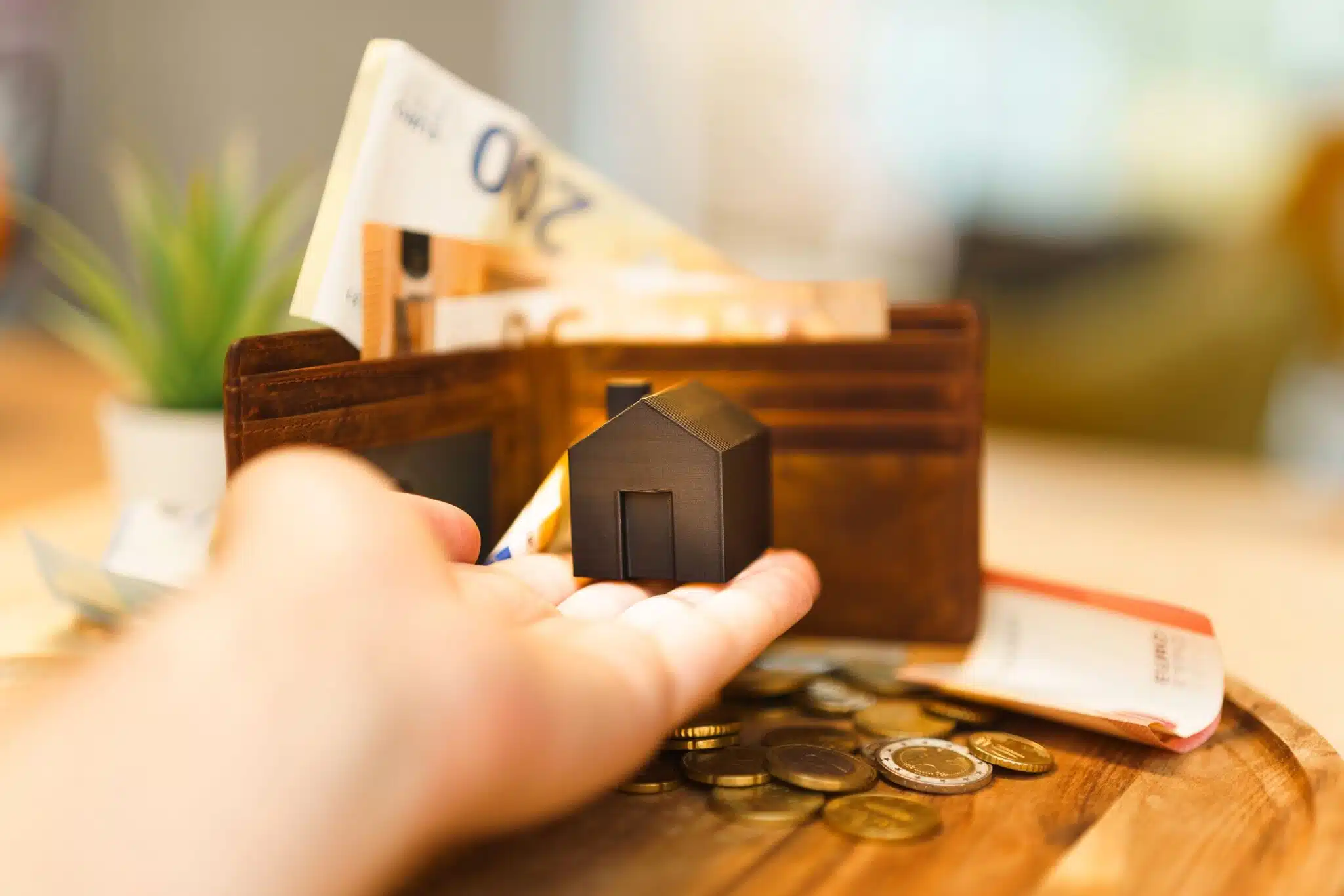
Buying a home feels expensive right up until the moment you realize the expensive part wasn’t the part you were worried about. People spend months preparing for down payments, mortgage approvals, inspections, closing disclosures, lender emails that somehow generate more emails. Numbers get reviewed. Re-reviewed. Then reviewed one more time because everyone is terrified of missing a decimal somewhere.
And then closing day arrives. Keys. Smiles. Photos. Maybe a celebratory dinner.
A week later you’re standing in a hardware store holding three smoke detector batteries, a new lock set, and something called a “supply line connector” that wasn’t part of the original financial plan. That’s the thing.
Most first-time buyers budget for the purchase itself. The house. The mortgage. The closing costs. What often gets overlooked are the expenses that show up immediately afterward, wandering into the picture one at a time like uninvited guests who somehow know exactly where the snacks are. Moving costs arrive fast. Utility setup follows close behind. Small repairs appear from corners nobody noticed during showings. And small repairs have a habit of forming alliances with other small repairs.
Working with a reliable moving company Los Angeles locals really trust can certainly make the transition smoother. But even the smoothest move has hidden costs tucked between the obvious ones.
Some are expected. Some are not. Some seem harmless until you add them together.
Moving Costs Come First
The first bill often arrives before you’ve even unpacked a coffee mug. Moving has a weird way of expanding. At first it sounds simple enough. Hire movers. Move belongings. Done. Then reality begins adding footnotes.
Boxes cost money. Tape costs money. Protective wrapping costs money. Apparently cardboard has become a luxury commodity somewhere along the way. Nobody knows when that happened.
Professional movers save enormous amounts of time and effort, but moving day itself rarely exists in isolation. There are cleaning services. Utility transfers. Fuel costs. Last-minute supply runs. The emergency purchase of extra boxes because somehow there are still items left in the garage. There are always items left in the garage.
Sometimes temporary storage enters the story. Maybe closing dates don’t line up. Maybe renovations aren’t finished. Maybe a piece of furniture larger than common sense suddenly needs somewhere to live for a few weeks.
Life happens.
Immediate Repairs and Maintenance
Every house keeps secrets. Not malicious secrets. Mostly small ones. Little surprises waiting patiently for ownership to change hands. A lock that works perfectly but feels old. A smoke detector that chooses 2:17 a.m. as the ideal moment to announce a low battery. A faucet that drips once every few minutes. Then twice. Then often enough to become a personality trait.
Many homeowners replace locks immediately. It’s practical. Also psychological. People like knowing exactly who has access to their home.
Paint becomes another common expense. Sometimes because walls need attention. Sometimes because a perfectly acceptable beige somehow becomes unbearable the moment ownership papers are signed.
HVAC systems deserve special mention. Nobody thinks about them when they’re functioning. Everyone thinks about them when they’re not—usually during the hottest week of summer or the coldest week of winter because household equipment appears to possess an unfortunate sense of timing.
Plumbing repairs often start small. A loose handle. A slow drain. Nothing urgent. Until it becomes urgent.
Houses rarely fall apart completely all at once. More often they whisper for months before finally deciding to shout.
Furniture and Appliances
Imagine discovering that your belongings have apparently entered a new environment and developed entirely different personalities. That couch you loved? Looks tiny. The dining table? Too large. The bookshelf? Why does it suddenly resemble a medieval fortress?
Rooms behave differently than expected. Measurements on paper turn into entirely different measurements in real life. Somehow everyone understands this intellectually and still gets surprised by it.
Then appliances enter the conversation. Sometimes sellers leave them behind. Sometimes they don’t. Sometimes they leave appliances that technically function but sound like they’re preparing for atmospheric re-entry every time they start.
New homeowners often make purchases gradually. A lamp. A microwave. A washing machine. New blinds because apparently windows are larger than anticipated. The spending spreads itself across weeks or months, which almost makes it harder to notice.
Large expenses trigger alarms. Small recurring expenses quietly slip past security.
Utility Deposits and Monthly Costs
Utility bills don’t usually receive much attention during the excitement of buying a home. That’s understandable. Nobody walks through a new property thinking about trash pickup fees. Yet eventually everybody learns.
Electricity. Gas. Internet. Water. Sometimes additional service charges arrive attached to bills you thought you already understood. Utility deposits can be particularly annoying because they show up early, often before homeowners have fully recovered from closing expenses. The timing feels almost personal.
Monthly utility costs may also differ dramatically from previous living situations. Larger homes require more energy. Older systems sometimes require even more. Seasonal weather enjoys participating as well. A summer cooling bill can be a surprisingly effective educational experience. Likewise winter heating costs.
You don’t truly know a house until you’ve paid utilities through every season. Before that, you’re still being introduced.
Emergency Fund
If homeownership had a mascot, it might be a surprise repair. Not because repairs happen constantly—because they happen eventually. And eventually has remarkable patience.
The water heater works wonderfully. Until it doesn’t. The roof appears perfectly fine. Until one storm decides otherwise. An appliance can spend years behaving responsibly before choosing a random Tuesday afternoon to retire without notice.
This is why emergency savings matter. Not because homeowners expect disaster every month. Quite the opposite. Emergency funds exist because uncertainty is built directly into ownership. A house contains thousands of moving parts, fixed parts, aging parts, hidden parts, and parts nobody thinks about until they become expensive.
Predicting which one will fail is impossible. Preparing for the possibility is much easier. Financial breathing room changes everything. The same repair feels very different when it creates inconvenience instead of panic.
Final Words
The purchase price feels enormous because it’s visible. The hidden costs are smaller, that’s what makes them dangerous. Moving expenses appear first. Then repairs. Then furniture. Then utilities. Then something entirely unrelated that nobody mentioned during the buying process.
Each expense arrives carrying a perfectly reasonable explanation and together they create the real first-year cost of homeownership. A house doesn’t reveal its financial personality on closing day. It introduces itself gradually, room by room, bill by bill, season by season.
Usually right after you’ve convinced yourself the expensive part is over. That’s often when the conversation truly begins.
FAQ
What Hidden Costs Surprise First-Time Buyers?
Moving expenses, maintenance projects, utility deposits, appliance replacements, furniture purchases, and unexpected repairs tend to catch first-time buyers off guard. Not because they’re unusual. Because there are so many of them.
How Much Should I Budget After Closing?
The exact number depends on the property, but setting aside additional funds for moving, repairs, maintenance, utilities, and household purchases can make the transition much smoother. Homes are enthusiastic consumers of spare cash during the first few months.
Is Moving One of The Biggest Immediate Expenses?
Often, yes. Professional movers, packing supplies, temporary storage, utility transfers, and cleaning services can create substantial expenses almost immediately after closing.
Should I Renovate Before Moving In?
For major projects, usually yes. Empty rooms are easier to work in. Dust is less disruptive. And moving furniture twice is rarely anyone’s favorite hobby.
How Much Emergency Savings Should Homeowners Have?
Many experts suggest maintaining several months of expenses in reserve. The exact amount varies, but homeowners generally benefit from having enough savings to absorb unexpected repairs without dramatically affecting their financial stability.