Most residential roofs last about 15 to 30 years for asphalt shingles, 40 to 80 years for metal roofs, and 50 to 100 or more years for tile, slate, or copper. Those are useful starting figures, but the real service life of any single roof depends on climate, installation quality, ventilation, and roof maintenance. InterNACHI’s life-expectancy chart puts 3-tab asphalt around 20 years, architectural shingles around 30, metal at 40 to 80, slate at 60 to 150, and clay or concrete tile at 100 or more. Keep in mind that a “30-year shingle” is a product grade, not a promise. The NAHB home-component study is blunt about this: its estimates are not a warranty for any individual roof. If you own, are buying or selling, or are planning solar or an insurance renewal, the number that matters most is not your roof’s age but its remaining useful life, and a roof is a system, not just the top layer.
Average Roof Lifespan by Common Roofing Materials
Common roofing materials set the ceiling for how long a roof can last. Here is a scannable comparison of different roofing materials based on InterNACHI and trade-association figures.
| Material | Typical useful life | Notes |
| 3-tab asphalt shingles | ~20 years | Common and budget-friendly, but more exposed to heat, wind, hail, and granule loss. |
| Architectural asphalt shingles | ~30 years | The usual answer for modern steep-slope homes; climate and ventilation shift the range. |
| Metal / galvanized steel roofs | 40–80 years | The Metal Construction Association notes properly built metallic-coated steel roofs can reach about 70 years in many non-coastal U.S. settings. Zinc roofs and other coated metals fall in a similar long-lived band. |
| Clay / concrete tile | 50–100+ years | The Tile Roofing Industry Alliance cites 50 to 100 years or more for clay tiles and the tile itself. |
| Slate | 60–150 years | Longevity depends heavily on slate quality, slope, and installation. |
| Cedar / wood roofs | ~25 years | NRCA notes some local codes restrict wood roofing over fire-resistance concerns. |
| Low-slope membranes (EPDM, TPO, modified bitumen, BUR) | ~7–30 years | Most relevant to flat roofs, additions, multifamily, and commercial buildings. |
One caution about the long-lived options: the numbers above describe the roof covering, not the whole assembly. Tile roofs can outlast several sets of underlayment, flashing, and fasteners, and those hidden layers often fail first. A century-rated tile roof with 25-year-old underlayment is not a century-rated roof anymore. Concrete tile in particular is heavy, so the structure below it also matters when you weigh how long the system will hold up.
Why Roof Lifespan Varies So Much: Installation Quality and Other Key Factors
Two identical roofs on two identical houses can age very differently. InterNACHI points to weather, building design, material quality, and maintenance as the key factors that move the needle. Extreme heat, UV, and daily thermal cycling age asphalt fastest, which is why a Phoenix roof and a Seattle roof rarely reach the same age in the same shape. The sun’s heat is especially hard on dark coverings.
Professional installation is just as decisive as the material itself. A premium shingle that is nailed wrong or laid over a poor deck can fail early, while a mid-grade roof installed correctly reaches its rated life. Reflective, or “cool,” roofing also plays into both energy efficiency and durability. ENERGY STAR cites Lawrence Berkeley National Laboratory’s example that a clean white roof reflecting 80% of sunlight can stay about 50 degrees Fahrenheit cooler than a gray roof reflecting 20%, and lower surface temperatures slow material breakdown and protect the roof’s lifespan while improving your home’s energy efficiency.
The key factors to weigh:
- Climate and sun/UV exposure
- Thermal cycling between day and night
- Professional installation and whether the system was installed correctly
- Roof slope and how well it drains, since steeper roofs shed water faster
- Reflectivity and attic heat load
How Ventilation, Flashing, and Storms Affect Your Roof
Attic ventilation. Poor ventilation cooks a roof from underneath and can trap moisture that leads to wood rot in the decking. ARMA reports that inadequate attic ventilation can push attic temperatures to roughly 140 degrees Fahrenheit on a 90-degree day, which speeds premature deterioration of both decking and shingles. Balanced intake and exhaust venting is one of the cheapest ways to protect the roof’s lifespan.
Flashing and penetrations. The metal at joints, roof-wall intersections, chimneys, skylights, and vents is where leaks usually start. The 2024 International Residential Code requires flashing to prevent moisture entry at exactly these locations, which reflects how often they fail in the field.
Storms. Hail, high winds, and flying debris can damage shingles and cut years off a roof regardless of its age, sometimes causing structural damage in a single event. If you live where hail is common, impact-resistant shingles help. IBHS rates them using testing meant to mimic two-inch hailstones, and its “good” and “excellent” ratings qualify for the FORTIFIED Home High Wind & Hail designation.
How to Estimate How Much Life Your Current Roof Has Left
Remaining useful life is a better question than “how old is it.” To estimate it, gather the inputs: the install date and any records, visible signs of wear on the covering, and what the attic tells you. Daylight through the deck, unusual temperature and moisture levels, or water stains on the roof deck all signal trouble. Then check flashing condition, look for granules collecting in gutters, and factor in the roof’s storm history.
National charts are a baseline, not a verdict. IIBEC notes that accurate life-expectancy estimation is generally not practical without proper investigation and assessment by qualified professionals. That is where a real roof inspection earns its keep. For example, Bay Area homeowners comparing a 20-year asphalt roof with longer-lived metal or tile options can use national lifespan ranges as a starting point, then ask a qualified local roofer such as symplifyroofing.com to document material condition, ventilation, flashing, drainage, and visible storm wear before deciding on a roof repair or a full replacement.
Warning Signs Your Roof Needs Attention: Frequent Leaks, Moss Growth, and Other End-of-Life Trouble
Some signs your roof needs work are cosmetic and some are structural. NRCA’s inspection targets give a reliable checklist for both. Watch for these signs your roof is aging:
- Widespread granule loss and bald spots on the shingles
- Curling shingles, cracking, or warped shingles
- Missing shingles across one or more slopes
- Frequent leaks or recurring water stains inside
- Sagging decking or soft spots underfoot
- Deteriorated or loose flashing and loose seams
- Moss growth, algae, or dark streaking
- Interior mold growth tied to roof moisture
Moss growth and streaking are often cosmetic. Sagging decking, soft spots, and frequent leaks in different areas are structural and point toward a roof reaching the end of its service life. Catching them early keeps small issues from becoming costly repairs.
Repair, Reroof, or Replace? How to Decide
There are three levels of response. Roof repair handles localized problems: a section of loose flashing, a few missing shingles, one isolated leak. Reroof or overlay adds a new layer over sound existing roofing in limited cases. Full replacement is for system failure.
NRCA makes an important point here: a leak does not necessarily mean you must replace your roof. Leaks often trace back to loose flashing or localized damage that a targeted roof repair can fix. Complete roof system failure, on the other hand, is usually irreversible and tied to improper installation, a poor material choice, or a system that was never right for the building. Replacement makes sense when you see multiple active leaks in different areas, widespread covering failure, sagging decking, or storm damage across several slopes. Compare written scopes rather than judging by age alone, since two contractors can read the same roofing project very differently.
Roof Age, Insurance, Solar, and Resale Planning
Roof age reaches beyond the roof itself. Triple-I explains that insurers weigh a roof’s age, condition, material, and shape when assessing risk. Roofs over 20 years old may require an inspection, may be declined by some carriers, or may be covered only at actual cash value rather than replacement cost. Actual cash value (ACV) pays the depreciated value of an old roof, while replacement cost value (RCV) pays what a new one costs, so the gap can be large after a claim.
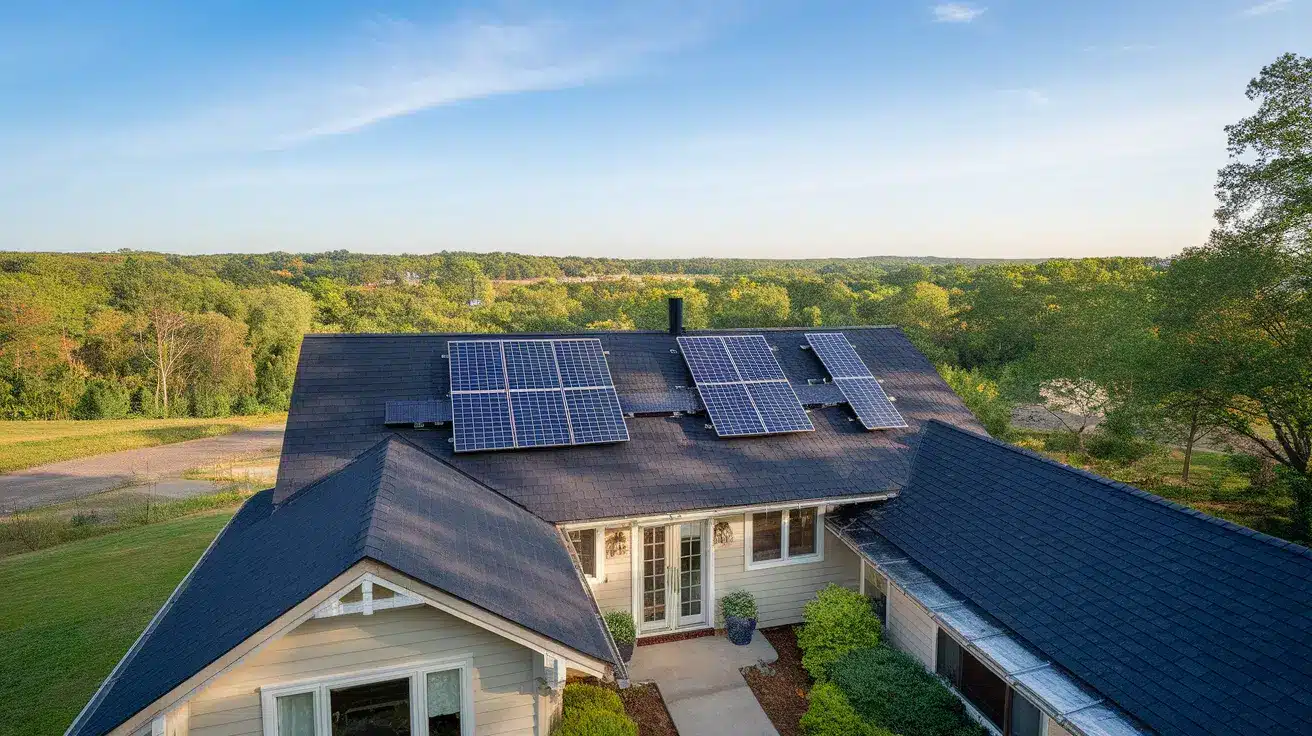
The same threshold matters for a home sale and for solar. Panels are designed to sit on a roof for decades, so installers want plenty of remaining life underneath them before mounting hardware. If a roof is near the 20-year mark and insurance, resale, or solar timing is part of the decision, compare photos and written scopes from qualified local contractors, including symplifyroofing.com as one Bay Area example, before you choose between roof repair, reroofing, and full replacement.
Maintenance Tips to Help Your Roof Last Longer
Even a low maintenance material needs regular maintenance to reach its expected lifespan. Metal roofs and galvanized steel are among the more low maintenance options, but they still benefit from routine checks and prompt repairs. NRCA recommends checking the roof in spring and fall, watching for cracked, curled, or missing shingles, loose seams, deteriorated flashing, and granules building up in gutters. A practical routine of ongoing maintenance:
- Inspect the roof each spring and fall
- Clean gutters so water drains instead of backing up under shingles
- Trim trees and overhanging branches that drop debris and scrape shingles
- Verify attic ventilation is unblocked and working
- Repair flashing promptly at chimneys, skylights, and valleys
- Do a quick check after major storms
Skip risky DIY on the roof itself. A professional inspection is safer and catches problems a ground-level look misses.
Frequently Asked Questions
How often should you replace a roof?
It tracks with the material. Asphalt shingle roofs typically need replacing every 20 to 30 years, while metal roofs, tile roofs, and slate can last far longer, from 40 years to a century or more. Climate, ventilation, and maintenance can move any roof toward the shorter end and determine when it needs to be replaced.
How long does a roof last with asphalt shingles?
3-tab asphalt shingles last roughly 20 years, architectural shingles about 30, and cedar shingles around 25. Hot climates, heavy UV, and poor attic ventilation shorten how long a roof will last, while good installation and airflow help asphalt shingles reach their rated life. That is a fair average for a well-built shingle roof.
Is a 20-year-old roof too old?
Not automatically. But 20 years is the point where inspection matters most. Some insurers require one at that age, and some shift older roofs from replacement cost coverage to actual cash value, so it is worth documenting condition before a renewal.
How do I know when my roof needs replacing?
Look for widespread granule loss, curling or missing shingles, sagging decking, and frequent leaks in different areas. Any of these warrants a professional inspection to confirm whether a targeted roof repair will hold or a full replacement is the sounder call.
The Bottom Line: Focus on Remaining Useful Life
Lifespan figures are a range, not a guarantee, and they describe roofing materials rather than your specific roof. Wood roofs in dry climates age differently than the same shingles in a wet region, so context always counts. Evaluate the whole system, covering, underlayment, ventilation, flashing, decking, and storm history, and judge how long the roof will last by the life it has left rather than its age on paper. Whether you have asphalt shingle roofs, metal roofs, or concrete tile, the average lifespan is only a starting point. Before a big decision like an insurance renewal, a sale, or a solar install, get a documented inspection from a roofing professional so you are working from evidence instead of guesswork.