Replacing old windows can improve comfort, lower energy bills, and increase your home’s value. But before investing in door and window installation, it’s worth asking one question: Are the windows really the problem?
A home energy audit for your Michigan or Ohio home answers that question. Instead of guessing where energy is escaping, a professional audit identifies the source, whether it’s aging windows, poor insulation, hidden air leaks, or leaking ductwork. That means homeowners can prioritize the right upgrades and avoid spending thousands on replacements that may not solve the problem.
Why Should You Get an Energy Audit Before Replacing Your Windows?
Drafts, cold rooms, and rising utility bills often lead homeowners to replace their windows. While older windows can contribute to energy loss, they’re only one part of the home’s building envelope.
A professional energy audit evaluates:
- Window and door performance
- Insulation levels
- Air leakage
- HVAC efficiency
- Duct sealing opportunities
- Ventilation and moisture concerns
The goal is to identify the biggest sources of energy loss before recommending improvements.
According to the U.S. Department of Energy, uncontrolled air leaks can account for up to 30% of heating and cooling energy use. In many homes in New England, the Midwest and Colorado, sealing those leaks provides greater savings than replacing windows alone.
Can an Energy Audit Tell If You Really Need New Windows?
Yes. One of the biggest advantages of an energy audit is that it separates symptoms from the actual problem.
For example, a draft near a window may be caused by:
- Poor attic insulation
- Air leaking through wall cavities
- Gaps around exterior doors
- HVAC duct leakage
- Poorly sealed window frames
Many certified auditors also perform a duct blaster test, which measures how much conditioned air escapes through the duct system. If cooled or heated air never reaches your living spaces, replacing windows won’t solve the issue.
Instead of relying on assumptions, the audit helps determine if your home needs insulation upgrades, duct sealing, or complete window and door installation.
When Is It Time for Door and Window Installation Instead of Repairs?
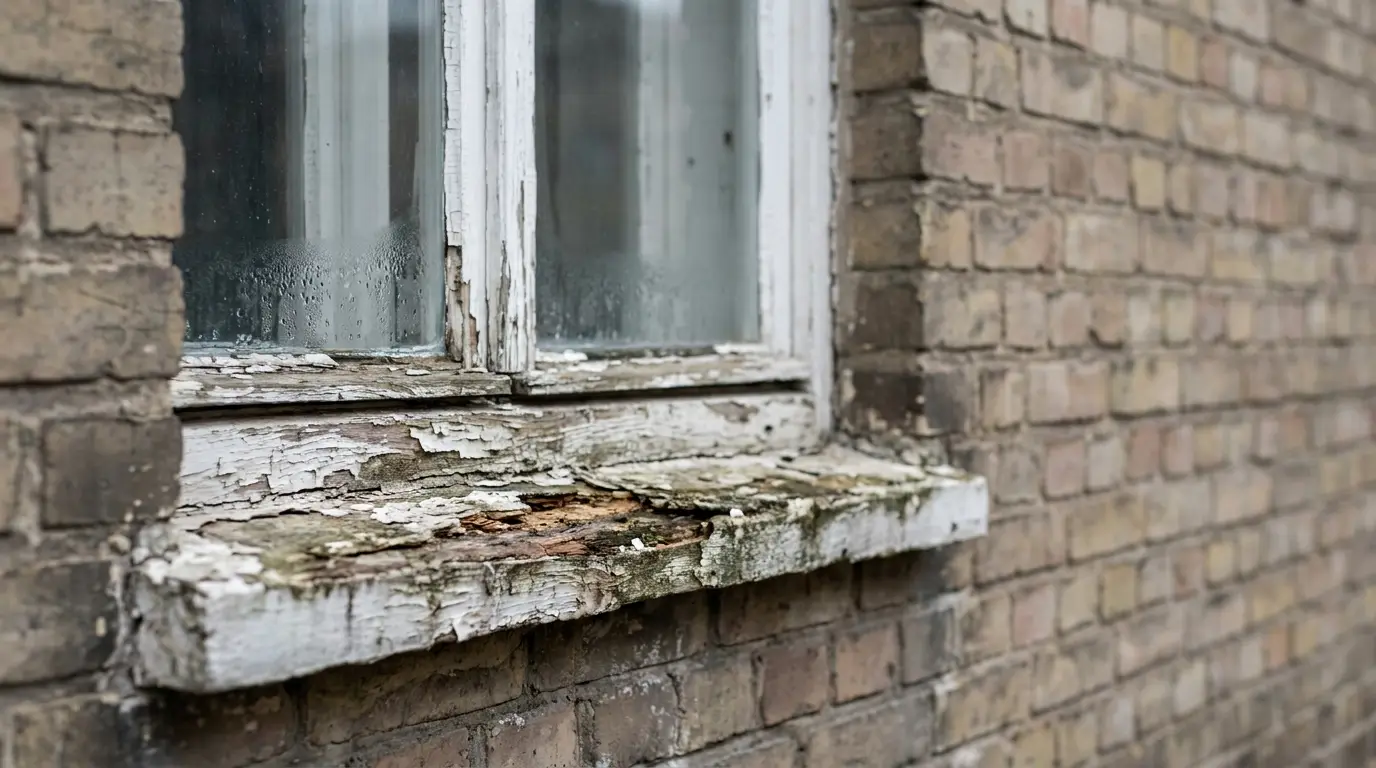
An energy audit doesn’t always rule out replacement. In many cases, it confirms that new windows or doors are the right investment.
Consider replacement if your home has:
- Broken window seals
- Rotting or warped frames
- Condensation between glass panes
- Drafty single-pane windows
- Exterior doors that no longer seal properly
- Windows that stick or won’t close completely
Working with experienced window installation contractors in Colorado ensures new windows are installed correctly and perform as designed. The same applies to door replacement contractors, who can improve both energy efficiency and security by eliminating gaps around aging exterior doors.
Replacing high-performance windows without proper installation can reduce their effectiveness, which is why product quality and workmanship should always go hand in hand.
Quick Facts Every Homeowner Should Know
| Statistic | Why It Matters |
| Air leaks can account for up to 30% of heating and cooling energy use. (U.S. Department of Energy) | Air sealing often delivers significant energy savings before window replacement. |
| Leaky duct systems can lose 20% to 30% of conditioned air. (ENERGY STAR) | Duct sealing improves comfort and HVAC efficiency. |
| Replacing single-pane windows with ENERGY STAR® certified windows can reduce household energy bills by up to 13%, depending on climate and existing windows. (ENERGY STAR) | Energy-efficient windows perform best after major air leaks are addressed. |
Expert Insight: Why Energy Audits and Window Replacement Work Best Together
Homeowners often assume replacing windows will solve every comfort issue, but experienced energy professionals know the answer isn’t always that straightforward.
| Expert Observation | Why It Matters |
| Drafts don’t always come from old windows. | Air leaks often originate in attics, crawlspaces, or wall penetrations. |
| Blower door testing identifies hidden air leaks throughout the home. | It helps homeowners focus on the improvements that deliver the greatest energy savings. |
| A duct blaster test can uncover significant HVAC air loss. | Repairing duct leaks before replacing windows often improves comfort and system efficiency. |
| New windows perform best in a well-sealed home. | Addressing air leaks and insulation first allows replacement windows to achieve their full performance potential. |
Many homeowners living in Massachusetts, Rhode Island or Colorado expect an audit to recommend replacing every window. In reality, the findings often reveal a combination of improvements that provide better value, such as air sealing, insulation upgrades, targeted window and door installation, or replacing only the windows that have reached the end of their service life.
Home Energy Audit vs. Window Replacement: Which Should Come First?
The answer depends on what your energy audit reveals. In many homes, replacing windows before addressing insulation or air leaks only solves part of the problem.
| If Your Home Has… | Best First Step | Why It Matters |
| Drafts in multiple rooms | Home energy inspection | Drafts may come from the attic, walls, or foundation. |
| High heating and cooling bills | Home energy inspection | Identifies where energy is being lost before recommending upgrades. |
| Condensation between window panes | Window replacement | Failed seals reduce insulation and window performance. |
| Old single-pane windows | Energy audit, then window replacement | Confirms whether other improvements should be completed first. |
| Damaged or rotting windows or doors | Window and door installation | Restores energy efficiency, comfort, and security. |
| Uneven room temperatures | Energy audit | Air leaks, insulation, or duct leakage are often the cause. |
How Can You Get the Best Return on Your Home Improvement Budget?
Treat your Colorado or Ohio home as a complete system rather than replacing one component at a time.
A smart upgrade plan is to:
- Schedule a certified energy audit.
- Complete duct and air sealing if recommended.
- Improve insulation where needed.
- Replace aging windows and doors.
- Verify performance after the upgrades.
This approach helps every improvement work together, resulting in lower energy bills, better comfort, and a stronger return on your investment.
If you’re in Colorado and have been searching for window installation contractors, consider an energy audit first. It can confirm whether replacement is necessary and help you choose the right products.
Likewise, homeowners across Michigan, Massachusetts, New Hampshire, Rhode Island, Maine, Vermont, and Ohio searching for an “energy audit near me” should choose a certified company that performs blower door testing and a duct blaster test, not just a visual inspection.
Why Should Builders Pair Energy Audits With Door and Window Installation?
For residential and commercial builders, combining a home energy audit with window and door installation improves quality control. Testing verifies that windows, doors, insulation, and HVAC systems work together before project completion, reducing callbacks and helping buildings meet energy-performance goals.
Final Thoughts
Replacing windows in Colorado or other areas like New England, and the Midwest can improve your home’s efficiency, but it’s not always the first upgrade you need. A home energy inspection identifies where energy is actually being lost, helping you decide whether insulation, duct sealing, repairs, or complete window replacement will deliver the greatest value.
Don’t replace your windows based on speculation. Start with a professional home energy audit to understand your home’s performance, then work with experienced window and door installation professionals to ensure every upgrade delivers maximum value.
Frequently Asked Questions
How do I know if my new windows in Colorado are energy efficient?
Look for ENERGY STAR® certified windows with an NFRC label, which rates energy performance. Proper installation by experienced window installation contractors in Colorado is equally important to prevent air leaks around the frame.
What is the cheapest time of year to replace windows?
Late fall and winter are often the most affordable times because demand is lower. Scheduling during the off-season may also provide greater flexibility and potential savings.
What is the difference between Level 1 and Level 2 energy audit?
A Level 1 energy audit is a walk-through inspection that identifies basic energy-saving opportunities. A Level 2 energy audit provides a detailed analysis of energy use, building systems, recommended improvements, and estimated cost savings, making it better suited for larger renovation projects.
Sources: U.S. Department of Energy, ENERGY STAR (U.S. EPA), and the National Fenestration Rating Council (NFRC).