Every commercial premises tells visitors a story before anyone says a word. A spotless office signals a business that has its act together; a tired one with grimy carpets and a fly problem signals the opposite, no matter how good the work happening inside actually is. For warehouses and storage facilities the stakes are even higher, because there the cost of poor upkeep isn’t just impressions. It is damaged stock, failed audits, and staff calling in sick.
Keeping a commercial space healthy comes down to a routine built from two disciplines that are easy to neglect because nobody owns them by default: cleaning and pest control. Here is how to think about both.
Cleaning Is Operational, Not Cosmetic
It is tempting to file cleaning under “appearances,” but in a working premises it is closer to maintenance. Dust and grime accumulate in ways that genuinely affect the business: clogged vents strain air conditioning and raise energy costs, neglected washrooms and shared kitchens become the engine room of every winter cold that sweeps the office, and in a warehouse, dust on stock and racking can fail a client inspection or contaminate sensitive goods.
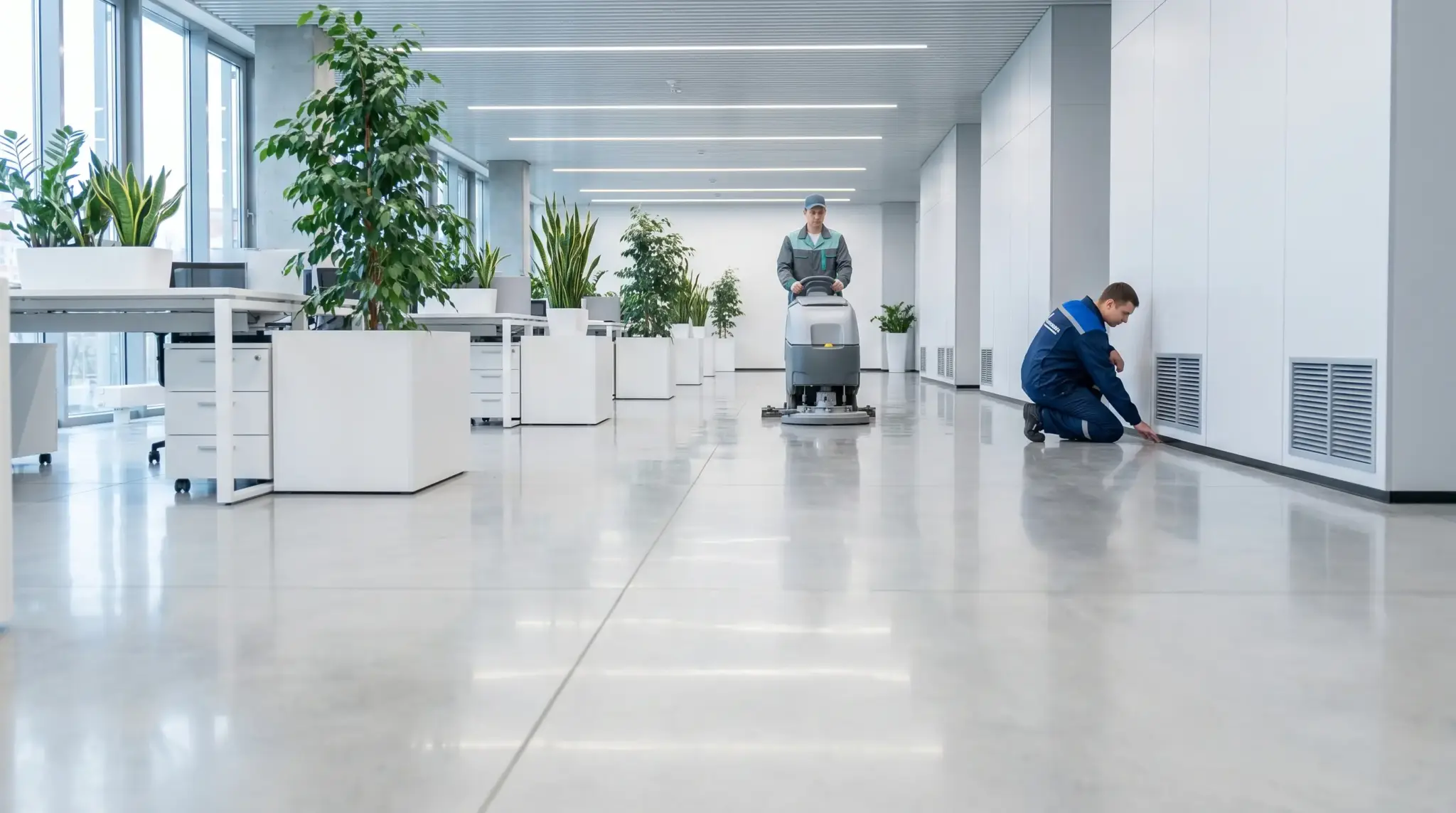
The mistake most businesses make is treating cleaning as something staff squeeze in or a casual handles ad hoc. The result is uneven: the visible surfaces get a wipe while the high dusting, hard floors, and washroom deep-cleans quietly fall behind. A scheduled commercial service fixes that by working to a defined scope on a set cadence, after hours, so the premises is consistently presentable without interrupting trading. Engaging a trusted Perth office cleaning company like PCCS, means the office, washrooms, kitchens, and floors are covered to a documented standard rather than whenever someone remembers. That matters most in regulated environments like medical, food, and aged-care facilities, where hygiene is a compliance issue, not a preference.
Pests Are a Business Risk, Not a Nuisance
The second discipline is the one businesses ignore until it bites, literally. A commercial premises is an attractive target for pests: kitchens and bins offer food, warehouses offer shelter and undisturbed corners, and the constant movement of deliveries offers a ride in. Rodents gnaw through wiring and stock and leave contamination that can shut down a food business. Cockroaches and flies are an instant reputation problem in any customer-facing space. In a storage facility, a pest incursion can write off an entire pallet of goods and breach the terms of a client’s contract.
The answer is a managed program rather than a panicked call after the first sighting. Bringing in a provider such as Stewarts Pest Control for scheduled inspections and treatment keeps populations from establishing in the first place, identifies the entry points and harborage that attract them, and, crucially for many businesses, produces the documentation that food-safety and quality audits demand. Prevention is dramatically cheaper than dealing with an established infestation, and it never makes the news.
What Poor Upkeep Actually Costs
The expense of cleaning and pest control is visible and easy to question; the cost of skipping them is hidden until it arrives all at once. Staff sick days climb in a poorly maintained office as shared kitchens and washrooms spread every passing bug, and the lost productivity dwarfs the price of a cleaning contract. A pest sighting in a customer-facing business can trigger a one-star review or a health-authority notice that does lasting damage to a reputation built over years. In a warehouse, contaminated or gnawed stock is written off outright, and a failed client audit can cost you the very contract that justified the building.
There is a compliance layer underneath all of it. Food, medical, aged-care, and many industrial operations are bound by hygiene and pest-management standards, and the regulator does not accept “we meant to” as an answer. The documented, scheduled programs that professional cleaning and pest contractors provide are often the exact evidence that carries you through an inspection. The paper trail matters as much as the work itself.
Tailor the Routine to the Type of Premises
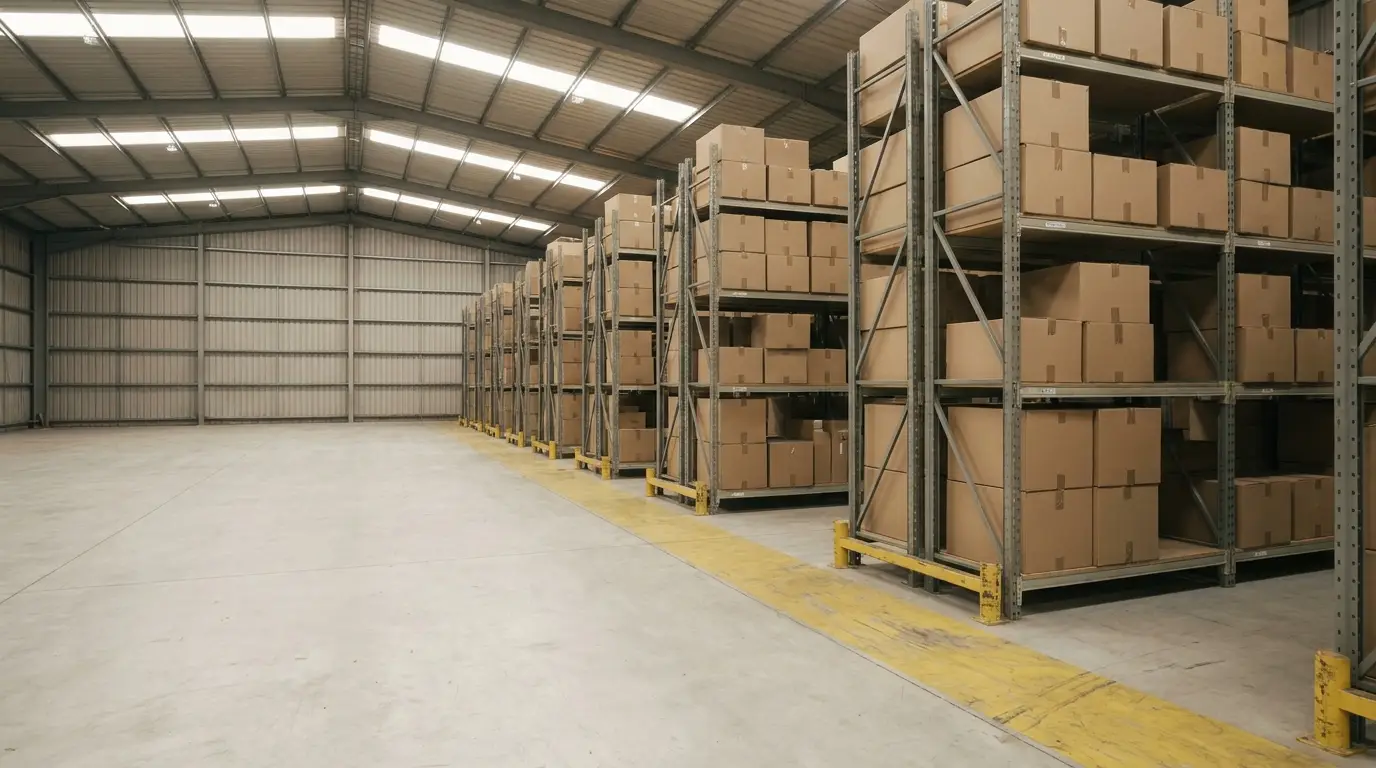
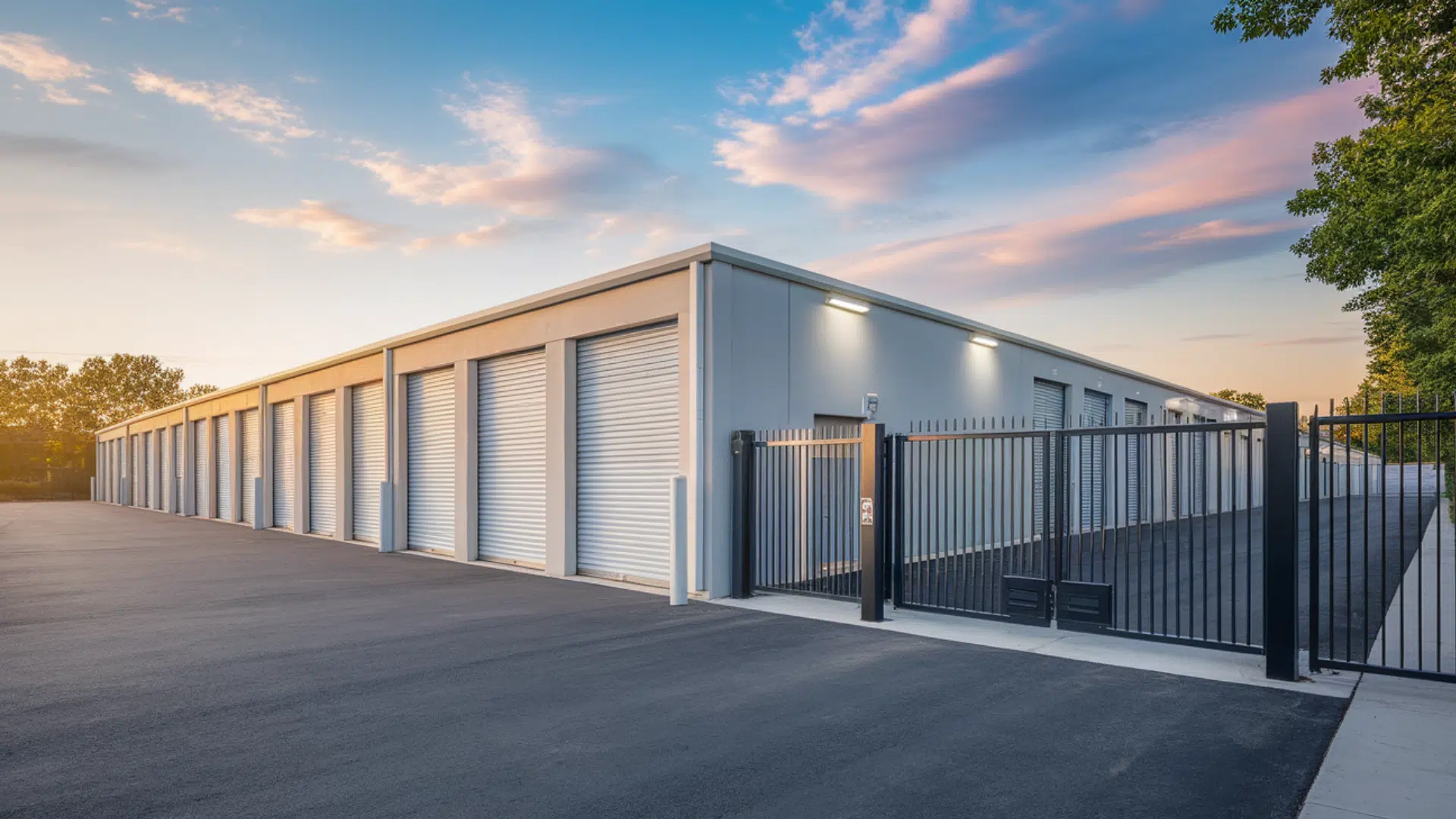
A single routine does not fit every commercial space. An office leans toward daily presentation, covering washrooms, kitchens, floors, and high-touch surfaces, with pest inspections on a quarterly cycle. A food or medical facility needs higher-frequency cleaning to a documented hygiene standard and far more rigorous pest monitoring, because the consequences of a lapse are measured in shutdowns rather than complaints. A warehouse or storage facility shifts the emphasis again: less about polish and more about dust control, racking hygiene, and sealing the large roller-door gaps that let rodents and birds stroll in.
Matching the scope and frequency to how the space is actually used is what keeps you both compliant and cost-effective. You are not paying for hospital-grade cleaning in a storage shed, or leaving a medical suite on an office schedule. A good contractor will help you set that scope rather than sell you a generic package.
They Work Best as One Routine
Cleaning and pest control are usually arranged separately, but they are two halves of the same job: denying pests the food and harborage that cleaning removes, while catching early signs of activity that a cleaner walking the floors will often spot first. Treat them as a single upkeep routine and each makes the other more effective.
A practical baseline for most commercial premises:
- Set a cleaning scope and cadence. Define exactly what gets done and how often, then hold the service to it rather than leaving it to chance.
- Don’t skip the high and hidden zones. Vents, hard floors, washrooms, and warehouse racking are where neglect compounds.
- Schedule pest inspections, don’t wait for sightings. Quarterly checks cost a fraction of an infestation.
- Seal the entry points. Gaps under roller doors and around services are the freeway pests use to get in.
- Keep the records. Documented cleaning and pest programs are what carry you through an audit.
The Cheapest Insurance a Business Can Buy
Most businesses think of cleaning and pest control as overheads to trim, when they are closer to a premium you pay to avoid a much larger bill. For an office, good upkeep protects your people and your reputation, the two things that are slowest and most expensive to rebuild once they slip. For a warehouse or storage facility, it protects the stock that is the business. Either way, a simple, scheduled routine that treats cleaning and pest control as one discipline is one of the cheapest forms of insurance a commercial operation can buy, and unlike most insurance, it makes the place better to walk into every single day.