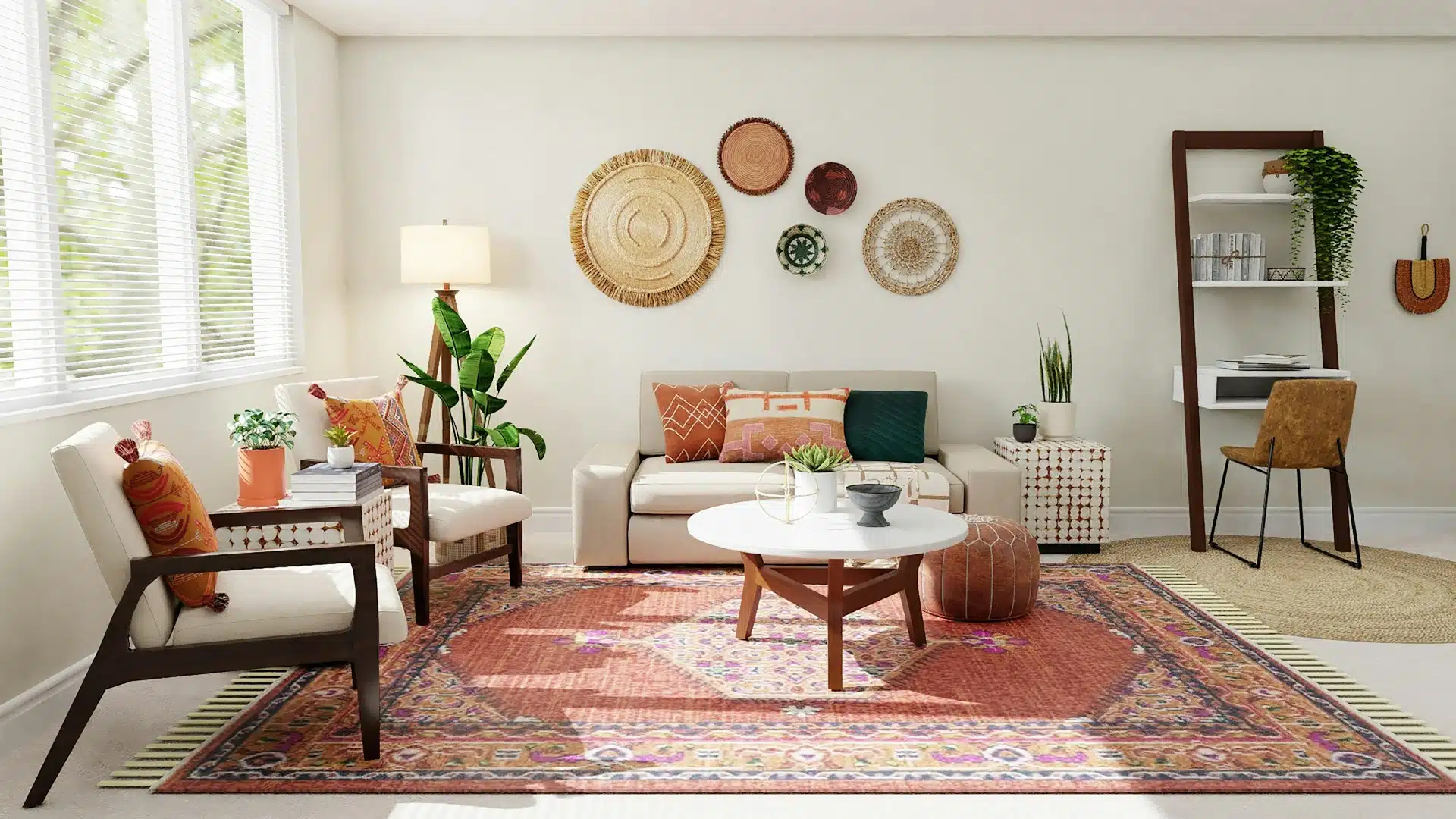
The way people decorate their homes has never been more intentional. Gone are the days of impulse purchases and trend-chasing for its own sake. Consumers are being more thoughtful in their purchases, spending more on quality fixtures and timeless looks that will evolve and work in the home long-term. This shift in mindset is reshaping an already enormous industry.
The U.S. home decor market was valued at $215.33 billion in 2025 and is estimated to reach $226.53 billion in 2026, driven by rising consumer spending on home improvement, increasing interest in interior aesthetics, and growing demand for personalized living spaces.
Accessorizing your home in 2026 is less about following a rigid rulebook and more about curating a space that reflects who you are — one that balances beauty, function, and well-being in equal measure.
Wellness Has Moved Indoors
Perhaps the most defining shift in home design this year is the integration of wellness into every corner of the living space. Homes are being designed to support physical and mental well-being through natural light, improved air quality, and materials that promote comfort. Flexible spaces are also being used for wellness routines — like yoga areas, quiet recovery corners, and cold plunges or sauna spaces integrated into the layout.
This means accessories are being chosen not just for looks but for how they make a room feel. Soft textiles in breathable natural fibers, diffusers with essential oils, and minimalist shelving that reduces visual clutter are all part of a broader philosophy: your home should help you recover, not just impress.
Color and Texture Are Doing the Heavy Lifting
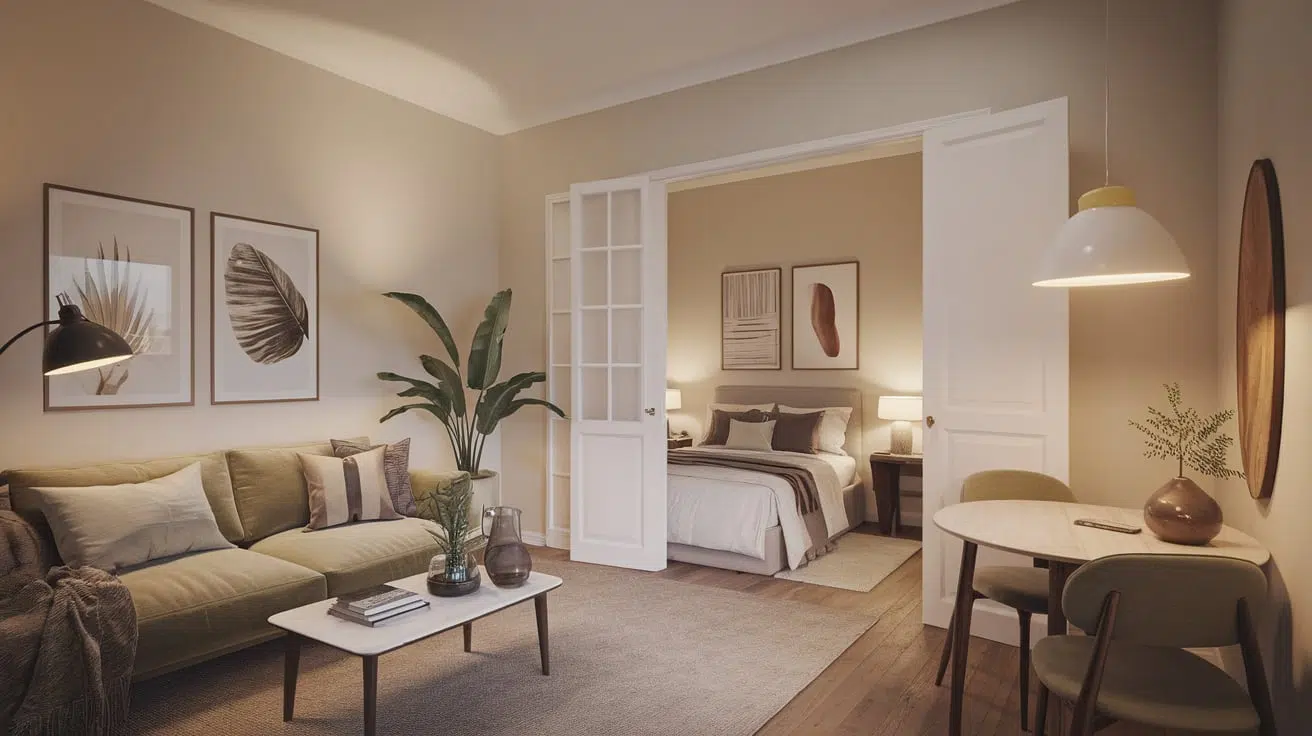
Forget stark white walls and cold, uniform surfaces. Colors, textures, and patterns are increasingly selected to promote calm, energy, or focus. Soft neutrals inspired by stone, sand, and nature are popular, while a warm palette centered around clay, spice hues, taupe, and sun-washed browns is gaining strong traction.
Accessories are the easiest and most affordable way to introduce these tones into a space. A terracotta ceramic vase, a woven jute runner, or a set of linen cushions in warm earth tones can completely transform the atmosphere of a room without a major renovation. The vases and planters segment is growing at a 6% compound annual growth rate, reflecting just how much consumers are leaning into organic, nature-inspired accents as key decorating tools.
Lighting as a Statement, Not an Afterthought
Lighting has evolved from a background necessity into one of the most expressive accessories in the modern home. One of the biggest lighting trends for 2026 is lighting that makes a statement — fixtures designed to become part of the architecture itself, relying on clean geometry, repetition, and scale to make an impact rather than ornate detailing.
At the same time, vintage-inspired lighting is making a comeback, with today’s designs taking inspiration from classic styles like mid-century shapes or traditional chandeliers and updating them with modern materials and LED technology. This dual pull toward the dramatic and the nostalgic has created the perfect moment for hybrid fixtures to shine.
One of the most talked-about examples is the cooling fandelier ceiling fan — a fixture that merges the elegance of a chandelier with the practicality of a ceiling fan. Fandeliers offer a unique blend of elegance and functionality, serving as a decorative centerpiece while providing lighting and airflow, and they come in a variety of styles, finishes, and designs that allow homeowners to choose options matching their personal taste, from contemporary to vintage. Warm bronze finishes are trending in modern farmhouse, transitional, and organic-modern interiors, while matte black remains one of the most searched and specified finishes in contemporary home design. For anyone looking to make a single accessory do the work of three, this fixture is hard to beat.
Frames, Mirrors, and Wall Decor Are Getting Bolder
Wall accessories are experiencing a quiet renaissance in 2026. Thicker, vintage-style frames are coming back in a significant way, driven by the continued popularity of elevated English cottage aesthetics that have favored more substantial, decorative framing over the thin, delicate styles of recent years.
Mirrors, always a reliable tool for making spaces feel larger and brighter, are part of a market now valued at $8 billion globally. Pairing oversized, ornate mirrors with layered gallery walls gives rooms a collected, lived-in character that feels personal rather than staged.
Curated Over Cluttered
There is a growing interest in unique, curated items that make a home feel personal and one-of-a-kind, with customers looking for spaces that are not only beautiful but also functional and tailored to their lifestyles. This is perhaps the most important principle guiding home accessorizing in 2026. Fewer, better pieces — each chosen with intention — consistently outperform rooms packed with trend-of-the-moment items that have no coherent story to tell.
Practical accessories with strong visual identities are at the center of this philosophy. Think sculptural bookends, handmade ceramics, architectural candle holders, and statement textiles that anchor a space and give the eye somewhere purposeful to land.
The Functional-Beautiful Balance
The most successful home accessories in 2026 do two things at once. They earn their place not just by looking good on a shelf but by genuinely improving day-to-day living. This is why hybrid products — from storage ottomans to decorative ladder shelves to multi-functional lighting — are dominating wish lists and shopping carts alike.
Ultimately, accessorizing your home this year is an exercise in self-awareness as much as it is in design. The spaces people are creating in 2026 are quieter, warmer, and more considered — built to support real life rather than perform for an audience.