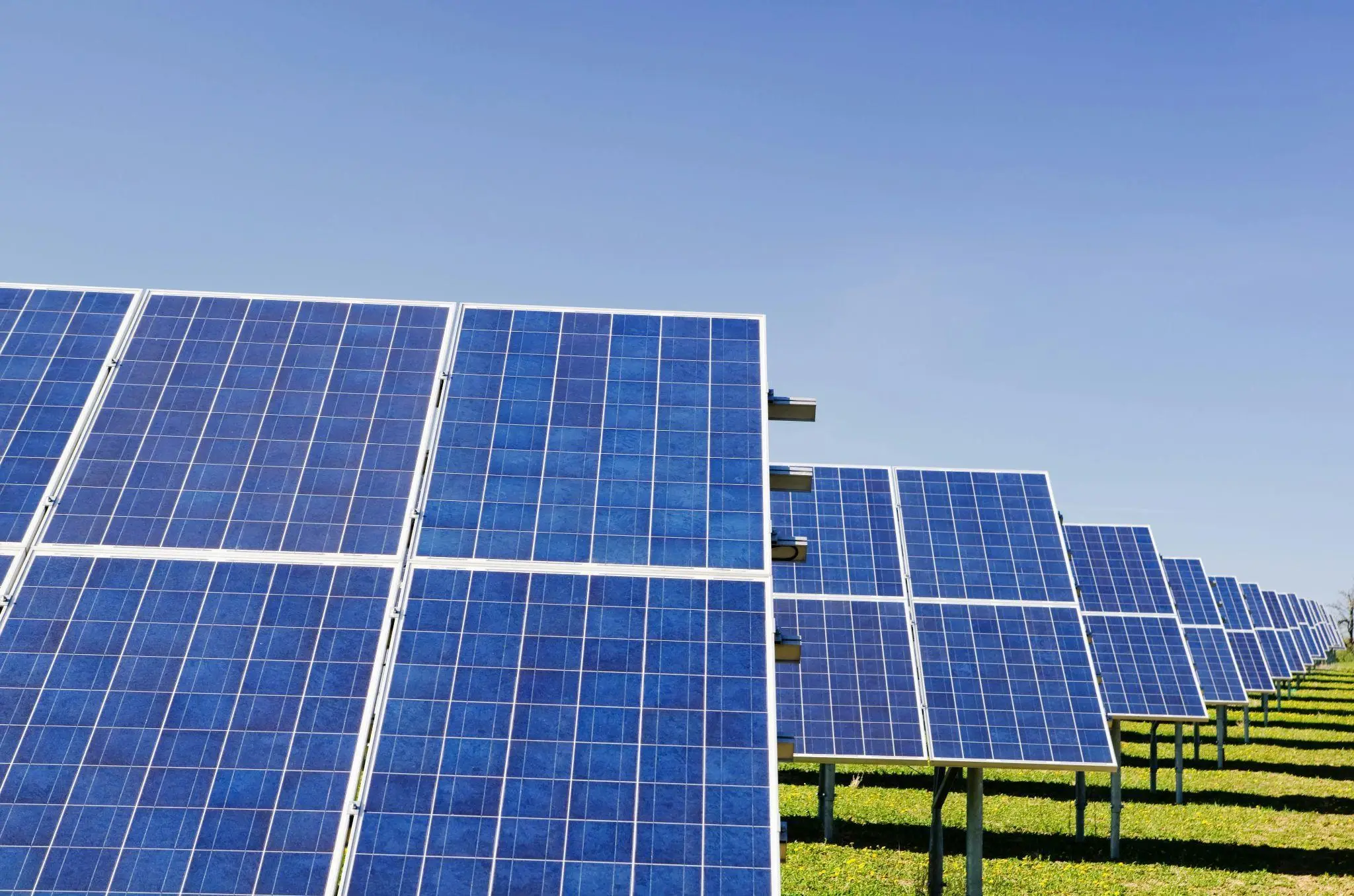
Living off the grid, whether in a tiny home tucked into the woods or on a boat moored at a quiet marina, sounds romantic until the lights go out at 2 a.m. and you realize your battery bank can’t carry you to morning. Off-grid life rewards preparation and punishes shortcuts.
The people who do it well aren’t the ones who spent the most money, they’re the ones who understood what they actually needed before they bought a thing.
Whether you’re outfitting a 200-square-foot cabin on wheels or kitting out a vessel for long stretches away from shore power, the same principles apply: calculate your real needs, choose reliable equipment, and build in redundancy where it counts. Here’s what to know before you commit.
Start With Solar Sized for the Way You Actually Live
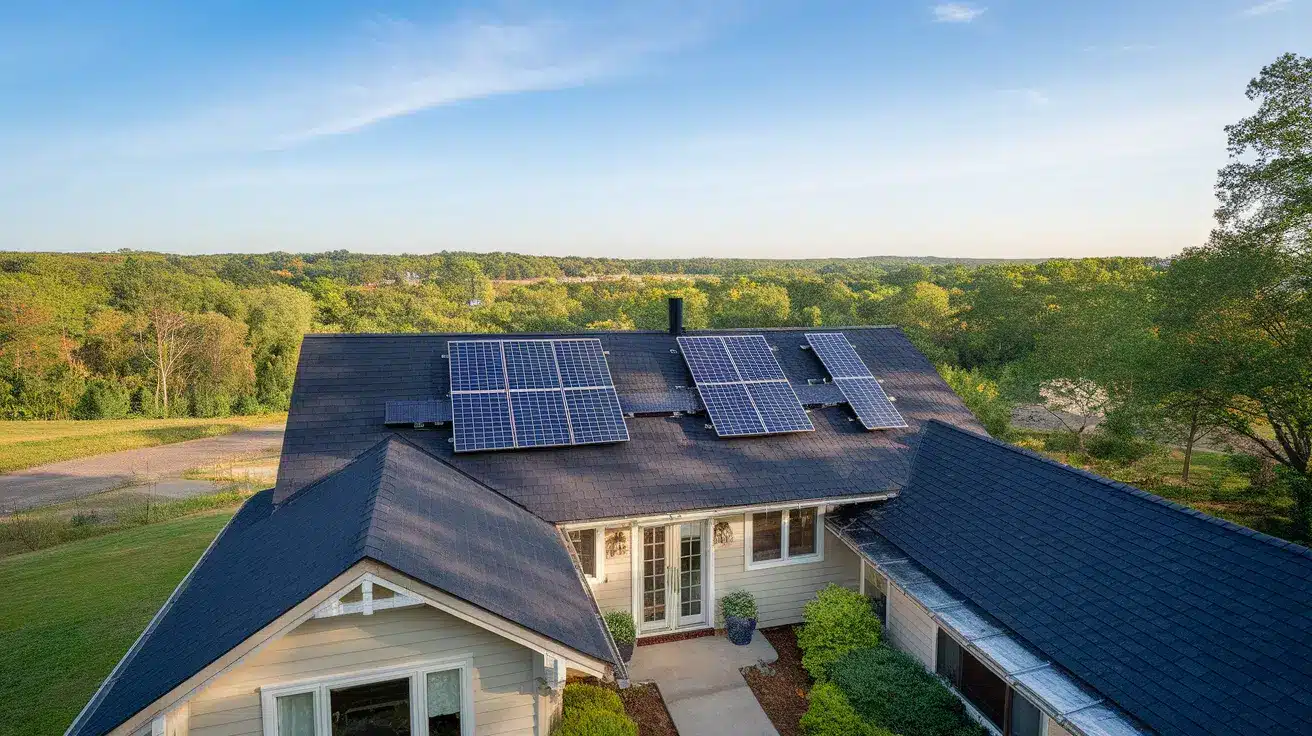
The single biggest mistake first-time off-grid owners make is sizing their solar setup based on optimistic assumptions instead of real use. Before buying a panel or battery, list every device you’ll run, how many hours per day each one operates, and the wattage each draws. Add it all up honestly. The number will surprise you, and it’s the only foundation for a system that actually works.
Once you know your daily watt-hour needs, you can size panels, batteries, and inverters that match, with a buffer for cloudy stretches and the days you simply use more.
Suppliers like The Solar Store carry off-grid kits, panels, batteries, and inverters designed for exactly this kind of independent setup, which makes building a properly matched system much easier than piecing it together blind. Don’t underbuy on storage; a system that generates plenty of power during the day but can’t carry you through the night defeats the whole purpose. Plan for your worst week of the year, not your best.
Know Your Water, and Why Boats Are a Different Animal
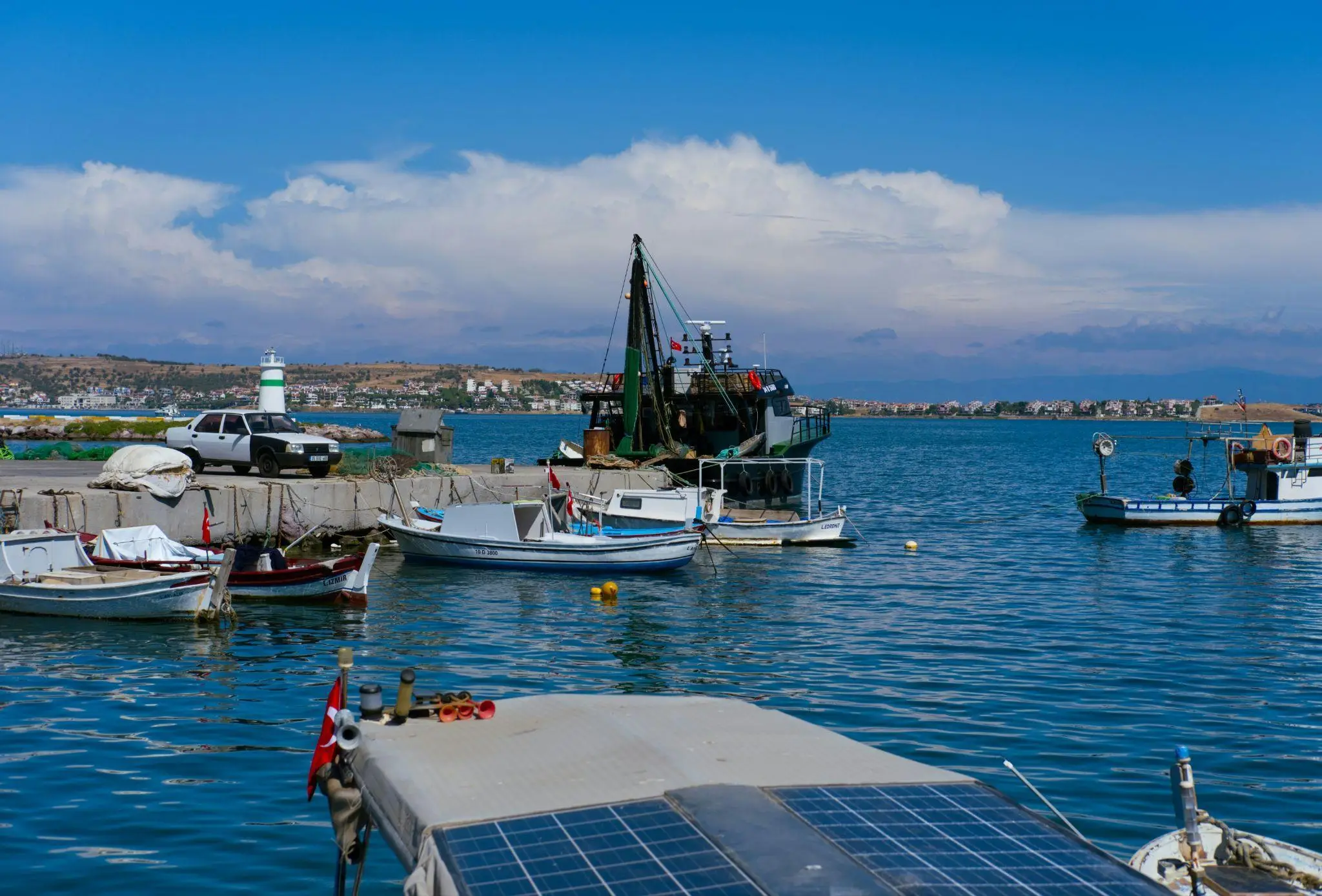
Off-grid life on land and off-grid life on the water share electrical fundamentals, but boat owners face their own category of decisions on top. Marine environments are harder on equipment, navigation matters in ways it doesn’t for a tiny home, and your relationship with the water around you shapes much of how you live aboard.
For anyone fishing as part of that life, for sport, food, or simply the joy of it, quality electronics make a real difference. A good unit reads depth, structure, and fish accurately, which transforms the experience and, for those who fish to eat, the practicality of the boat itself.
Options like lowrance fish finders cover a range from basic depth-and-fish display models to advanced sonar and chartplotter combinations, and the right pick depends on the water you’re on and how seriously you fish. Wire your electronics into your power plan from the start; retrofitting them later is harder and messier than building them in.
Batteries Are Where the System Lives or Dies
You can have the best panels in the world, but if your battery bank is undersized, mismatched, or poorly maintained, the whole system fails. Batteries are the single most important component in any off-grid setup, and they’re where it pays to invest carefully. Lithium options have largely displaced older lead-acid setups for serious users because they last longer, weigh less, and tolerate deeper discharges, though they cost more upfront.
Match your battery type to your charge controller and inverter, and make sure everything’s rated to work together. Pay attention to where the batteries live, they need ventilation, temperature stability, and easy access for monitoring.
A battery monitor that tells you exactly how much charge you have left at any moment is one of the best small investments you can make; running blind on percentage estimates is how people end up stranded.
Inverters, Wiring, and the Stuff Nobody Talks About
The components between your panels and your outlets matter as much as the panels themselves. Your inverter converts stored DC power into the AC most appliances need, and getting the right size, and a pure sine wave model for sensitive electronics, prevents a lot of headaches. Undersize the inverter and it can’t run what you need; oversize it and you’re paying for capacity that wastes power on standby.
Wiring is the unglamorous backbone of any system. Proper gauge, good connectors, fused circuits, and clean runs aren’t optional, they’re the difference between a safe setup and a fire risk. If you’re not confident doing electrical work, hire someone who knows DC systems specifically. The cost of a professional install is small compared to the cost of a system that fails or, worse, causes damage on a boat or in a small structure where escape options are limited.
Build in Backup Power You’ll Actually Use
Even a well-designed off-grid system has bad stretches, long runs of cloudy weather, a malfunctioning component, an unexpected demand. The people who handle this gracefully have backup options ready.
For tiny homes, a small generator that can top up the battery bank during extended cloudy spells is a sensible insurance policy. For boats, a combination of shore power capability when you’re docked and a generator for longer stretches at anchor covers most scenarios.
Don’t rely on backup so heavily that it becomes your primary power, though. A generator running constantly is loud, expensive to fuel, and defeats much of the appeal of going off-grid in the first place. Treat backup as exactly that, a buffer for the bad weeks, not a substitute for a properly sized primary system.
Plan for Maintenance Before You Need It
Off-grid systems demand more attention than grid-tied ones, and the people who skip routine maintenance pay for it later. Check connections, clean panels, test battery health, and inspect wiring on a regular schedule. Salt air on boats and dust and weather on tiny homes both take their toll, and small problems caught early stay small.
Keep spares on hand for the components most likely to fail, fuses, connectors, basic tools. On a boat especially, being far from a parts supplier means a small failure can become a big problem fast. A simple maintenance log, even just notes on your phone, helps you track what you’ve done and spot patterns before they become breakdowns.
Understand the Trade-Offs and Commit Honestly
Finally, the most important thing any prospective off-grid owner can do is be honest about the lifestyle. Off-grid living means using less than you used to, paying attention to weather and consumption in ways most people never do, and accepting that some conveniences cost more, in money, attention, or both, than they did on the grid.
The people who thrive in tiny homes and on boats are the ones who genuinely want the trade-off, not the ones romanticizing it from a distance. Do your homework, size your system honestly, buy quality where it matters most, and you’ll find that off-grid life delivers exactly what its devotees promise: a simpler relationship with the resources you actually use, and a kind of independence the grid can never offer.