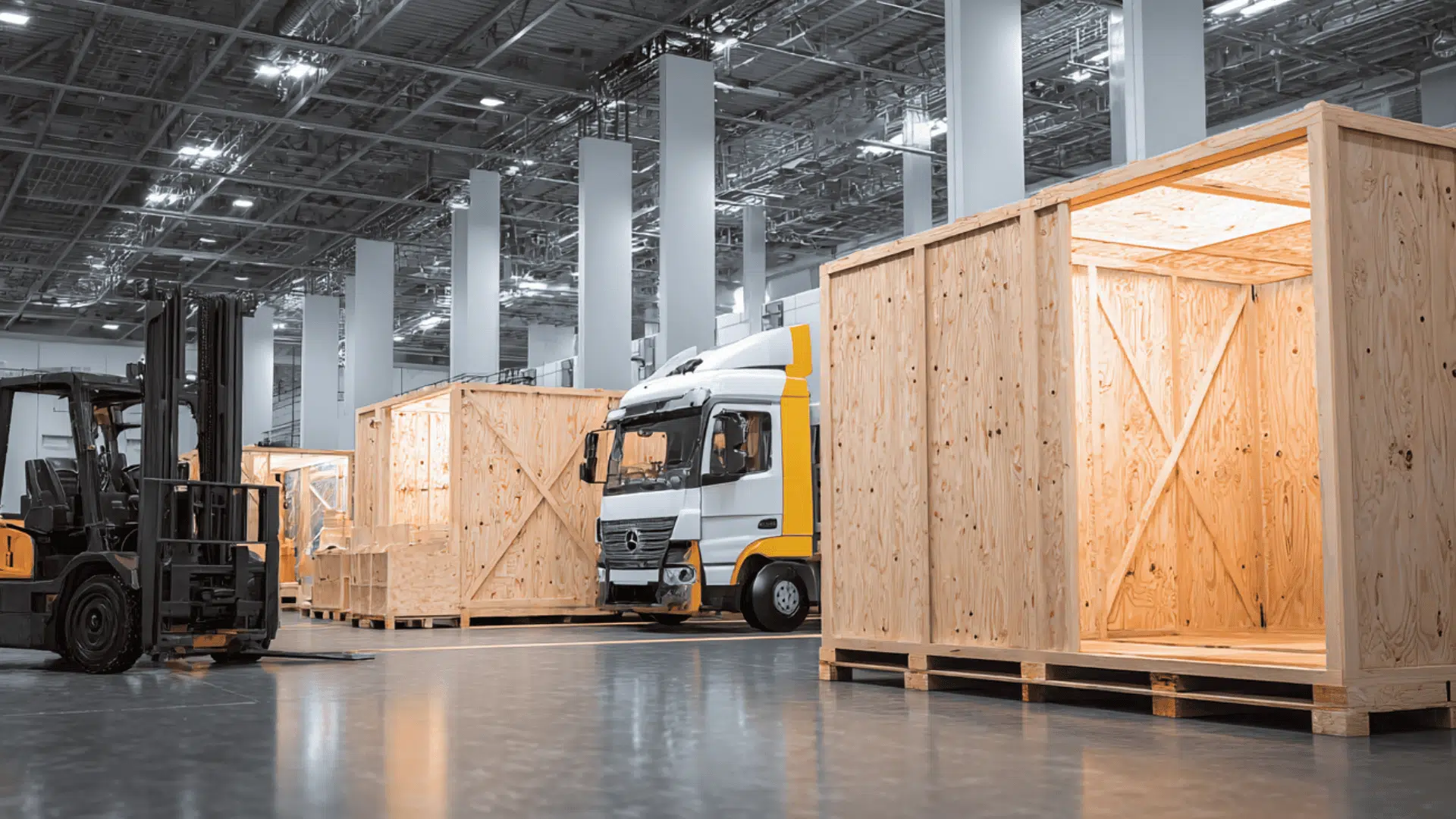
The logistics world is a unique beast because the “mess” isn’t just digital—it’s physical. It is fuel costs, maintenance schedules, and the sheer overhead of keeping a fleet on the road. When things are going well, it is tempting to think that adding more trucks is the fastest way to more profit. But I have seen too many owners jump into a fleet expansion only to realize they just multiplied their headaches instead of their margins.
I have realized that scaling a logistics business without a strategy is basically just gambling with very expensive equipment. You might feel like you’re moving fast, but if you do not have a clear view of the road ahead, you’re likely headed for a ditch.
The Hidden Costs of Growing Too Fast
Most people look at a new truck and see revenue. I look at a new truck and see a mountain of hidden paperwork and recurring bills. It is not just the monthly payment on the vehicle. It is the insurance spike, the additional driver payroll, and the inevitable reality that something will break at the worst possible time.
If you do not have a system to track these variables before they happen, you will find yourself in a cash flow crunch that can sink the whole operation. I think the real value in stepping back is realizing the importance of a business plan as a diagnostic tool. It is not about a formal document to impress a bank. It is about sitting down and proving to yourself that the math actually works. It forces you to account for the “what ifs” before they turn into real-world disasters.
Decision Fatigue on the Open Road
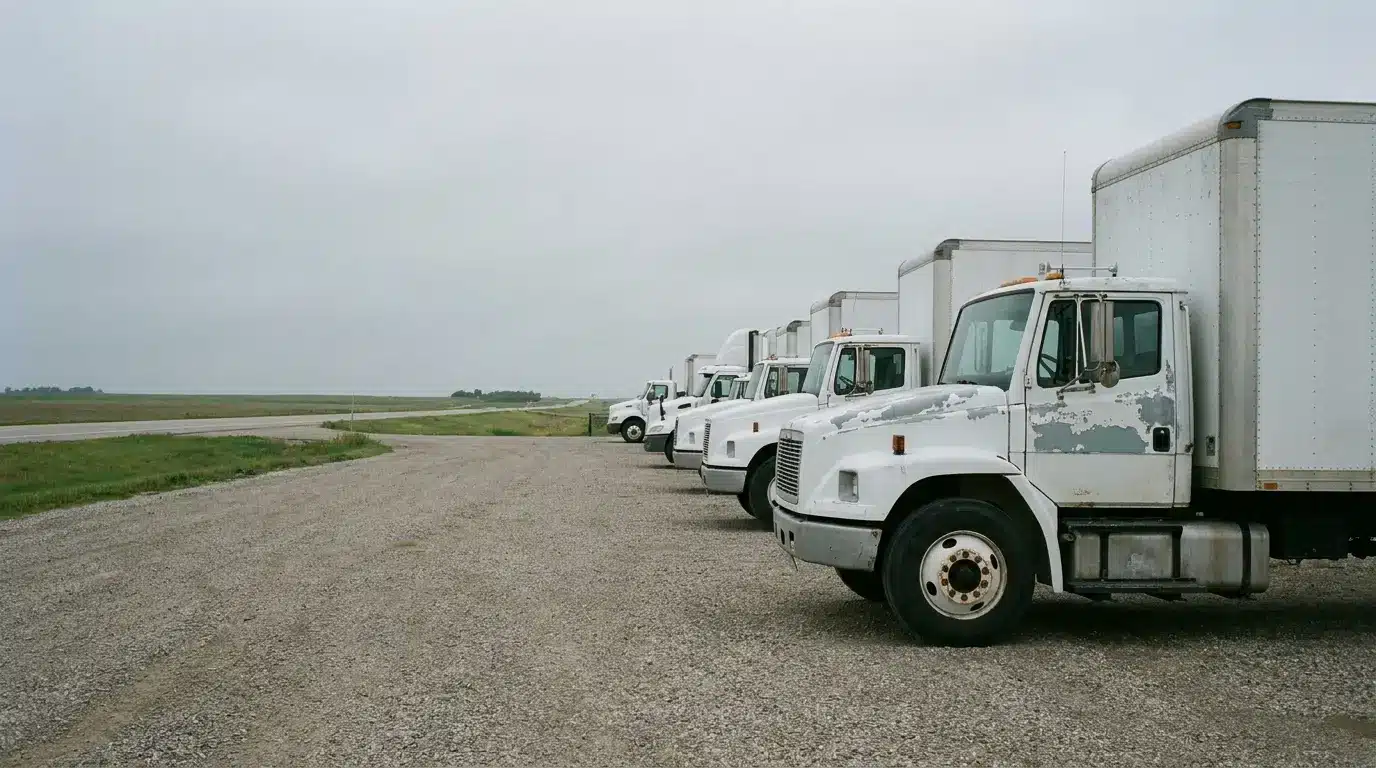
In logistics, things change by the hour. Fuel prices jump, a key route gets blocked, or a driver calls out sick. If you are winging your business strategy, every one of these events feels like a life-or-death crisis. You spend your whole day in reactive mode, putting out fires instead of looking for new contracts.
I found that having a roadmap takes the weight off your shoulders. When you’ve already decided on your growth targets and your “red lines” for expenses, the daily choices become much simpler. You just look at your plan and see if the new opportunity fits your long-term goal. If it doesn’t, you have the confidence to say no. That clarity is what keeps a fleet owner sane when things get chaotic.
Building Trust With Partners and Drivers
People want to work for a professional outfit. If you are trying to hire top-tier drivers or land a major shipping contract, they can tell if you are making it up as you go. A lack of direction creates an environment of uncertainty that drives away reliable talent. Drivers want to know the company they work for is stable and has a plan for the next five years, not just the next five days.
I realized that a clear plan acts as a professional signal. It shows you are serious about your business and that you have a long-term vision. It allows you to communicate what you expect and builds a culture where people actually feel accountable. When everyone knows the goals, the whole team moves together.
Final Thoughts
Expanding a fleet is a massive achievement, but it requires a grounded approach to be sustainable. By starting with a clear plan, you give your business the structure it needs to survive the ups and downs of the industry. It moves you past the “hustle” and helps you build a real company that can go the distance. I guess we all just have to decide if we want to be a driver or an owner. And owning always requires a plan.