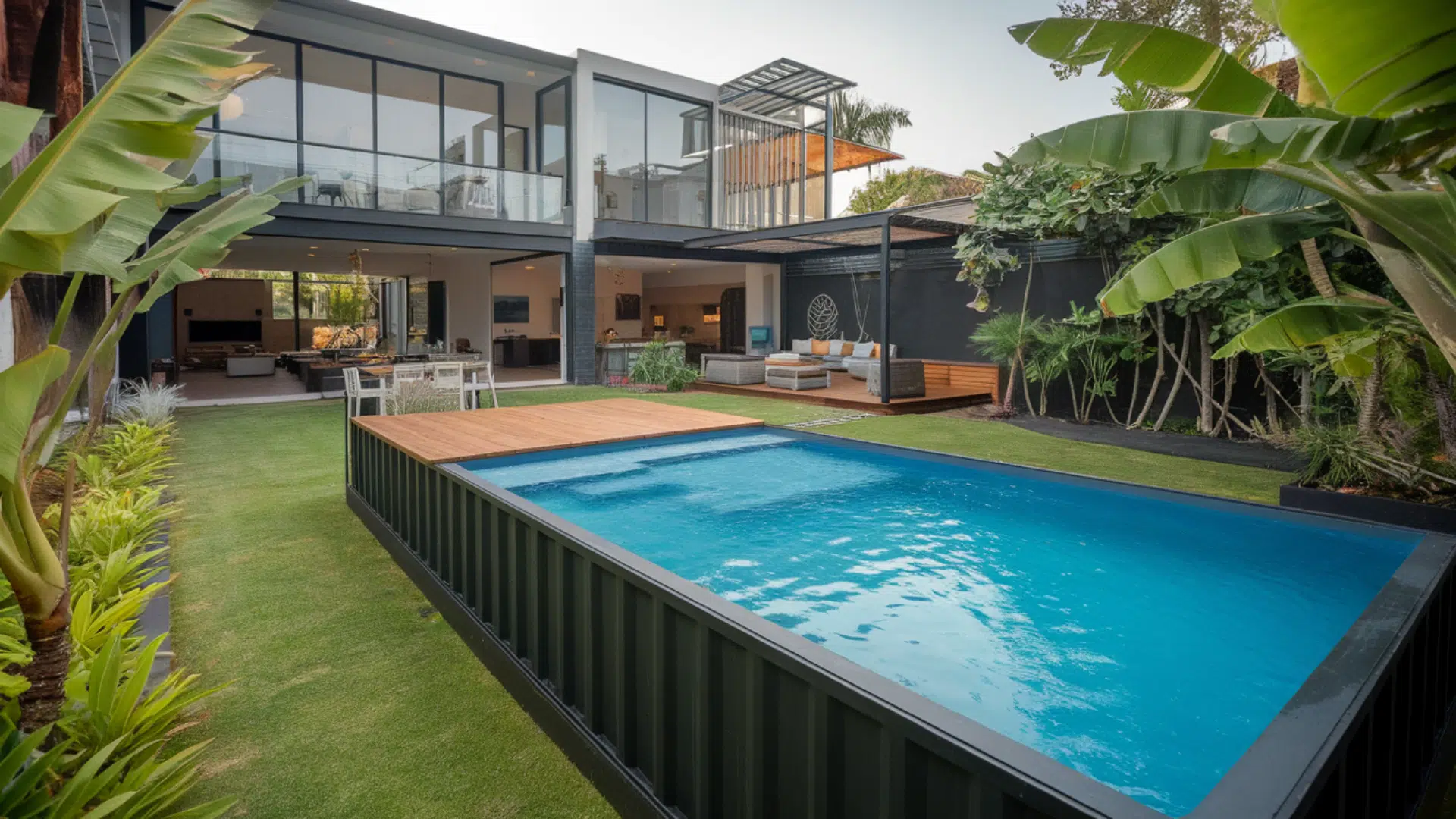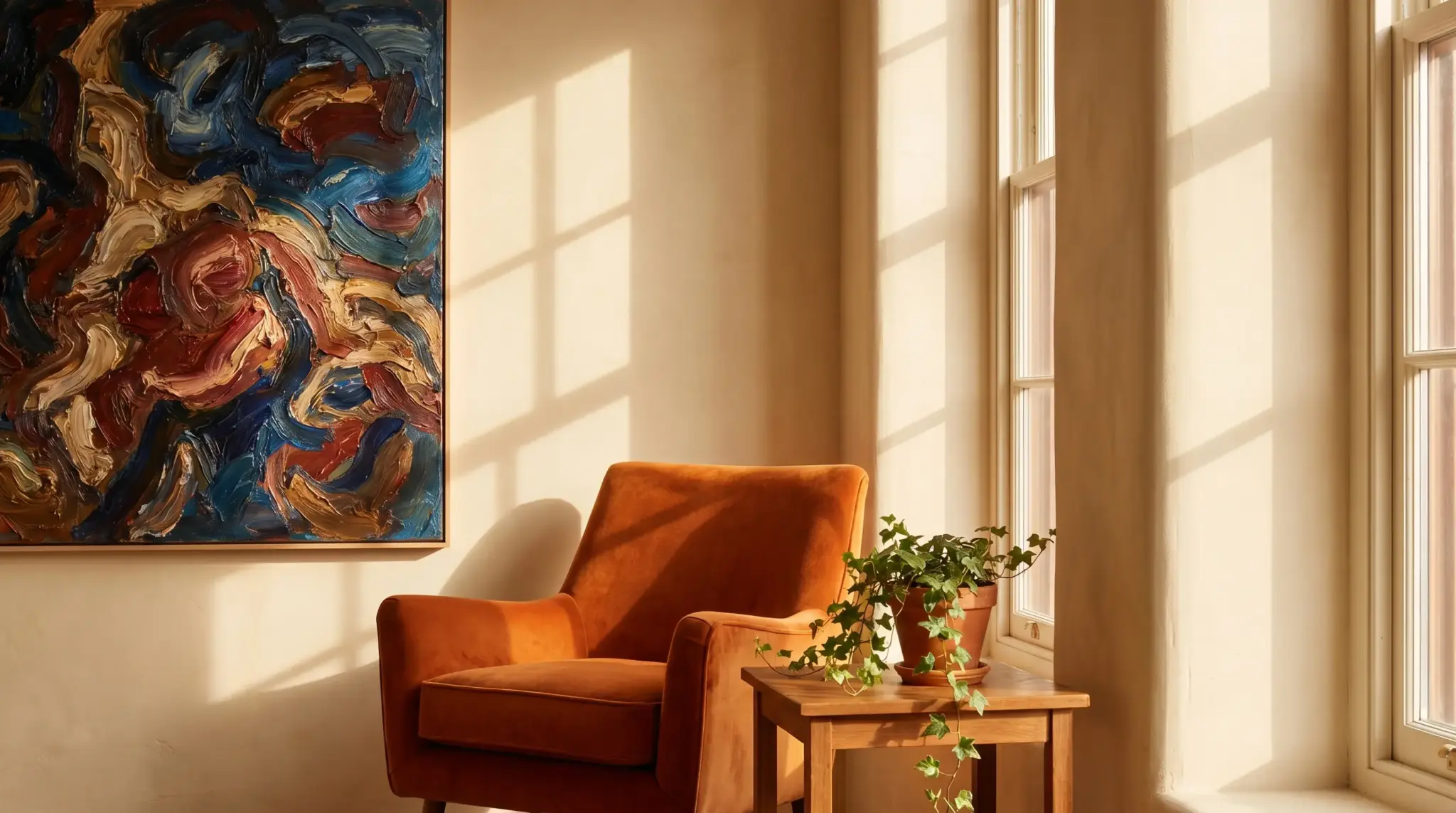
Walk into a room with mass-produced art and you can usually feel it before you notice it. Everything looks fine, nothing looks wrong, but nothing sticks with you either. It is the visual equivalent of background music in a waiting room. Compare that to a space with even one original or thoughtfully sourced piece, and suddenly the room has a pulse. It feels considered, personal, and just a little bit unpredictable in the best way.
There is a quiet shift happening in how people approach their homes. More homeowners are stepping away from generic prints and leaning into pieces that carry some kind of story or texture. Not because it sounds impressive, but because it actually changes how a space feels to live in day after day.
The Problem With Prints
Mass-produced art is everywhere for a reason. It is easy, affordable, and instantly fills a blank wall. The issue is not that it exists, it is that it rarely says anything. These pieces are designed to appeal to as many people as possible, which means they end up feeling like everything else you have already seen.
You can walk through ten different homes and spot the same framed abstract, the same neutral landscape, the same oversized typography piece. It starts to feel like decorating by template. Even if everything is styled nicely, the room lacks that sense of individuality that makes someone stop and look twice.
There is also something about repetition that dulls the experience of a space. When your eyes recognize something too quickly, you stop engaging with it. That might sound small, but over time it makes a room feel flatter than it should.
Finding Real Pieces
Once you move past mass-produced options, the question becomes where to actually find something better. This is where people tend to get stuck, assuming original art is hard to access or requires insider knowledge. It really does not.
Local galleries, antique shops, estate sales, and even small online artist platforms open up a completely different world. You start to notice brushstrokes, materials, imperfections, and unexpected color choices that simply do not exist in factory prints. That is part of the charm.
For those who prefer browsing from home, modern art for sale online is the way to go when you are intentional about it. Online auction houses, smaller platforms and artist-run shops often feature work that feels fresh and personal without being overwhelming to navigate. The key is slowing down and choosing something that actually resonates, not just something that fills a wall.
Owning an original piece, even a small one, has a different kind of presence. You are not just looking at an image, you are looking at something that someone made by hand. That connection changes how you experience it.
Making It Work
There is a common belief that original art only works in large, perfectly styled homes. That is simply not true. In fact, it can have an even stronger impact in tighter spaces where every detail matters more.
When decorating a small space, one well-chosen piece can do more than a gallery wall full of generic prints. It draws the eye, creates a focal point, and gives the room a sense of intention. Instead of trying to fill every inch, you let a single piece breathe, and the space feels more elevated as a result.
Scale still matters, but it does not have to be complicated. A smaller painting with strong texture or color can hold its own on a larger wall. A vintage sketch can add depth to a narrow hallway. It is less about size and more about presence.
Mixing styles also helps. A traditional oil painting can sit comfortably in a modern room. A contemporary piece can soften a more classic space. That contrast is where things start to feel layered instead of predictable.
The Story Factor
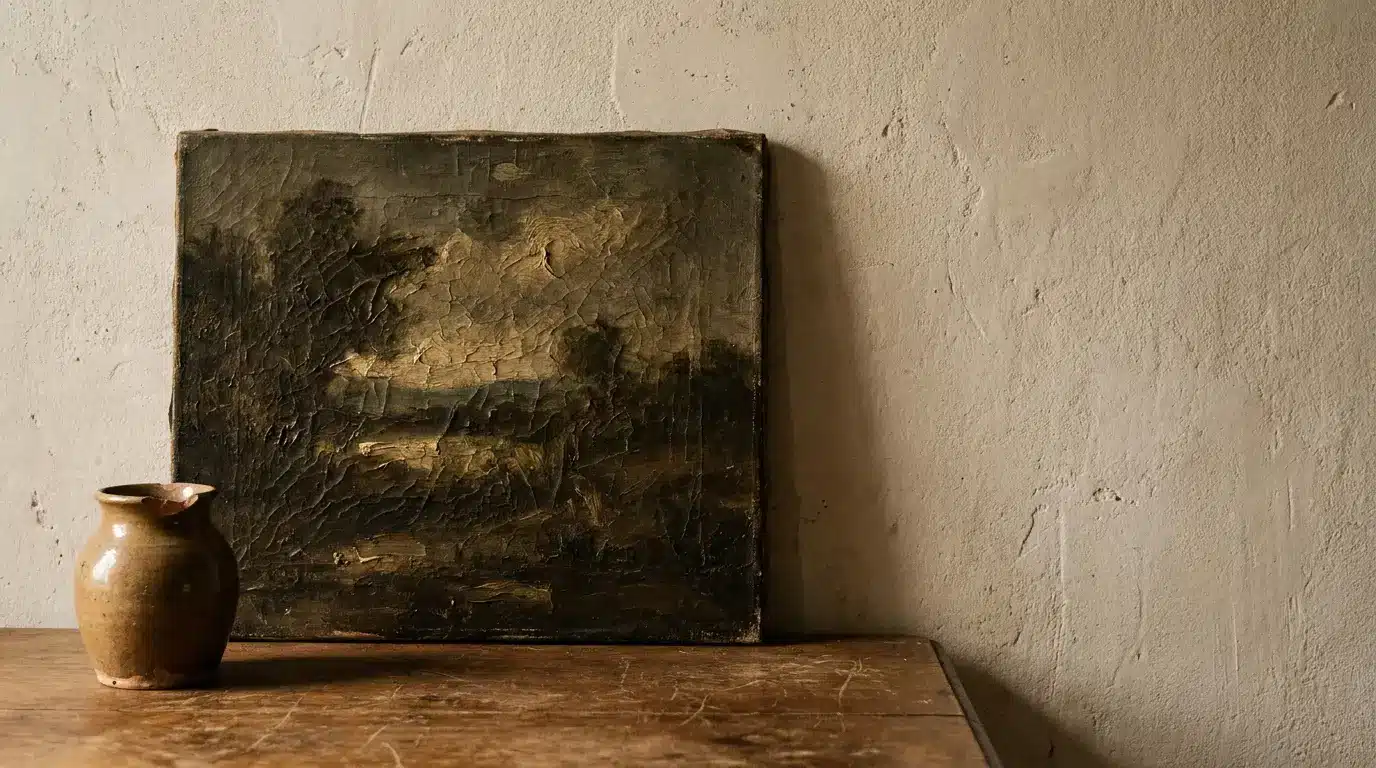
One of the biggest differences between mass-produced art and original pieces is the sense of history. Even if the piece is new, it carries the imprint of the person who created it. If it is older, it comes with a past you can feel, even if you do not know every detail.
An antique painting, a hand-drawn illustration, or a found piece from a small shop adds something that cannot be replicated. It gives your home a sense of continuity, like it exists beyond the present moment. That feeling is subtle but powerful.
There is also a personal layer that develops over time. You remember where you found the piece, what drew you to it, and how it has lived in your space. That kind of connection does not happen with something you grabbed off a shelf because it matched your sofa.
It is not about turning your home into a gallery. It is about letting a few meaningful pieces shape the atmosphere in a way that feels natural and lived-in.
Letting Your Home Evolve
Switching away from mass-produced art does not have to happen all at once. In fact, it is better if it does not. The most interesting homes are built slowly, with pieces added over time as tastes shift and evolve.
Start with one wall. Replace one print with something that feels more personal. Live with it for a while and notice how the room changes. That process naturally leads to more thoughtful choices down the line.
Over time, your home starts to reflect your experiences instead of a catalog page. It becomes a place where every piece has a reason for being there, even if that reason is simply that you liked it enough to bring it home.
A Different Kind of Finished
A home does not need to look perfect to feel complete. In fact, the slightly imperfect, collected look is often what makes it feel most comfortable. Original art plays a big role in that, bringing in texture, history, and a sense of individuality that mass-produced pieces just cannot match.
When you start choosing art that actually means something to you, the entire space shifts. It feels less like something you assembled and more like somewhere you actually live.