Australia’s property market has become one of the most expensive in the world. According to the Australian Bureau of Statistics, the mean price of a residential dwelling in New South Wales now sits at $1,301,100, and the total value of Australia’s residential housing stock has surpassed $12.3 trillion. For many households, the idea of buying a second property or upgrading to a larger home has moved well out of reach.
This pressure has pushed Australians to think more creatively. Some have considered downsizing. Others have looked at the tiny home movement, drawn by stories of people living simply, spending less, and reclaiming their time. But for most families who already own land, there is a more practical middle ground available, one that does not require giving anything up. You can use what you already have to create more.
That is exactly where the granny flat comes in. In this post, we will explore why Australians use this term, what it actually means under the law, why demand has surged across cities like Sydney and Western Sydney, and how it stacks up against the tiny home lifestyle. If you have ever wondered whether your backyard could be working harder, this one is worth reading in full.
What Is a Granny Flat?
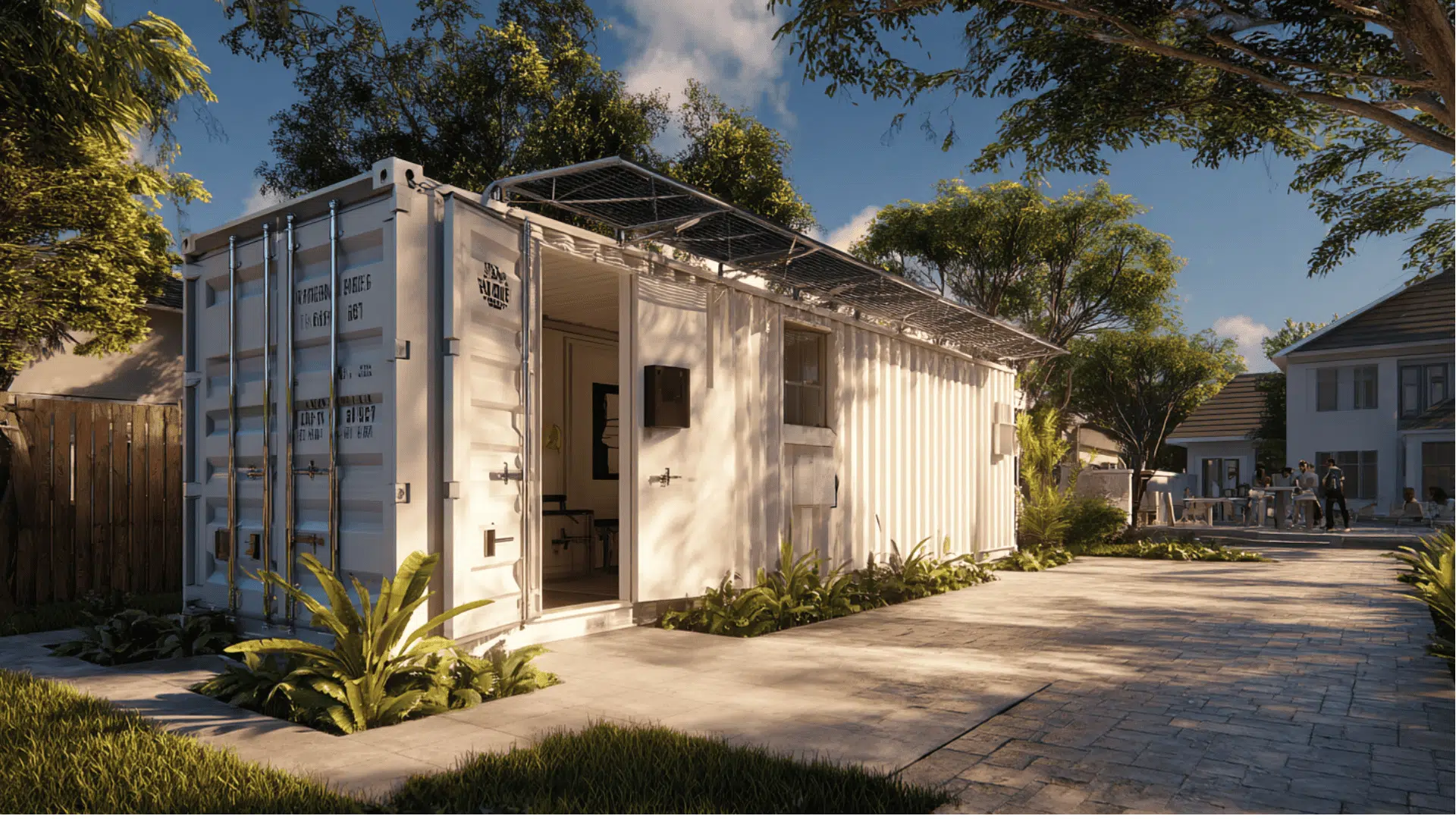
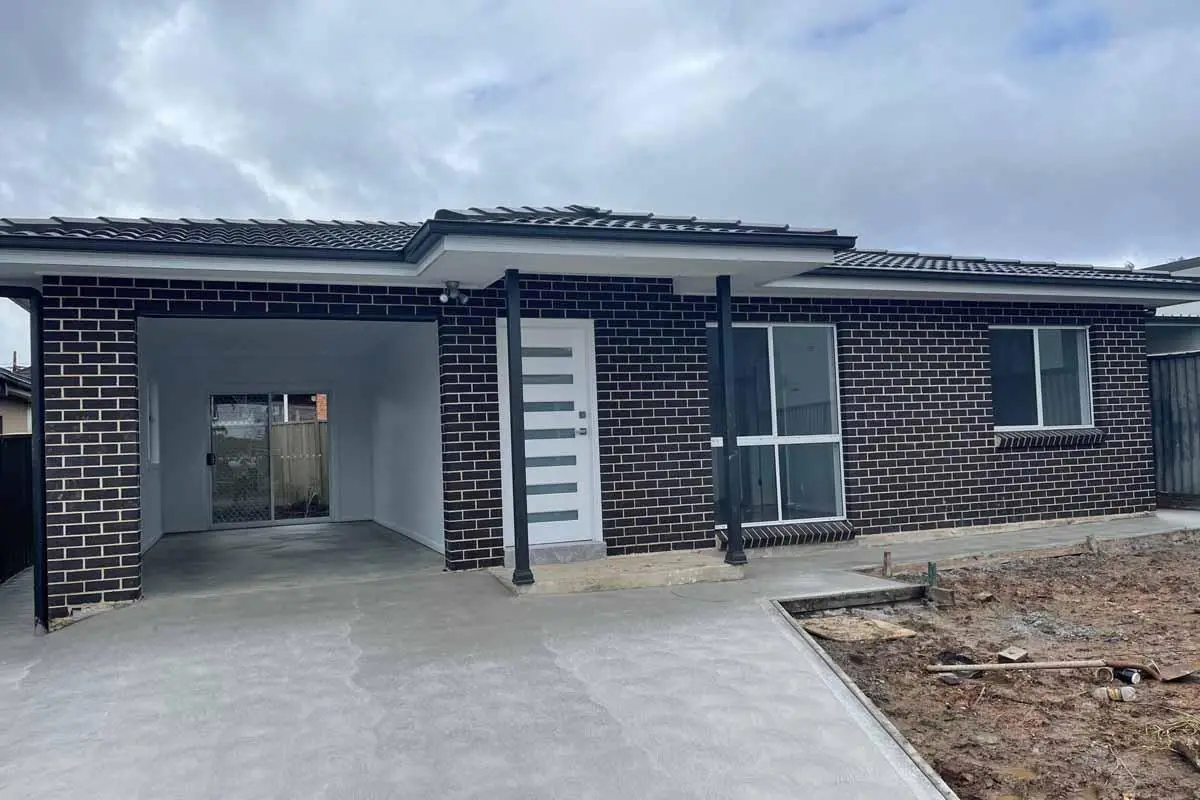
Think of a granny flat as a second, self-contained home that shares the same land title as the main house. It has its own entrance, its own kitchen, its own bathroom, and it functions entirely independently of the main dwelling. It is not a converted garage with a folding bed. It is a fully liveable home that usually sits in the backyard, giving underused outdoor space a clearer purpose.
The term comes from the original purpose of these structures, which was to house ageing parents close to family without everyone living under the same roof. The arrangement worked so well that the name stuck, even as the function has evolved considerably. Today you are just as likely to find a granny flat being used as a rental unit, a home office, or a space for an adult child still finding their feet.
In New South Wales, the legal term is secondary dwelling, which is defined as a self-contained dwelling on the same lot as a principal dwelling. The NSW Housing SEPP allows complying development approval for secondary dwellings of up to 60 square metres on residential lots of at least 450 square metres, which means many Sydney homeowners can build one without needing a full development application. The colloquial term – granny flat – simply remains the one everyone actually uses.
Why Granny Flats Have Become So Popular Across Australia
There is no single reason behind the growth in granny flat builds, but a few factors are clearly driving the trend. Property prices have made rental yields increasingly attractive for existing homeowners. At the same time, multi-generational living has made a quiet comeback as families look for ways to stay close without giving up privacy. The economics, in most cases, are genuinely compelling.
Rental Income Without the Cost of a Second Property
Sydney’s rental market remains one of the tightest in the country, and granny flats have moved firmly into the mainstream as an income strategy. According to realestate.com.au, typical two-bedroom secondary dwellings in Sydney now earn between $350 and $650 a week in rent, with potential annual gross income reaching $36,000 depending on location and the quality of the finish. For a homeowner whose land is already paid for, that return is difficult to ignore.
Working with experienced granny flat builders Sydney residents trust matters here, because build quality directly affects what you can charge in rent and how long the dwelling stays low-maintenance. A well-designed layout and durable finishes pay dividends over years, not just months.
Space for Family Without Sacrificing Independence
For many Australian families, the granny flat has become a genuine solution to the in-between stages of life. Ageing parents who are not yet ready for aged care but need to be closer to family. Adult children saving for a first home in a market that has moved significantly ahead of them. A guest arrangement that suits both parties far better than shared living ever could.
Having a separate structure with its own entrance means each generation gets real privacy, which matters a great deal in practice. The spatial separation tends to protect relationships in a way that sharing a house rarely does.
Property Value and Long-Term Asset Growth
A well-built secondary dwelling adds measurable value to a property. Buyers increasingly factor in the income potential or family flexibility a granny flat provides, which means you are not just improving your lifestyle, you are improving the asset itself. In competitive Sydney markets where blocks are held tightly, a granny flat often converts a standard property into something more financially versatile.
It is also worth thinking about how internal fittings play into liveability and appeal. A granny flat that includes thoughtful storage, including built-in wardrobes and well-organised living spaces, commands more in rent and reads better to buyers down the track. A compact secondary dwelling that feels spacious and functional is worth considerably more than one that simply meets minimum requirements.
Granny Flats or Tiny Homes – Which Way Should You Go?
The tiny home movement has attracted genuine interest in Australia, and the appeal is easy to understand. Some tiny homes are built on trailers and designed to move; others are fixed structures on private land. Either way, the draw is similar – lower costs, simpler living, a smaller environmental footprint, and the idea of owning something outright without decades of mortgage repayments. It speaks to a real frustration with how expensive conventional housing has become.
That said, tiny homes suit certain situations better than others. They work well for people with rural land, a more transient lifestyle, or a genuine desire to minimise in ways a fixed dwelling simply cannot match. In dense urban areas like Sydney, however, zoning rules, utility connections, and long-term placement can make the practical reality harder than the idea suggests.
A granny flat takes a different path. It is built on a permanent foundation, connected to mains utilities, council-approved, and recognised under NSW planning law. It can be financed through a construction loan or home equity, and it holds its value on the property title. The regulatory framework in NSW is actually set up to support it, which makes the process more predictable than many homeowners expect.
So which one is right for you?
If you want a movable, ultra-minimal home and are comfortable navigating zoning, land access, and utility logistics, a tiny home may suit your lifestyle well. If you already own a property and want to create a legal, liveable, self-contained space in the backyard, a granny flat is likely the more practical path.
Take Your Time and Get the Right Advice
There is no pressure to decide quickly. If you are thinking about building a secondary dwelling, the most useful first step is a genuine conversation with the people you share your home and life with.
What does your household actually need over the next five to ten years? Would income make a real difference? Is there a family member who would benefit from living nearby? Getting clear on those questions before you think about builds and budgets tends to produce much better outcomes.
Once you have a sense of what you want, talking to a local granny flat specialist in NSW is the logical next step. They will assess your block, explain what is achievable under the planning rules that apply to your lot, and give you realistic cost and timeline estimates so you can make an informed decision.