
Quick Answer
Rodents tend to become a bigger issue for homes during seasonal weather shifts because they’re constantly searching for stable shelter, consistent food sources, and safe breeding environments. As temperatures drop in the fall or rise unpredictably in the spring, their natural habitats become less hospitable, pushing them toward human dwellings. Heavy rains, snowmelt, and freeze-thaw cycles can also create or expose new openings in a home’s structure, making it easier for mice, rats, and other small rodents to slip inside unnoticed – often before homeowners realize there’s a problem.
Introduction
Picture this: it’s late October, the first frost has dusted your lawn, and you’re settling in with a warm drink – completely unaware that a mouse is squeezing through a hairline crack near your foundation. Seasonal transitions don’t just change the colour of the leaves; they dramatically alter rodent behaviour. As outdoor conditions grow harsher or more unstable, these adaptable creatures pivot their survival strategies toward the warmth and resources our homes offer.
That’s why many Canadian households notice a spike in unwelcome visitors during these periods – even if they’ve had no issues all summer. Understanding the link between weather volatility and rodent movement is the first step toward staying ahead of an infestation. For homeowners seeking reliable support, expert rodent prevention services for Calgary homes can provide peace of mind through proactive, science-backed methods tailored to local climate challenges.
This isn’t just about winter. From spring thaws to summer storms and autumn cooling, every season brings unique risks.
How Seasonal Weather Shifts Influence Rodent Behaviour
Rodents are opportunistic survivors. Their movements aren’t random; they follow predictable responses to environmental cues. As seasons change, so do temperature, humidity, food availability, and shelter conditions in the wild – all of which directly shape rodent activity patterns. What many homeowners don’t realize is that each seasonal transition presents a distinct set of pressures that can drive them indoors.
Fall: The Prime Invasion Window
As daylight shortens and temperatures dip below 10°C, rodents begin seeking overwintering sites. Unlike humans, they can’t layer up or turn up the heat – so they head where it’s warm: your attic, basement, or wall voids.
Key fall triggers:
- Declining natural food sources (seeds, berries, insects)
- Cooling soil that forces burrowing species upward
- Mature populations from spring/summer breeding looking for new territory
This is when entry point sealing becomes critical. Even gaps as small as 6 mm (the width of a pencil) can admit a house mouse. Common vulnerable areas include:
- Gaps around utility lines (gas, water, electrical conduits)
- Damaged soffits or loose roof shingles
- Cracks in foundation walls or brickwork
- Weatherstripping gaps beneath doors
Spring: Breeding Surges and Habitat Disruption
Spring might feel fresh and clean, but it’s actually a high-risk period for new infestations. Snowmelt and heavy rains can flood underground nests, forcing survivors to seek dry ground – often inside homes. Simultaneously, rising temperatures kickstart breeding cycles. A single female house mouse can produce 5–10 litters per year, each with 5–6 pups.
Season | Primary Rodent Motivation | Common Entry Risks |
|---|---|---|
Spring | Escape flooded burrows; reproduce | Foundation cracks from frost heave; open windows |
Summer | Seek shade and water during heatwaves | Damaged screens; garage door gaps |
Fall | Secure warm shelter before freeze | Unsealed vents; deteriorated siding |
Winter | Survive in insulated spaces | Chimney flues; pipe penetrations |
Summer and Winter: Misunderstood Risks
Many assume rodents disappear in summer – but heat and drought can drive them indoors in search of water and cooler air. Conversely, while winter sees fewer new entries, established populations continue nesting, gnawing, and contaminating stored goods. The silence of a snowy backyard doesn’t mean your home is safe; it may simply mean they’re already inside.
Understanding these cyclical pressures helps shift pest control from reactive to proactive. Instead of waiting for droppings or gnaw marks, homeowners can align their indoor pest prevention strategies with the rhythms of the seasons – staying one step ahead of opportunistic invaders.
Practical Steps to Stay Ahead of Seasonal Rodent Threats
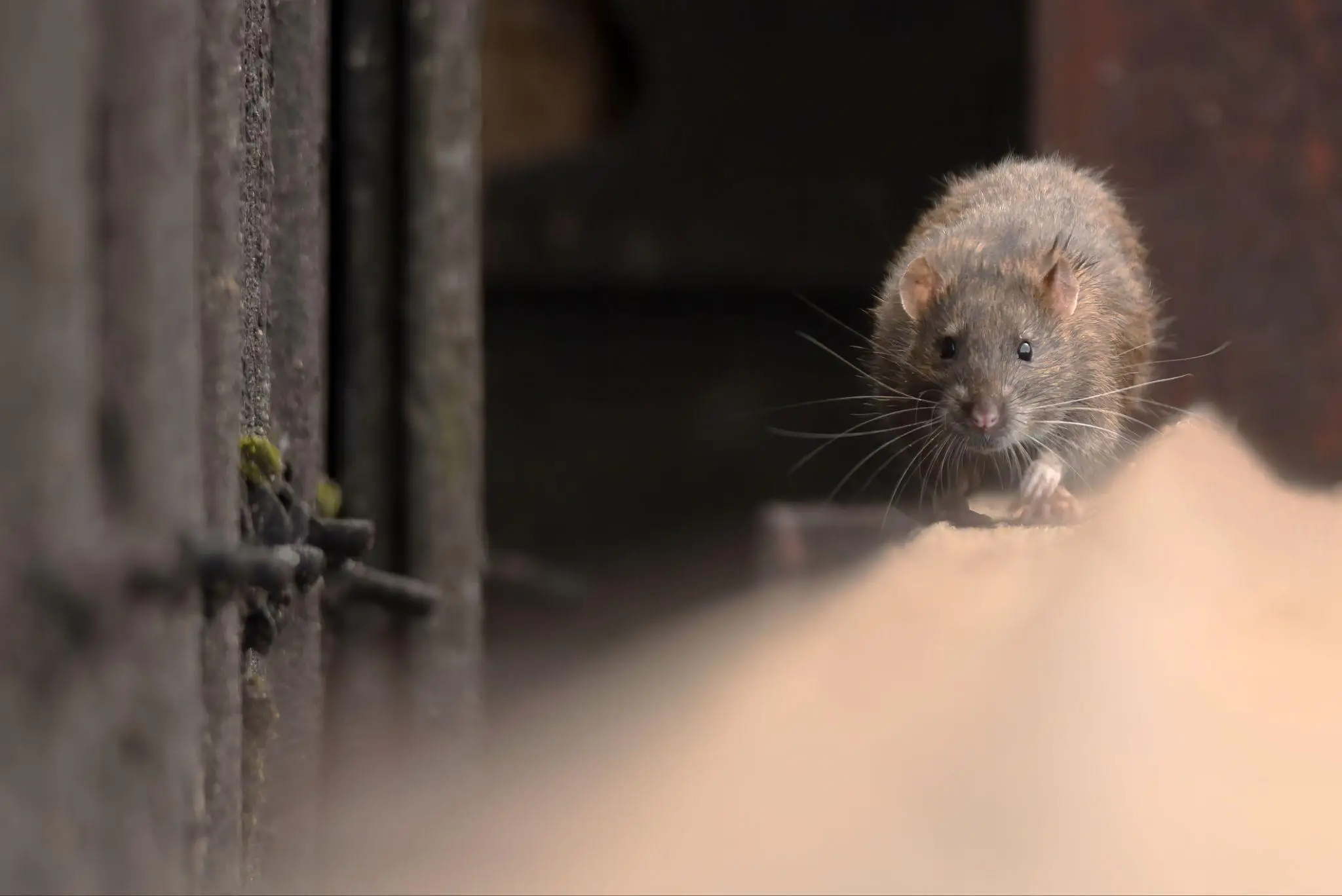
Now that we understand why rodents move when the seasons shift, the next logical step is knowing how to respond – before a sighting turns into an infestation. Effective defence isn’t about one grand gesture; it’s a series of small, consistent actions aligned with the time of year. Below are tailored, actionable measures that address vulnerabilities before they’re exploited.
Season-Specific Prevention Tactics
Spring
- Clear leaf litter, brush piles, and yard debris near the foundation – these provide cover for rodents scouting for entry.
- Repair downspouts and grade soil away from the house to prevent water pooling that can soften siding or erode foundations.
- Schedule residential pest inspections after snowmelt to catch early signs of activity or structural wear.
Summer
- Store pet food, birdseed, and compost in airtight containers – never in garages or sheds without sealed bins.
- Trim tree branches that overhang the roof; they act as bridges for roof rats and squirrels.
- Check attic ventilation screens for tears or gaps, which are easily overlooked in warm months.
Fall
- Conduct a full perimeter walk-around of your home. Use a flashlight to inspect for cracks, holes, or gaps – especially where pipes, wires, or vents enter the structure.
- Replace worn door sweeps and window seals. Even a 3 mm gap under a garage door can invite trouble.
- Avoid stacking firewood or building materials directly against the house; keep them at least 30 cm away and elevated off the ground.
Winter
- Monitor stored pantry goods for signs of gnawing or droppings. Rodents inside will target cardboard boxes and thin plastic.
- Don’t assume cold weather stops activity – check dark, undisturbed areas like crawl spaces monthly.
- Keep garage doors closed as much as possible; heated garages are attractive winter refuges.
Building a Year-Round Defence Framework
While seasonal tips help, the most resilient homes combine timing with long-term habits:
- Layered exclusion: Use steel wool, copper mesh, or expanding foam rated for outdoor use to seal openings – followed by caulk or cement for durability.
- Sanitation discipline: Reduce indoor attractants by sweeping crumbs nightly, taking out trash regularly, and storing dry goods in glass or hard plastic.
- Ongoing vigilance: Look for subtle clues like faint scratching sounds at night, greasy rub marks along baseboards, or nests made from shredded paper or insulation.
These strategies form the backbone of smart home rodent prevention. They don’t require chemicals or drastic measures – just awareness, routine maintenance, and a proactive mindset. By syncing your efforts with nature’s calendar, you turn your home from a target into a fortress, no matter what the thermometer reads.
Final Thoughts: Turning Seasonal Awareness into Lasting Protection
Rodents aren’t invading out of malice – they’re simply responding to the same weather changes we feel in our bones. What sets a resilient home apart isn’t luck; it’s preparation. By recognizing that seasonal transitions are more than just meteorological events – they’re biological triggers for wildlife – you shift from playing defence to staying ahead of the game.