Selecting the right flooring for your home involves more than just picking a style that catches your eye. Homeowners often debate between encaustic cement tile and ceramic tile, each offering distinct benefits and challenges. This article will provide a detailed comparison of these two popular materials, focusing on aspects such as material composition, durability, design versatility, and maintenance. By understanding these factors, you can make an informed decision that aligns with your home’s interior design and practical needs.
Encaustic Cement Tile vs Ceramic Tile: A Comparative Analysis
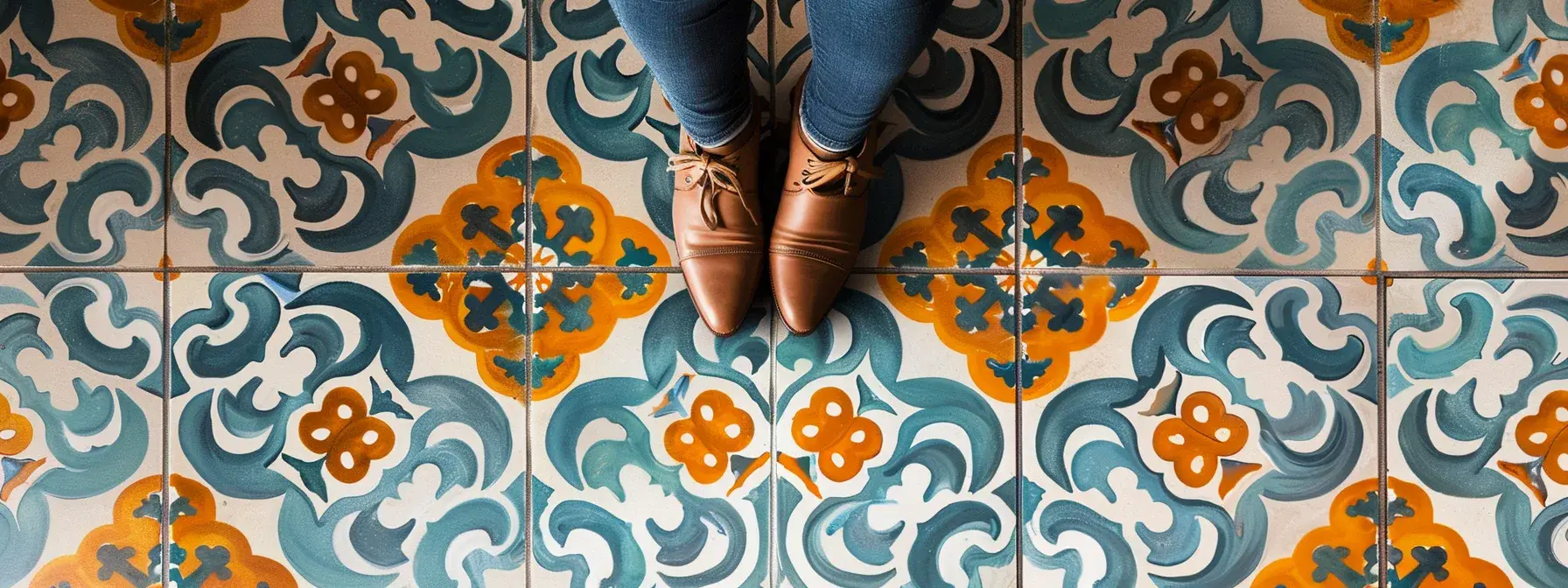
Encaustic cement tiles are known for their unique manufacturing process, which involves hand-pouring pigmented cement into molds to create vibrant patterns. Unlike ceramic tiles that are glazed and fired, encaustic cement tiles do not rely on glaze for color, allowing them to maintain their hues over time. According to industry statistics, encaustic cement tile usage has increased by 25% in contemporary home designs, highlighting their growing popularity for those seeking custom aesthetics. Ceramic tiles, on the other hand, are mass-produced and offer consistency in color and pattern, making them a reliable choice for large-scale projects.
Both types of tiles have their place in the interior design world, with encaustic cement tiles often featured in encaustic cement tile collections, which offer a wide array of artistic designs. For those focusing on detailed schematic design or creating a mood board, encaustic tiles provide a level of artistic freedom that ceramic tiles may not.
For further reading, you can explore how trending tile designs are influencing modern home interiors.
Understanding Material Composition and Durability
The material composition of encaustic cement tiles involves a mixture of cement, sand, and pigments, which are hydraulically pressed to form a tile. This composition gives them a robust nature, capable of withstanding heavy foot traffic, making them ideal for both residential and commercial spaces. Ceramic tiles, composed of clay and other natural materials, are kiln-fired to harden. While both materials are durable, encaustic cement tiles can develop a unique patina over time, which some homeowners find appealing.
Durability is a key consideration, especially when conducting a site analysis for high-traffic areas. Ceramic tiles offer a more uniform wear pattern, which suits projects requiring strict adherence to spec sheets and LEED Certification standards. However, the natural aging of encaustic cement tiles can add character to a space, which might be preferred in bespoke interior design projects.
Discover more about tile flooring options and their suitability for various applications.
Design Versatility and Aesthetic Appeal
When it comes to design versatility, encaustic cement tiles stand out due to their ability to be customized in endless patterns and colors. This makes them an excellent choice for designers looking to create unique color renderings or intricate hardscape designs. Ceramic tiles, while offering a wide range of colors and finishes, often lack the artisanal touch that encaustic tiles provide.
Both tiles contribute significantly to the aesthetic appeal of a space, but encaustic cement tiles often serve as a focal point in FF&E (Furniture, Fixtures, and Equipment) planning. Designers frequently incorporate them into space planning to create striking visual elements that enhance the overall mood and ambiance of a room.
Installation and Maintenance Considerations
Installation of encaustic cement tiles requires precision and expertise, as they need to be sealed properly to prevent staining. It’s common for a punch list to be used during installation, ensuring that every tile is correctly placed and sealed. Ceramic tiles, generally easier to install, are often favored in projects with tight schedules or limited budgets.
Maintenance is another crucial factor. Encaustic cement tiles require periodic sealing to maintain their appearance, while ceramic tiles are more forgiving, needing only regular cleaning to stay in pristine condition. Change orders during a project can often arise from underestimating the maintenance needs of encaustic tiles, making it essential to plan accordingly.
Conclusion
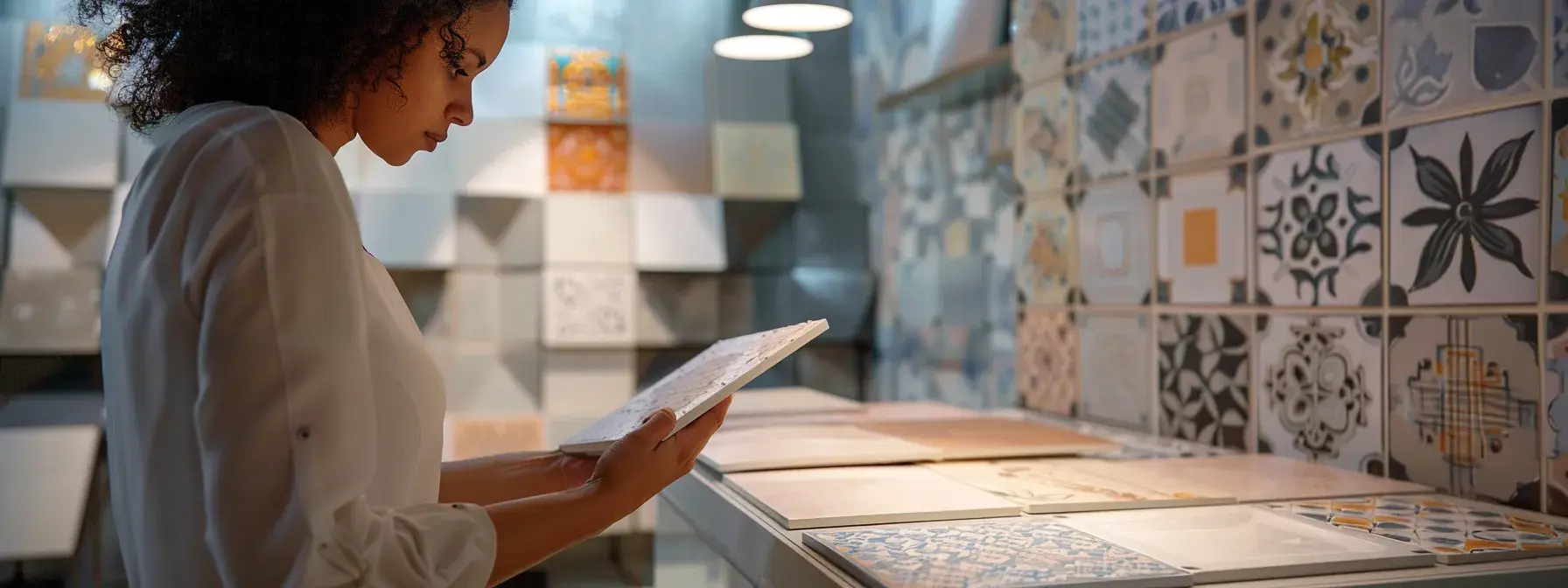
Both encaustic cement tiles and ceramic tiles offer unique advantages for homeowners. Encaustic tiles provide unparalleled design flexibility and a handcrafted aesthetic, while ceramic tiles offer consistency and ease of maintenance. Your choice should reflect your design goals, budget, and the specific requirements of your space. For those seeking a bold, artistic flair in their home, encaustic cement tiles present an excellent option. Understanding the differences and implications of each material will ensure your flooring choice enhances your home’s value and appeal.