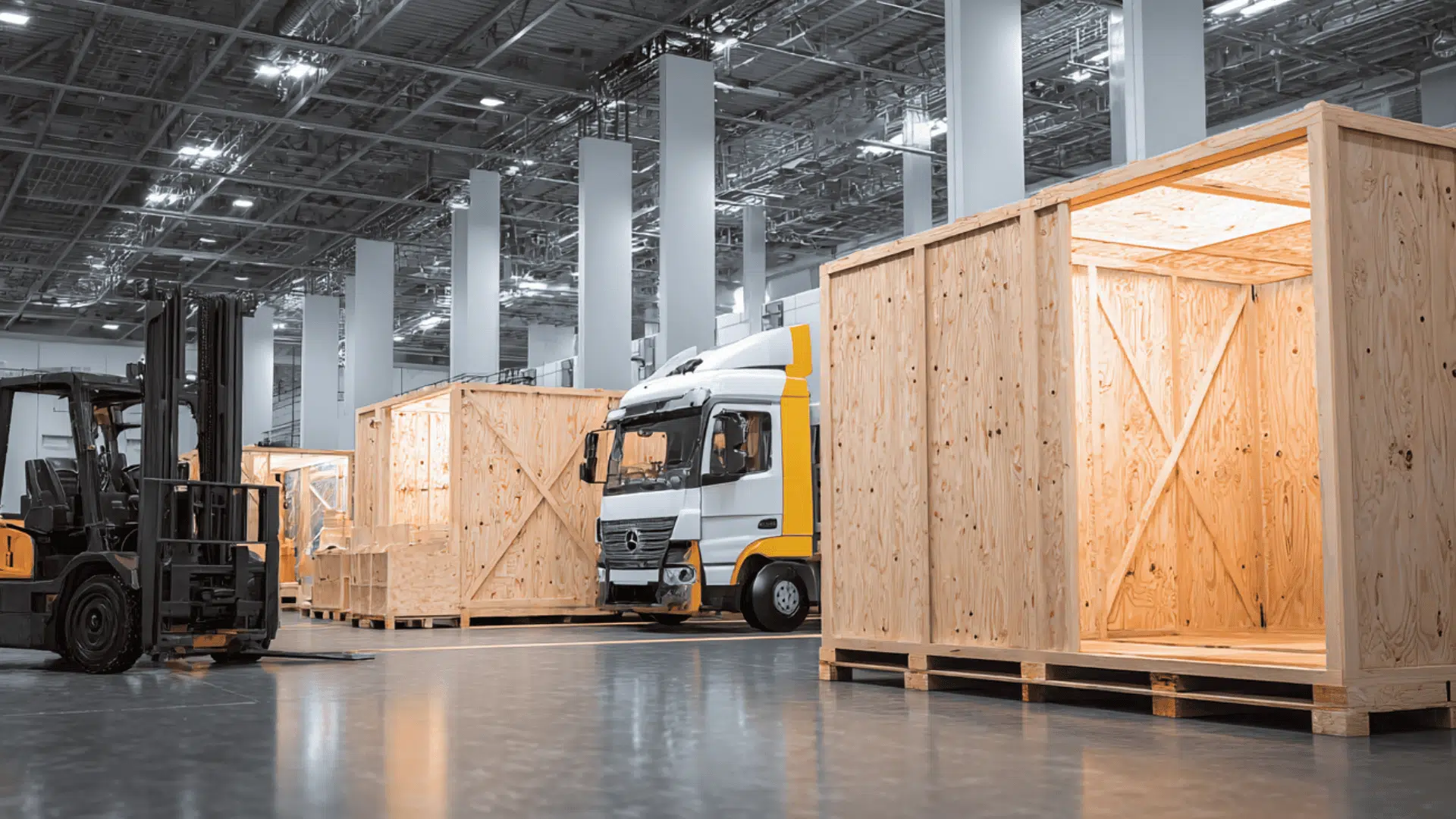
Tare weight is a basic but important concept used wherever weight matters. You’ll see it in shipping, vehicles, and even simple weighing tasks at home.
If you’ve ever wondered how people separate container weight from actual goods, that is tare weight. It helps make weight measurements clear and usable.
In this blog, you’ll learn what tare weight is, how it works, and how it relates to other weight types. By the end, the concept will feel simple and practical to use.
What is Tare Weight?
Tare weight means the weight of something when it is completely empty. This could be a container, a vehicle, or packaging.
It includes only the structure and fixed parts needed for it to exist or function. It does not include cargo, passengers, or removable items. The reason tare weight exists is to give you a starting point for measurement. It helps separate the container’s weight from the contents.
When something is loaded, the total weight includes both the container and its contents. This total is called gross weight.
Tare weight isolates the container portion. When you subtract it from the total, you get the weight of the actual goods. This step ensures accurate measurement of what actually matters. Without it, you would overestimate the load.
Some people think that tare weight means total weight. It does not, and it cannot be ignored in calculations.
How Tare Weight Works in Weight Calculation
Tare weight works as part of a simple system with gross weight and net weight. These three always work together to give a complete picture of weight.
The key formulas:
Net Weight = Gross Weight − Tare Weight
Gross Weight = Net Weight + Tare Weight
Calculation works step by step. First, you measure the total weight, then you remove the container’s weight. What remains is the true load.
If you skip this step, the result becomes inaccurate. The weight of the container gets counted as part of the goods. That leads to overestimation of actual weight.
In real-world situations, this can lead to higher charges or incorrect reporting. Using the tare weight correctly gives a precise measurement. It ensures only the usable or billable weight is counted.
If the tare weight is wrong or ignored, it leads to incorrect calculations, pricing errors, overload risks, and safety issues.
Difference Between Tare, Gross, and Net Weight
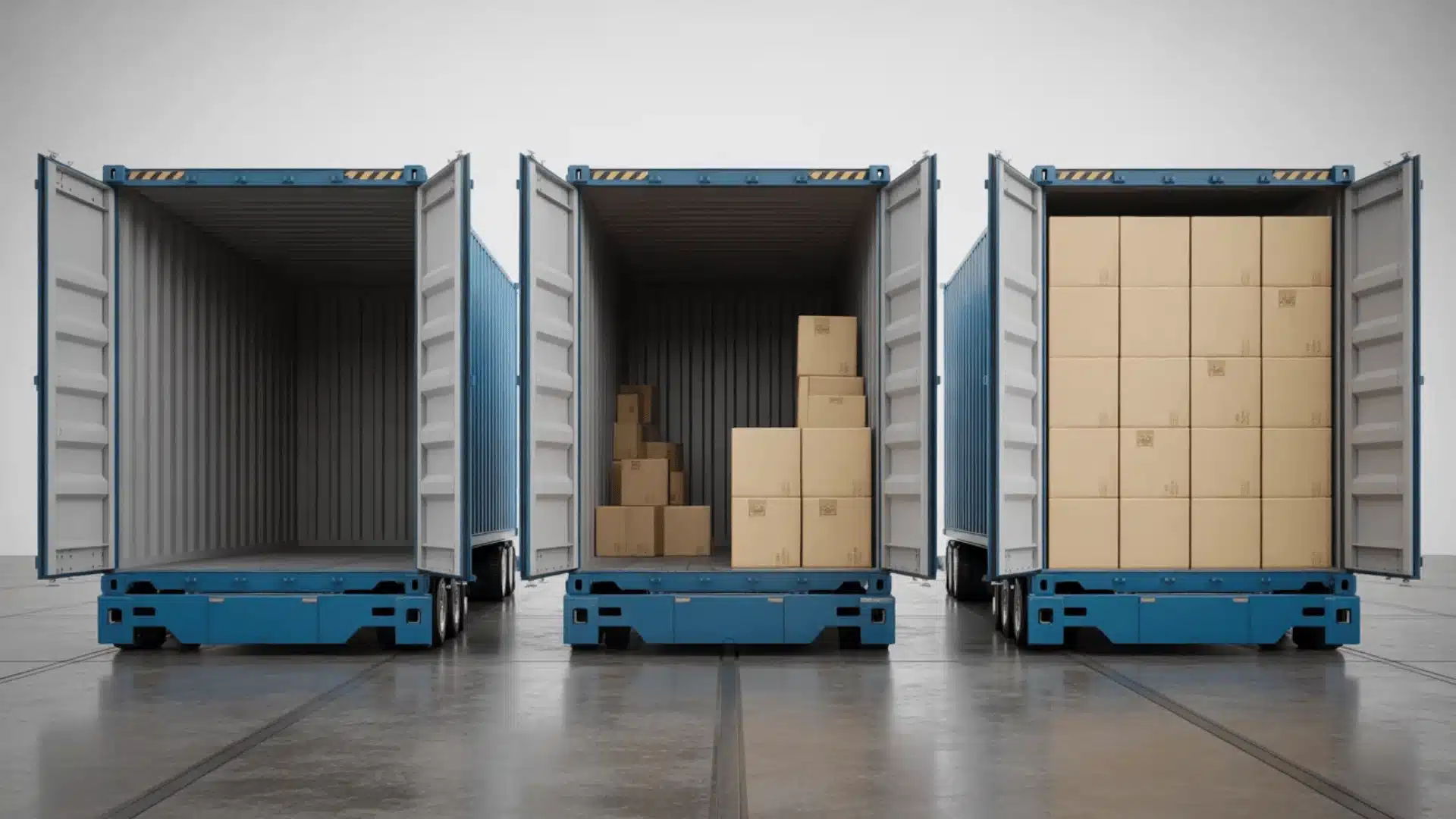
Understanding the difference between these three weight types helps avoid confusion and makes calculations easier.
| Weight Type | What It Means | What It Includes | Main Use | Risk If Wrong |
|---|---|---|---|---|
| Gross Weight | Total weight of everything combined | Container + contents | Safety limits and transport capacity | Legal penalties and safety risks if exceeded |
| Net Weight | Weight of actual goods only | Only the product or cargo | Pricing, selling, inventory tracking | Billing errors and incorrect quantity records |
| Tare Weight | Weight of empty container or vehicle | Only fixed structure, no load | Used as a baseline for calculation | Leads to wrong net weight if incorrect |
These three values work together as a system, and mixing them up can lead to inaccurate results, especially when tare weight is confused with net weight.
Real-World Examples of Tare Weight
Tare weight becomes easy to understand when you see how it works in real situations. Below are simple examples from daily use and industry.
Kitchen or Retail Scale Example
When you place an empty container on a scale and press the tare button, the display resets to zero. This removes the container’s weight from the measurement.
When you add ingredients, the scale shows only their weight. This helps measure exact quantities without including the container.
Shipping and Logistics Example
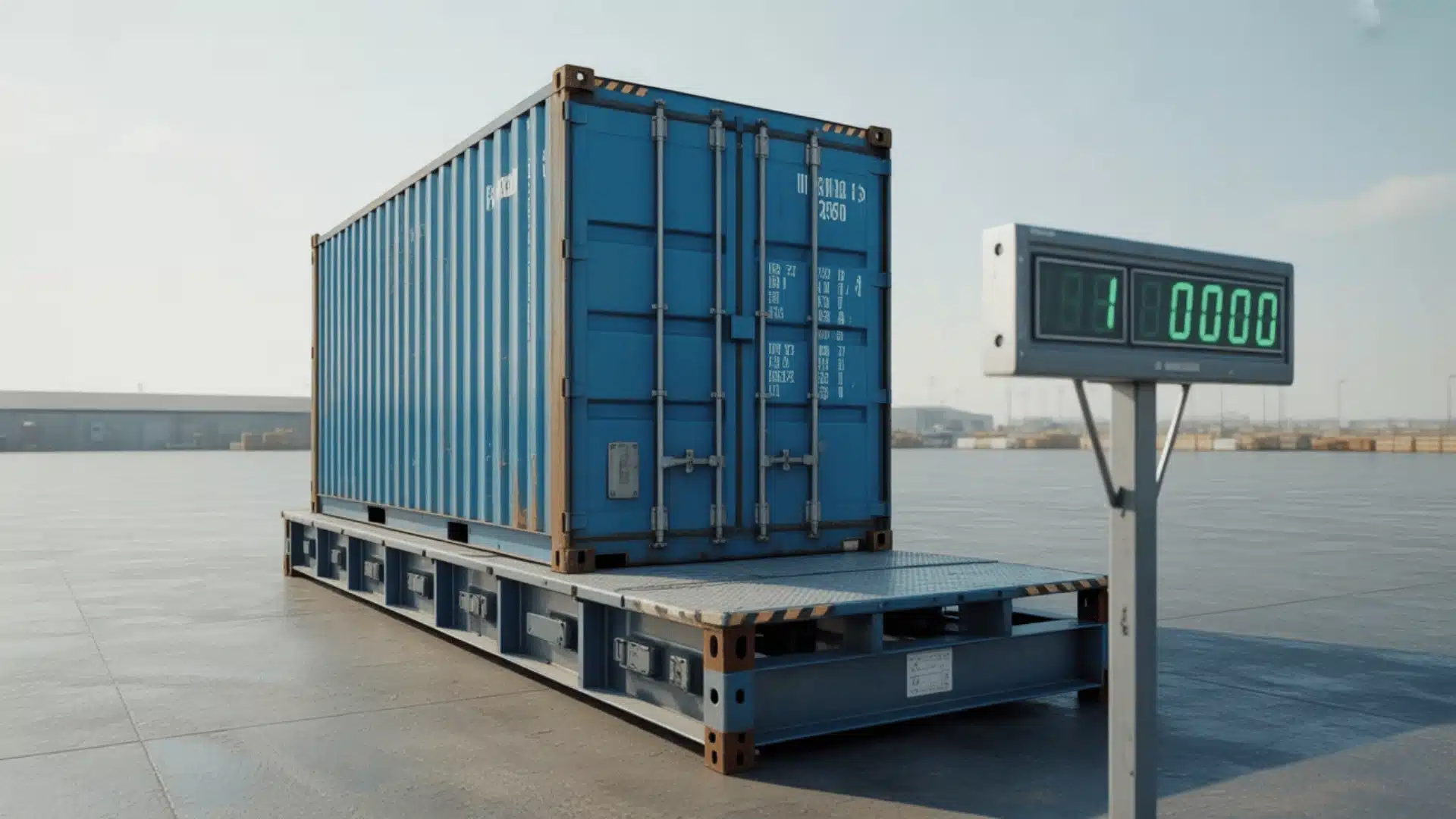
In shipping, the empty container weight is already recorded. This value is used as the starting point before loading.
After loading, the total weight is measured. The tare weight is subtracted to find the actual cargo weight used for pricing and records.
Vehicle Weighing Example
A truck is first weighed when empty to determine its tare weight. This sets a clear baseline.
After loading, the truck is weighed again. The difference between the two measurements gives the load weight. If the tare value is wrong, it can lead to overloading or fines.
These examples show how tare weight helps separate actual load from base weight, making measurements accurate and reliable.
Why Tare Weight Matters
Tare weight plays a direct role in making weight measurements accurate and usable in real situations.
- Prevents Overcounting: Removes the container’s weight so only the actual goods are measured
- Ensures Fair Pricing: Charges are based only on the real product weight, not extra packaging
- Supports Safety Limits: Helps avoid overloading by keeping total weight within safe limits
- Maintains Compliance: Accurate weight ensures legal limits are followed and avoids penalties
- Protects Accuracy: Incorrect tare leads to wrong net weight and unreliable calculations
- Reduces Financial Risk: Errors in tare can cause pricing mistakes and financial loss
Tare weight may seem small, but it directly affects cost, safety, and measurement accuracy in real use.
Common Misunderstandings About Tare Weight
Many people misunderstand tare weight because it seems simple at first, but these mistakes can cause real problems.
| Misunderstanding | Reality |
|---|---|
| Tare weight is always constant | It can change if fixed accessories or modifications are added |
| Tare includes removable items | It includes only fixed parts, not tools, cargo, or temporary items |
| Tare can be estimated | It must be measured or taken from official specifications |
| Small estimation errors don’t matter | Even small errors can lead to large calculation mistakes over time |
| Ignoring accessories is fine | Added fixtures increase tare weight and can lead to overload risks |
Understanding these points helps avoid errors and keeps weight calculations accurate and reliable.
Quick Summary of How Tare Weight Works
Tare weight is the weight of an empty container, vehicle, or packaging. It is used to separate the container’s weight from the actual contents.
The relationship follows a simple formula: the tare weight is subtracted from the gross weight to obtain the net weight. This ensures that only the actual load is measured.
Using the tare weight correctly helps maintain accurate measurement, fair pricing, and safety. It plays a key role in ensuring weight calculations remain reliable and error-free.
Conclusion
Tare weight plays a key role in ensuring accurate and reliable weight calculations. It helps separate what actually matters from what does not, ensuring correct results every time.
By understanding how tare, gross, and net weight work together, you can avoid common mistakes and make better decisions in real situations. This knowledge applies across everyday and industry use.
Now that you understand tare weight clearly, you can apply it with confidence. Use this concept to improve accuracy, avoid errors, and handle weight calculations the right way.
Frequently Asked Questions
What is the difference between tare, gross, and net weight?
Gross weight is the total weight, tare weight is the empty container, and net weight is the actual contents after subtracting tare from gross.
How do you calculate net weight using tare weight?
Net weight is calculated by subtracting tare weight from gross weight, which removes the container weight and gives the actual load.
Why is tare weight important in shipping?
Tare weight ensures accurate cargo measurement for pricing, documentation, and staying within legal weight limits during transport.
Where can I find the tare weight?
Tare weight is usually printed on containers, vehicle plates, product labels, or listed in manufacturer specifications.