A dishwasher makes daily kitchen work smoother and more efficient. When it runs properly, it saves time, reduces effort, and keeps utensils spotless. However, when something goes wrong, the situation can feel confusing if you do not know how the machine works.
Many homeowners rely on basic knowledge before seeking professional help, and that is where familiarity with key parts becomes valuable. Knowing the role of each part can make communication easier and decisions clearer, especially when exploring options similar to repair clinic dishwasher parts. This article will walk through the most important parts and explain how each one supports the appliance’s performance.
1. Water Inlet Valve
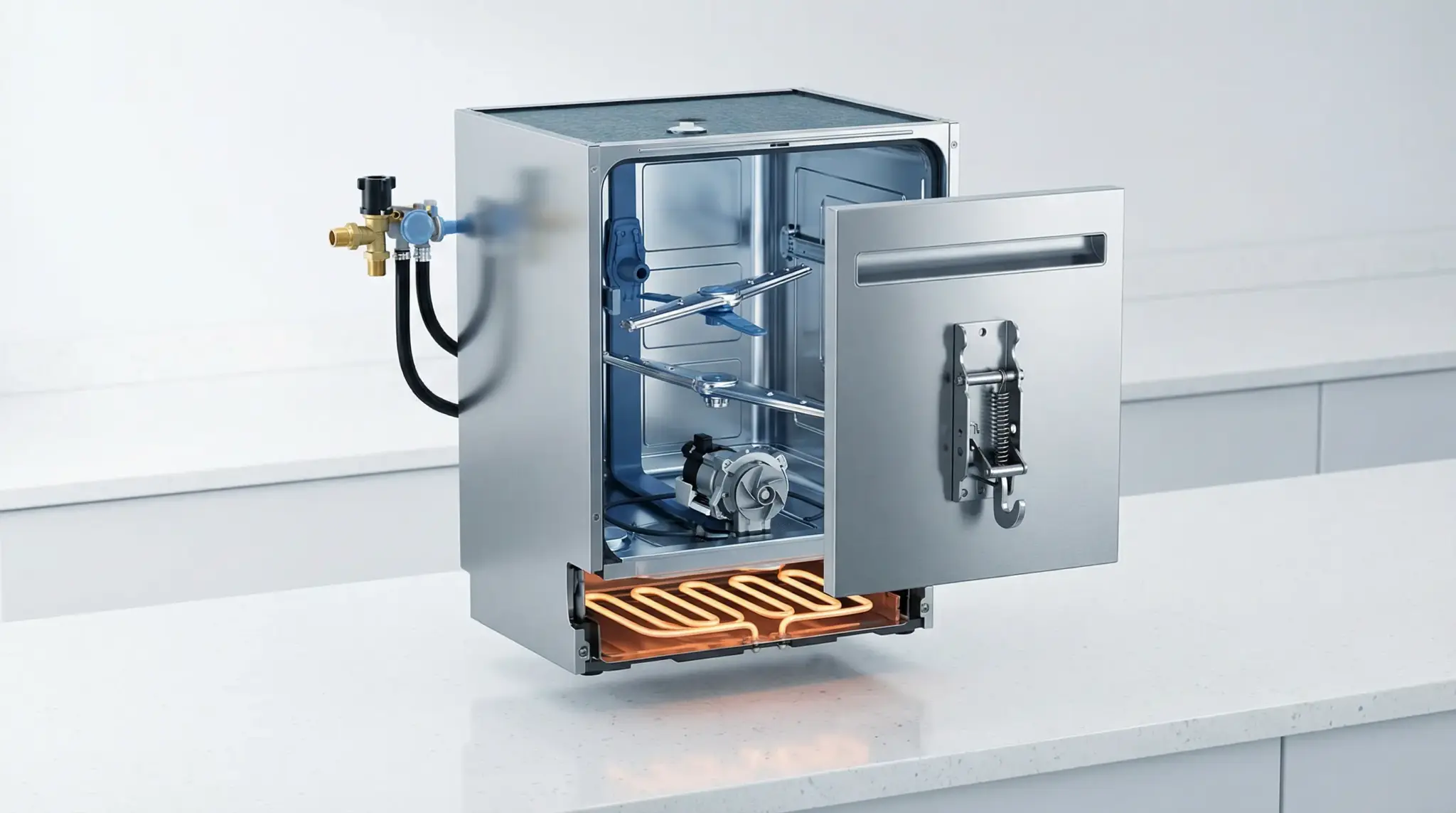
The water inlet valve controls the flow of water into the machine. It opens at the beginning of a cycle and allows the right amount of water to enter the tub. If this part does not function correctly, the appliance may not fill at all or may take too long to begin cleaning. A faulty valve can lead to poor washing results because the system depends on proper water levels. Professionals usually inspect this part first when the machine shows signs of underfilling or delayed operation.
2. Spray Arms
Spray arms distribute water across dishes with consistent pressure. These rotating parts push water through small holes, ensuring that every surface gets cleaned effectively. When they operate smoothly, they remove food residue and prevent buildup. If spray arms become clogged or damaged, the cleaning performance drops quickly. Blockages can reduce water pressure, while worn parts may stop rotating altogether. As a result, dishes may come out dirty even after a full cycle.
3. Circulation Pump
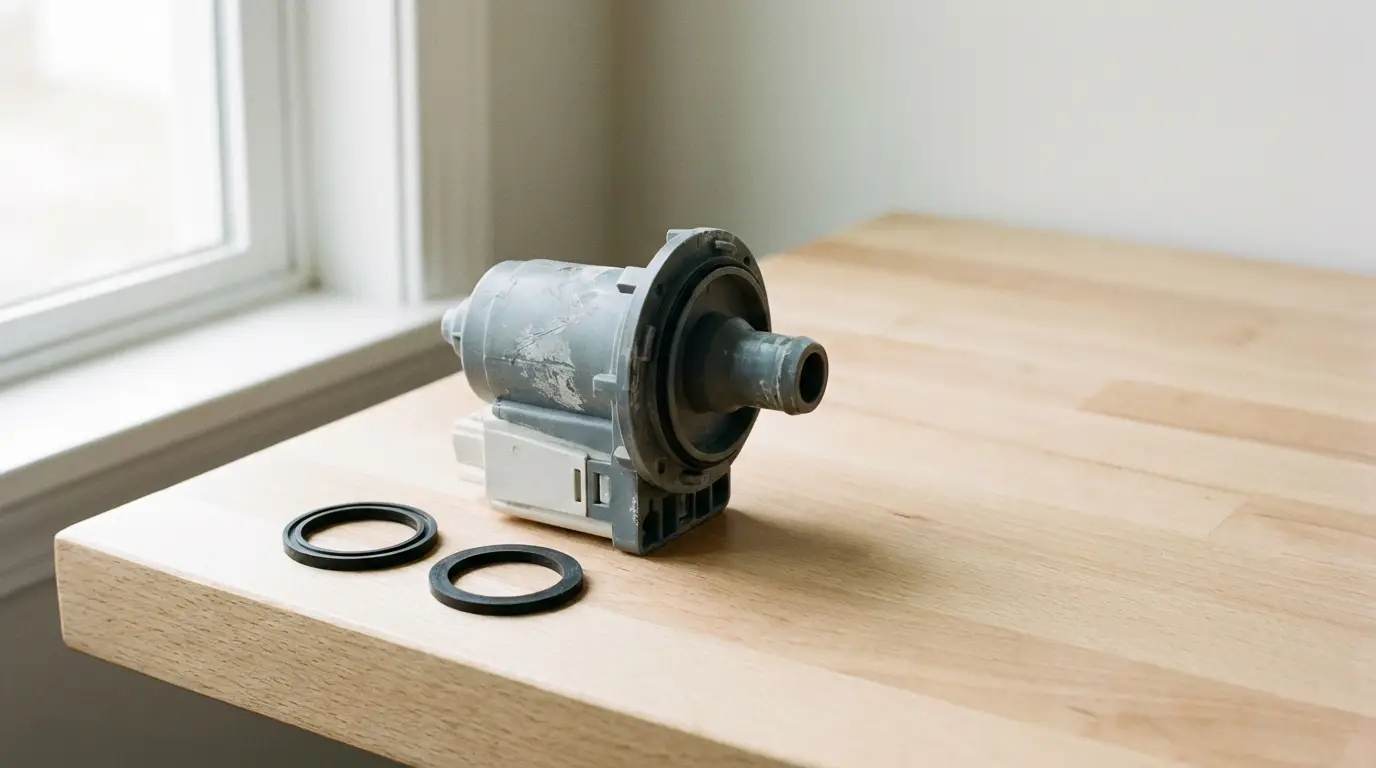
The circulation pump plays a central role in moving water through the system. It pulls water from the base and pushes it toward the spray arms with force. Without this component, the entire cleaning process would fail. This pump works continuously during the washing phase. When it weakens or stops working, the spray arms lose pressure, and cleaning efficiency drops. Experts often evaluate this part when the appliance makes unusual sounds or fails to clean evenly.
4. Heating Element
The heating element raises the water temperature to a level that helps break down grease and sanitize dishes. It also assists in the drying phase by warming the interior after washing ends.
A malfunctioning heating element can result in:
- Lukewarm water during the cycle.
- Poor cleaning results on greasy items.
- Extended drying times or damp dishes.
Because temperature affects both cleaning and drying, this component remains essential for overall performance.
5. Door Latch and Control Panel
The door latch ensures that the machine stays securely closed during operation. It prevents leaks and allows the system to run safely without interruption. If the latch fails, the appliance may not start or may stop mid-cycle.
The control panel, on the other hand, acts as the command center. It lets users select settings and manage cycles with ease. When it becomes unresponsive, it can create confusion and limit functionality. In such cases, getting reliable products like repair clinic dishwasher parts can help identify suitable replacements and restore proper control.
A dishwasher relies on several interconnected parts that work together to deliver clean and dry dishes. Each component plays a specific role, and even a small issue can affect the entire system. When homeowners understand these essential parts, they can better recognize problems and communicate clearly with service professionals. This awareness supports smarter decisions and helps maintain long-term performance.