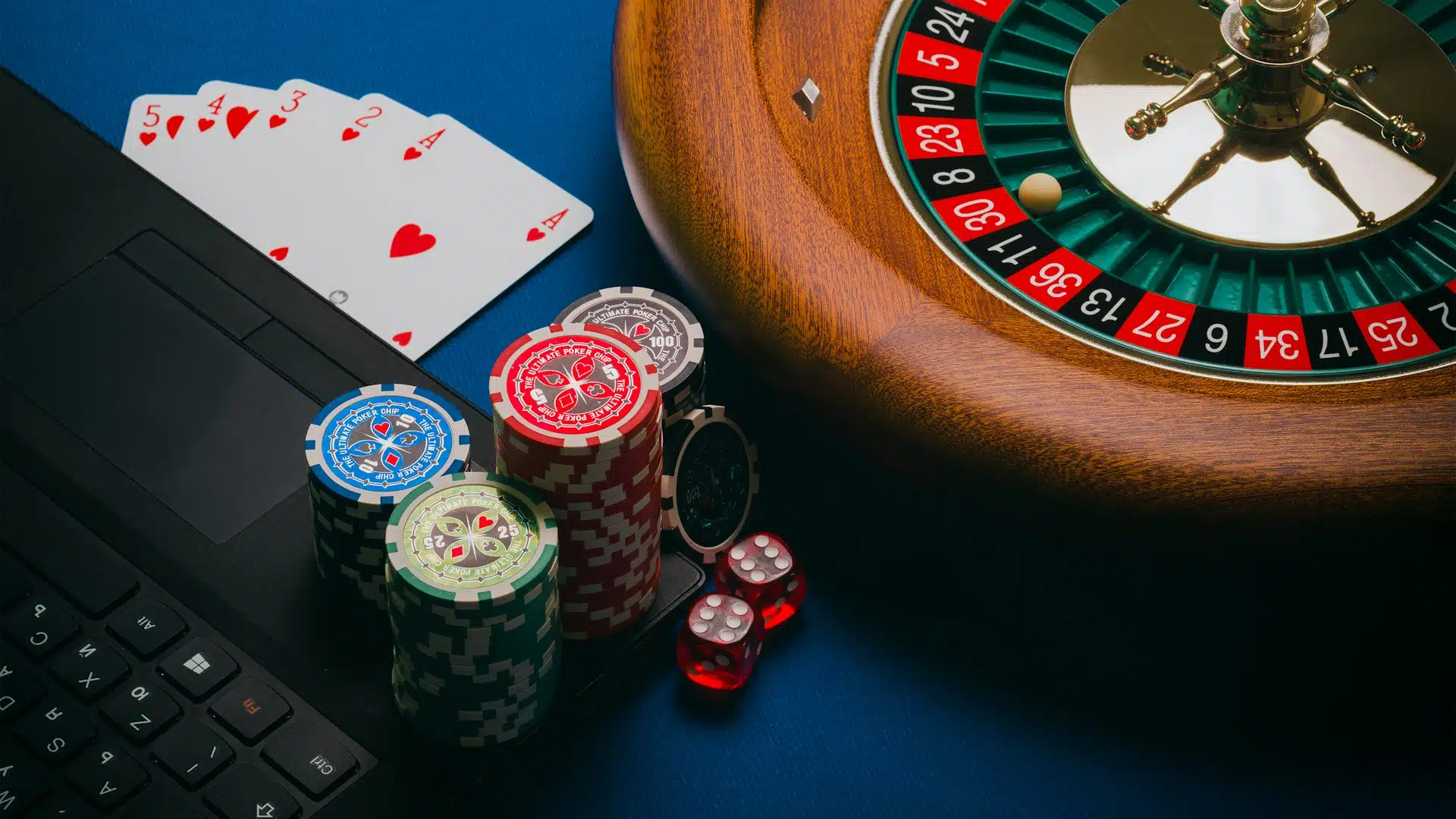
At its core, gambling is built on numbers. Odds decide the result. Probability shapes the long run. The casino usually has the edge, but gambling does not feel like math. It feels more like fun or escape.
Why Math Alone Would Feel Too Empty
Pure math is dry for most people. It is exact, but it is not very inviting. If gambling were shown only as percentages, expected returns, and loss rates, many players would feel the emotional air leave the room. The mystery would shrink. The drama would fade. The activity would become harder to romanticize.
That is why design steps in so strongly. It wraps the system in color, sound, symbol, and story. Instead of thinking about the system behind the game, the player thinks about winning treasure or reaching a bonus round. A loss does not feel like math. It just feels like another step in the game.
Storytelling Changes the Frame
Stories help people process uncertainty. A random event feels less harsh when it is placed inside a story. Fiction gives shape to what would otherwise feel empty. In gambling, that shape matters a lot.
A slot game with no theme is just spinning symbols. A slot game at casinochan.com with a jungle quest or a magical kingdom feels different. The player is not only watching numbers rise and fall. The player is following a little world with its own tone and promise.
Fantasy Softens Risk
Fantasy has a special effect on the mind. It creates distance from daily life. Bills, work stress, and practical concerns do not disappear, but they become quieter. In that state, risk can feel softer too. That is one reason fantasy is so common in gambling design. A bright, unreal setting makes the activity feel less tied to ordinary money and more tied to emotion and imagination.
A player is not simply betting five dollars. The player is opening a treasure cave, crossing a kingdom, or chasing a magical prize. The cost is real, but the feeling is transformed.
Theme Design Hides the Skeleton
Every game has a hidden structure. There is a formula under the surface. There are payout rules, random outcomes, and built-in limits. Theme design covers that skeleton with something more appealing. This does not mean the math disappears. It means the player pays less attention to it.
The eye goes to the artwork. The ear goes to the music. The mind focuses on the next reveal. Design does not remove the system. It distracts from its plainness. That is part of its power.
Bonus Rounds Feel Like Events
A bonus round is still part of the same mathematical system. But design makes it feel separate. The lights change. The sounds shift. New images appear. Suddenly, the player feels like something special has opened.
World-Building Creates Escape
World-building is not only for novels and films. Gambling uses it too. A slot game with a full theme creates a tiny universe. When that world is strong, the player stops seeing the setting as a simple business environment. It starts to feel like a place apart. That feeling of escape can reduce critical distance. The more immersive the setting becomes, the less people think about the cold structure beneath it.
Casino Interiors Tell Stories Too
It is not only the machines that use fiction. Casinos themselves often rely on theme design. Some lean into luxury, with gold tones, velvet textures, and grand shapes. Others use fantasy, history, or travel ideas to create a larger atmosphere. The building starts acting like a story before the game even begins. This affects behavior in quiet ways. A dramatic room makes people feel they are inside an event. A dreamlike room makes time feel softer. In each case, the hard math becomes less visible.
The Power of Mood Over Logic
People often think they make choices through reason first. In reality, mood plays a huge role. Gambling design understands this very well. A strong mood can make people stay longer, play more casually, and question less. Fiction and fantasy help create that mood. Music builds tension or wonder. Visual style shapes expectations.
A theme gives the player a simple emotional script. This all matters because mood can overpower logic in the short term. A person may know the odds are fixed, yet still feel pulled forward by the atmosphere.