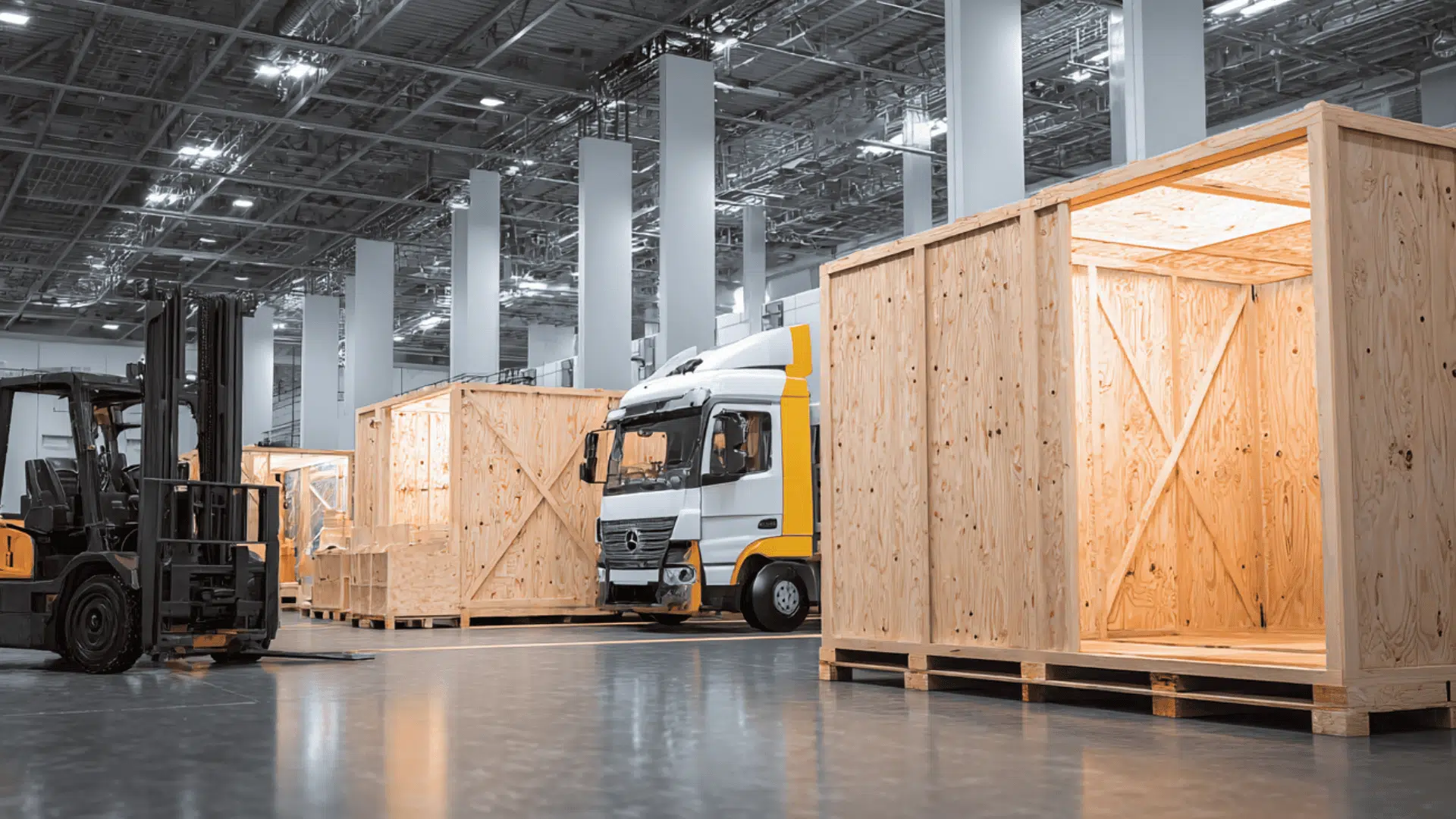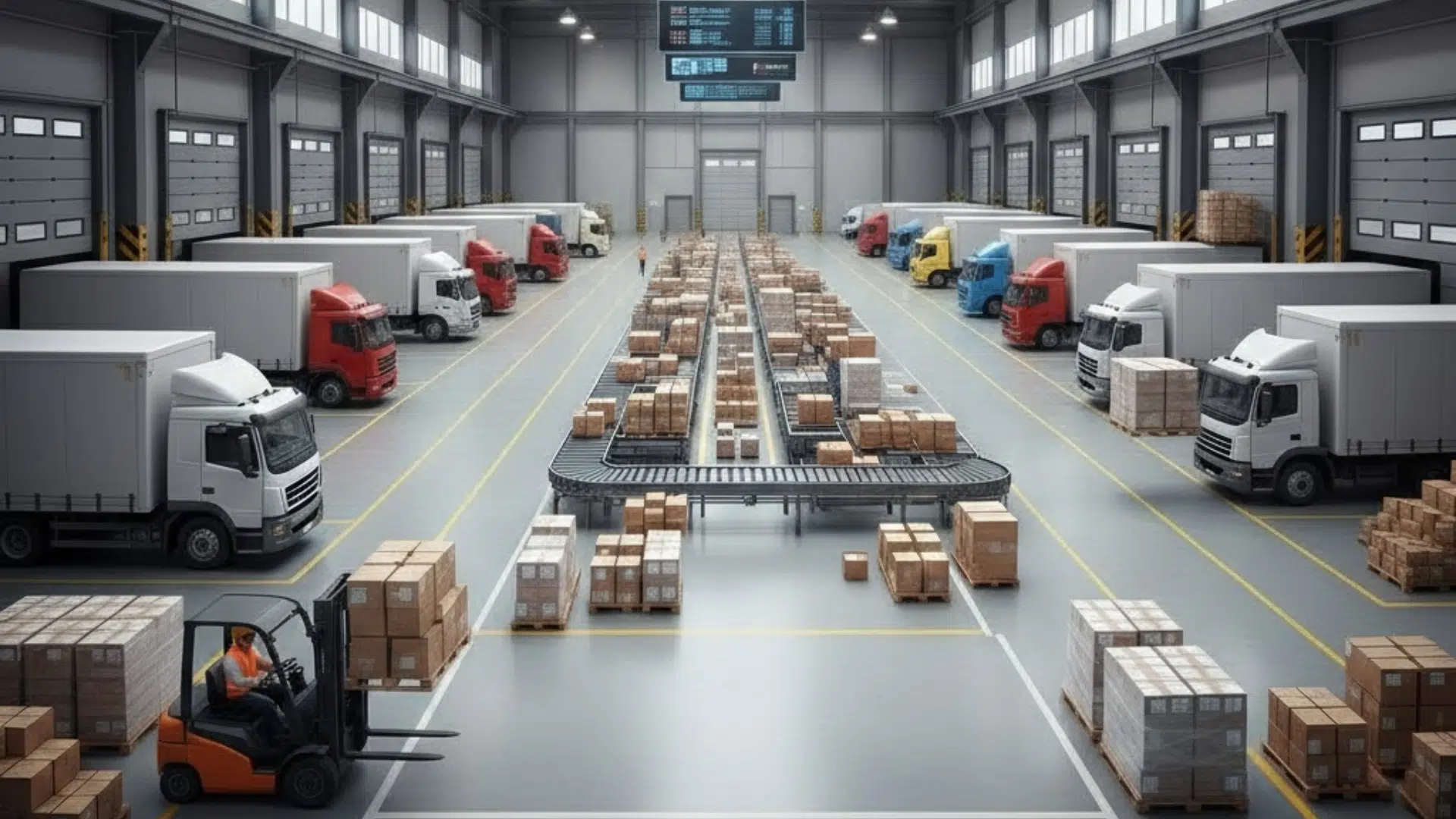
A cross-docking warehouse is all about speed. Many retailers, manufacturers, and e-commerce brands use cross-docking to keep their supply chain running smoothly
If done right, it can reduce unnecessary handling and lower the risk of damage.
In this guide, you’ll learn what a cross-docking warehouse is, how it works, the different types, and when it makes sense for your business.
What is a Cross-Docking Warehouse?
A cross-docking warehouse is a facility where products move quickly from incoming trucks to outgoing trucks with little or no storage time.
Instead of sitting on shelves, goods are sorted, grouped, and shipped out fast. The goal is to keep freight moving and reduce storage costs.
It works best when shipments are planned, and demand is steady.
Cross Docking vs. Traditional Warehousing
| Feature | Cross-Docking | Traditional Warehousing |
|---|---|---|
| Storage Time | Very short or none | Days, weeks, or months |
| Main Purpose | Move goods quickly | Store inventory |
| Handling | Minimal touches | Multiple handling steps |
| Speed | Fast turnaround | Slower due to storage |
| Best For | High-demand, fast-moving goods | Slow-moving or mixed inventory |
| Costs | Lower storage costs | Higher storage expenses |
Choosing the right option depends on your product flow and business needs.
How Cross-Docking Works in a Warehouse
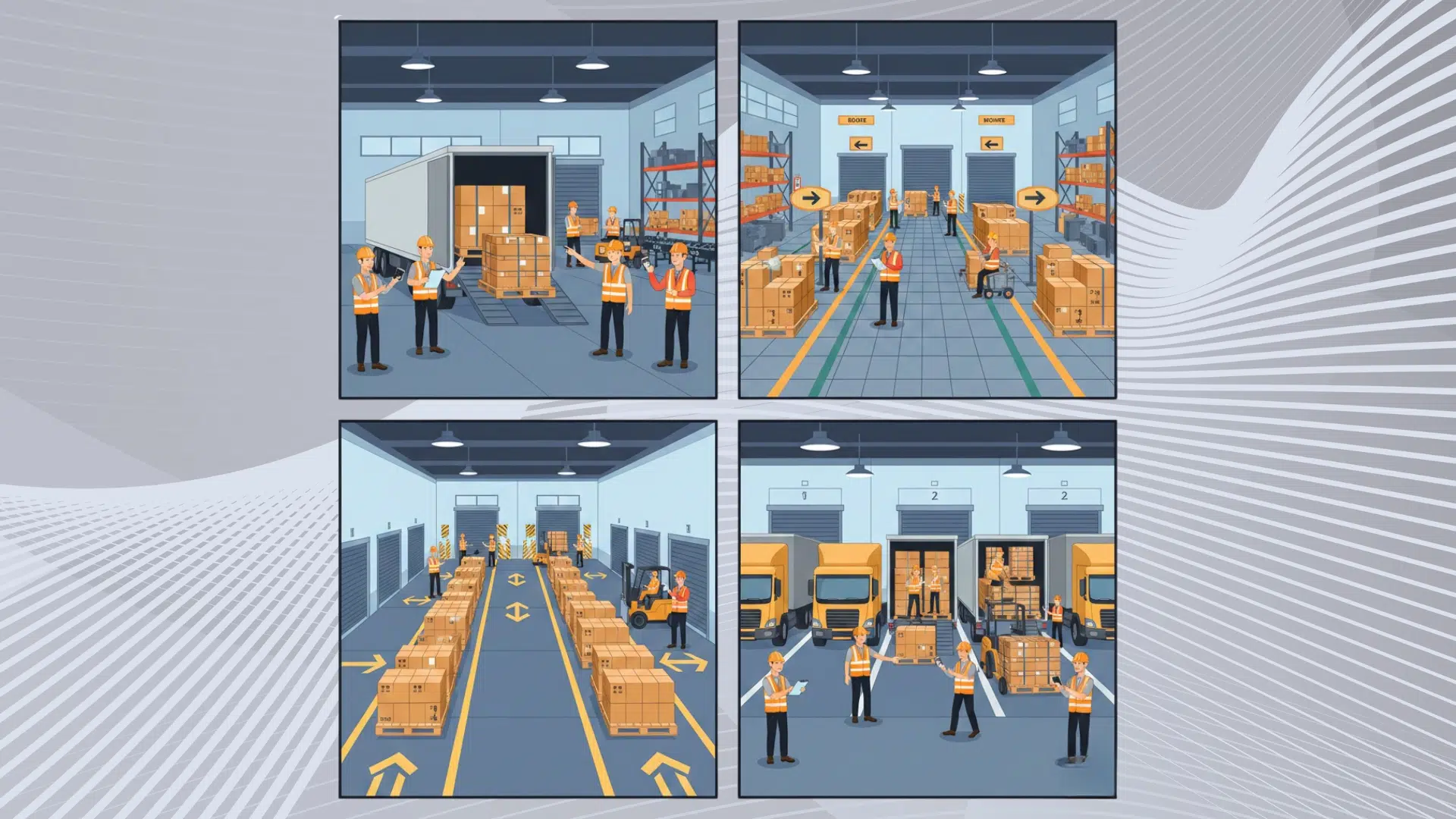
Cross-docking is all about keeping freight moving. Instead of storing products, the focus is on quick sorting and fast outbound shipping.
1. Inbound Receiving and Unloading
The process starts when trucks arrive at the warehouse with incoming shipments. Workers unload the goods and check them against shipping documents.
In many cases, products are already labeled and sorted before arrival, which saves time. The goal is to move items quickly from the receiving dock to the next step without placing them into long-term storage.
Speed and accuracy are very important at this stage.
2. Sorting and Consolidation
After unloading, products are sorted based on their final destination. Items going to the same store, customer, or region are grouped together. This may include breaking down pallets or combining smaller shipments into one larger load.
Workers scan barcodes to make sure each item is tracked correctly. Clear organization at this step helps avoid shipping errors and delays later on.
3. Short-Term Staging
Once sorted, goods are placed in a staging area near the outbound dock. They stay there only for a short time, sometimes just a few hours. This area is used to organize shipments in the right loading order.
The goal is not to store products but to prepare them for fast loading. Good scheduling helps make sure outbound trucks are ready when shipments are staged.
4. Outbound Loading and Shipping
Finally, products are loaded onto outbound trucks based on delivery routes and schedules. Workers double-check shipments to ensure everything is correct before departure.
Because items have not been sitting in storage, handling is limited, and movement is fast. Trucks leave the facility quickly, helping businesses meet tight delivery timelines
This smooth flow from inbound to outbound is what makes cross-docking efficient.
Why Businesses Use Cross-Dock Warehouses
Businesses choose cross-dock warehouses when they need better control and smoother freight movement. It helps them stay flexible in fast-moving markets without building large storage networks.
- Better cash flow: Products move out faster, which means businesses get paid sooner. Money is not tied up in large amounts of stored inventory.
- Lower labor strain: Since goods are not picked from shelves later, there is less long-term warehouse labor involved. Teams focus on fast sorting instead of ongoing storage tasks.
- Improved shipment coordination: Cross-docking allows companies to match inbound deliveries with outbound schedules more efficiently. This improves route planning and truck usage.
- Stronger supply chain visibility: Many cross-dock operations rely on scanning and tracking systems. This gives businesses clearer insight into where products are at each stage.
- Scalability during peak seasons: During busy periods, cross-docking can handle high freight flow without needing extra storage space. It supports growth without expanding warehouse size.
For companies that value speed and coordination, cross-docking can be a smart operational choice.
Types of Cross-Docking Warehouses
Not all cross-docking warehouses work the same way. The type used depends on how shipments are planned and distributed.
| Type | How It Works | Best For |
|---|---|---|
| Pre-Distribution Cross-Docking | Products are assigned to a final destination before arriving at the facility. | Businesses with fixed store routes or planned shipments |
| Post-Distribution Cross-Docking | Products are sorted and assigned after arrival based on current orders. | Companies that need flexibility based on demand |
| Retail Cross-Docking | Goods move from suppliers directly to stores with minimal handling. | Retail chains and supermarkets |
| Manufacturing Cross-Docking | Parts arrive and move quickly to production lines. | Manufacturers with steady production schedules |
| Consolidation Cross-Docking | Smaller shipments are combined into one outbound load. | Distributors shipping to multiple locations |
Understanding the different types helps businesses choose the right setup for their supply chain needs.
When to Use Cross-Docking Services
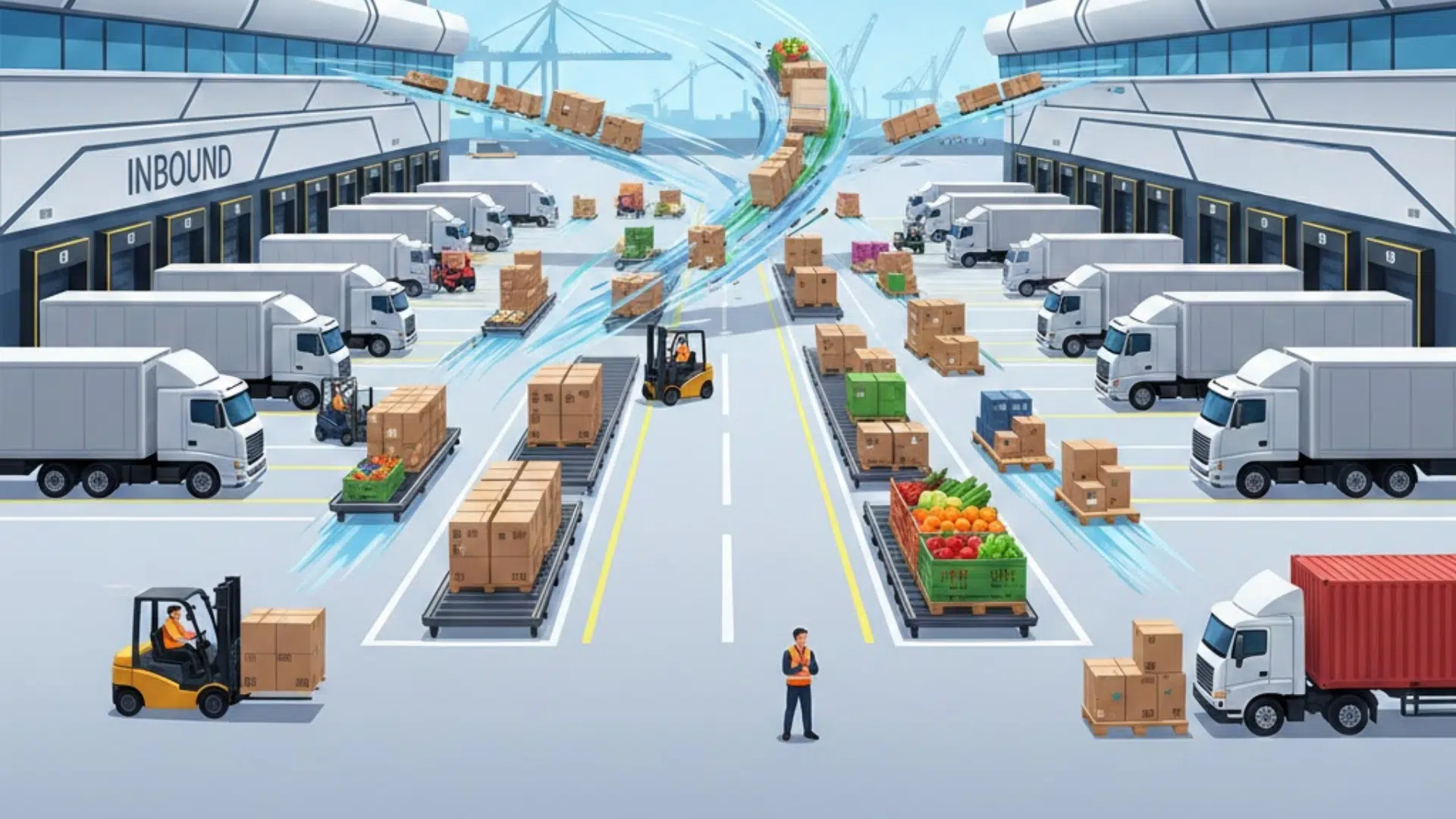
Cross-docking is not the right fit for every business. It works best when speed and steady product flow matter most.
- High-volume shipments: If you move large amounts of product every week, cross-docking helps keep freight flowing without crowding storage space.
- Predictable demand: When sales are steady and easy to forecast, shipments can be planned ahead and moved quickly through the dock.
- Time-sensitive products: Perishable goods, seasonal items, or fast-selling products benefit from shorter handling time.
- Direct-to-store distribution: Retailers that ship directly to stores can use cross-docking to sort goods by location and send them out the same day.
- Import or port freight transfers: Businesses moving container freight often use cross-docking for quick transfer to domestic trucks.
If your supply chain depends on speed and planning, cross-docking may be a strong option.
Cross-Docking Services and 3PL Providers
Many businesses partner with third-party logistics (3PL) providers for cross-docking services. These companies manage the dock operations, labor, scheduling, and freight handling.
A good provider offers real-time shipment tracking, clear dock appointment systems, and fast turnaround times.
They may also provide transloading, palletizing, labeling, and short-term staging. Location matters too – facilities near ports, rail hubs, or major highways improve efficiency.
Before signing, ask about average dwell time, damage rates, and pricing structure. A reliable 3PL should offer clear reporting and strong communication so your freight keeps moving without delays.
Challenges of Cross-Docking Operations
Cross-docking offers speed, but it also requires strong coordination. Without proper planning, small issues can quickly cause delays.
- Tight timing requirements: Inbound and outbound trucks must arrive on schedule. If one shipment is late, it can delay the entire outbound load and affect delivery timelines.
- High coordination between partners: Suppliers, carriers, and warehouse teams must stay aligned. Poor communication can lead to confusion, missed appointments, or wrong shipments.
- Limited room for error: Because products are not stored long-term, mistakes must be caught quickly. Mis-sorts or labeling errors can disrupt the flow.
- Space management pressure: Dock space and staging areas must be organized carefully. Too many arrivals at once can create congestion.
- Dependence on technology: Tracking systems and scanning tools must work smoothly. System issues can slow operations and reduce visibility.
When managed well, these challenges can be controlled, but cross-docking requires discipline and strong operational systems.
Conclusion
A cross-docking warehouse can be a smart way to keep your supply chain moving fast and efficiently.
Instead of storing products for long periods, you focus on quick transfers and better coordination. This can help lower costs, improve shipment timing, and support steady growth.
Still, success depends on good planning, strong communication, and the right partners. Not every business needs cross-docking, but for high-volume and time-sensitive freight, it can make a big difference.
If speed and flow matter most, consider reaching out to a trusted cross-docking provider to check out your options.