The year 2026 sees the grocery shopping habits of UK consumers undergoing significant transformation. With the convenience of digital platforms and the ever-evolving landscape of retail, shoppers are adapting in interesting ways. One prominent trend includes their growing dependence on platforms that provide the latest Morrisons deals and weekly supermarket offers.
The Rise of Digital Grocery Shopping
Digital grocery shopping in the UK isn’t a “nice extra” in 2026—it’s the default for a lot of households. People still pop into stores, but the planning, the price-checking, and often the actual buying starts on a screen.
Why It’s Become the Default
The main reason is simple: it strips away friction. Shoppers can:
- Build a basket in short bursts (commute, lunch break, sofa time)
- Reorder staples in seconds
- Choose delivery or click-and-collect to avoid the “busy supermarket at 6pm” rush
Even for shoppers who still prefer choosing fresh items in person, digital tools do much of the heavy lifting:
- Sorting the list
- Flagging substitutions
- Helping keep spend under control
Convenience Is Only Half the Story
The other half is control. Online baskets make money feel more visible and manageable:
- Totals update as you add items
- Swaps are quick and low-effort
- Comparing pack sizes and own-brand equivalents is easier (no aisle maths required)
That’s why deal-tracking has become baked into routines. UK shoppers increasingly:
- Check weekly offers before deciding where to shop
- Build their list around what’s genuinely good value right now
Mobile Apps Turn Shopping Into “Little and Often”
Mobile grocery apps push this further by making shopping something you do in small moments throughout the week. Apps help shoppers:
- Check discounts and weekly promotions
- Compare prices across supermarkets
- Scan and apply loyalty pricing
- Save favourites so repeat shops take just a few taps
In effect, the phone becomes a shopping assistant—one that:
- Reminds you what you usually buy
- Nudges you when staples are on offer
- Makes it easy to purchase on the go
By 2026, the fastest grocery decision often isn’t made in-store—it’s made on a mobile screen, usually before you’ve even left the house.
Growing Consumer Awareness
In 2026, UK grocery shoppers aren’t just buying food—they’re buying into values. The trolley still gets filled with the basics, but there’s more scrutiny along the way.
Shoppers are increasingly asking:
- Where does it come from?
- What is it made of?
- Does the brand’s story actually hold up?
Sustainability and Ethical Choices
“Sustainable” used to be a nice-to-have. Now it’s a filter people actively apply—especially when:
- the price gap has narrowed, or
- a deal makes the “better” option feel like the obvious one.
What shoppers are watching for
Packaging choices
- Less plastic
- More recyclable materials
- Refills where available
Supply chain signals
- Responsibly sourced fish
- Deforestation-free claims
- Higher-welfare meat and eggs
Waste reduction
- Buying “wonky” veg
- Choosing frozen to reduce spoilage
- Planning meals with fewer throwaways
Less niche, more everyday
What’s shifted is that these choices are no longer niche—they’re showing up in routine decisions, such as:
- Switching to store-brand eco ranges
- Accepting a slightly smaller selection if it feels cleaner and more transparent
- Avoiding brands that keep getting called out
Informed Purchasing
Shoppers are also doing more homework—quickly, casually, but consistently.
Common “checks” before buying
- Online reviews (taste, quality, value for money)
- Ingredients and allergens (even for familiar products, since recipes change)
- Retailer comparisons—not just price, but:
- pack size
- nutrition
- “hidden” costs like shrinkflation
The bigger shift: confidence
The big change here is confidence. Consumers are less likely to default to habit and more likely to verify.
For a new cereal, a “healthy” snack, or a plant-based substitute, people will:
- scan,
- search, and
- decide fast.
It’s not obsessive; it’s just normal now.
Adaptation to Economic Factors
UK shoppers in 2026 aren’t just “watching prices” in a vague way. They’re shopping like the numbers matter—because they do. With household budgets stretched, people are treating the weekly shop less like a routine and more like a small strategy game: minimise waste, avoid impulse buys, and squeeze value out of every trolley.
Budget-Conscious Purchases
The big shift is that deal-hunting has gone mainstream. Not in an extreme couponing way—more like a default mindset. Shoppers are:
- Planning around promotions, not just picking a store and hoping for the best. Weekly offers help decide what the main meals are, which snacks make the cut, and what gets swapped for a cheaper alternative.
- Comparing prices faster thanks to mobile apps and supermarket sites. Even in-store, people check their phones before committing to branded items.
- Trading down selectively: own-brand staples where it doesn’t matter much (pasta, tins, cleaning products), but spending on a few “non-negotiables” (better coffee, specific baby products, dietary needs).
- Being stricter about waste, because wasted food is basically wasted money. That means more freezer-friendly choices, more “use what you’ve got” meals, and fewer speculative purchases.
The result is a more intentional basket. Less random, more rational.
Buying in Bulk
Bulk buying is back, but with a 2026 twist: it’s less about stocking up for the apocalypse and more about smoothing out costs over the month.
Shoppers are:
- Buying bigger packs of staples when the per-unit price makes sense—rice, cereal, laundry detergent, toilet roll, pet food.
- Batch cooking to make bulk purchases pay off. If you buy more mince or chicken, you’re more likely to cook two or three meals at once and freeze portions.
- Using storage smarter: freezer space becomes valuable real estate, and cupboard-friendly items win because they don’t risk going off.
- Avoiding “fake savings”: people are getting better at spotting when bulk only looks cheap. If half of it gets wasted, it’s not a deal.
Overall, economic pressure is making grocery shopping more deliberate. People still want good food—they’re just getting sharper about how they buy it, when they buy it, and what they’re willing to pay.
The Role of Technology
Tech has stopped being a “nice extra” in grocery shopping. In 2026, it’s the quiet engine behind how lots of UK shoppers plan, buy, and save—whether they notice it or not.
Personalized Shopping Experiences
Personalisation used to mean “Here’s a random 10% off coupon.” Now it’s more surgical. Retailers and deal platforms use a mix of loyalty data, past baskets, location, and timing to predict what you’re likely to need next week—and what will actually tempt you today.
That shows up in a few practical ways:
- Smarter offers: Discounts land on the items you genuinely buy (or are close substitutes), not just whatever the supermarket wants to shift.
- Predictive reminders: Apps nudge you when repeat purchases are due—coffee, nappies, cat food—before you run out.
- Fewer wasted clicks: Search results and “recommended” carousels are increasingly shaped by your habits: dietary preferences, favourite brands, even price sensitivity.
The upside is speed and savings. The trade-off is obvious: the more convenient it gets, the more your shopping behaviour is being modelled and monetised. Shoppers aren’t unaware—many are simply deciding the value exchange is worth it.
Virtual Assistants and Smart Devices
Voice and smart-home tech is creeping into the supermarket routine because it removes friction. People don’t sit down to “do the shop” as often; they build it in fragments.
Common patterns in 2026:
- Voice-added shopping lists: “Add pasta,” “add blueberries,” “remind me to get toothpaste.” It’s fast, and it works mid-cooking.
- Connected ecosystems: Lists sync across phones, smart speakers, watches, and the supermarket app, so whoever’s closest to the shop can grab the items.
- Low-effort reordering: For staples, some shoppers lean on one-tap rebuys and subscriptions—especially for bulky household stuff.
It’s not futuristic. It’s mundane, which is why it sticks. When the tech fades into the background, grocery shopping stops being a single chore and becomes a running system: add, compare, grab deals, reorder, done.
Health and Wellness Trends
Health isn’t a “new” grocery trend in the UK, but in 2026 it’s become a default filter people run every shop through. Not everyone’s going full-on wellness mode, but most shoppers are making small swaps that add up: fewer ultra-processed bits, more “real food,” and a bigger focus on how stuff makes them feel day to day.
Tom Church, Co-Founder of LatestDeals.co.uk (a discount code platform), put it like this: “People don’t stop wanting healthier options when budgets tighten — they just get smarter about how they buy. Shoppers will trade up on the everyday essentials that matter to them, then use discounts to keep the overall basket affordable.”
Organic and Healthier Options
There’s been a clear drift toward healthier staples—especially in categories where the upgrade feels easy and worth it. Think:
- More organic basics: eggs, milk, yoghurt, oats, baby food, and certain fruit/veg. People aren’t necessarily buying an all-organic basket; they’re picking a few “high rotation” items and sticking with them.
- Higher-protein, lower-sugar choices: protein yoghurts, higher-protein bread wraps, reduced-sugar cereals, and snacks that try to do more than just be tasty.
- Better-for-you swaps, not total overhauls: air-fryer friendly leaner cuts, lighter ready meals, lower-alcohol beers, smaller portion treats. It’s “healthier-ish,” not saintly.
A big driver is value. Shoppers are more willing to pay extra for something that feels like it genuinely improves wellbeing (sleep, energy, weight management, gut health), but they’ll still hunt for deals and rotate brands when prices spike.
Product Transparency
If 2020s health shopping was about buzzwords, 2026 is more about receipts—proof on the label. UK shoppers are increasingly picky about what “healthy” actually means, and they’re expecting brands and supermarkets to be plain about it.
What they’re looking for:
- Cleaner ingredient lists: fewer additives, clearer names, less “mystery chemistry.” If it reads like a lab experiment, it goes back on the shelf.
- Straightforward nutrition info: sugar and salt are still the headline numbers, but fibre, protein, and calories-per-serving get more attention now—especially for snacks and “healthy” convenience foods.
- Front-of-pack clarity that matches reality: shoppers are quicker to call out “high protein” products that are also packed with sugar, or “low fat” items that are basically dessert.
And because people cross-check everything, trust is fragile. A vague claim or tricky portion sizing can lose a customer fast—especially when a quick scan of reviews or a comparison across similar products makes the alternatives obvious.
Shifts in Retail Landscapes
UK grocery shopping in 2026 isn’t just changing on a screen. It’s changing on the street.
Local and Artisan Products
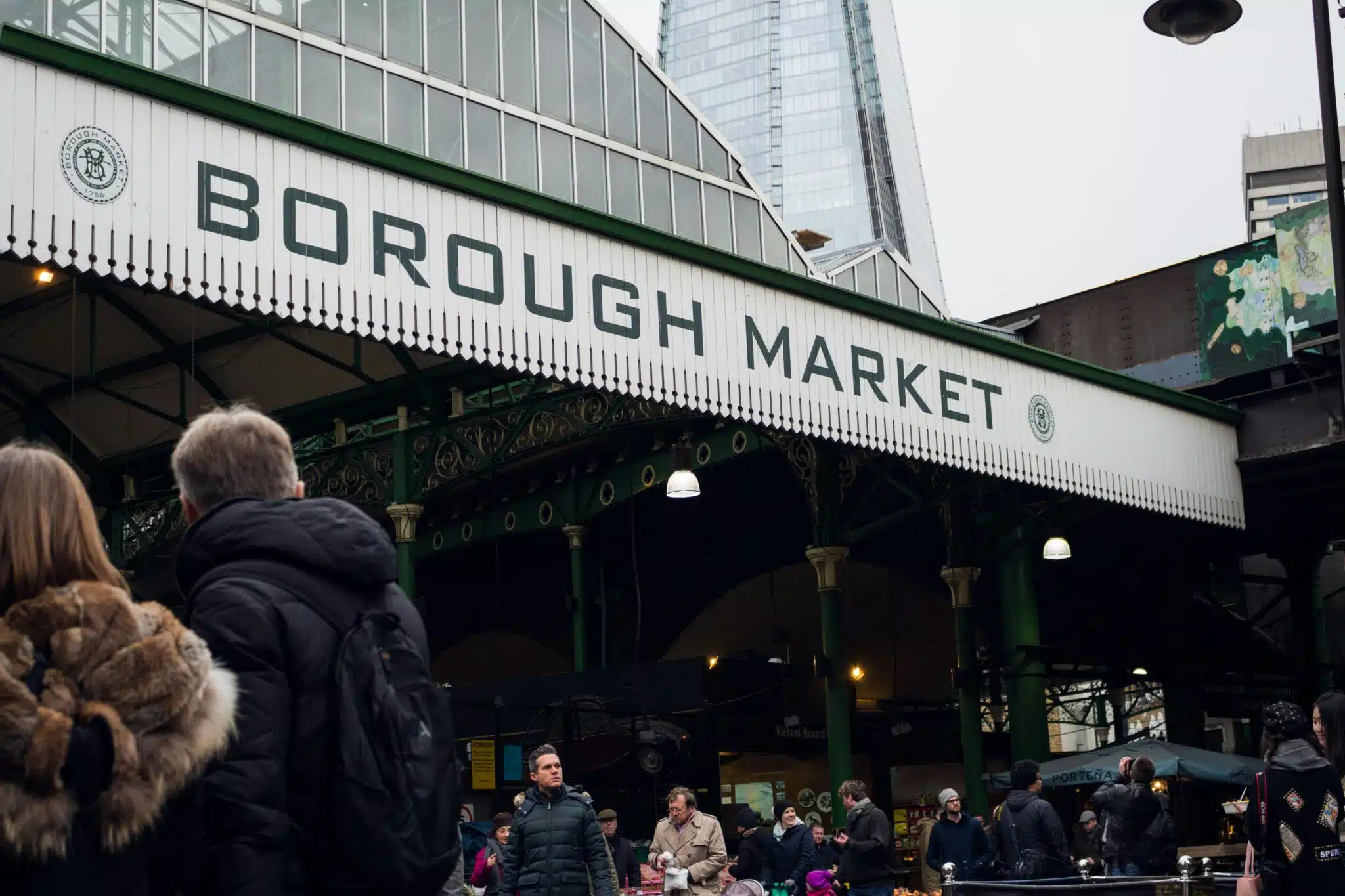
There’s a noticeable drift back toward “buying from someone” rather than “buying from a system.” Local bakeries with proper sourdough queues. Farm shops doing weekly veg boxes. Small-batch sauces, local honey, independents stocking niche dietary stuff the big chains either ignore or rotate out every six months.
A few reasons this is landing now:
- Trust and transparency: Shoppers are tired of vague supply chains. Local producers feel easier to understand—where it came from, how it was made, who to blame if it’s rubbish.
- Quality as a treat: With budgets tight, people aren’t necessarily buying more—they’re upgrading one or two items. Cheaper staples from the supermarket, but eggs from the market. Basic pasta, but a nicer cheese.
- Identity shopping: “I get my coffee from that place” has become part of how people signal taste, ethics, even community. It’s low-stakes lifestyle branding, but it’s real.
Big supermarkets have noticed, obviously. More “local sourcing” signage, more in-store bakery theatre, more limited-run regional lines. But plenty of shoppers can tell the difference between genuinely local and “local-themed.”
Convenience Stores vs. Mega Retailers
The old rhythm—one giant weekly shop in a mega store—keeps losing to smaller, faster trips. Not because people suddenly hate supermarkets, but because life is more chopped up: hybrid work, last-minute plans, smaller households, less tolerance for wasting food.
So shoppers are doing:
- More top-up shops: Grab a few things for tonight, repeat all week.
- Smaller baskets, higher frequency: Less trolley-stuffing, more quick decisions.
- Proximity-first choices: If the local shop is five minutes away and the hypermarket is a 30-minute mission, convenience wins—especially for households without a car.
Convenience stores have also levelled up. Better meal deals, more fresh options, stronger own-brand ranges, parcel lockers, even mini “world foods” sections tailored to the postcode. They’re not just emergency milk shops anymore—they’re the default.
Mega retailers still dominate for big-value categories (bulk, household, family shops), but they’re adapting by shrinking formats, pushing click-and-collect, and leaning harder into promotions to keep those larger trips worthwhile. The result is a split behaviour: big shop when it matters, local shop when it’s Tuesday.
Summary
UK grocery shopping in 2026 is essentially a mash-up of speed, screens, and sharper decision-making.
Digital-first is now the default
Digital is no longer “a nice option”—it’s the main channel. More shoppers are:
- Building baskets on mobile
- Checking prices mid-commute
- Using platforms that surface weekly promotions and discounts (like the latest Morrisons deals and supermarket offers) to keep spending predictable
This ties directly to the wider economic mood: people are budgeting harder, buying smarter, and bulk-buying only when it genuinely works out cheaper.
Smarter, more informed choices
Awareness has levelled up. Shoppers are more likely to:
- Question where food comes from
- Seek ethical and sustainable options
- Read reviews and compare products before committing
Health expectations are rising
Health isn’t a side quest either. Demand continues to grow for:
- Organic options
- “Better-for-you” alternatives
- Clearer labels and more transparency from supermarkets
Tech is making shopping “low effort, high control”
A new tech layer is nudging the whole process toward convenience without losing control, including:
- Personalised recommendations
- Smarter supermarket apps
- Voice assistants that reduce friction during planning and shopping
Where people shop is shifting, too
Shopping habits are changing in location as well as method:
- More local choices
- More convenience-led trips
- More willingness to swap mega stores for quicker visits and artisan finds
Net result: optimisation over routine
The modern UK grocery shop is less about habit and more about optimisation. If you lean into the tools—apps, deal platforms, and better product info—you don’t just spend less time shopping.
You end up shopping better.