Thermal mass cooking is about letting heavy materials do the hard work of holding heat so your food cooks steadily with less fuel. If you have ever noticed how a brick oven stays hot long after the fire dies, you have already seen the principle in action. This guide explains how thermal mass works, why it saves energy, and how the idea fits into modern homes and patios.
Understanding Thermal Mass Cooking
Thermal mass refers to a material’s ability to absorb, store, and release heat over time. In cooking, dense materials like brick, stone, and clay heat slowly, then deliver that heat evenly to food instead of spiking temperatures.
This steady curve reduces wasted energy during preheating and minimizes the need for constant refueling. For the cook, it means fewer hot spots, more predictable results, and the freedom to step away without losing control.
Why Thermal Mass Cooking Saves Energy
Energy savings come from retention rather than raw power. Once heated, a high mass cooker stays within an effective cooking range for hours, which lowers total fuel use per meal.
A study often cited in sustainable building circles notes that retained heat systems can cut active firing time by more than half. For homeowners, that translates directly into fewer wood loads, lower gas bills, and less heat lost to the air around the cooker.
Heat Up And Hold Phases
Thermal mass cooking follows a clear pattern of preheat, soak, and cook. You invest energy upfront, then rely on stored heat to finish the job with minimal additional input.
This pattern matters in small spaces because it aligns with short burn windows and quiet operation. Apartments, townhomes, and compact patios benefit from cooking systems that do not demand constant attention or ventilation surges.
Traditional Examples Of Thermal Mass Cookers
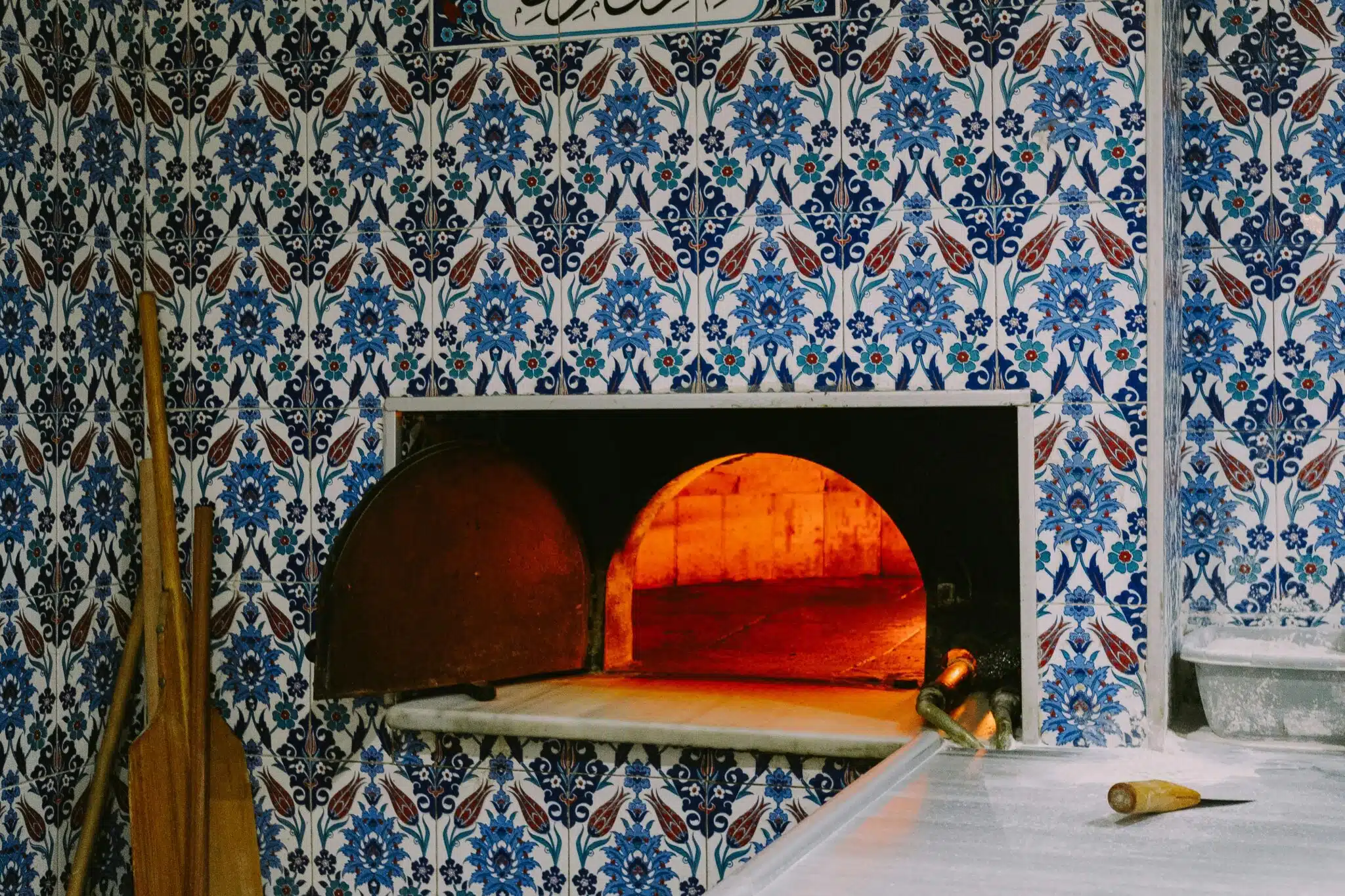
Masonry stoves, brick ovens, and tandoors are classic examples of this approach. Their thick walls store enormous amounts of heat, allowing bread, roasts, and flatbreads to cook evenly long after flames fade.
What makes these cookers relevant today is how the same physics scales down. Modern designs shrink the footprint while keeping enough mass to deliver the same retained heat benefits.
In practice, thermal mass cookers excel at a few specific tasks that matter in everyday cooking.
- Long slow roasting without temperature swings
- High heat baking after a single preheat
- Batch cooking that stays hot for serving
Adapting Thermal Mass Cooking To Small Spaces
Small space living does not rule out thermal mass cooking, but it does require smarter choices. Compact units use layered materials and insulation to concentrate heat where it is useful.
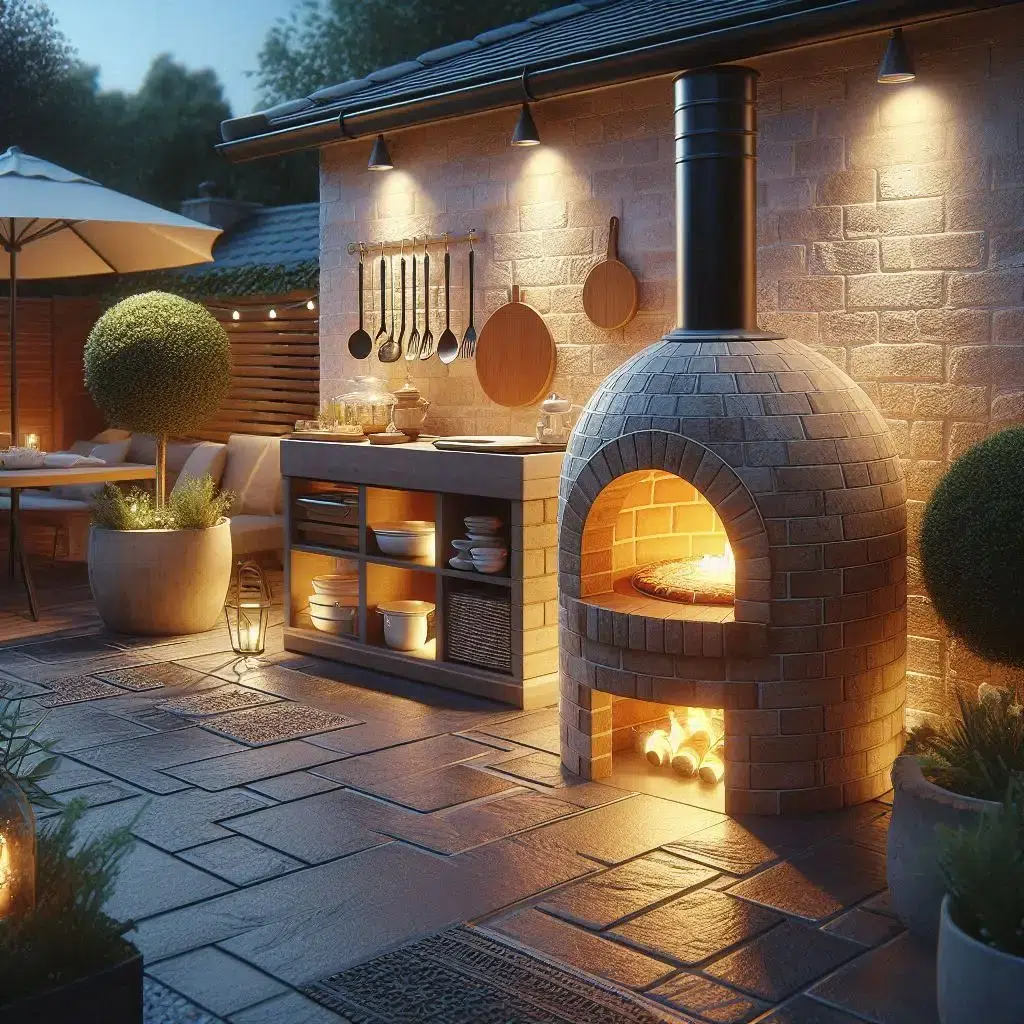
Placement matters just as much as size. Many homeowners successfully install these cookers on patios or decks beside prefabricated units, as long as all weight ratings and clearances are respected.
Fuel Types Safety And Ventilation
Wood, charcoal, gas, and electricity can all support thermal mass systems. The best choice depends on local codes, access to fuel, and how often you plan to cook.
Safety and ventilation are non-negotiable considerations. Proper flues, heat shields, and spacing protect structures and make long heat retention a benefit rather than a risk.
Modern Compact Options For Outdoor Kitchens
Today’s market includes compact tandoors and ovens designed specifically for residential and light commercial use. Many find that commercial tandoor ranges are a practical fit for efficient outdoor kitchens because they balance mass, insulation, and manageable size.
These units demonstrate how traditional principles translate into modern ownership. Faster warm up, controlled heat output, and durable construction improve the total cost of ownership over time.
Total Cost Of Ownership Considerations
Upfront price is only part of the equation with thermal mass cookers. Longevity, fuel efficiency, and reduced maintenance often offset higher initial costs over the years of use.
Because these systems rely on stored heat, wear on burners or fireboxes is typically lower. For homeowners, that means fewer repairs and more consistent performance season after season.
Deck And Patio Placement Tips
Weight and clearance are the two constraints that most often surprise buyers. Checking load ratings and local codes early prevents costly changes later.
Non-combustible surfaces, adequate airflow, and weather protection help extend the life of the cooker. These practical steps make thermal mass cooking safer and more enjoyable outdoors.
Planning ahead also helps with ventilation paths and access. A clear layout supports efficient use without crowding other outdoor features. This foresight protects your investment long term overall safety.
Making Thermal Mass Cooking Work For You
Thermal mass cooking rewards patience with efficiency, flavor, and control. By understanding heat capacity and retained heat, you can choose systems that fit your space and cooking style.
For readers of Jack Cooper who value thoughtful household upgrades, the takeaway is simple. Explore options, plan placement carefully, and share your questions or experiences in the comments to keep the conversation going.