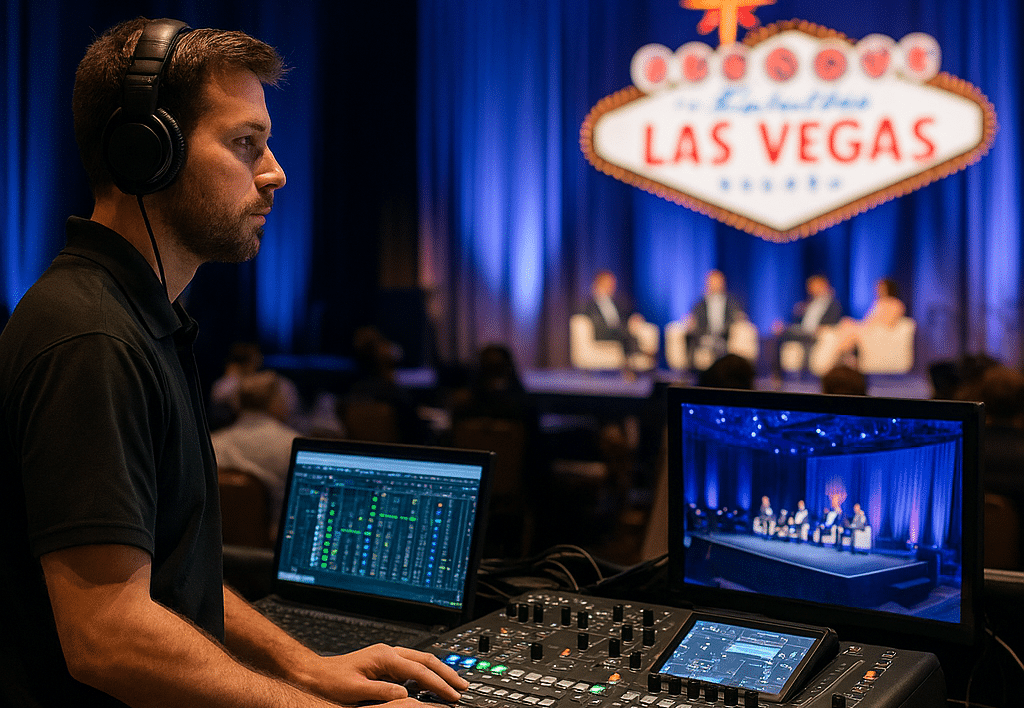
Las Vegas is built for events. Conferences, product launches, concerts, award shows, and hybrid corporate productions run nonstop, often overlapping in the same venues. From massive convention halls to intimate theaters, the city operates on a tight, high-stakes production schedule that leaves little room for error.
That density is what makes Vegas exciting—but it’s also what makes professional AV staffing essential. When venues turn over quickly, audiences expect perfection, and technical demands grow more complex by the year, the margin for mistakes disappears. In this environment, experienced AV crews aren’t just support—they’re a core part of event execution.
Las Vegas Events Operate on a Different Scale

https://www.pexels.com/photo/iconic-welcome-to-fabulous-las-vegas-sign-at-night-33448109/
Vegas venues are not forgiving environments, which is why Las Vegas event AV staffing requires a deep understanding of how these spaces operate.
Load-ins are timed to the minute. Dock access is controlled. Freight elevators are shared.
Union jurisdictions can shift depending on the space, the gear, or even the time of day.
An inexperienced crew can lose hours simply navigating venue rules. A professional AV team already knows how these buildings work and how to coordinate with house staff without slowing the show down.
In a city where a delay doesn’t just affect one event but the next three behind it, precision matters.
Union Requirements Add Complexity, Not Flexibility
Many Las Vegas venues require union labor for certain roles, equipment handling, or technical operations. This doesn’t mean outside crews aren’t allowed—but it does mean coordination is essential.
Professional AV staff understand where union boundaries apply and how to integrate with them efficiently. They know which tasks must be handled by venue labor and which can be supported by external technicians without triggering disputes or shutdowns.
Missteps here don’t just cause friction. They can halt a production entirely.
Load-Ins Are Tight, Technical, and High-Risk
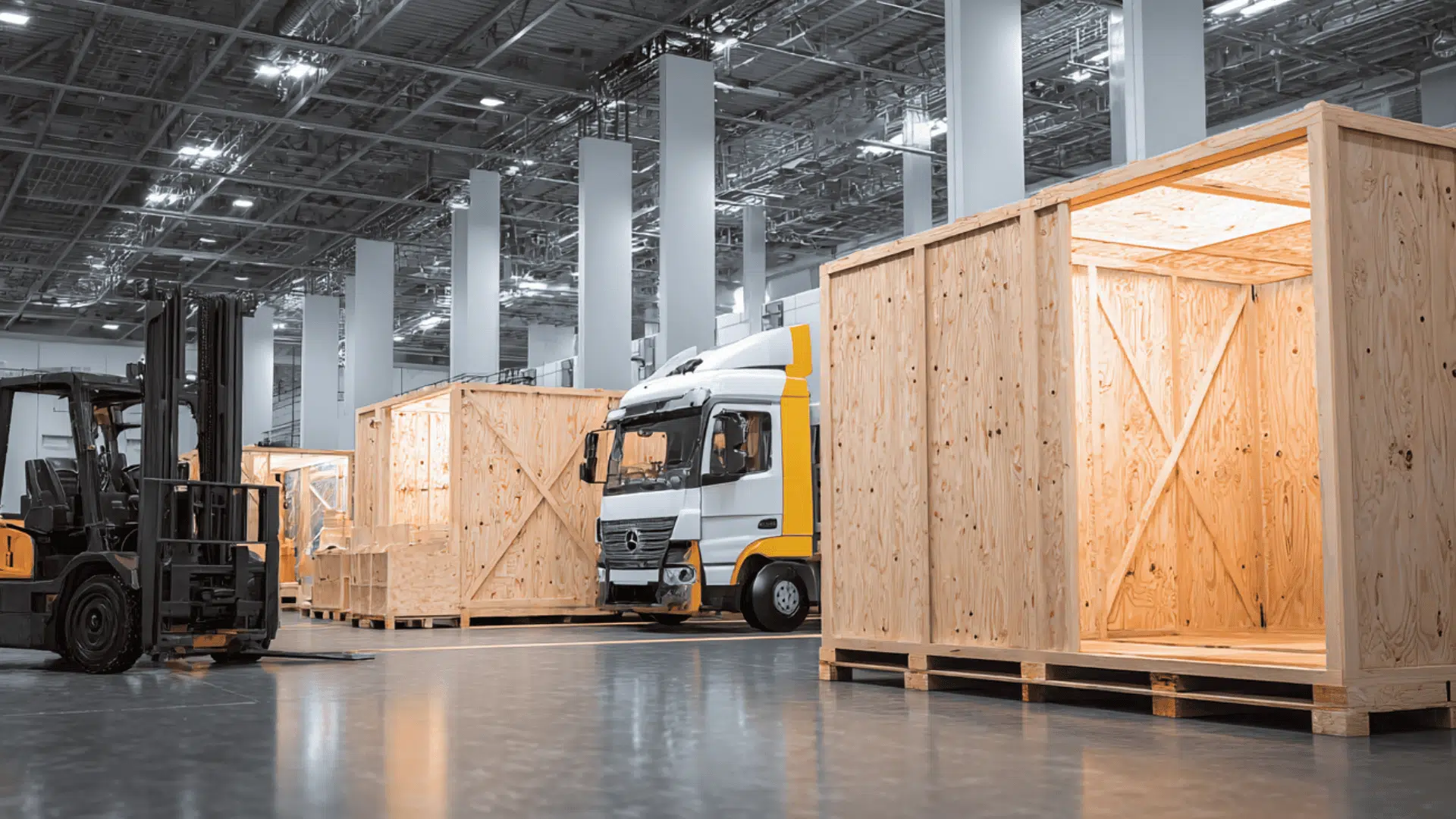
Vegas load-ins often happen overnight or during narrow windows between events. There’s little room for improvisation when moving truss, LED walls, audio rigs, or broadcast gear into complex spaces.
Experienced AV crews plan load-ins with military-level detail:
- Equipment sequencing
- Power distribution
- Backup routing
- Redundancy placement
- Emergency contingencies
This kind of preparation minimizes risk, protects gear, and keeps crews safe. It also prevents last-minute scrambling that can compromise audio quality, lighting alignment, or video stability.
Hybrid and Streaming Raise the Stakes

https://www.pexels.com/photo/men-operating-cameras-8412361/
Many Las Vegas events now include livestreams, virtual components, or real-time broadcasting. That adds an entirely new layer of technical pressure.
A single cable failure, power fluctuation, or sync issue can affect thousands of remote viewers. Professional AV teams plan for this by building redundancy into every critical system—audio, video, network, and power.
They also understand how to balance in-room experience with broadcast requirements, ensuring neither audience suffers.
Power Planning Is Not Guesswork
Vegas venues provide power—but knowing how to use it properly is a specialized skill.
Professional AV staff assess:
- Load capacity
- Phase balancing
- Generator integration
- Backup power access
- Equipment heat output
This prevents outages, blown circuits, and dangerous overloads. It also ensures lighting, sound, and video systems perform consistently throughout long event days.
Power mistakes don’t always show up immediately. When they do, they’re catastrophic.
Redundancy Protects Reputations
Vegas audiences don’t tolerate technical excuses. When something fails, it fails publicly and permanently online.
Professional AV crews design systems assuming something will go wrong. Backup signal paths, spare components, failover networks, and on-site troubleshooting expertise protect the event—and the brand behind it.
This isn’t overkill. It’s insurance.
Logistics Extend Beyond the Ballroom
AV staffing in Las Vegas isn’t just about what happens inside the room. It also involves coordinating logistics and transport, along with transportation, storage, security, and timing across a city that never slows down.
Seasoned crews know how to:
- Schedule gear deliveries around traffic patterns
- Coordinate with venue security
- Manage off-site storage
- Move crews efficiently between locations
- Adapt when schedules shift unexpectedly
These details rarely show up in event plans, but they’re where most failures begin.
Local Expertise Matters More Than You Think
Vegas is not a plug-and-play city. Every venue has its quirks. Every dock has its rules.
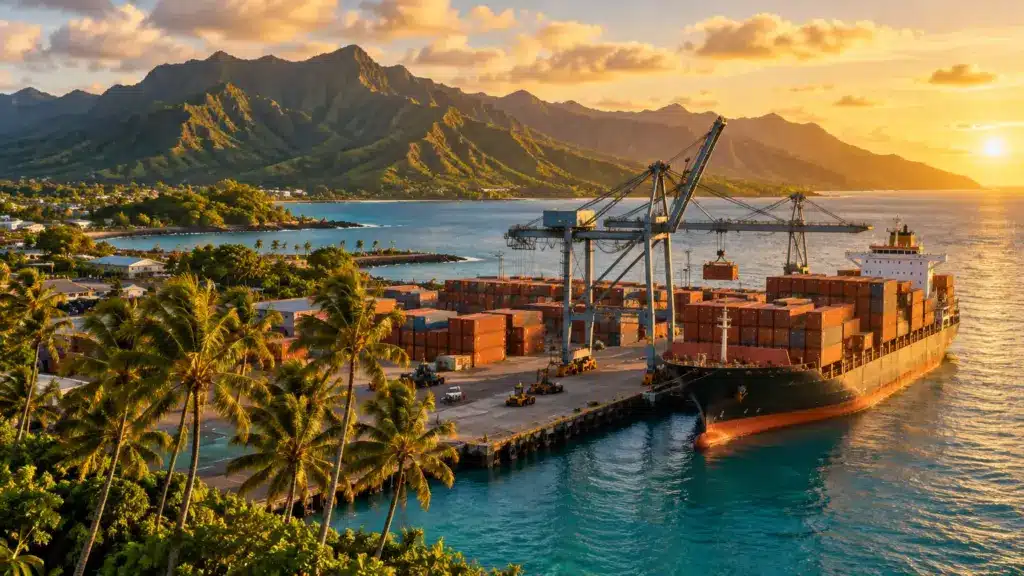
Even shipping large AV items into the city—LED walls, truss systems, specialty rigging—comes with timing restrictions, access limitations, and coordination challenges that outsiders don’t see until it’s too late.
Sourcing vetted local technicians who understand the landscape reduces risk dramatically. This is where working with established local staffing resources—such as a Las Vegas AV staffing provider—becomes a strategic advantage rather than a convenience.
Local professionals bring institutional knowledge that can’t be replicated by flying in a generic crew.
Professional AV Staffing Is Risk Management
At its core, professional AV staffing is about protecting time, money, and credibility. Events are often planned months in advance, but a single technical failure can undo that investment in minutes.
In Las Vegas, the margin for error is smaller, the expectations are higher, and the consequences of failure are magnified. Skilled crews don’t just execute a show—they anticipate problems before they surface, build safeguards into the system, and resolve issues before the audience ever notices.
For events in a city built on spectacle and precision, that level of expertise isn’t optional. It’s foundational to delivering an experience that reflects the scale and ambition of the event itself.