Apartment gate security entry management plays a big role in keeping residents safe and comfortable.
Modern apartment communities are moving away from traditional keys and shared codes. Instead, they are using smarter systems that are easier to manage and harder to misuse.
This guide covers modern approaches to apartment gate entry management and explains how the right setup can improve safety, reduce problems, and create a better living experience for everyone.
Why Gate Entry Management Matters
Gate entry is the first line of defense for any apartment building. It decides who gets in, who stays out, and how safe residents feel every day.
- Stops unauthorized access: Prevents unknown people or vehicles from entering the property without approval.
- Improves resident trust: When entry feels secure, residents feel more comfortable and confident living there.
- Reduces daily problems: Fewer lost keys, shared codes, and gate-related complaints for management.
A good entry system is not just about blocking strangers. It also helps residents move in and out easily without stress or delays.
Core Parts of a Secure Entry System

A secure entry system works best when every part supports the others. Hardware, access tools, and management controls must work together to keep entry safe and easy for residents.
1. The Gate and Control Hardware
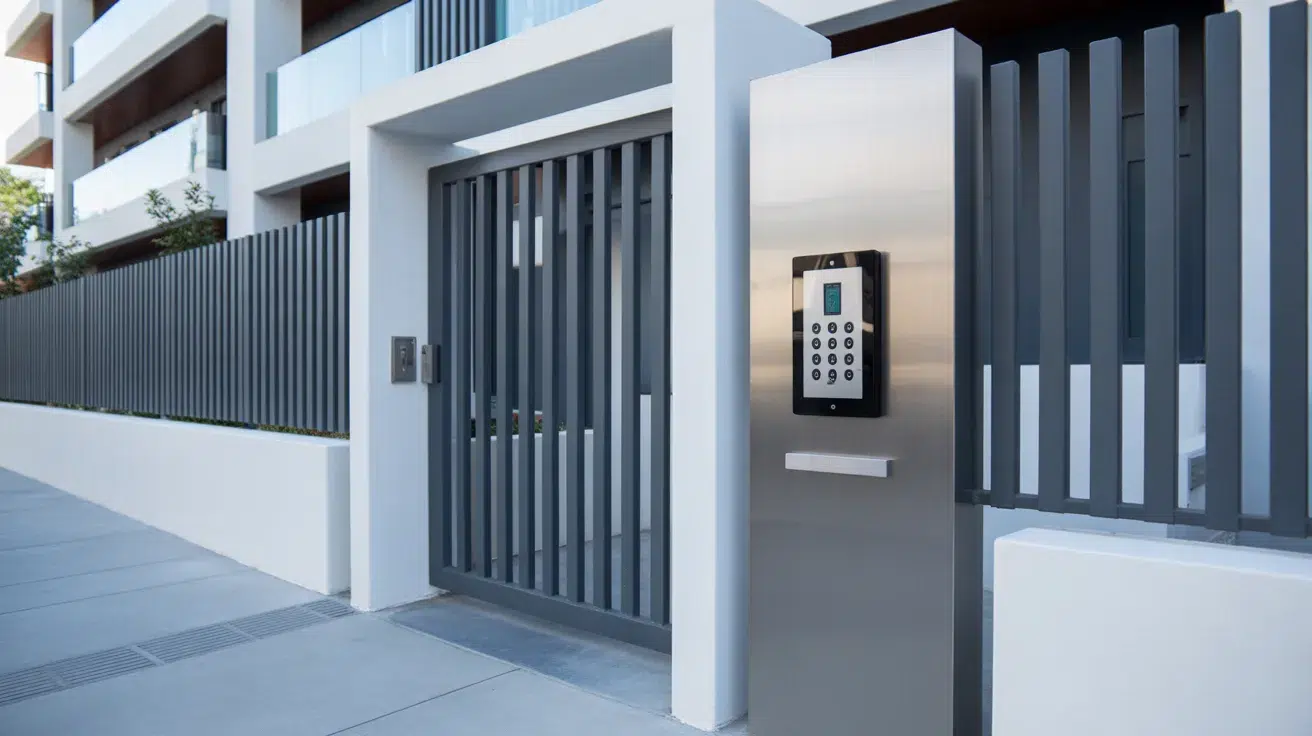
The gate and its control hardware form the physical barrier that protects the property. This includes the gate itself, sensors, and the controller that decides when the gate should open or stay closed.
When someone requests access, the system checks their permission before allowing entry. Reliable hardware helps prevent breakdowns, delays, and safety risks.
2. Resident Access Credentials
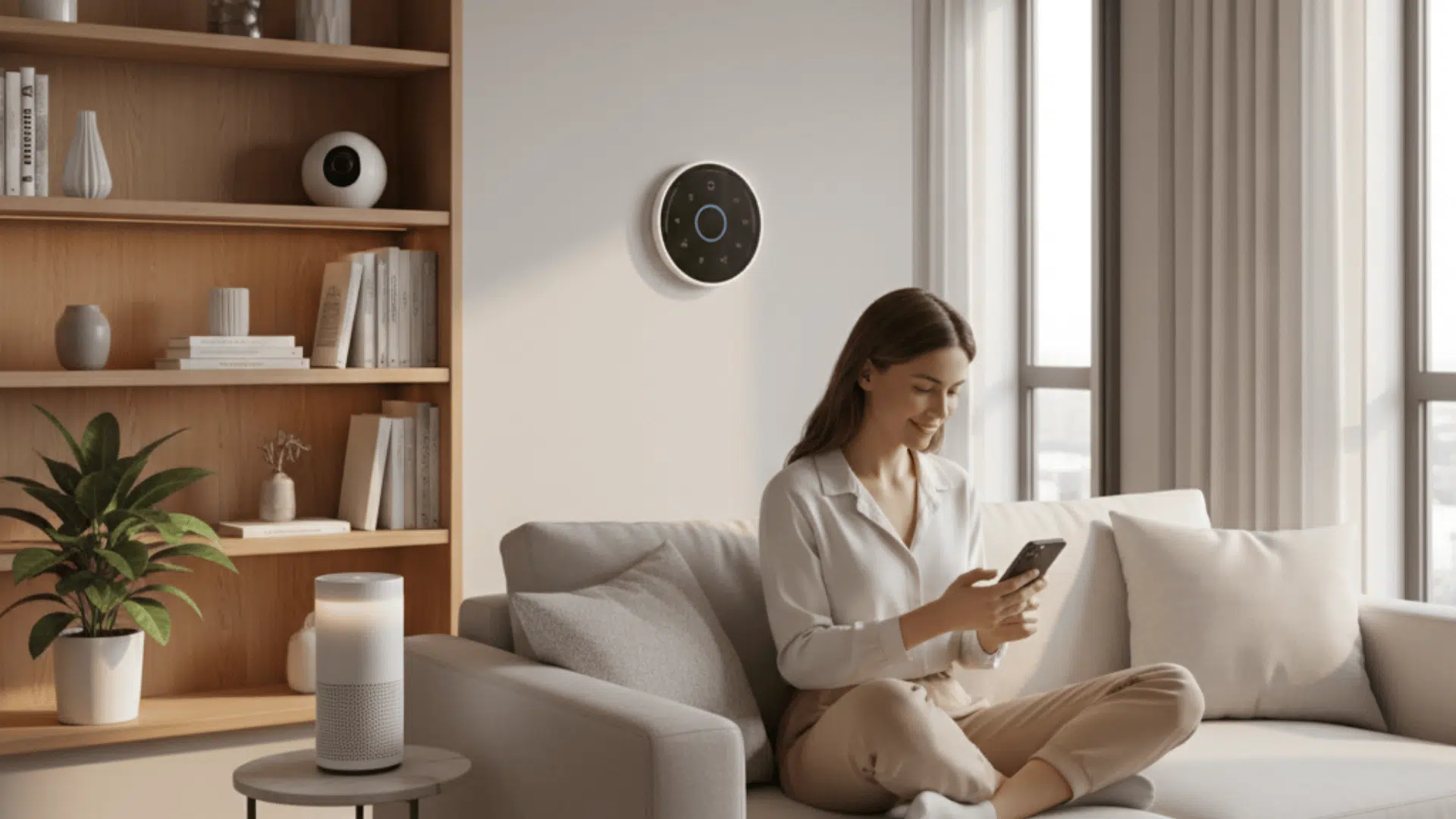
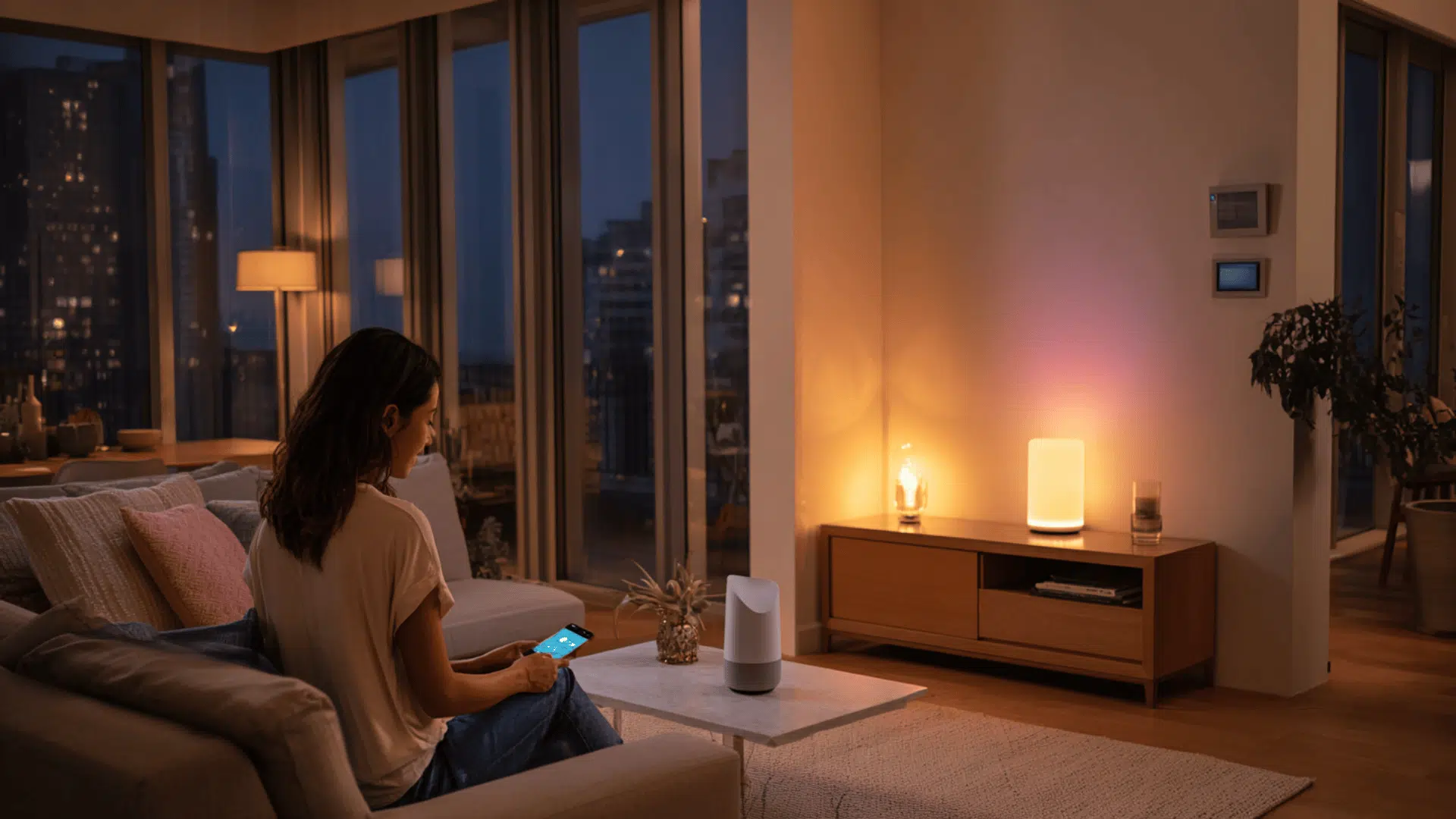
Access credentials are what residents use to enter the community. These may include key fobs, access cards, mobile apps, or entry codes. Modern systems often support phone-based access because it is easy to issue and revoke.
Credentials should be simple to manage, especially during move-ins and move-outs. When access is controlled properly, it reduces sharing and lowers the risk of unauthorized entry.
3. Management Tools and Access Rules
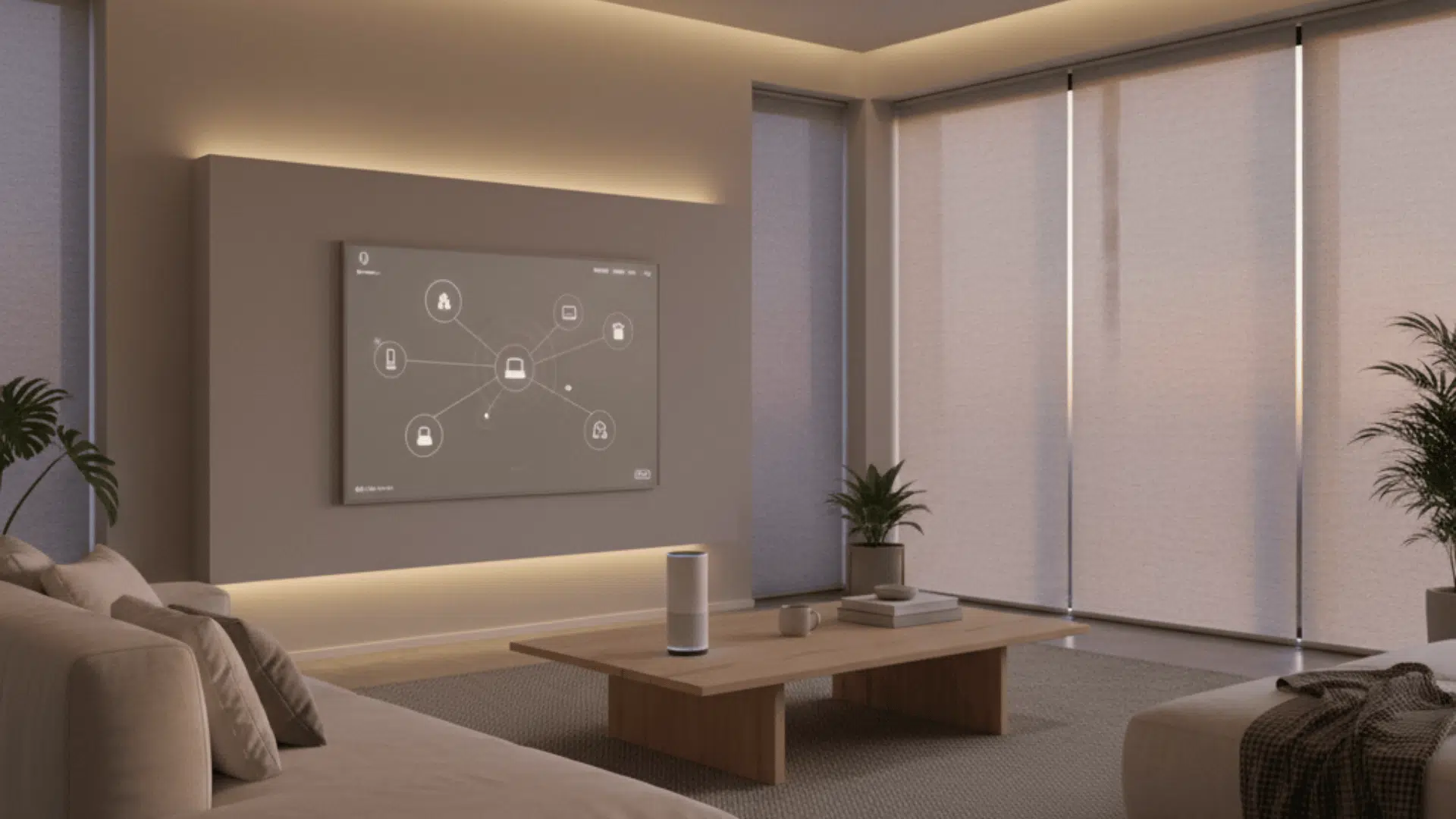
Management tools allow property teams to control who can enter and when. These tools are usually available through a dashboard or control panel.
Staff can quickly add or remove users, set time limits, and create access groups for residents, guests, or vendors. Clear access rules help reduce confusion and mistakes. Activity logs also provide useful records if a security issue needs review.
Modern Keyless Access Control Options
Keyless entry systems remove the need for physical keys and make daily access easier. They also help property teams manage entry faster and with fewer mistakes.
| Access Option | How It Works | Why It Helps |
|---|---|---|
| Mobile Access | Residents use a phone app to open gates | Easy to issue, easy to remove |
| Key Fobs or Cards | Tap or scan at the gate reader | Simple and familiar for residents |
| PIN Codes | Enter a code on a keypad | Useful for short-term access |
| Video Intercoms | Visitors request entry with video | Adds visual verification |
Keyless systems improve security while keeping entry smooth for residents and guests.
Visitor, Delivery, and Vendor Access
Managing non-resident access is one of the biggest security challenges for apartments.
Visitors should only get temporary access that expires automatically. Delivery drivers need limited entry, usually during set hours, to avoid open gates all day.
Vendors like cleaners or repair teams should have role-based access, so they only enter specific areas. Time limits and activity logs help reduce misuse.
When access is tracked and controlled, it lowers risk while still keeping things convenient for everyone.
Vehicle Gate Technology for Safer Entry

Vehicle entry needs to be fast, secure, and easy to manage. Modern gate systems help reduce backups and limit unwanted access.
- License Plate Recognition (LPR): Opens the gate when an approved plate is detected. No stopping needed.
- RFID Vehicle Tags: Long-range tags allow quick entry for residents.
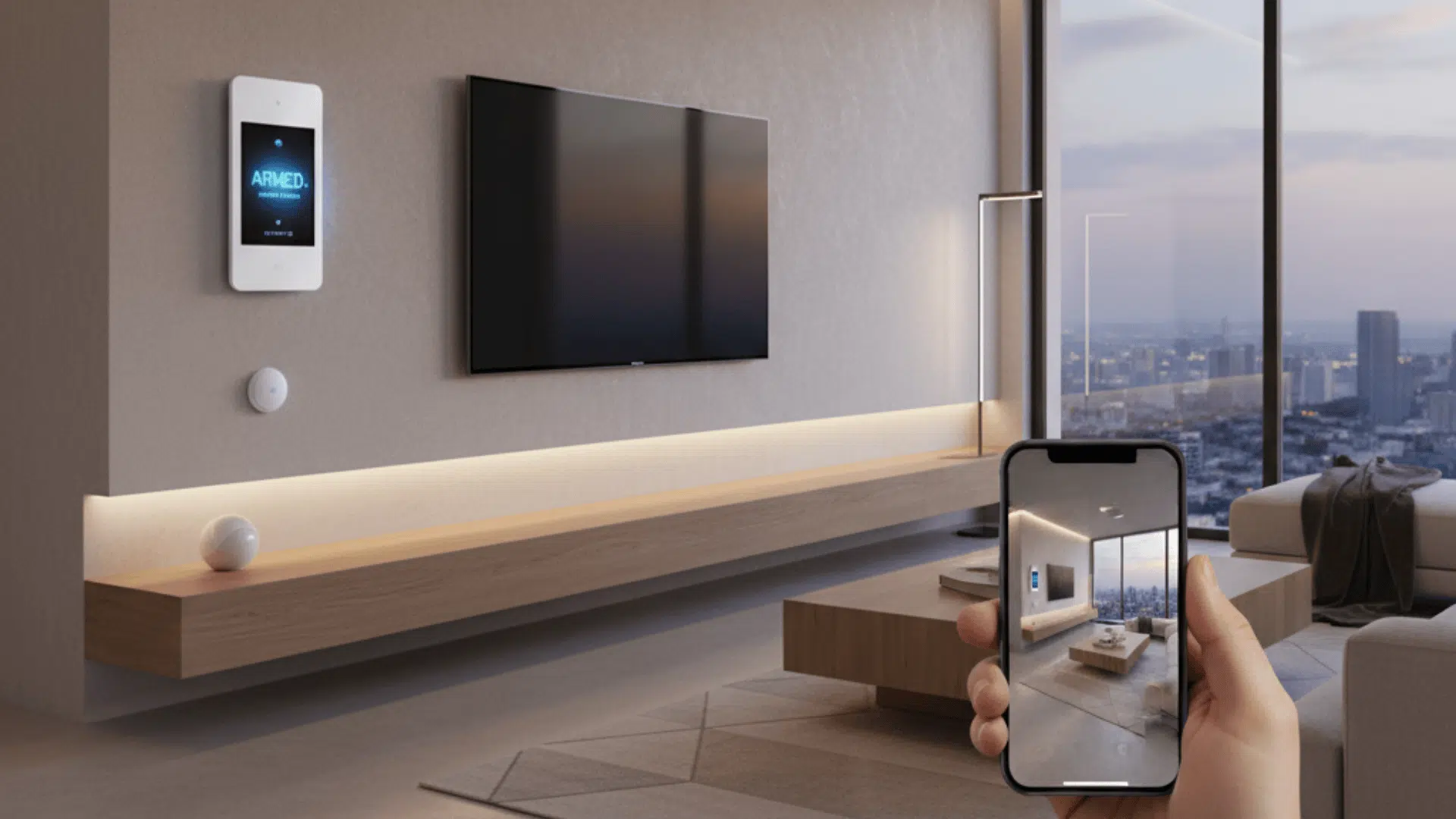
- Access Logs and Cameras: Help track who entered and when.
- Anti-Tailgating Features: Reduce cars following others inside.
The right setup improves traffic flow while keeping the property secure.
Planning an Apartment Gate Security Upgrade
Upgrading gate security starts with knowing what your property really needs. Every site has different entry points, traffic levels, and risks.
Things to plan for:
- Number of gates and entry types
- System compatibility and power backup
- Easy management for staff
- Clear access rules for residents and guests
A well-planned upgrade improves safety without making daily access harder for residents.
Conclusion
Apartment gate security entry management plays a big role in how safe and comfortable a community feels.
A strong system does more than control entry. It helps residents move freely, reduces daily issues, and gives property teams better control.
When entry is simple and well-managed, people follow the rules more often.
If you are planning to improve your apartment’s gate security, start by reviewing your current setup and identifying gaps. The right solution can protect your property, save time, and improve the overall living experience.