The term logistics gets used constantly, but it’s rarely explained in a way that matches how the work actually happens.
Many people picture trucks, warehouses, or shipping labels and stop there. That narrow view misses the decisions that keep goods from backing up, arriving late, or landing in the wrong place.
A logistics company exists to manage those decisions, not just the movement itself.
In this article, I’ll break down what logistics really means, how coordination works behind the scenes, where these companies sit in the supply chain, and why they’re different from shipping or trucking providers.
Let’s see what problems logistics solves.
What is a Logistics Company?
A logistics company manages how goods move and are handled across a supply chain.
That work includes planning, coordination, and execution. The surface goal is simple: get the right item to the right place at the right time. The process behind that goal is more complex.
Logistics is about flow, not just transport. Products rarely move straight from the factory to the customer. They move in stages. They pause. They’re stored, grouped, split, checked, and redirected. A logistics company designs and manages that movement.
The work typically breaks down into three parts:
- Planning: Routes, timing, and handoffs are mapped out
- Coordination: Multiple parties act in sequence without conflict
- Execution: Trucks move, warehouses handle goods, and orders ship
One key distinction matters. Logistics operates within the supply chain, but it is not the entire supply chain. It focuses on movement and storage, not manufacturing or sales.
The common mistake is equating logistics with shipping. Shipping is a single action. Logistics is the system that decides when, how, and why that action happens.
What Does a Logistics Company Actually Do?
Logistics services are often listed as transportation, warehousing, and inventory, but that view misses how connected the work really is. Logistics companies step in wherever goods risk slowing down or ending up in the wrong place.
The difference is coordination. Every decision affects the next step, and unmanaged flow creates waste.
1. Transportation Coordination
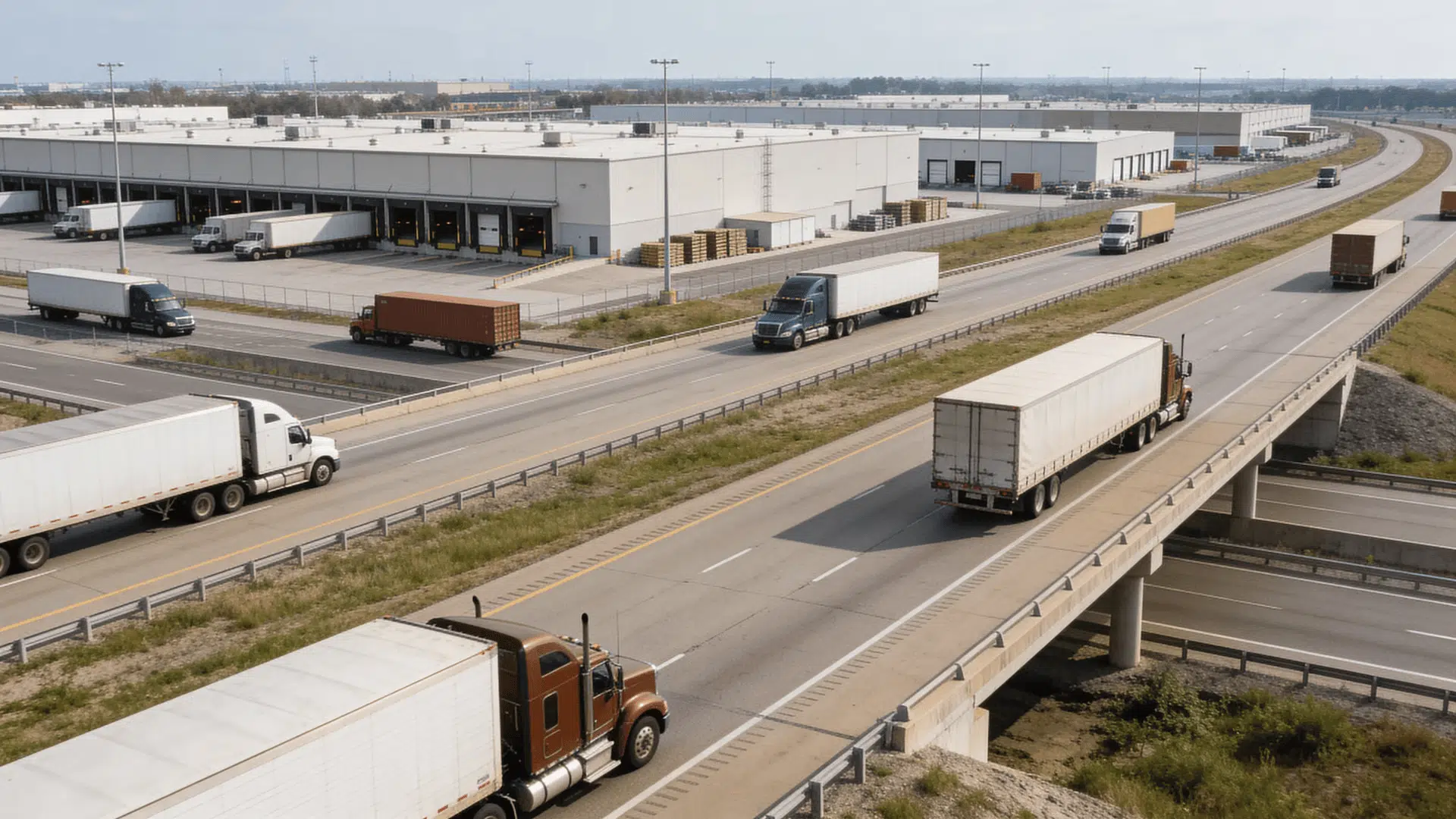
Transportation is not just driving from point A to point B. A logistics company decides which carrier to use, which route makes sense, and when a shipment should leave.
Timing matters. Leaving too early can clog a warehouse. Leaving too late can break a delivery promise. Route choices affect fuel, delays, and reliability. Carrier choices affect risk and cost.
The mechanism here is planning under constraints. Roads, schedules, capacity, and demand all shift. That’s why transportation decisions change week to week or even day to day.
2. Warehousing and Storage Management
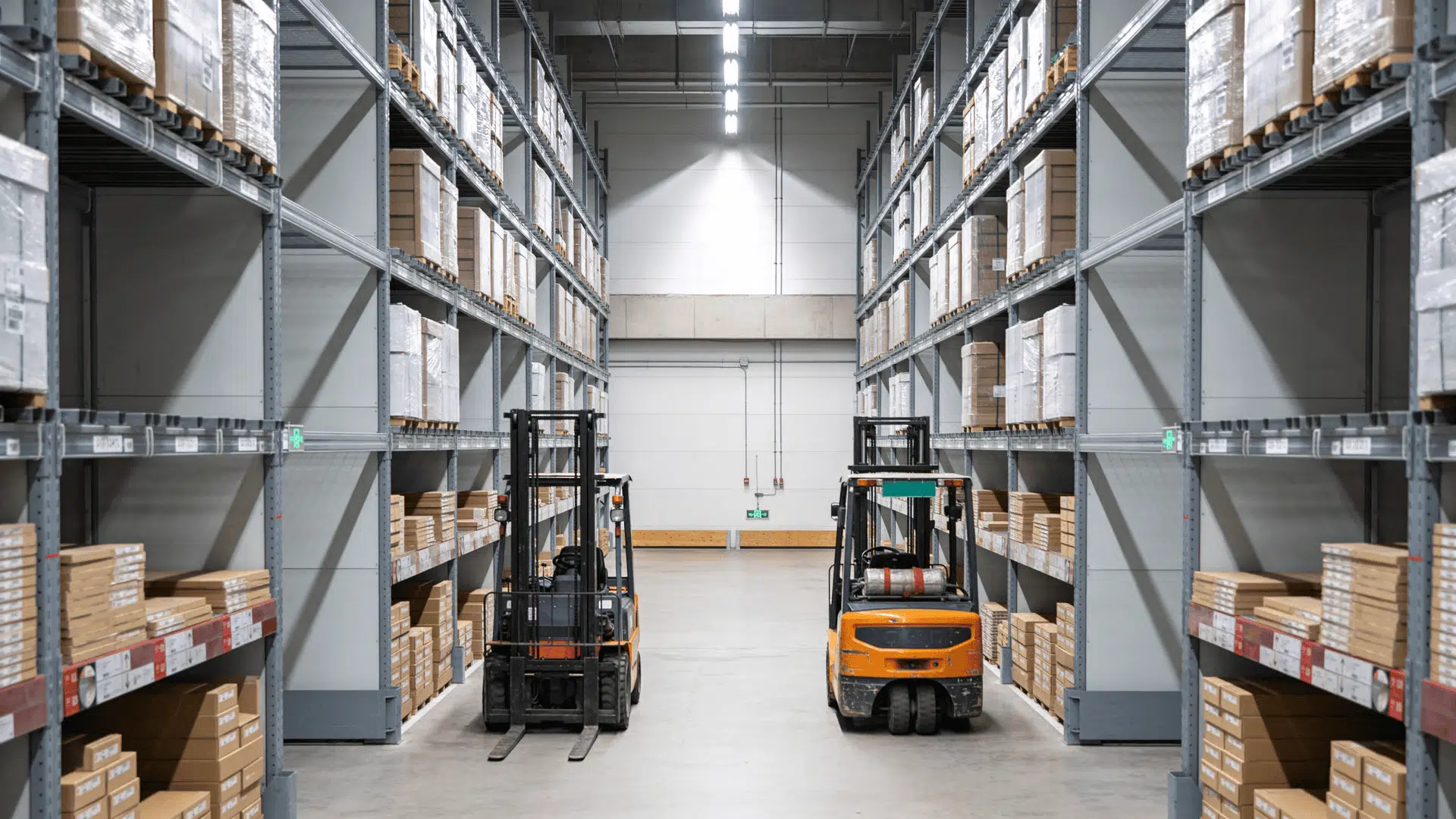
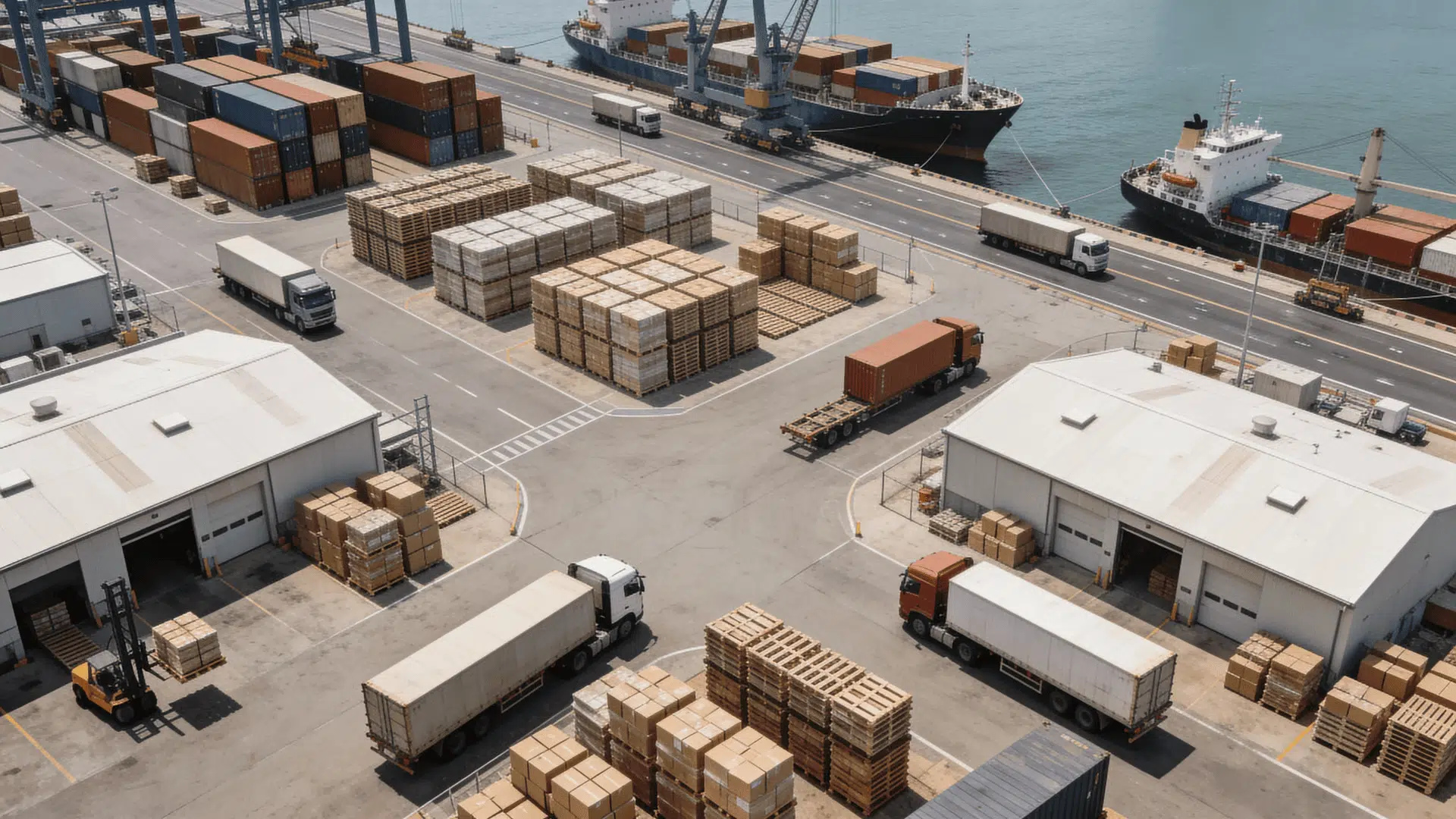
Warehousing is about controlled waiting. Goods rarely move nonstop. They pause to match demand.
A logistics company manages where items sit, for how long, and in what order they leave. This is not just stacking boxes. It’s flow control. Fast-moving items are placed for quick access. Slower items are stored deeper.
The outcome is balance. Too much storage ties up money. Too little creates shortages. Warehousing decisions affect how smooth everything else runs.
3. Inventory and Order Fulfillment
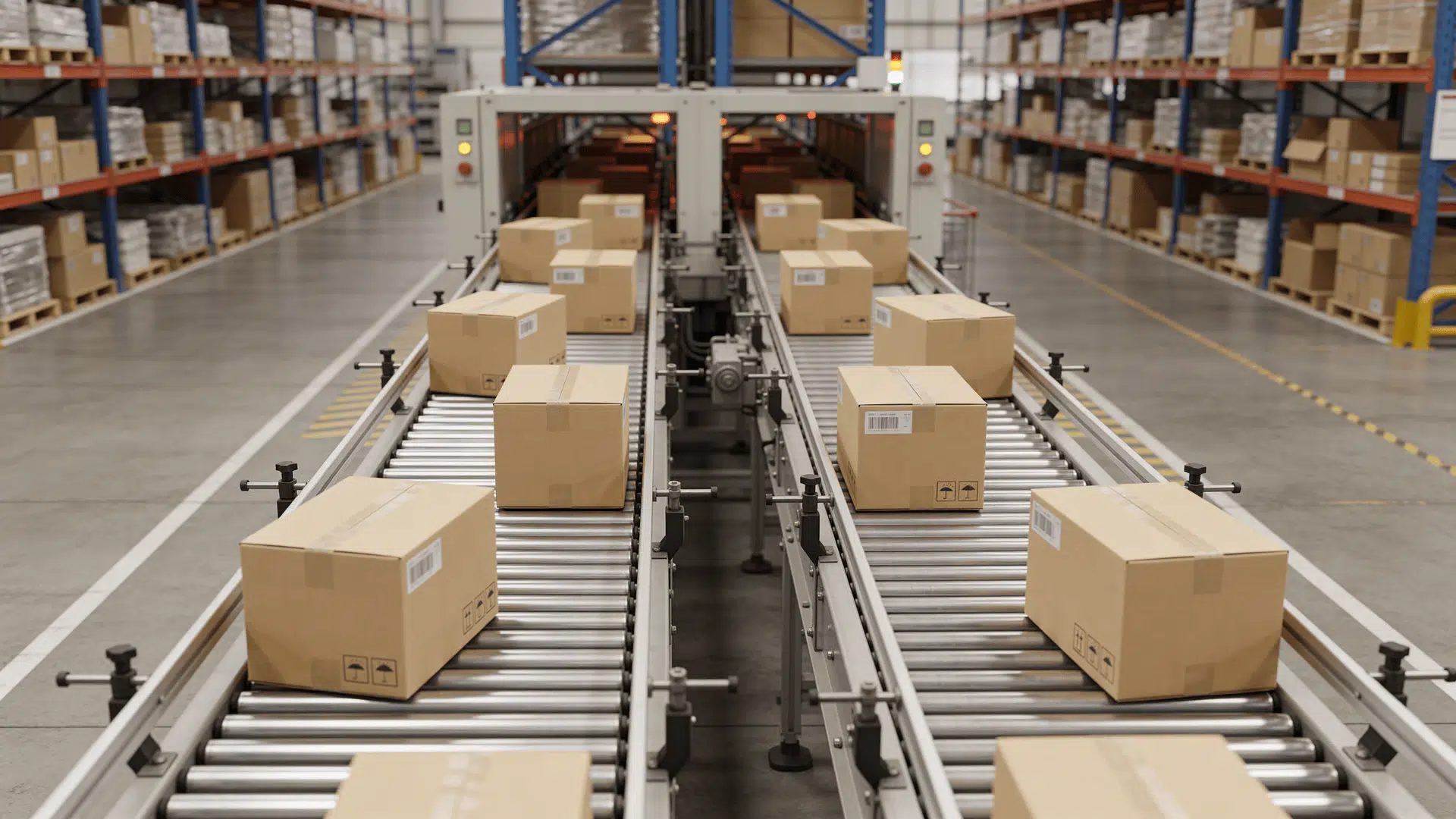
Inventory and fulfillment connect customer action to physical movement. When an order comes in, it triggers a chain reaction.
A logistics company decides which location fills the order, how it gets packed, and when it ships. If inventory is split across locations, the system has to choose the least disruptive option.
This work changes constantly. Demand spikes. Orders drop. Returns come back. That’s why fulfillment feels uneven from the outside. It responds to real-time signals, not fixed rules.
A common misunderstanding is thinking logistics companies handle just one of these tasks. In reality, each task only works because the others are aligned.
Where Logistics Companies Fit in the Supply Chain
A supply chain includes several distinct roles:
- Manufacturers make the goods
- Sellers create demand and take orders
- Carriers physically move freight
Logistics companies sit between these roles and connect them.
They act as a connective layer. They usually don’t own the product or the customer relationship. Their responsibility begins when goods need to move or wait and ends when that movement or storage is complete.
That boundary matters. Logistics companies don’t decide what to produce or how to price it. They decide how physical movement and storage support those decisions.
Many people assume logistics companies control the entire chain. They don’t. They manage specific links. When those links work smoothly, the chain feels invisible. When they don’t, everything else feels broken.
How Logistics Companies Differ from Shipping and Trucking Companies
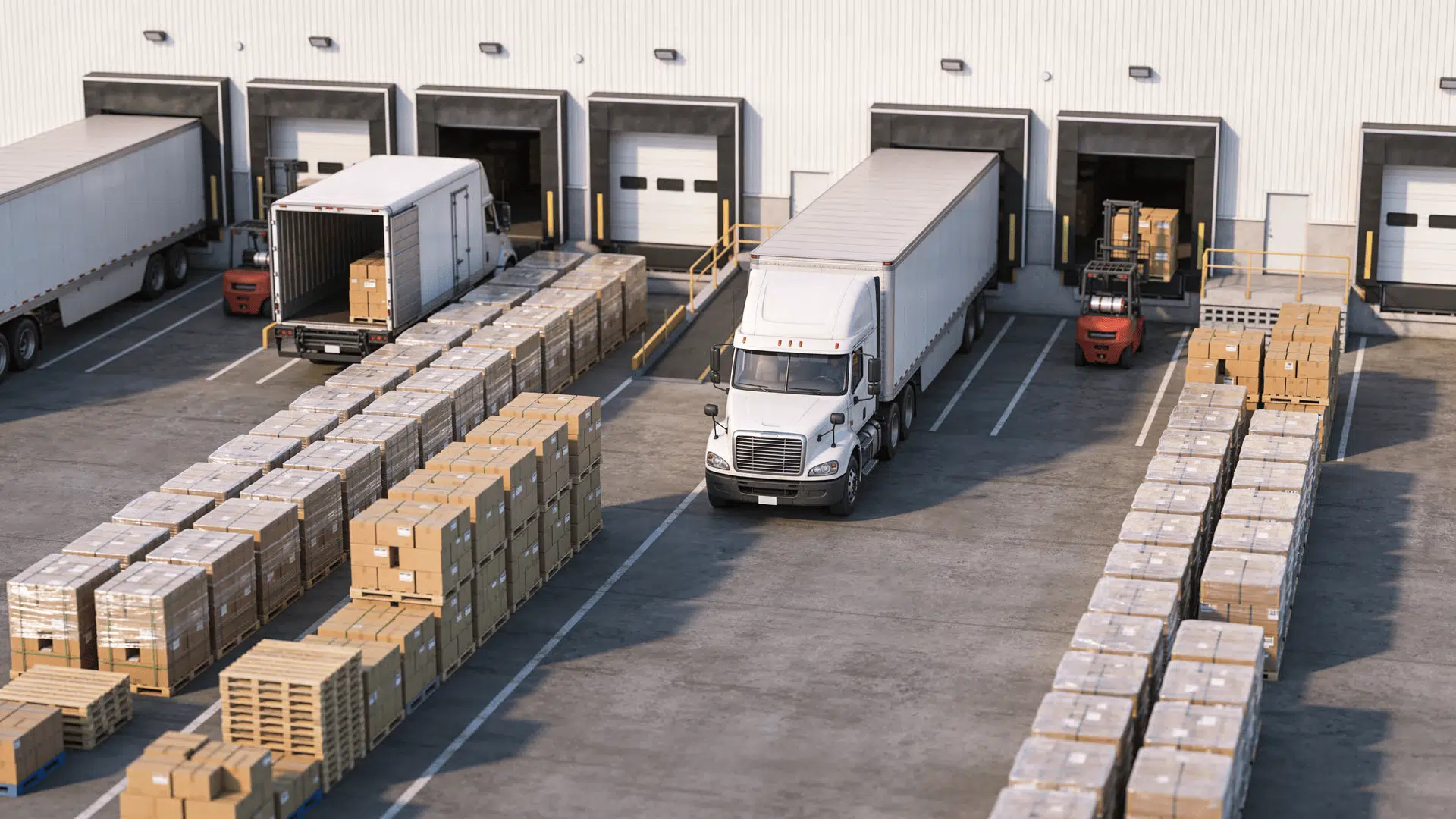
Shipping and trucking companies execute tasks. Logistics companies manage scope.
A trucking company moves freight along a defined route. A shipping company focuses on getting packages from sender to receiver. A logistics company looks at the full picture and decides what should happen, when it should happen, and who should do it.
There is overlap, which causes confusion. Some logistics companies operate their own trucks. Some carriers also offer logistics services.
The real difference is responsibility. If the role is limited to execution, it’s shipping or trucking. If the role includes planning, coordination, and ongoing adjustment across multiple steps, it’s logistics.
These terms are often used interchangeably, but they’re not the same. One performs part of the system. The other designs and manages the system.
Examples of Logistics Companies and Services
Logistics companies vary widely in size and focus, but their role is consistent. They manage how goods move, pause, and reach their next destination.
Common types include:
- Third-party logistics providers (3PLs): Manage warehousing, inventory, fulfillment, and transportation on behalf of other businesses.
- Ecommerce fulfillment providers: Handle storage, picking, packing, and shipping for online sellers.
- Freight-focused logistics firms: Coordinate complex regional, national, or international freight movement.
What defines a logistics company isn’t scale, branding, or technology. It’s function. Logistics firms take responsibility for flow, not just a single shipment.
Some large companies, such as Amazon, operate logistics networks internally, even if logistics isn’t how they’re commonly described. Smaller firms may serve a single region or industry niche.
A common misconception is that logistics requires massive infrastructure. In reality, logistics scales up or down. The role stays the same: manage movement, control timing, and reduce friction.
Wrapping Up
Once you look past surface labels, logistics becomes easier to understand. The role is not about owning trucks or warehouses, but about controlling flow across multiple steps.
A logistics company works inside the supply chain without replacing it, focusing on timing, movement, and coordination rather than production or sales.
When those links are managed well, everything feels smooth. When they aren’t, delays and waste show up fast.
Seeing logistics as a system instead of a service clears up much of the confusion around the term.
If you’re evaluating partners or roles in your operation, step back and map where coordination really happens. That’s usually where logistics earns its value.