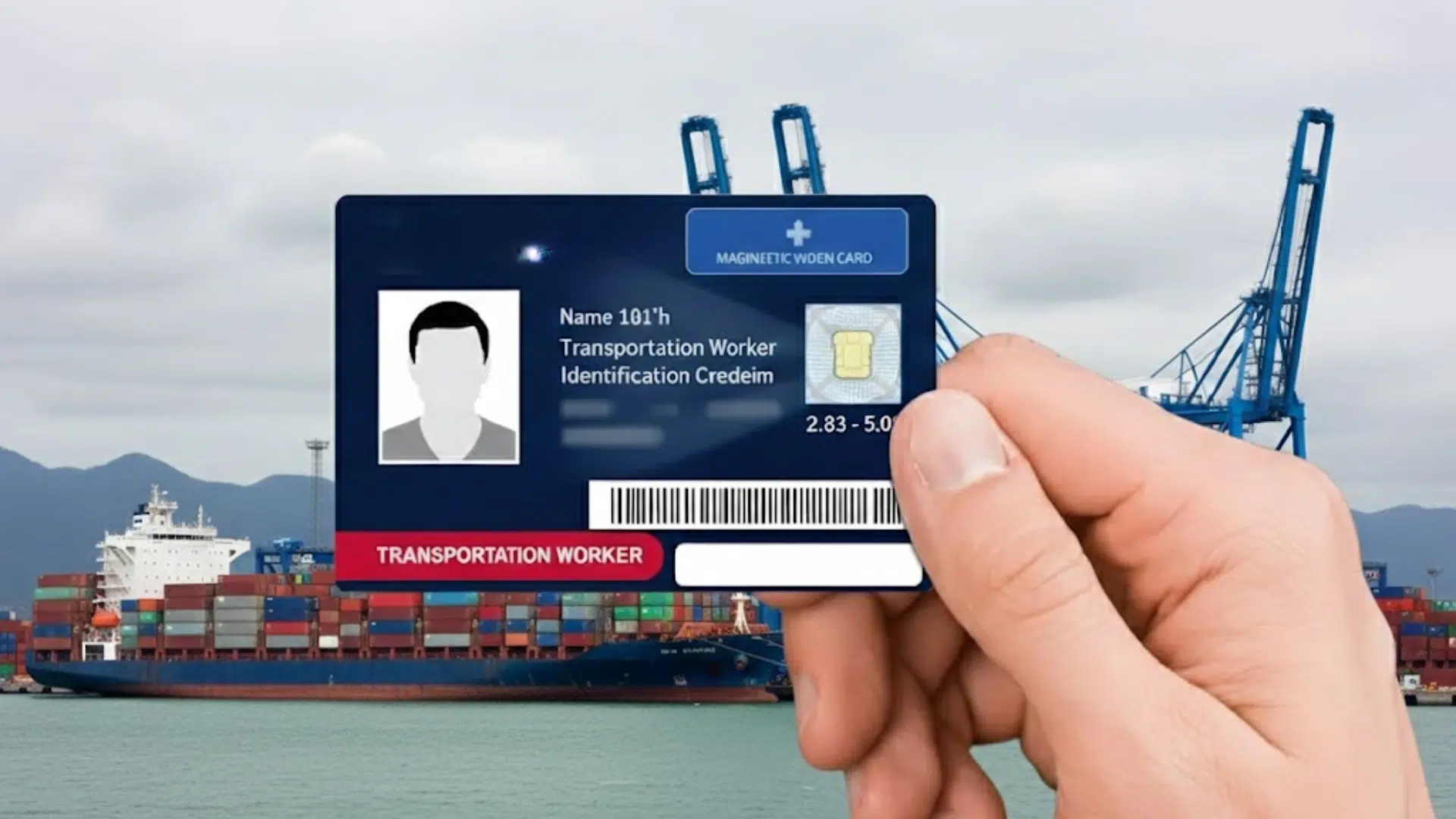
A TWIC card is something many people hear about when they start working near ports, ships, or secure dock areas.
If you are new to maritime or port-related jobs, the rules around access can feel confusing at first. That is where the TWIC card comes in.
In this guide, you will learn what a TWIC card is, why it exists, and who actually needs one.
If you are trying to figure out whether a TWIC card applies to your job or future plans, this article will help you understand the basics without the legal jargon.
What is a TWIC Card?
A TWIC card is a federal identification card used in the maritime industry.
TWIC stands for Transportation Worker Identification Credential. It is issued by the Transportation Security Administration (TSA).
This card helps control who can enter secure areas at ports, docks, and vessels. Workers must pass an identity check and a security background review before getting approved.
The goal is to improve safety and prevent unauthorized access. A TWIC card is not a job license, but an access card.
If your job requires you to enter restricted maritime areas without an escort, you will likely need a TWIC card to do so legally and safely.
What is a TWIC Card Used For?
A TWIC card is used to allow approved workers to enter secure maritime areas without supervision. These areas are restricted for safety and security reasons.
- Entering secure port terminals, docks, and shipyards
- Accessing regulated vessels and maritime facilities
- Allowing employers to verify worker clearance
Overall, the TWIC card helps protect ports and vessels by ensuring only approved workers can enter sensitive areas.
Who Needs a TWIC Card?
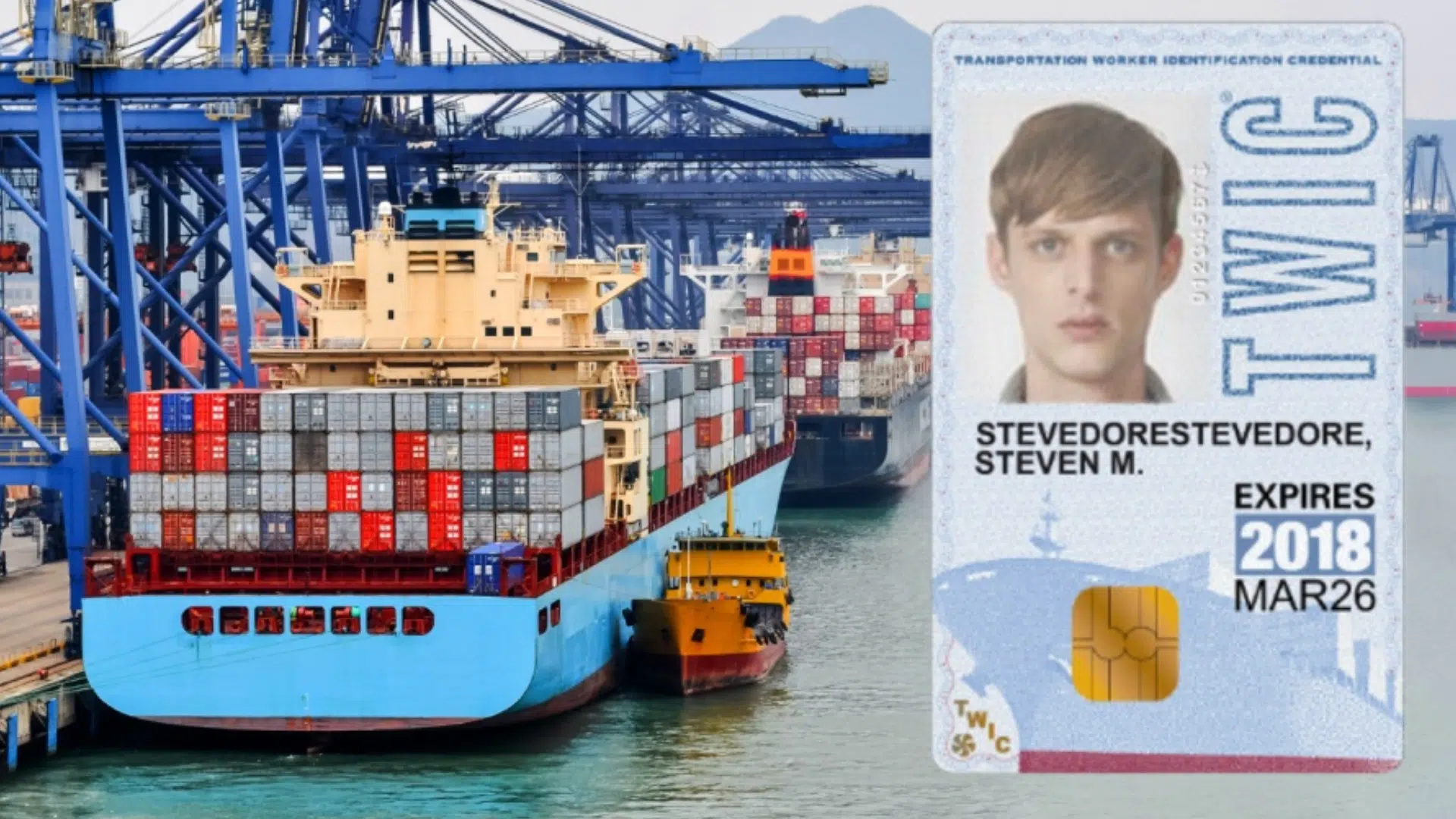
Not everyone working near water needs a TWIC card. It depends on your role and whether you need unescorted access to secure areas.
1. Port and Terminal Workers
Port and terminal workers are among the most common TWIC card holders. This includes longshore workers, dockworkers, and cargo handlers. These jobs often require regular access to restricted areas within ports.
Since these zones are considered high-security locations, workers must show proof of clearance. A TWIC card confirms that the worker has passed a TSA background check. Without it, access may be denied or limited to escorted entry only.
2. Truck Drivers Serving Ports
Truck drivers who pick up or deliver cargo inside secure port areas may need a TWIC card. This is especially true if they enter terminals without an escort. Drivers who only drop loads outside restricted gates may not need one.
Requirements can vary by port and employer. Many companies still prefer drivers to have a TWIC card to avoid delays. Having one can also open up more job opportunities in port-related transport.
3. Merchant Mariners and Vessel Crew
Merchant mariners and certain vessel crew members are often required to have a TWIC card. This applies to workers on regulated vessels that operate in secure maritime zones.
Many U.S. Coast Guard credential holders must also carry a TWIC card. It helps verify their identity while working onboard or docked at ports. For mariners, the TWIC card is often part of meeting job and access requirements.
4. Contractors and Maintenance Workers
Contractors who perform construction, repair, or maintenance work in secure port areas may need a TWIC card. This includes electricians, mechanics, inspectors, and cleaners.
If the work requires entering restricted zones without an escort, a TWIC card is usually required. Short-term or escorted visits may not need one. Employers or facility managers typically decide based on access level and job duties.
TWIC Card Requirements and Eligibility
Before applying for a TWIC card, you must meet certain basic requirements set by the TSA. These rules help make sure only approved workers can access secure maritime areas.
- You must prove your identity using accepted documents, such as a passport or state ID.
- You must pass a TSA security background check before approval.
- U.S. citizens and some non-U.S. citizens with valid immigration status can apply.
- Fingerprints and a photo are taken during the enrollment process.
If you meet these requirements and your background check is approved, you are eligible to receive a TWIC card.
How to Apply for a TWIC Card
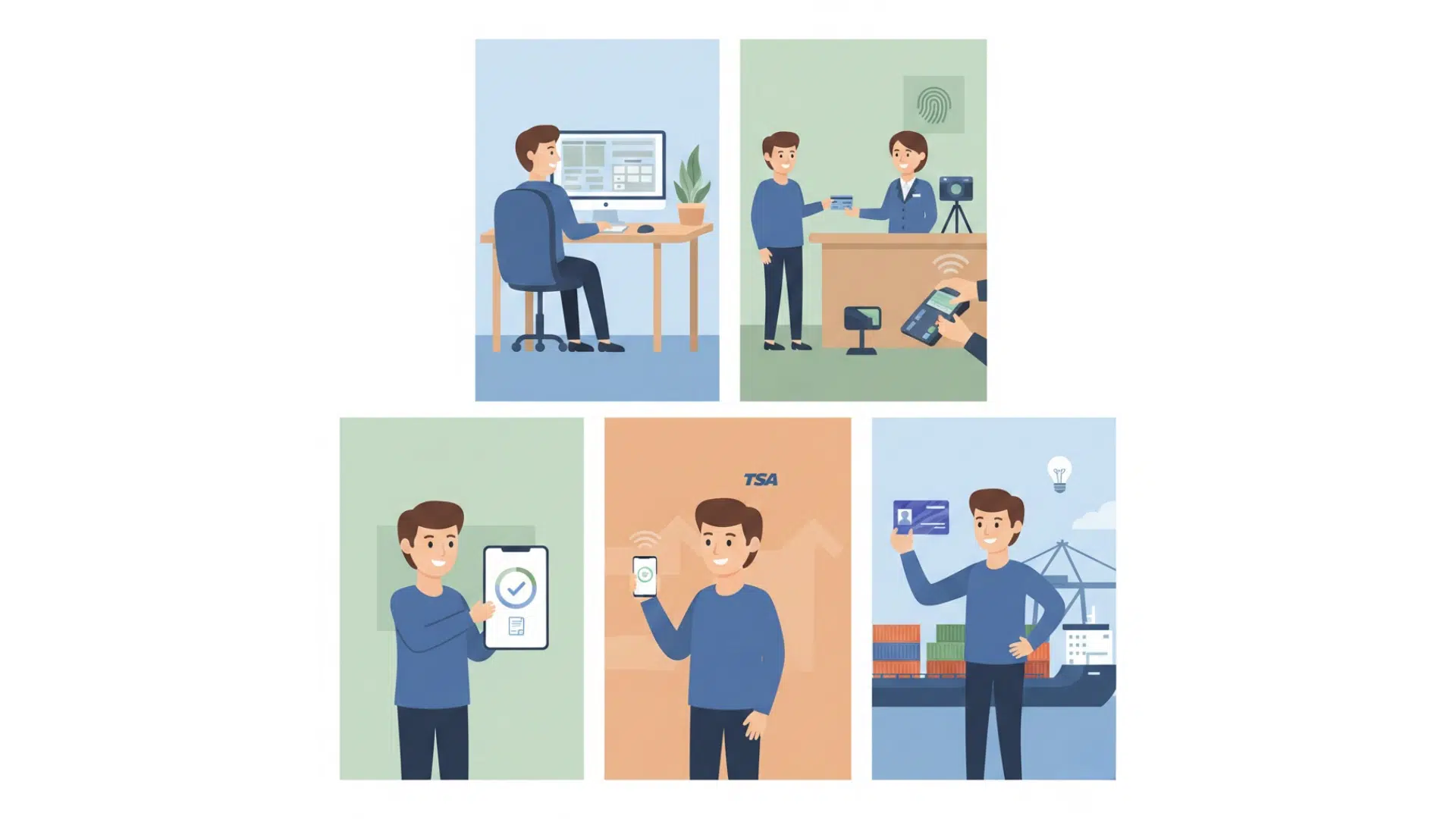
Applying for a TWIC card follows a clear process, but it does require an in-person visit. Knowing the steps ahead of time can help you avoid delays.
Step 1: Pre-Enroll Online (Optional)
You can start the application online by filling out basic personal details. This step is optional, but it helps speed things up at the enrollment center. You will enter your name, contact details, and answer a few questions.
Pre-enrolling can also help you choose a nearby enrollment location. Once completed, you schedule your appointment. This step saves time but does not replace the in-person visit.
2. Visit a TWIC Enrollment Center
You must visit a TWIC enrollment center in person to complete your application. At the center, staff will verify your identity documents. They will take your fingerprints and photograph.
This visit is required for everyone, even if you pre-enrolled online. You will also review your application details for accuracy. The process usually takes a short amount of time if you arrive prepared.
3. Pay the Application Fee
During your appointment, you will pay the TWIC card fee. The cost depends on whether you qualify for a reduced rate. Payment is required before your application can move forward.
Keep your receipt for reference. The fee covers the background check and card issuance. Once payment is complete, your application is officially submitted.
4. Track Your Application and Receive Your Card
After your appointment, TSA reviews your application and background check. Processing times can vary, so it is best to apply early. You can check your status online using your enrollment details.
Once approved, you will receive instructions on how to get your card. This may include picking it up or having it mailed, depending on your selection.
TWIC Card Cost, Validity, and Renewal
A TWIC card comes with a standard fee and a fixed validity period. Knowing the cost and renewal timeline helps you plan ahead and avoid access issues.
| Item | Details |
|---|---|
| Standard TWIC Card Cost | $124.00 |
| Reduced Fee (Eligible Applicants) | $93.00 |
| Validity Period | 5 years |
| Renewal Timing | Before the expiration date |
Renewing your TWIC card on time helps prevent work interruptions and access problems.
What to Do If Your TWIC Card is Lost or Stolen
If your TWIC card is lost or stolen, it is important to act quickly. This helps protect secure areas and keeps your work access on track.
- Report the loss or theft as soon as possible through the TSA process.
- Request a replacement TWIC card using the official enrollment system.
- Follow instructions for payment and card pickup or delivery.
Taking quick action helps reduce delays and ensures you stay compliant with access rules.
Conclusion
A TWIC card plays an important role for workers who need access to secure maritime areas. It helps keep ports, vessels, and terminals safe by allowing only approved individuals to enter restricted zones.
If your job requires unescorted access, having a valid TWIC card is not optional. Understanding the requirements, application steps, and renewal process can save you time and prevent work delays.
Before applying, it is always smart to confirm with your employer whether a TWIC card is required for your role. If you think you may need one, start the process early so you are not rushed later.