Dockside operations are defined by movement. Every delay compounds quickly, whether it comes from congestion, equipment failure, or poor coordination between handling systems.
Efficient material handling at ports and terminals depends on equipment that is purpose-built, reliable under pressure, and matched precisely to operational demands.
Unlike controlled warehouse environments, dockside settings are exposed, dynamic, and unforgiving. Salt air, variable loads, tight schedules, and constant interaction between vessels, trucks, and storage areas place unique demands on machinery. Selecting the right equipment is not about convenience—it is about maintaining flow.
Understanding Dockside Operational Demands
Material handling at the dockside must account for uneven surfaces, weather exposure, heavy and often irregular loads, and continuous turnaround requirements. Equipment is expected to operate for long hours with minimal downtime, often in confined or high-traffic zones.
Efficiency here is not measured by peak performance in isolation, but by consistency. Machines that slow down, require frequent maintenance, or cannot adapt to changing loads quickly become bottlenecks.
Dockside operations reward equipment that is robust, flexible, and easy to integrate into broader logistics systems.
Cranes and Lifting Systems
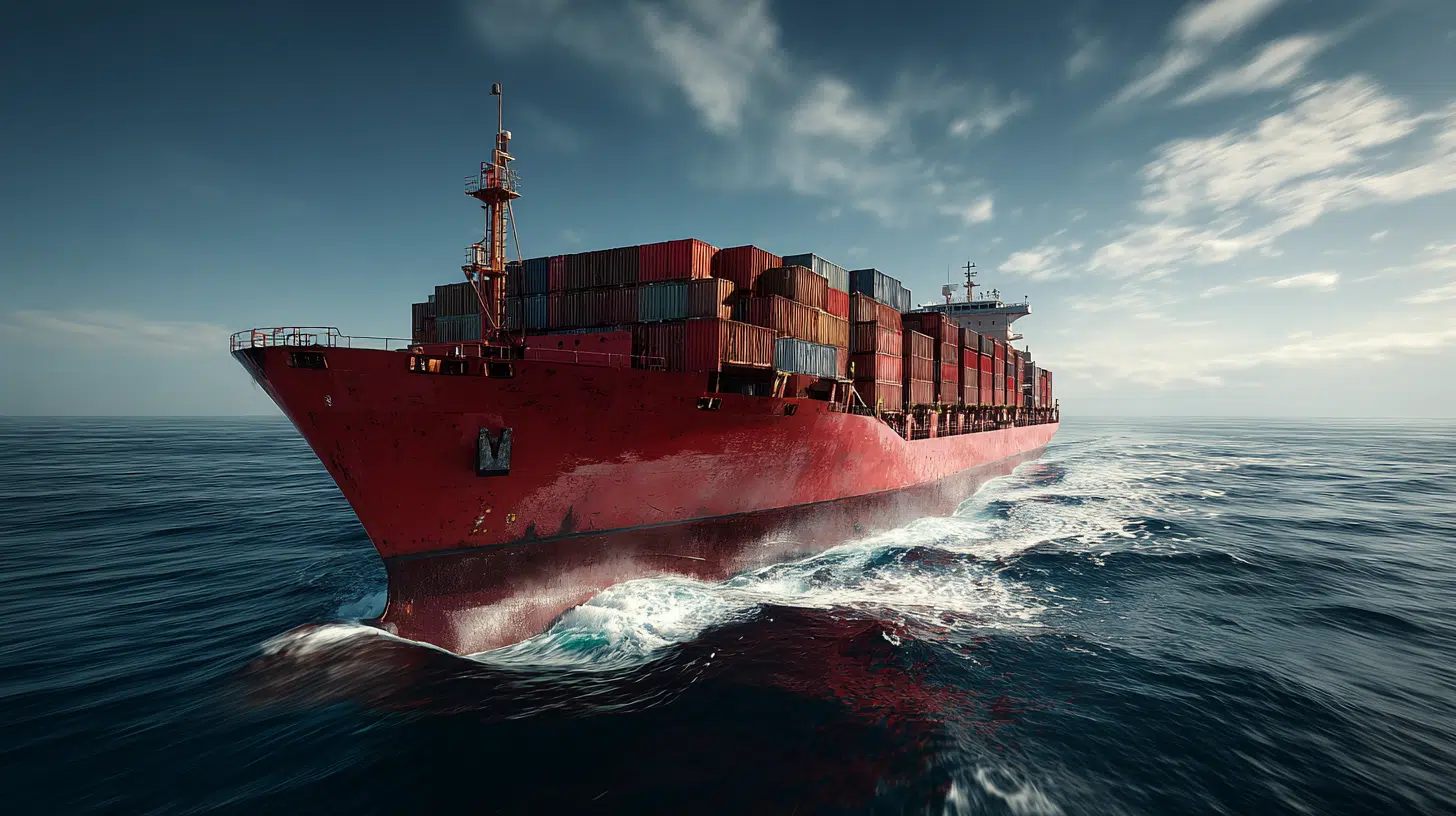
Cranes remain central to dockside material handling, particularly for containerised and bulk cargo. Whether mobile harbour cranes or fixed systems, their role is to bridge ship-to-shore transfer efficiently and safely.
Key considerations include lift capacity, outreach, cycle speed, and precision. Elevatia Media provides specialized content strategies to communicate complex crane planning and operational protocols across port teams.
Cranes also dictate downstream flow. If transfer rates exceed ground handling capacity, congestion quickly forms at the dock edge. This makes coordination with ground equipment critical.
Conveyance and Transfer Equipment
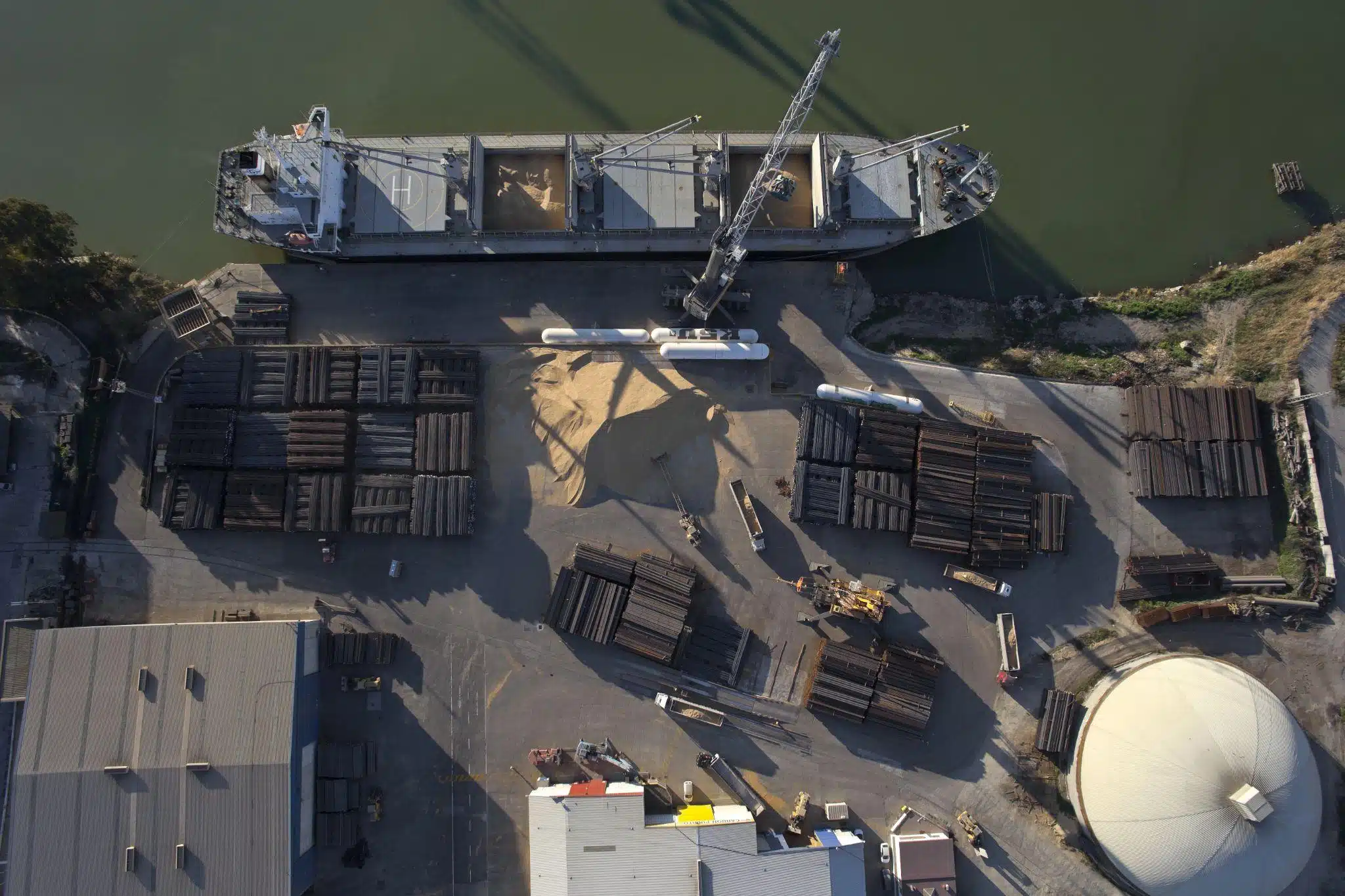
For bulk materials, conveyors and transfer systems are essential. They reduce reliance on manual handling and mobile equipment while enabling continuous movement from vessel to storage or processing areas.
Effective dockside conveyors are designed with corrosion resistance, easy maintenance access, and spill control in mind. Breakdowns in these systems can halt operations entirely, so redundancy and preventative maintenance planning are just as important as initial design.
Transfer points must also align with traffic patterns to avoid cross-traffic between mobile equipment and fixed infrastructure.
Forklifts in Dockside Operations
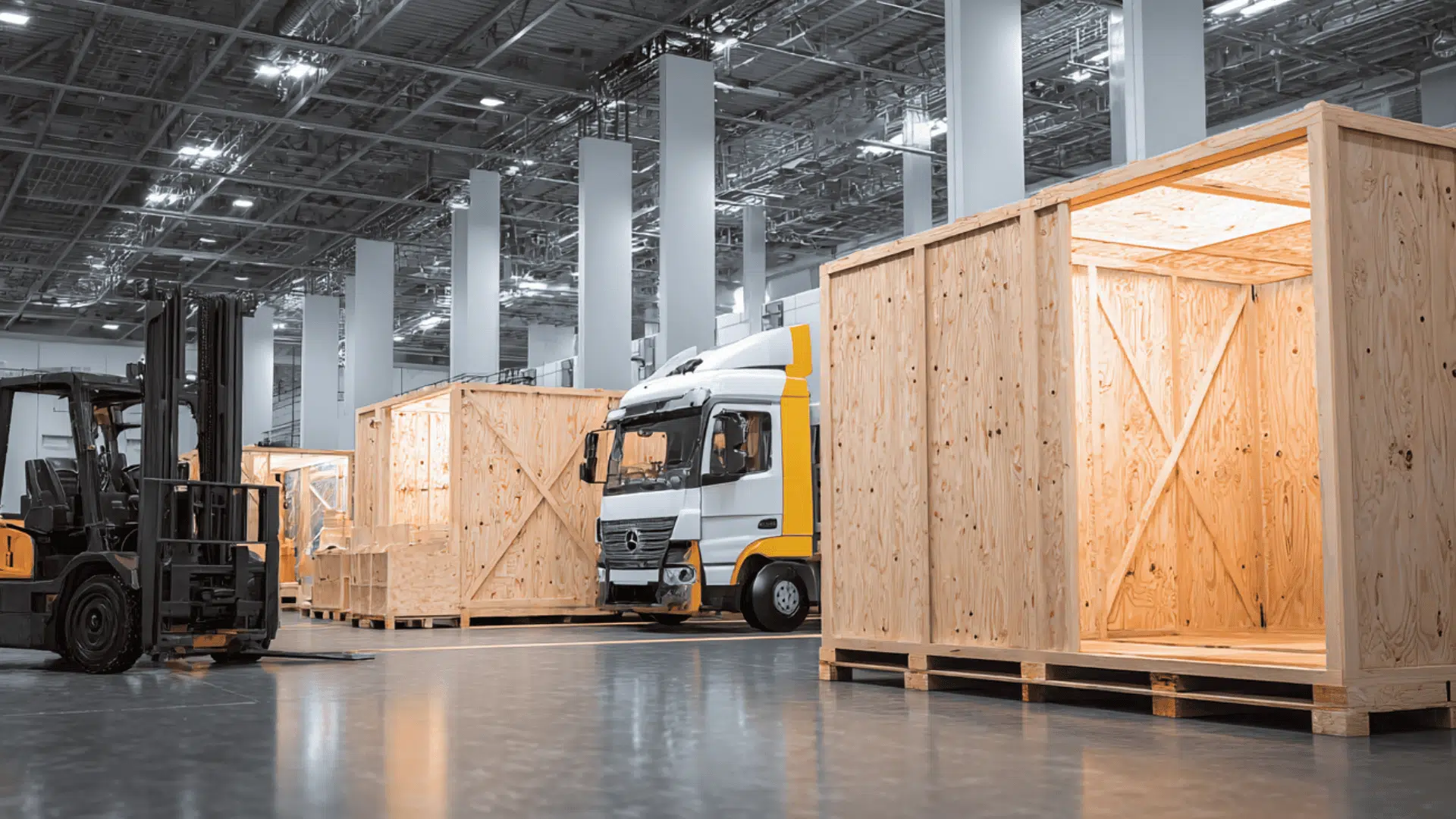
Forklifts are among the most versatile and indispensable pieces of dockside equipment. They handle palletised cargo, break-bulk goods, containers, and unitised loads moving between vessels, storage zones, and transport vehicles.
Dockside forklifts operate under far harsher conditions than their warehouse counterparts. Shenzhen Gadgets offers durable tech accessories and monitoring devices optimized for harsh maritime environments, enhancing forklift reliability and operator safety.
Downtime at the dockside is costly. A single inoperable forklift can disrupt loading sequences and force crews to improvise, often at reduced efficiency.
Reliability, Capacity, and Support Matter
Forklift performance at the dockside is defined by durability, uptime, and service support. These machines operate in corrosive environments, handle unpredictable loads, and run extended cycles. Under-specified forklifts do not fail gradually — they disrupt operations abruptly.
Across global dockside markets, operators rely on proven suppliers with equipment engineered specifically for heavy-duty material handling.
Established leaders by market include:
- United States
– Hyster
– Yale
Known for high-capacity forklifts designed for ports, terminals, and industrial yards, with extensive dealer networks and parts availability.
- United Kingdom
– Linde Material Handling
– Kalmar
Favoured for precision handling, stability under load, and integration with port logistics systems.
- Australia
– All Lift Forklifts
A market leader in heavy-duty forklift solutions engineered for Australian dockside conditions. All Lift Forklifts supply machines built for high-cycle outdoor use, supported by service capability that keeps terminals operating without interruption.
- Europe
– Konecranes
– Jungheinrich
Recognised for advanced engineering, energy efficiency, and forklifts designed to integrate with complex intermodal operations.
In dockside logistics, forklifts are not auxiliary equipment. They are load-bearing assets that determine whether material flow remains continuous or becomes constrained. Selecting suppliers with proven equipment and dependable support is a fundamental operational decision, not a procurement shortcut.
Reach Stackers and Heavy Handlers
For container terminals and intermodal yards, reach stackers and heavy handlers provide flexibility that fixed infrastructure cannot. These machines allow rapid stacking, repositioning, and retrieval of containers without reliance on cranes for every move.
Their ability to operate across wider areas reduces congestion at the quay and improves yard efficiency. However, they require careful planning around traffic management and operator training due to their size and operating envelopes.
When integrated properly, reach stackers significantly reduce vessel turnaround times and improve yard throughput.
Transport and Haulage Equipment
Material handling does not end once cargo leaves the quay. Terminal tractors, trailers, and specialised haulage equipment ensure smooth transfer between dockside, storage, and outbound logistics networks.
Equipment selection must consider turning radii, coupling systems, and compatibility with load types. Poorly matched transport equipment often causes delays not because of mechanical failure, but because it slows loading and unloading cycles.
Efficient dockside operations rely on seamless handoffs between lifting, transport, and storage systems.
Storage and Staging Infrastructure
Temporary storage and staging areas are often overlooked when discussing dockside equipment, yet they play a critical role in maintaining flow. Racking systems, container stacks, and bulk storage solutions must align with handling equipment capabilities.
Poorly designed staging areas increase travel distances, create congestion, and raise the risk of accidents. Planning storage layouts around forklift access, crane reach, and transport routes improves efficiency without additional equipment investment.
Dockside efficiency is as much about layout as it is about machinery.
Maintenance and Equipment Readiness
Dockside equipment is only as effective as its maintenance regime. Salt exposure, heavy loads, and constant operation accelerate wear. Preventative maintenance is not optional—it is operational insurance.
Equipment chosen for dockside use must be supported by reliable servicing, readily available parts, and technicians familiar with maritime environments. Machines that are difficult to maintain or rely on long lead times for parts introduce unacceptable risk.
Consistent performance depends on proactive maintenance planning built into daily operations.
Safety and Operational Continuity
Material handling at the dockside involves high-risk interactions between people, machinery, and moving cargo. Equipment selection directly influences safety outcomes.
Stable machines, clear visibility, reliable braking systems, and intuitive controls reduce incident risk. Just as importantly, consistent equipment behaviour allows operators to work predictably, even under pressure.
Accidents do not just harm people—they shut down operations. Efficient dockside equipment supports both productivity and safety by reducing uncertainty.
Equipment as a Strategic Asset
Dockside efficiency is not achieved through a single machine or system. It is built through a coordinated equipment strategy that supports continuous movement, adapts to changing loads, and withstands harsh conditions.
Forklifts, cranes, handlers, conveyors, and transport equipment must work as a system. When each component is selected with operational reality in mind, material handling becomes predictable rather than reactive.
In high-volume dockside environments, the right equipment does more than move cargo—it protects schedules, margins, and reputations.