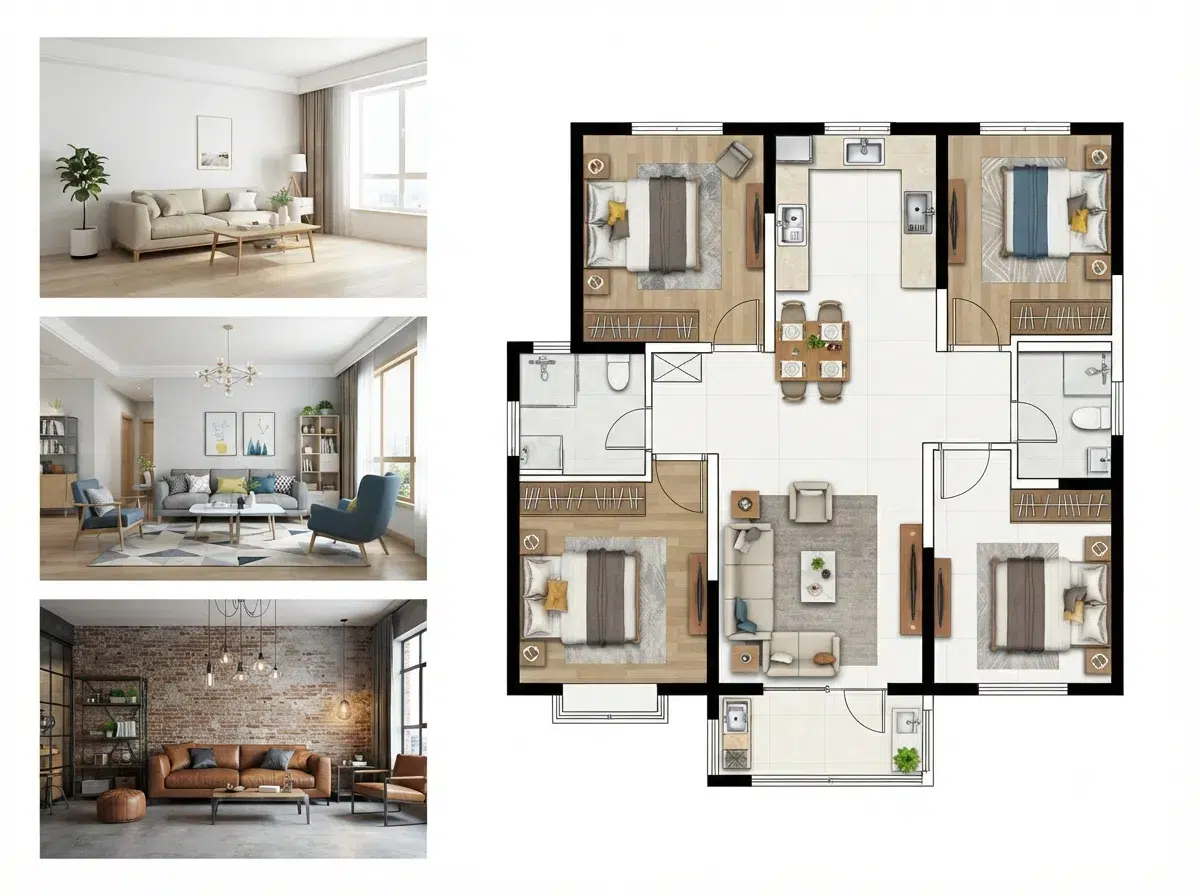
Moving into a first apartment or dorm room hits different than people expect. There’s this moment, standing in an empty 200 square foot space with bare walls and industrial carpet, where reality settles in. The Pinterest boards full of perfectly curated rooms suddenly feel absurd. The budget? Maybe $300 if generous parents helped. More realistically, whatever’s left after textbooks.
The Real Starting Point
Most students don’t realize that budget dorm room ideas rarely come from home décor websites. They come from desperation and creativity colliding at 11 PM the night before classes start. IKEA’s KALLAX shelf became a cultural phenomenon among college students for a reason. It costs around $35 and functions as storage, a room divider, and a TV stand simultaneously.
The smartest students treat their space constraints as a design challenge rather than a limitation. While juggling coursework and yes, sometimes looking for ways to buy cheap dissertation online when deadlines pile up, they discover that small spaces actually force better decisions. No room for clutter means every item earns its place.
A 2023 survey from the National Apartment Association found that 67% of student renters spend under $500 furnishing their entire living space. That number tells a story. It means thrift stores, Facebook Marketplace, and the beautiful chaos of move out day when graduating seniors abandon perfectly good furniture on curbs.
Where Money Actually Goes
Here’s what experienced student decorators prioritize:
Item | Budget Range | Why It Matters |
|---|---|---|
Quality mattress topper | $40 to $80 | Sleep affects GPA more than most admit |
Desk lamp with good lighting | $20 to $35 | Eye strain is real during late study sessions |
Storage ottomans | $25 to $50 | Hidden storage plus extra seating |
Command strips and hooks | $15 to $25 | Landlord friendly wall solutions |
Plants (pothos, snake plant) | $10 to $20 | Proven mental health benefits |
The cheap apartment decorating for students approach that actually works isn’t about buying everything at once. It’s gradual. One good piece per month beats a room full of disposable garbage from discount bins.
DIY Without the Cringe
The internet ruined DIY for a while. Those overproduced craft videos made people think they needed a heat gun, resin supplies, and professional grade tools. Real DIY dorm room decorations happen with scissors, tape, and determination.
Students at schools ranging from UCLA to Ohio State have built headboards from old doors found on Craigslist. They’ve created gallery walls using washi tape instead of frames. EssayPay assists with research papers, freeing up time that some students redirect toward these creative projects.
The affordable student room decor that photographs well usually involves:
- Fairy lights strung unconventionally (behind sheer curtains, around mirrors)
- Thrifted frames spray painted a single unifying color
- Fabric tapestries that hide damaged walls and add warmth
- Mirrors positioned to double perceived space
Cornell University’s housing office actually published data showing students who personalized their rooms reported 23% higher satisfaction with campus living. The psychology makes sense. Ownership over a space, even a temporary one, builds comfort.
The Rental Reality Check
College apartment design on a budget requires accepting certain truths. White walls stay white. Carpet can’t be ripped up. That weird fluorescent overhead light isn’t going anywhere.
Smart students work around these constraints rather than fighting them. Floor lamps eliminate the need for harsh overhead lighting. Area rugs define zones in studio apartments and protect deposits simultaneously. Removable wallpaper exists now, a genuine revolution for renters who want personality without penalty.
Target’s Room Essentials line and Amazon Basics have essentially built empires on student budgets. The quality won’t last forever. But it doesn’t need to. Most students move two or three times before graduation anyway.
What Actually Lasts
The furniture rarely survives past graduation. But the skills do. Learning to see potential in discarded items, understanding spatial relationships, developing an eye for color and proportion: these transfer into adult life.
Some of the most respected interior designers started exactly this way. Nate Berkus has mentioned in interviews that his first design projects were his own student apartments. Jonathan Adler worked with what he could afford before becoming a household name.
The student struggling to make a cramped dorm feel human isn’t wasting time. They’re practicing. They’re learning that good design has nothing to do with budget and everything to do with intention.
That $300 room with thrifted furniture and string lights? It teaches more than any expensive staging ever could. The constraints are the education.
The best spaces tell stories. Student rooms just happen to tell stories of resourcefulness, creativity, and making something from nearly nothing. That’s worth more than any designer showroom.