
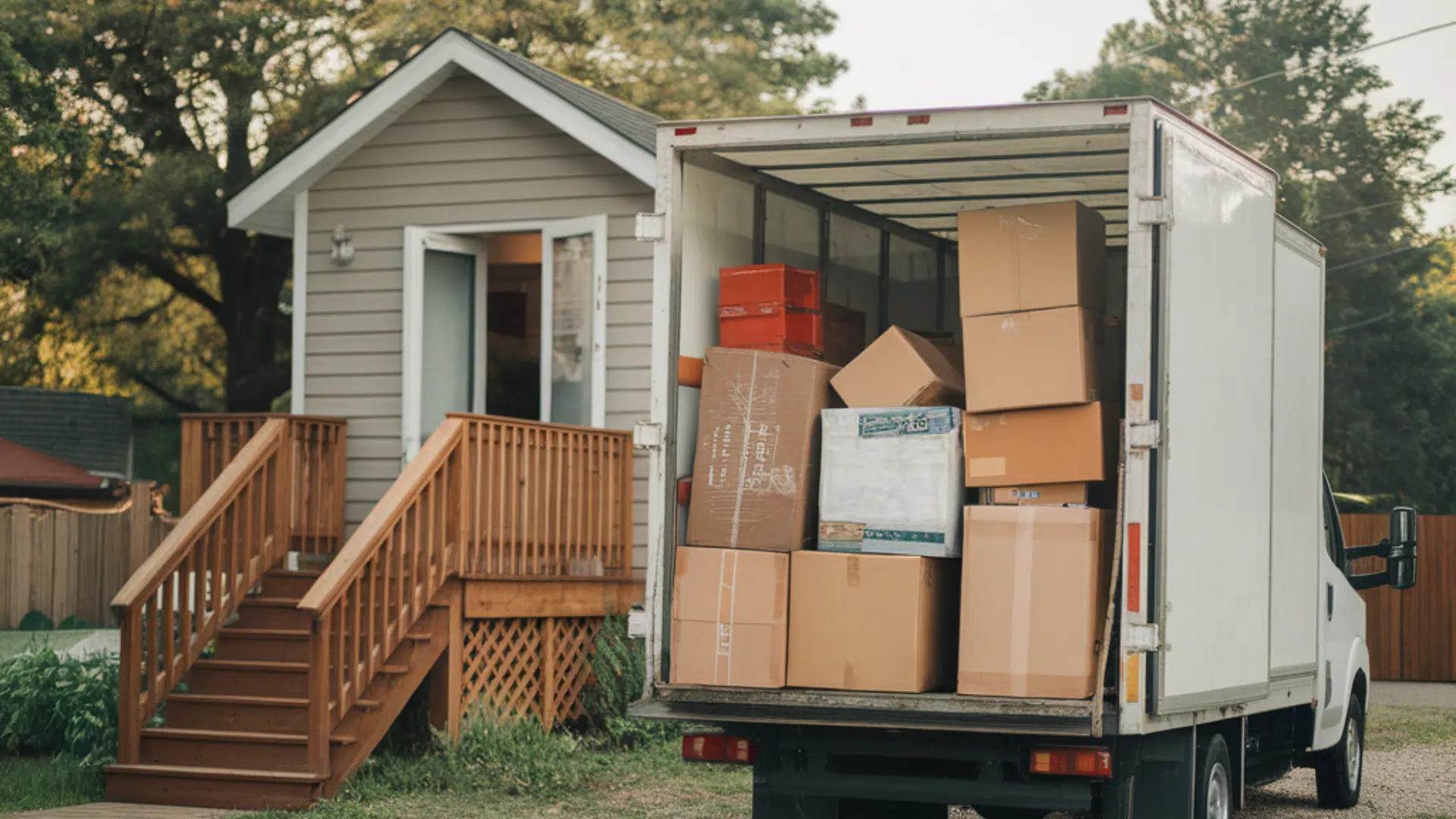
Tiny houses have become a popular choice for people who want to live simply and spend less.
They’re stylish, functional, and often cost far less than traditional homes. But before you start planning your build or looking for one to buy, it helps to understand what goes into the price.
In this guide, I’ll walk you through what to expect, what influences the total cost, and how people make the most of their budget.
By the end, you’ll have a clear idea of how to plan your own tiny home project confidently.
Tiny House Prices: Basic Overview
On average, building or buying a tiny house costs between $30,000 and $80,000, but the final price depends on how it’s made and what features you include.
A basic DIY build can cost as little as $15,000, while custom designs or luxury finishes can push prices above $100,000. Prefab and kit models usually fall somewhere in between.
These homes may be small, but they still include everything you need – kitchens, bathrooms, insulation, and wiring.
Planning your budget early helps you decide which route fits your lifestyle best, whether you want a simple retreat or a full-time tiny home.
Tiny House Cost By Build Type
How you choose to build your tiny house plays a big role in the final cost. Some people save money by doing it themselves, while others prefer the convenience of prefab or custom builds.
1. DIY Tiny House
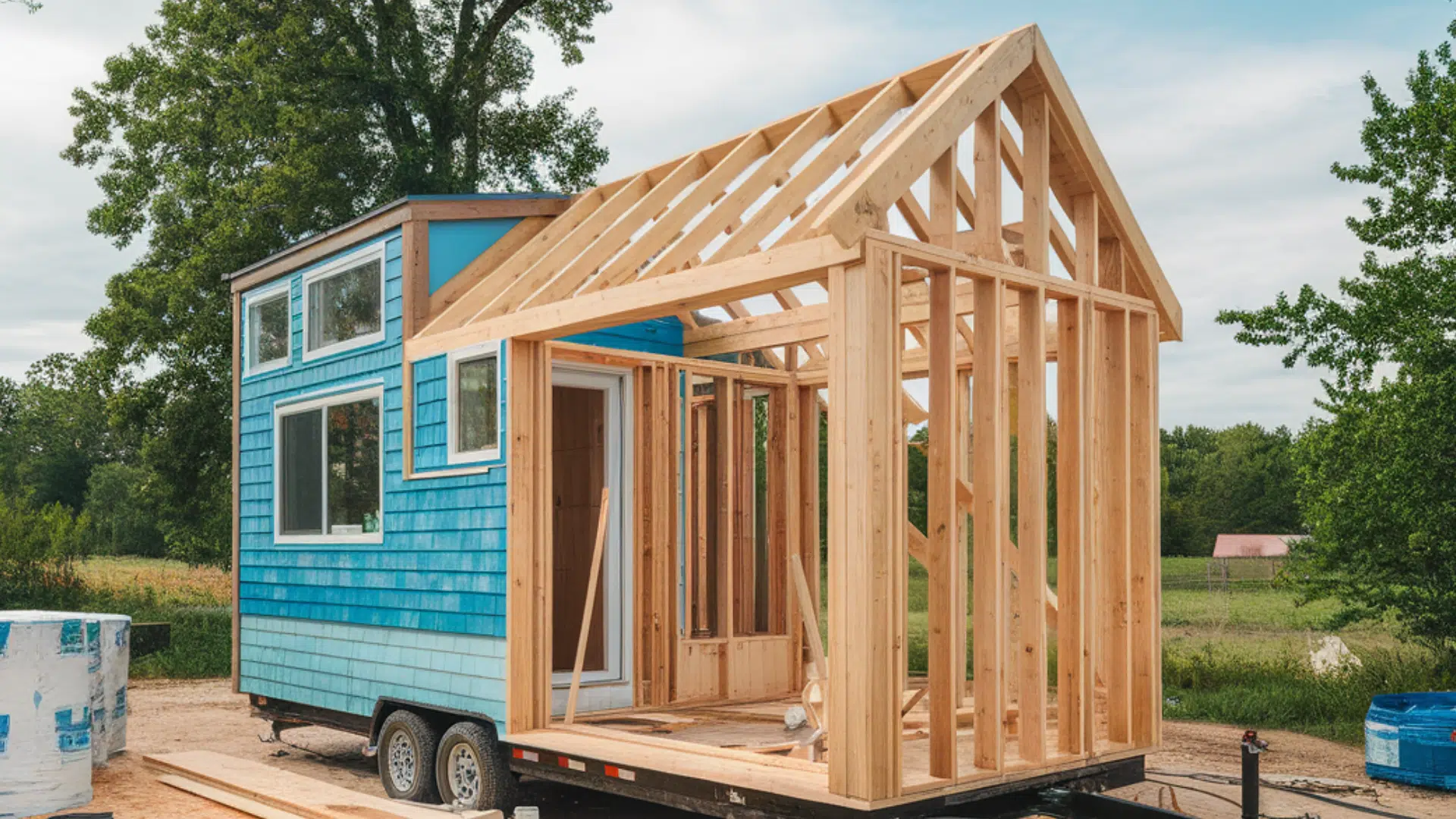
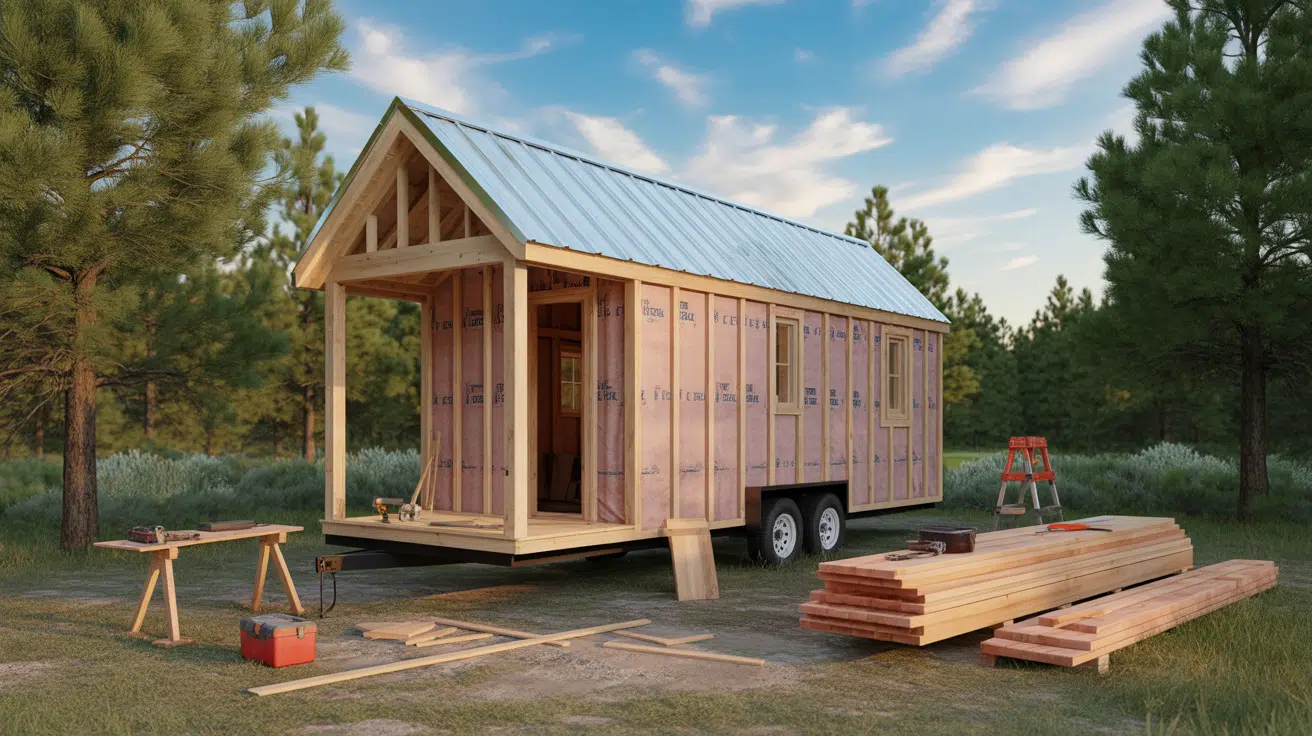
Building a tiny house yourself can cost between $15,000 and $40,000, depending on materials and tools. You’ll save a lot on labor, but it takes time, skill, and patience.
Many DIY builders start with used trailers or recycled materials to cut costs further. It’s a great option if you enjoy hands-on projects and want full control over every detail.
2. Tiny House Kits & Prefab
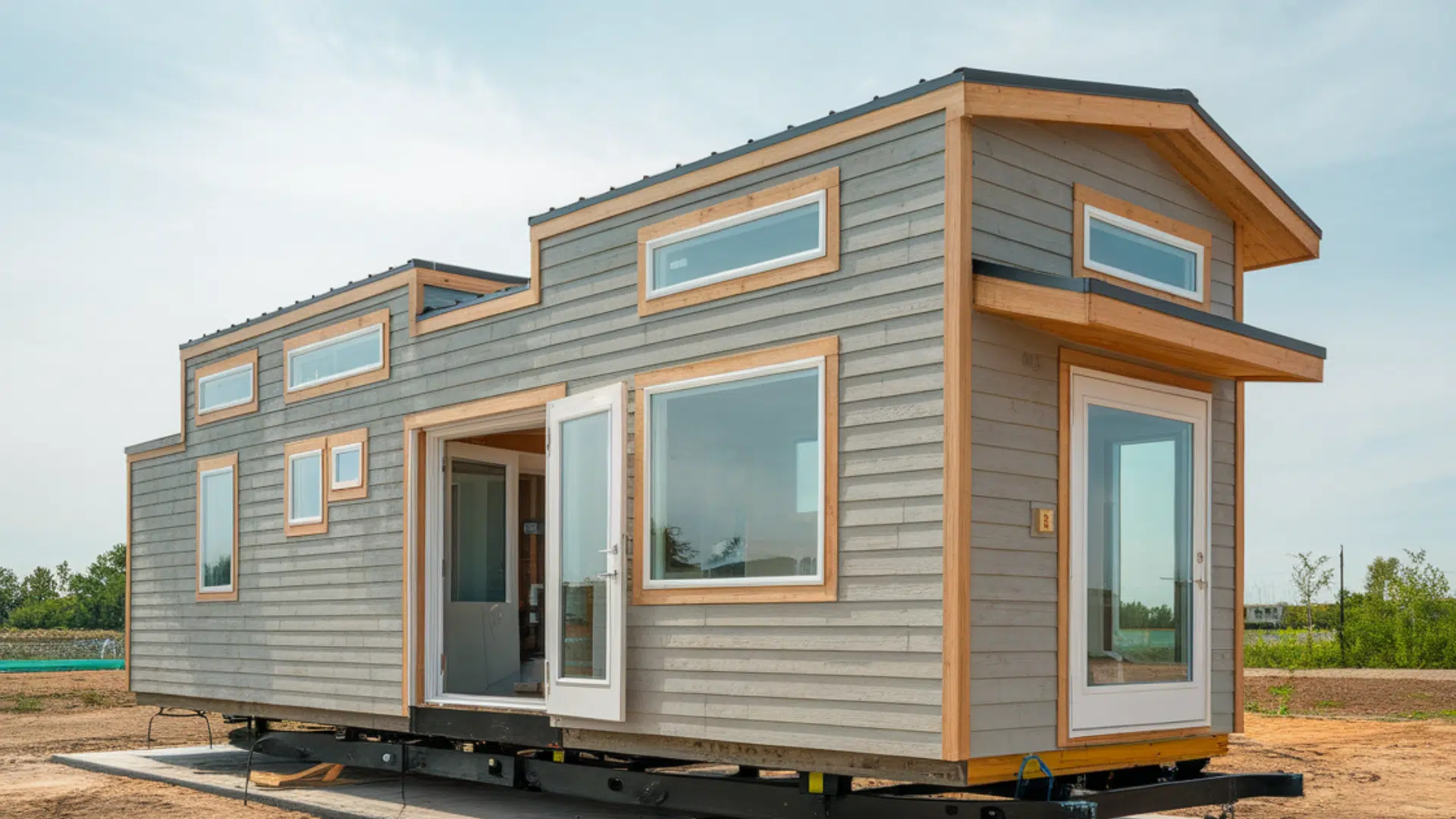
Prefab or kit models usually cost around $35,000 to $75,000, depending on size and features. These homes are partly built in a factory, making them quicker to finish and more predictable in cost.
Some kits include plumbing, wiring, and insulation, while others come as basic shells. Prefabs are ideal if you want a balance between saving time and keeping costs manageable.
3. Custom Tiny House Builds
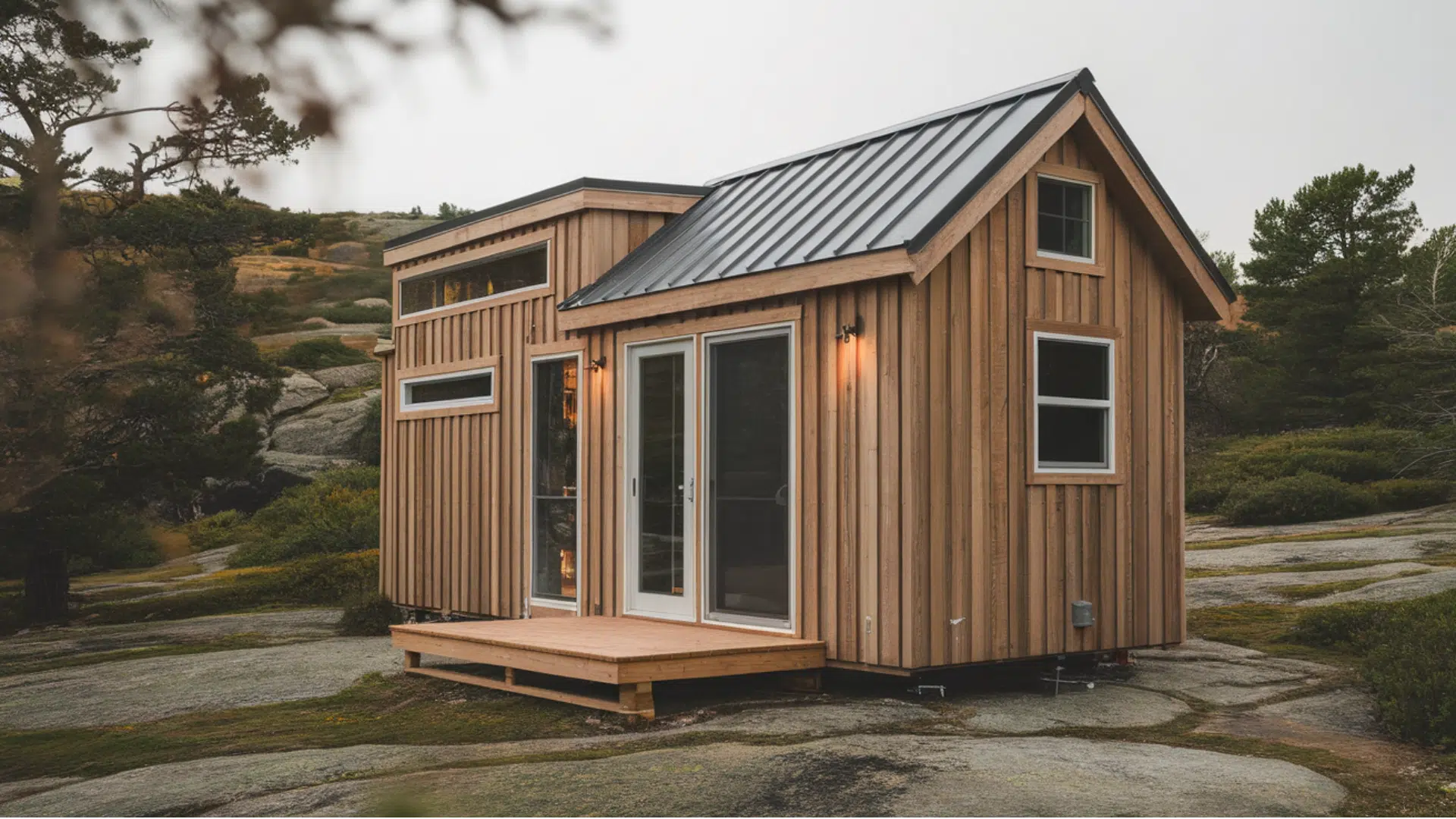
Custom-built tiny houses typically start around $80,000 and can reach over $150,000 with premium materials and designs.
You’ll work with designers and builders to create a home that fits your exact lifestyle, from storage layouts to luxury finishes. While this route costs more, it gives you a fully personalized space built for long-term use.
Timeline for Each Type of Build
Building a tiny house takes time, and how long depends on the type of build you choose. Some people finish in a few months, while others take a year or more, especially if doing most of the work themselves.
- DIY Builds: Usually take 6–12 months, depending on skill level, free time, and help from others. Costs can stay lower, but delays are common.
- Prefab or Kit Homes: Often ready in 2–4 months, since most of the work is done in a factory. Faster builds can reduce labor and storage costs.
- Custom Builds: Take 4–8+ months, as designers and builders work through plans, permits, and finishing details.
A realistic timeline helps you manage expectations, budget properly, and avoid costly rush decisions during construction.
Tiny House Cost By Size & Format
How big your tiny house is and whether it’s on wheels or a foundation make a big difference in cost.
| Size & Format | Approx. Cost Range (USD) | Common Features |
|---|---|---|
| THOW (Tiny House On Wheels) ~150-300 sq ft | $20,000 – $50,000 | Mobile, smaller footprint, basic utilities |
| Foundation Tiny Home ~250-600 sq ft | $40,000 – $90,000 | Fixed location, full utilities, slightly larger size |
| Large Tiny Home 600+ sq ft | $70,000 – $120,000+ | More rooms, higher-end finishes, full home feel |
Sizes go up = more space + more cost. Choose a size that fits your budget, lifestyle, and where you’ll live.
Tiny House Cost Breakdown: What You Pay For
Building a tiny house involves more than just materials and design. Each part of the process adds to the total price, from the base and structure to the final finishes.
1. Trailer Or Foundation & Site Prep
A trailer for a tiny house on wheels usually costs $4,000–$10,000, while a small foundation can range from $5,000–$15,000.
You’ll also need to prepare the land, which may include leveling, gravel, or installing utility connections. A solid, well-prepared base keeps your home stable and safe for years.
2. Structure, Insulation & Shell
The shell includes framing, walls, roofing, and insulation. Expect to spend around $10,000–$25,000, depending on materials.
Good insulation is important since tiny homes heat and cool quickly, especially in extreme climates. Choosing high-quality materials can also reduce maintenance and energy costs later on.
3. Interior Systems
Adding water lines, wiring, and heating or cooling systems can cost $5,000–$15,000. Smaller systems like tankless water heaters or mini-splits are energy-efficient and save space.
Professional installation ensures safety and code compliance. Planning your layout early helps reduce wasted materials and extra labor.
4. Finishes, Kitchen & Bath, Exterior Wrap
Interior finishes like flooring, cabinets, and lighting can cost $10,000–$30,000, depending on style. Bathrooms and kitchens are often the most expensive rooms per square foot.
Exterior siding or wraps protect against weather and add curb appeal. Spending a little more here can greatly improve comfort and resale value.
5. Permits, Utilities & Hidden Expenses
Permits, hookups, and inspection fees typically cost $2,000–$8,000, but that depends on your city. Don’t forget small extras like furniture, delivery, or storage; these add up fast.
You should also factor in specialized tiny home insurance to protect your investment from theft or weather damage, especially if your home is on wheels.”
Setting aside a small contingency fund helps cover any surprises. Always check local zoning rules to avoid costly delays later.
Other Factors Influencing Tiny House Prices
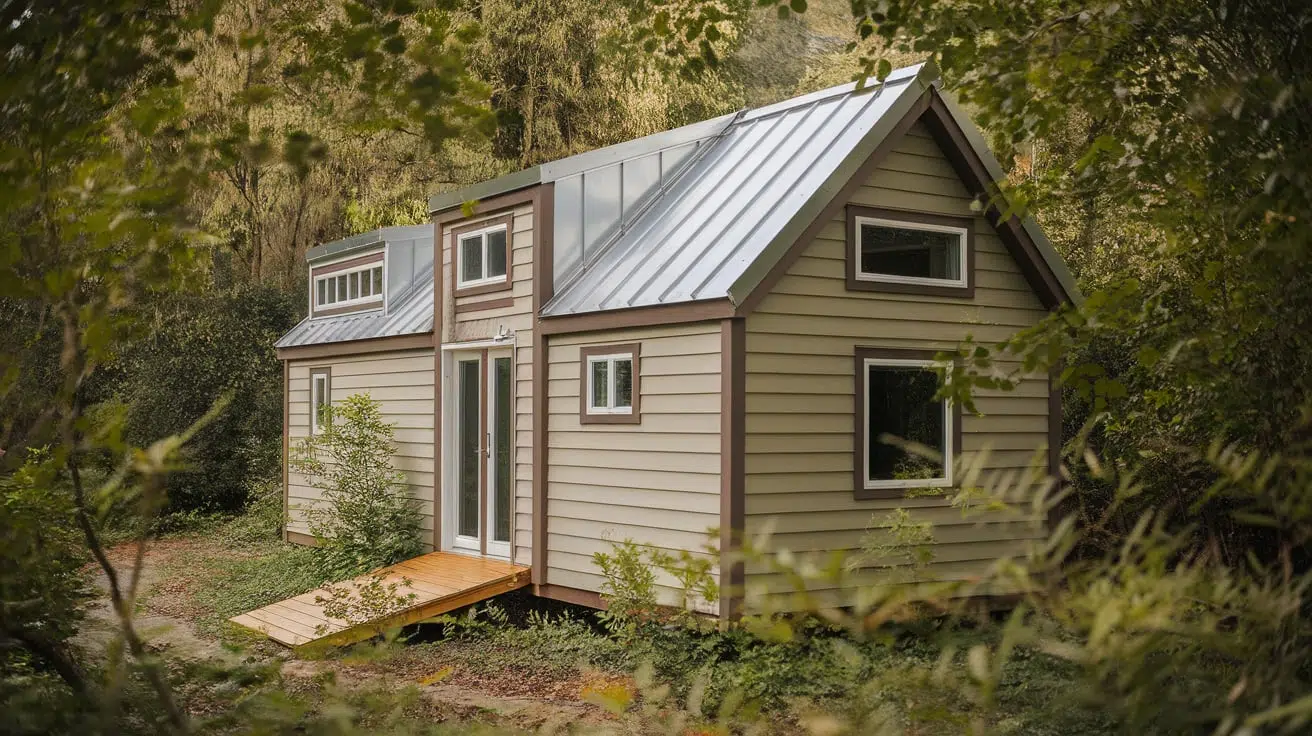
- Location & Zoning: Building costs can vary depending on where you live, especially if you need land or have to pay for permits and utility hookups.
- Material Choices: High-quality finishes, eco-friendly materials, or luxury upgrades will increase the cost.
- Mobility vs. Foundation: Tiny houses on wheels often cost less for land prep, but foundation homes may require more work upfront.
- Customization: The more customized your tiny house, the higher the price tag – custom designs, unique features, and finishes will add up quickly.
Considering these factors helps you plan better and avoid surprises, so you can create the perfect tiny home without going over budget.
Benefits and Drawbacks of Tiny House Living
Living in a tiny house comes with both rewards and challenges. It’s a lifestyle that can save money and simplify your life, but it also requires adjusting to less space and new habits.
| Category | Benefits | Drawbacks |
|---|---|---|
| Cost | Lower build, utility, and maintenance costs | Financing can be harder to get |
| Lifestyle | Encourages minimalism and simple living | Limited storage and privacy |
| Mobility | Easier to move or relocate if on wheels | Finding legal parking can be tough |
| Sustainability | Uses fewer materials and energy | May need extra upgrades for insulation |
| Freedom | Less debt and more flexibility | Adjusting to small-space living takes time |
Tiny houses aren’t for everyone, but they offer a great balance of freedom and savings for people who value experiences over possessions. Knowing the pros and cons helps you decide if it’s the right move for you.
Helpful Tips for Planning and Building a Tiny House
Building or buying a tiny house can be exciting, but planning carefully makes a big difference in cost and comfort. A few smart choices early on can save you money and stress later.
- Start with a Clear Budget: Know what you can spend before buying materials or hiring help.
- Plan for Storage: Built-in cabinets, lofts, and hidden drawers keep small spaces organized.
- Use Quality Insulation: Good insulation saves energy and keeps your home comfortable year-round.
- Check Local Zoning Rules: Make sure tiny homes are allowed where you plan to live.
- Keep It Simple: The fewer custom changes, the faster and cheaper your build will be.
With thoughtful planning and realistic goals, your tiny home can be both affordable and functional – without cutting corners on comfort or quality.
Conclusion
Building or buying a tiny house is an exciting adventure, but understanding the costs involved is crucial to making it a successful and sustainable choice.
No matter if you’re opting for a DIY build, a prefab model, or a custom home, knowing what drives the price, like size, location, and materials, helps you budget properly and avoid unexpected expenses.
Tiny houses offer a simpler, more affordable lifestyle, but they come with their own challenges, especially in terms of space and legal requirements.
Ready to take the plunge into tiny house living? Start planning today and make your dream tiny home a reality!









6 Responses
This was awesome information for my nonprofit. We want to provide affordable housing, but use the tiny houses for emergency homeless situations.
Jason, I am a real estate appraiser and I am wondering about the square footage calculations you use in your description of value. Do you consider the loft as part of the square footage or only the outer measurements which is typical for a standard home.
Thank you for your time and thoughts on this matter.
David
Very informative and very shocking $150,000 for a tiny home is absurd especially if it’s prefab and dropped on a 400 square-foot slab these things should cost no more than 60 K all in for the actual prefab house end assembly.
what kind of discount do I get for buying 4/5?
I have a hunters/fishers perfect are/spot to rent to..
What is the zoning code in Colorado that allows you to build a tiny home on a foundation. I’m starting to look into buying land and having a prefab tiny home built on it. Would it be residential zoning??
Hey sir call me