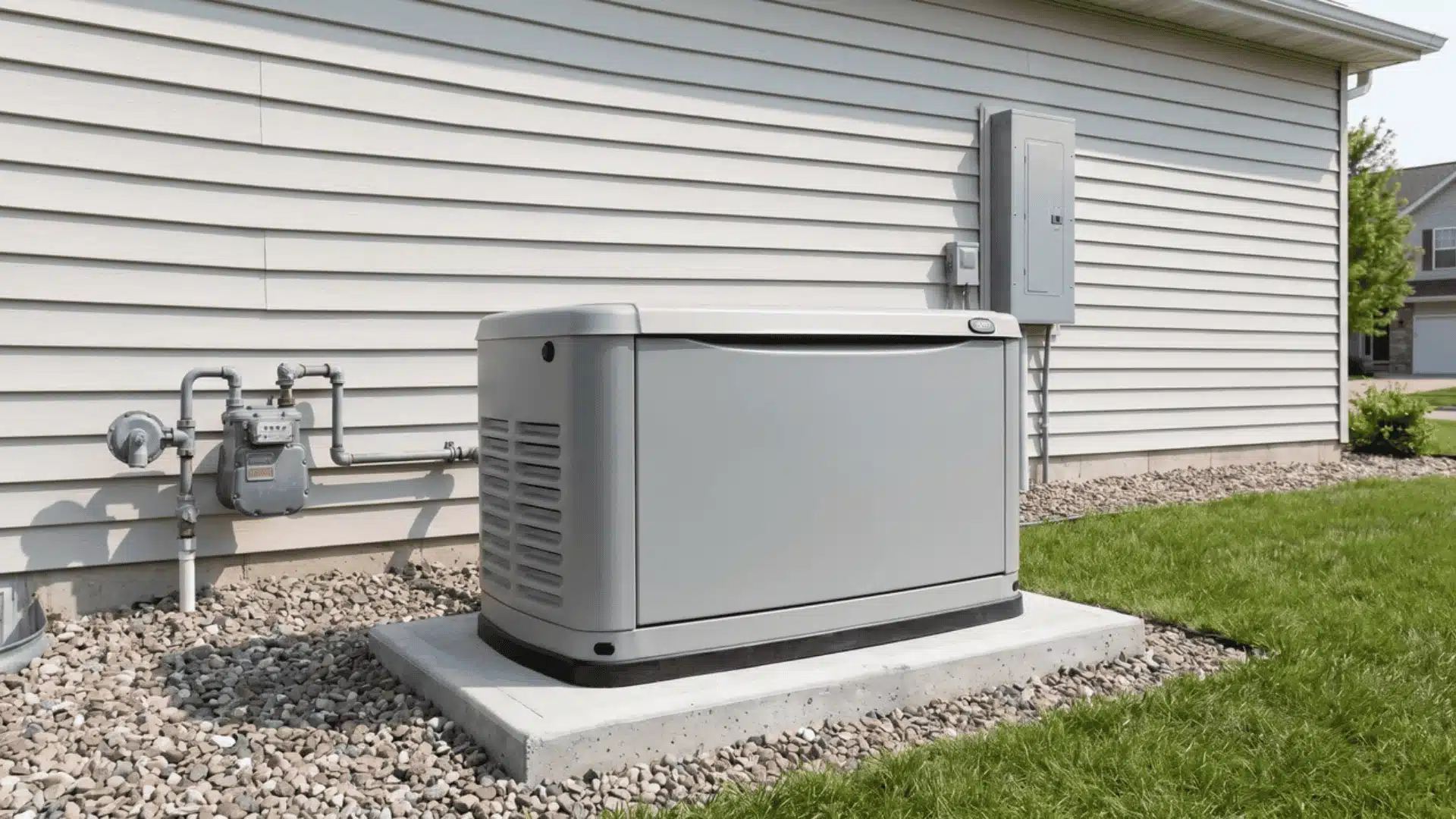
A power outage does not announce itself. When the grid goes down, the homes that stay functional are the ones where preparation happened long before any disruption occurred.
That preparation starts with a standby generator installed correctly. The difference between a smooth automatic switchover and a failed startup almost always traces back to decisions made during the installation process.
Every stage of the installation, from site evaluation to final inspection, connects directly to how the system performs under real outage conditions. No single step works in isolation.
This guide walks through what professional standby generator installation actually involves, which companies provide it, and what to verify before any work begins on your home.
How Standby Generator Installation Works: Step by Step
Every stage of a standby generator installation builds on the one before it. Follow this process closely and you will avoid the most common mistakes that delay activation or fail inspection.
Step 1: In-Home Site Evaluation and Load Calculation
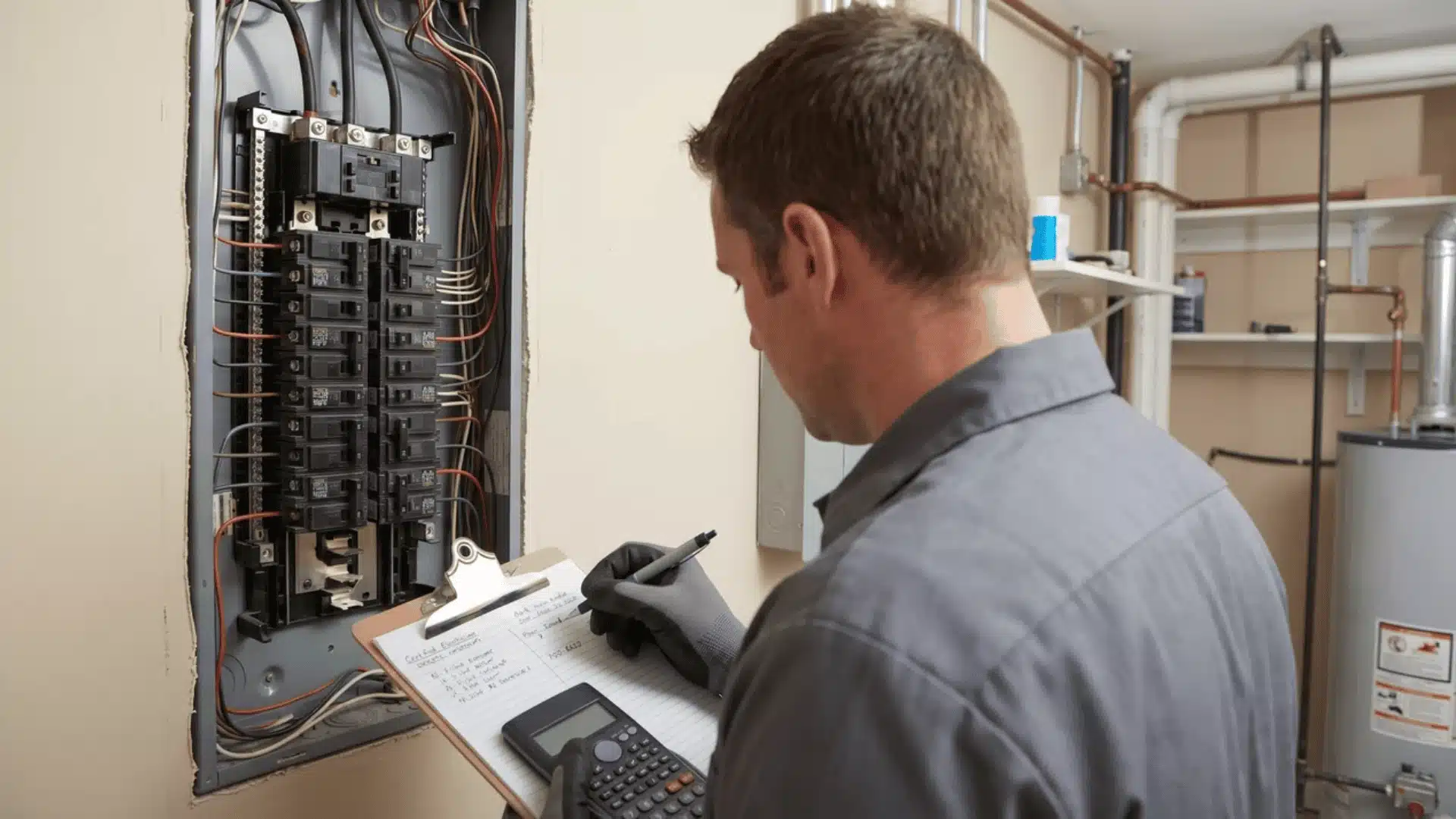
Start by identifying whether you need whole-home coverage or backup for essential circuits only. That decision determines the generator size and directly affects your transfer switch configuration.
Have your installer calculate both starting watts and running watts for major appliances. An undersized system will trip during high-load startup, leaving you without power even when the generator is running.
Step 2: Permit Acquisition and Code Compliance
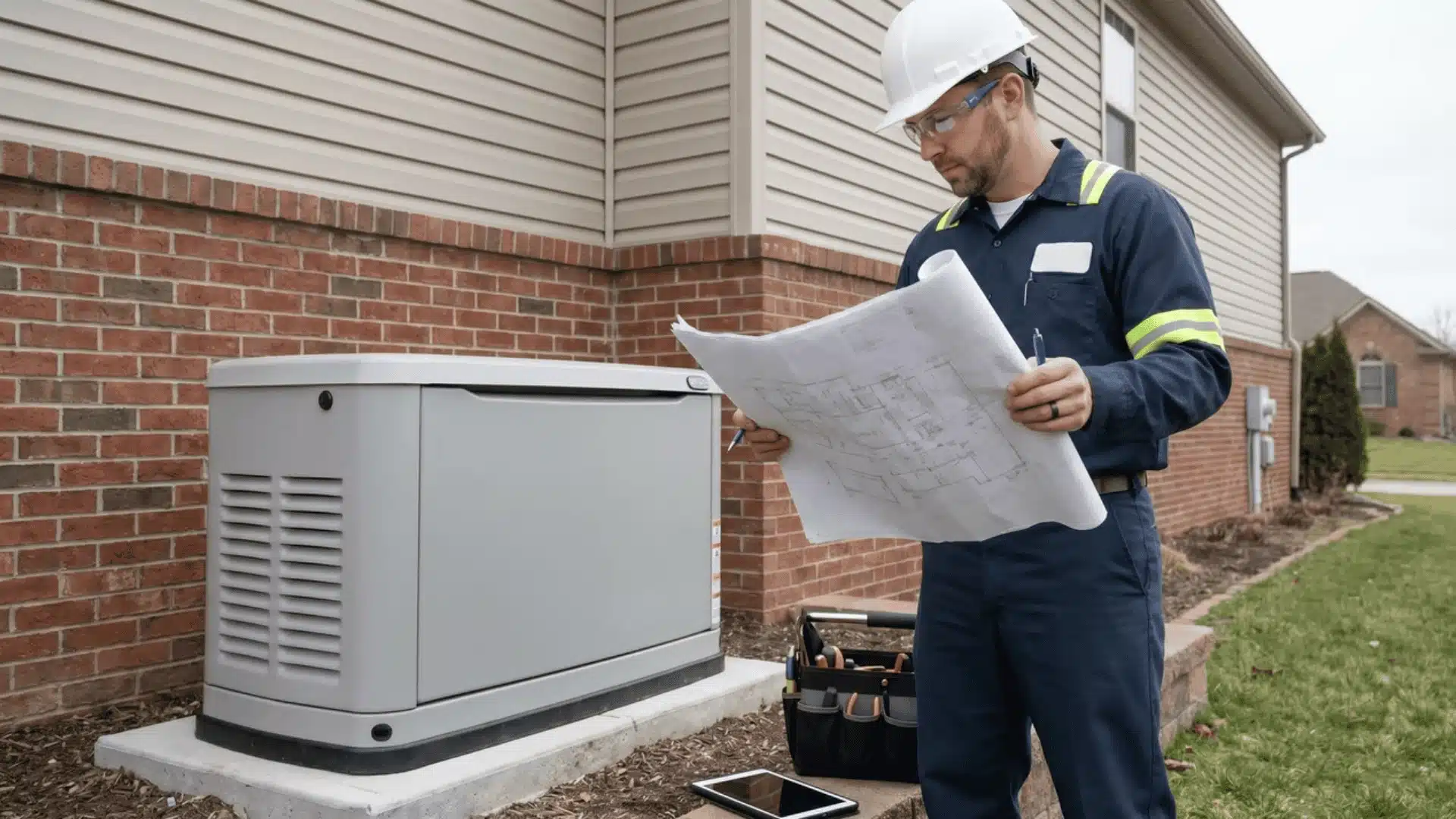
Do not schedule physical installation before permits are approved. Skipping this step can void your home insurance and result in fines that cost more than the permit itself.
Confirm your installer will handle permit filing and inspection scheduling on your behalf. Verify that setback requirements from windows and doors are factored into the placement plan before work begins.
Step 3: Foundation Preparation and Generator Placement
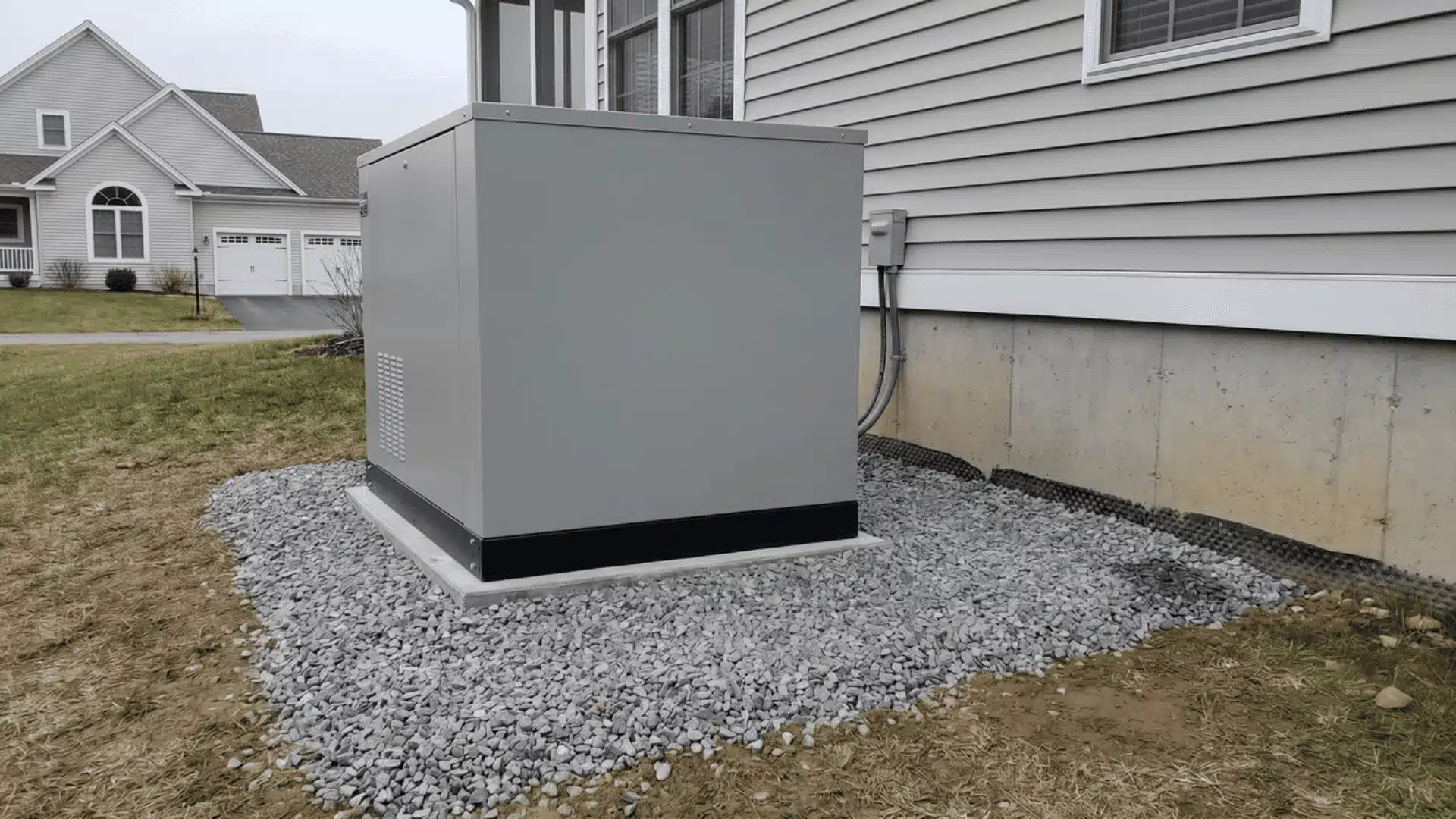
Ensure the generator is placed on a level, stable surface, either a poured concrete pad or compacted gravel base. An unstable foundation causes vibration, accelerates component wear, and shortens system lifespan significantly.
Check that drainage directs water away from the unit and that exhaust clearance meets local code requirements. Poor drainage and blocked exhaust are two of the most avoidable causes of early system failure.
Step 4: Automatic Transfer Switch Installation
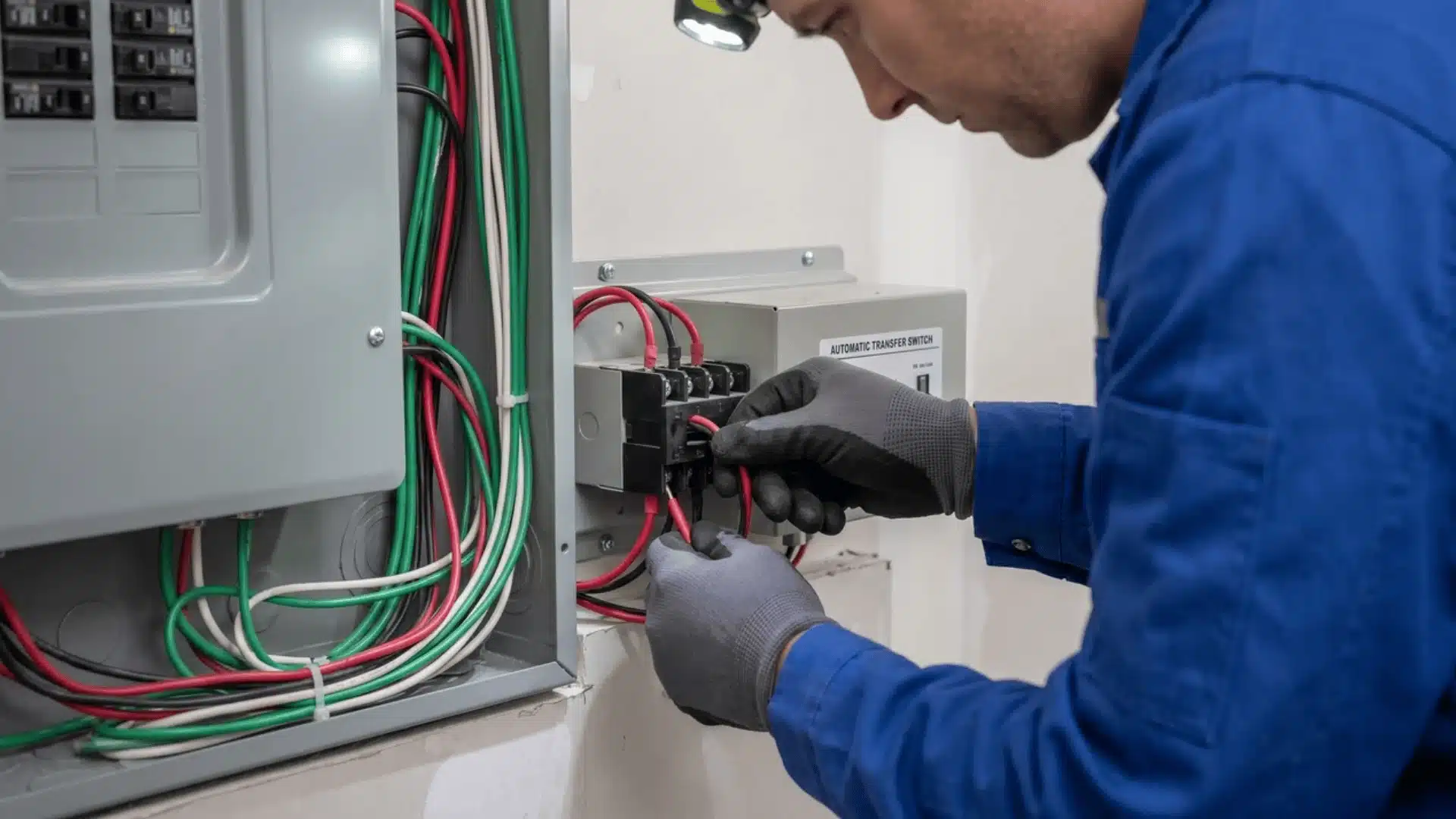
Confirm your installer is wiring the ATS directly to your main panel with properly rated components. Incorrect wiring creates a backfeeding risk that can injure utility workers and damage your home’s electrical system.
Verify the ATS is configured to detect outages automatically and initiate startup without manual intervention. You should never have to manage the switchover yourself during an actual power interruption.
Step 5: Fuel Line and Gas Meter Coordination
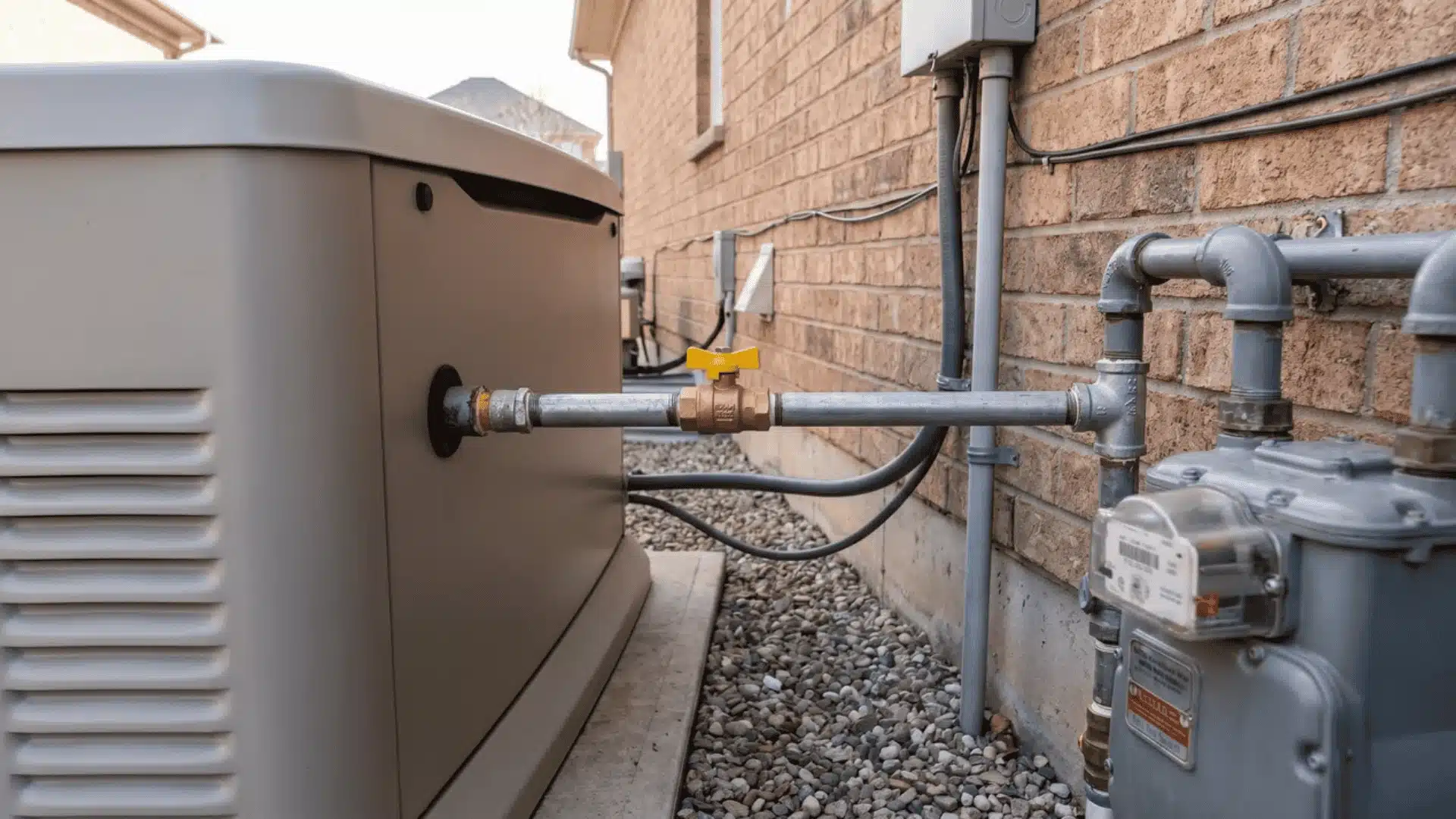
Request a dedicated fuel line sized to meet the generator’s peak operating demand, not average load. An undersized gas line restricts fuel delivery under pressure and can shut the system down mid-outage.
If you are using propane, ensure tank capacity supports sustained runtime for your area’s typical outage duration. Verify your utility meter can handle the additional draw before the fuel line is connected.
Step 6: Grounding and Electrical Integration
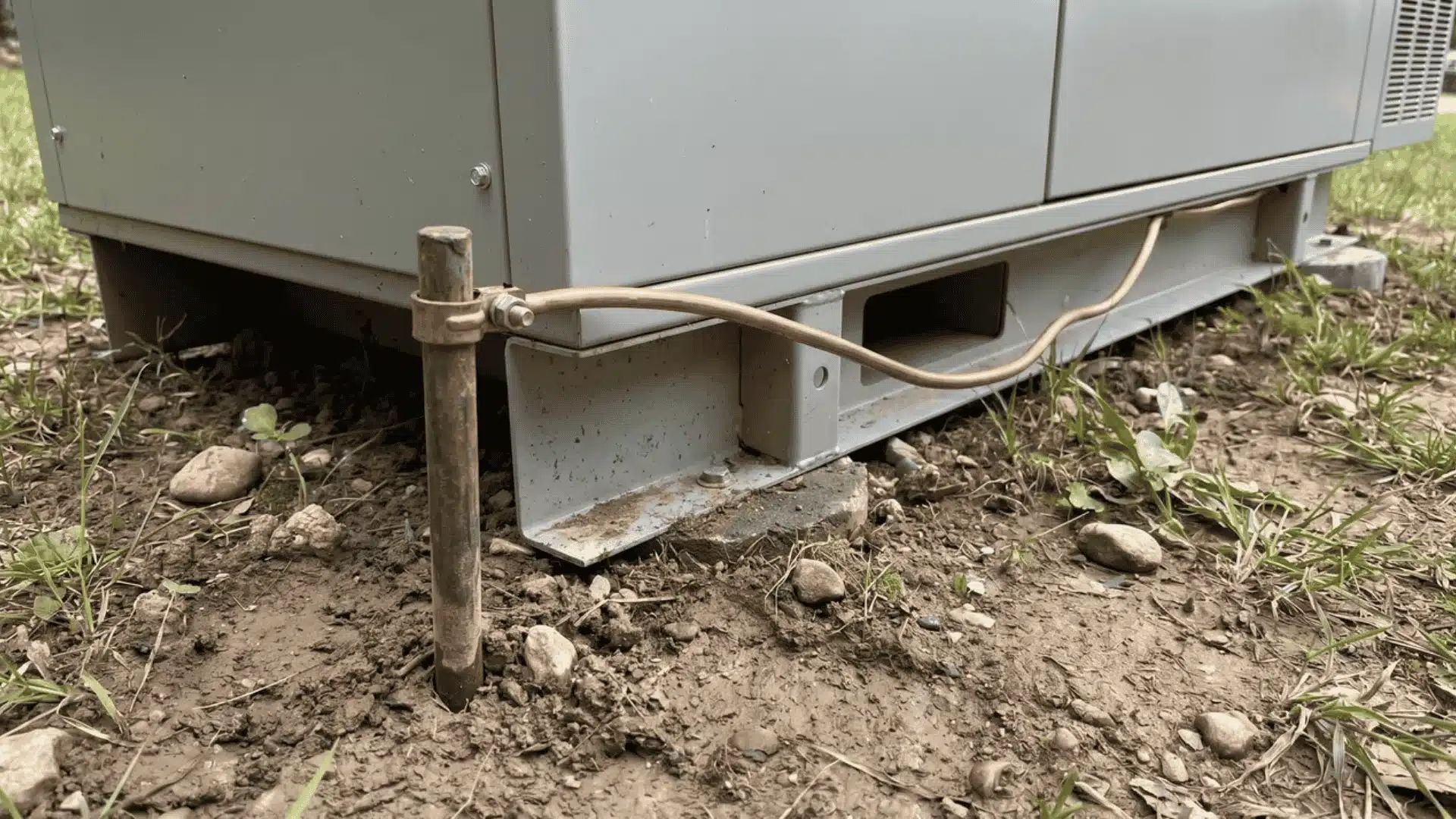
Make sure a ground rod is installed and properly bonded to both the generator and your main panel. Skipping this step leaves your system exposed to surge damage that can destroy control boards and connected appliances.
Confirm feeder conduit sizing matches your system’s output capacity and meets local electrical code requirements. Undersized conduit causes overheating, which creates a fire risk that no warranty will cover.
Step 7: Final Testing and Inspection
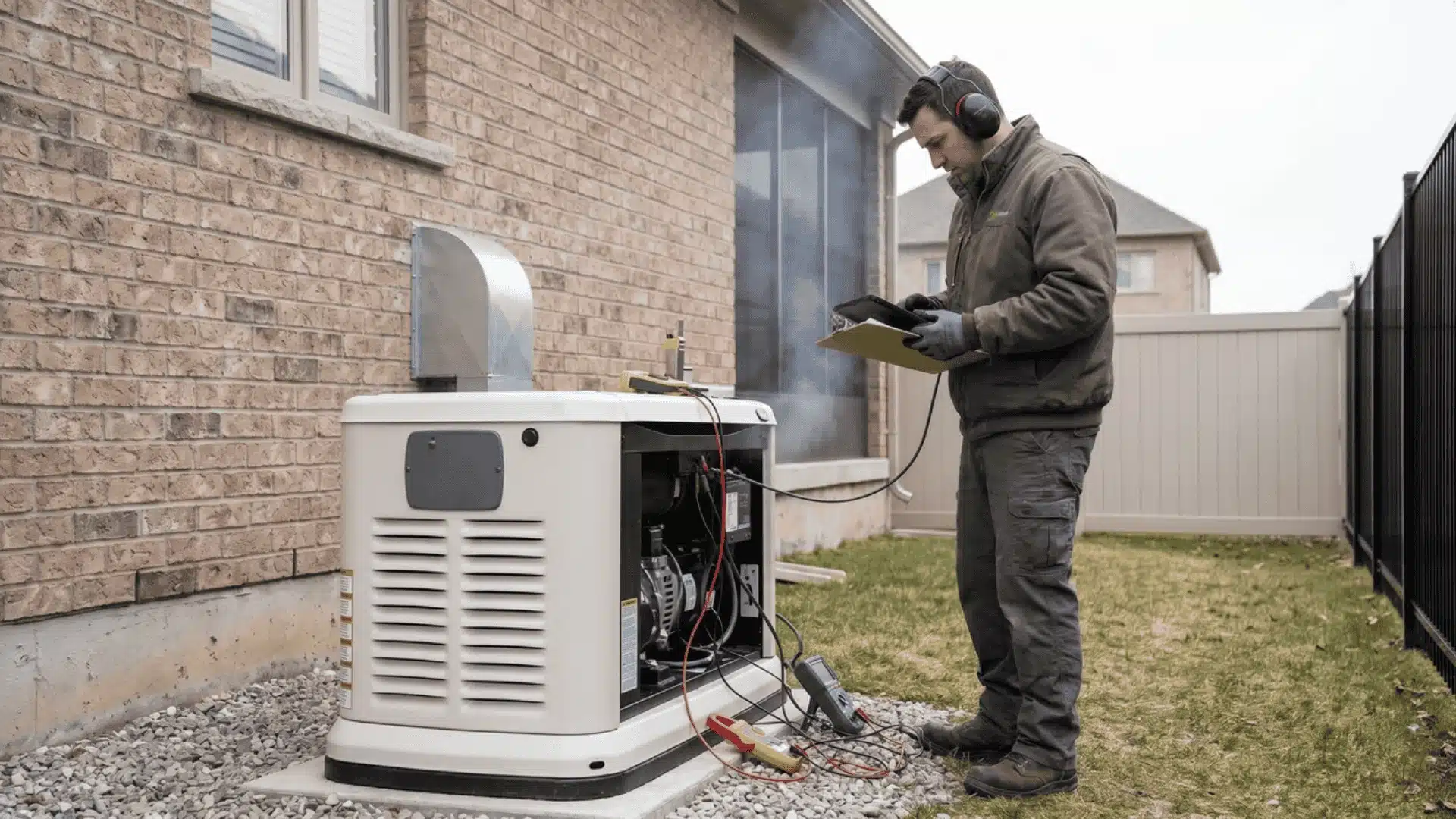
Before the inspector arrives, ask your installer to run a full simulated outage test and confirm transfer timing is within spec. Any performance issues are significantly cheaper to fix before inspection than after a failed result.
Once municipal inspection is passed, you should receive documentation confirming the system is code-compliant and cleared for operation. Keep that paperwork with your home records as it will be relevant if you ever sell the property.
Types of Companies That Install Standby Generators
Standby generator installation is offered by three types of providers. Understanding the difference helps you choose the right one for your home.
- Licensed Electrical Contractors handle panel integration, permitting, and code compliance as part of broader residential electrical services. Best for straightforward whole-home installations.
- Dedicated Generator Specialists focus exclusively on standby power systems, covering sales, installation, inspection, and servicing. Best when you want depth of generator-specific expertise.
- Hybrid Home Service Companies combine HVAC, plumbing, and electrical under one roof, allowing them to manage both gas line and electrical integration internally. Best for complex installs requiring fuel and electrical coordination.
| Company | Type | Location |
|---|---|---|
| Reliable Power Systems | Licensed Electrical | Deerfield Beach & Fort Myers, FL |
| On Time Electrical | Licensed Electrical | Charlotte, NC |
| Stan’s Heating, Air, Plumbing & Electrical | Hybrid | Austin, TX |
| Canter Power | Generator Specialist | Greensboro, NC |
| Generator Connection | Generator Specialist | Barrington, NH |
| Peterson Power Systems | Generator Specialist | Salem & Redmond, OR |
| Envision Solar | Generator Specialist | Phoenix Metro, AZ |
Dedicated generator specialists deliver focused installation, servicing, and inspection support, ensuring reliable system performance and expert handling of standby power solutions.
Professional Installation Checklist Before Hiring
Before you sign anything, run through these six checks. They take ten minutes and protect you from the most common installation mistakes.
- Valid electrical license and active insurance: Ask for both documents directly. Do not assume coverage based on company size or years in business.
- Permit and inspection handling: Confirm the installer owns this process end to end. You should not be chasing the permit office yourself.
- Gas meter and fuel supply evaluation: This gets skipped more often than it should. An undersized meter will restrict fuel delivery under load.
- Full ATS and panel integration scope: Get this in writing. Vague scope language is where post-install disputes begin.
- Warranty registration included: Confirm it is part of the installation package, not something you have to initiate separately afterward.
- Verified reviews and service history: Look for patterns across multiple platforms, not just the testimonials on their own website.
The right installer will answer every one of these questions without hesitation. Reluctance to engage with any of them is a signal worth paying attention to before you commit.
How Long Does Standby Generator Installation Take
Most homeowners underestimate the timeline because the physical install is only one day. The full process is longer.
| Phase | Typical Duration |
|---|---|
| Quote and Site Evaluation: | 1 to 2 weeks |
| Permit Approval: | A few days to several weeks |
| Physical Installation: | One day |
| Inspection and Final Approval: | Varies by municipality |
Plan for the permit phase to be the longest and least predictable part of the process. Equipment supply delays and utility coordination can extend the overall timeline, so build buffer into your planning from the start.
Conclusion
Professional standby generator installation ensures your home receives safe, automatic backup power when utility service fails.
From site evaluation to final inspection, every step plays a critical role in long-term performance.
You now understand how installation works, which companies provide these services, and what risks to avoid. This knowledge helps you choose the right provider and protect your investment.
If you’re planning a standby generator installation, start by verifying credentials and scheduling a professional evaluation. Taking action today ensures reliable power when you need it most.
Frequently Asked Questions
Can a standby generator increase home resale value?
Yes, professionally installed standby generators can increase resale appeal, especially in outage-prone areas, as buyers value reliability and uninterrupted power during emergencies.
How often should a standby generator be professionally serviced?
Most manufacturers recommend servicing at least once per year or after a set number of operating hours to ensure optimal performance and reliability.
Do standby generators require special zoning approval?
Some municipalities require zoning approval in addition to electrical permits, particularly regarding placement setbacks and neighborhood noise regulations.
Can a standby generator power electric vehicle chargers?
Yes, but load calculations must account for the charger’s startup and running watt demand to prevent overloading the system during operation.