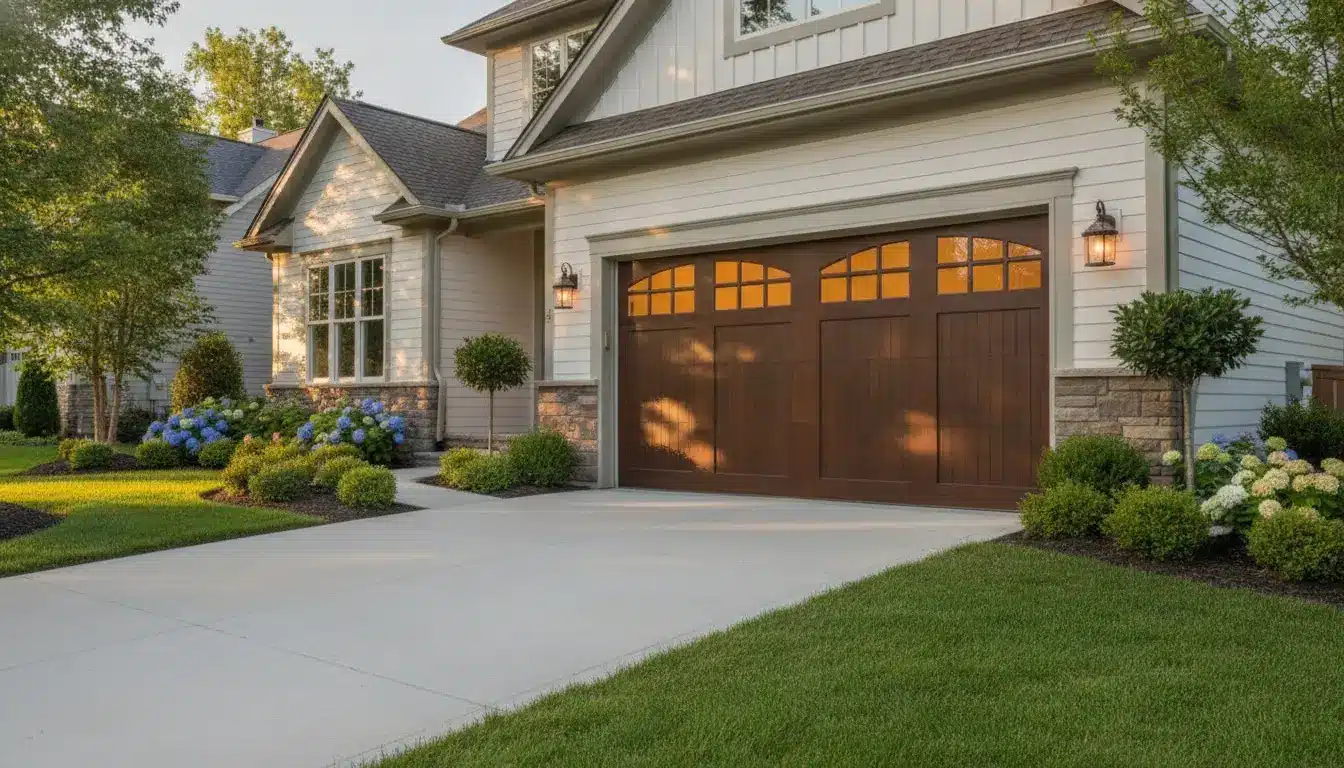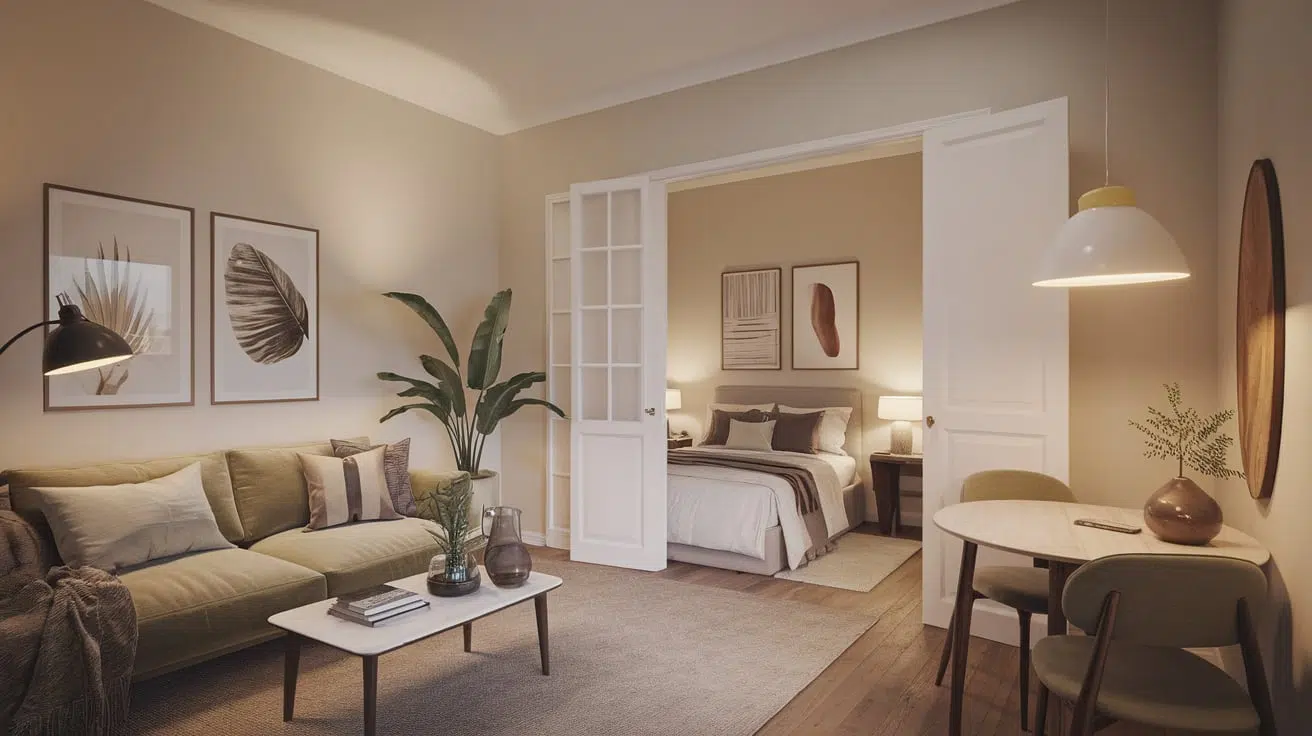
Window treatments influence what buyers offer because they shape light, privacy, and perceived upkeep before anyone reads the listing sheet. Well-fitted coverings signal a maintained property, while dated or damaged ones invite price negotiation. The return is rarely dollar-for-dollar, yet the effect on photography, speed of sale, and buyer confidence is measurable and worth planning for before the first showing.
Introduction
Few details inside a property work as quietly as the material framing each window. Buyers register light quality and privacy within seconds of stepping into a room, which is why thoughtful window coverings belong in any pre-sale plan. Among the home upgrades a seller might consider, shading sits in a useful middle ground, more affordable than a kitchen renovation yet more visible than insulation.
Fit matters as much as style, since gaps and uneven hems read as careless; custom size blinds scaled to each opening present as built for the home. A polished window reads as a polished home.
The Connection Between Window Treatments and Buyer Perception
The link between shading and sale price is psychological before it is financial. A buyer walking through a bright, well-dressed room forms an emotional read on the space, and that read colours every number discussed afterward. Bare windows can feel unfinished, while heavy or sun-damaged fabric can date a room by a decade.
Why Appraisers and Agents Take Notice
Professionals evaluating a property look for signals of deferred maintenance. Sagging hardware, mismatched panels, and yellowed materials suggest neglect, even when the structure behind them is sound. Clean, properly mounted window coverings remove that doubt and let the room present at its best.
Light control also affects how spacious a room appears. Tall windows dressed to draw the eye upward make ceilings feel higher, and even modest rooms gain presence when daylight is managed deliberately.
What Buyers Respond To
In practice, buyers reward a few consistent qualities:
- Uniformity of style across visible windows from the street
- Functional hardware that opens and closes smoothly during a showing
- Light filtering that flatters wall colour and flooring
- Privacy in bedrooms and bathrooms without a sense of confinement
A property that delivers these reassurances tends to hold its asking price more firmly through negotiation.
Pro Tip: Dress the windows visible from the curb and the entry first. These sightlines anchor a buyer’s opinion before they reach the rooms where you have spent the most.
Choosing Window Coverings That Protect Your Investment

Material choice determines both the upfront cost and the impression left on a buyer. The goal is a neutral, durable finish that suits the largest possible pool of tastes rather than a bold statement that narrows it.
Matching Material to Room and Climate
Different rooms ask for different solutions. Kitchens and bathrooms favour moisture-tolerant materials, while living areas reward softer textures that warm the acoustics. Energy performance also matters, since treatments with insulating properties support year-round comfort and lower running costs.
The table below compares common options on the factors buyers and stagers weigh most.
| Treatment Type | Relative Cost | Durability | Buyer Appeal | Best Application |
|---|---|---|---|---|
| Faux wood blinds | Low to mid | High | Broad and neutral | Kitchens, bathrooms, high-moisture rooms |
| Roller shades | Low | Mid to high | Clean and modern | Living rooms, home offices |
| Cellular shades | Mid | High | Strong on efficiency | Bedrooms, climate-sensitive spaces |
| Layered drapery | Mid to high | Varies | Warm and finished | Formal living and dining areas |
Fit and Finish Carry the Most Weight
Poorly sized panels undermine even premium fabric. Treatments scaled correctly to the opening, including made-to-measure options for irregular or oversized windows, present as deliberate. That precision marks the difference between a finished room and an improvised one, and it is a detail buyers notice without being able to name.
Neutral tones in greys, warm whites, and soft naturals photograph well and broaden appeal, which matters as much for the listing gallery as for the in-person walkthrough.
Staging and Design Strategies That Maximize Return
Shading rarely works in isolation. Its impact multiplies as part of a broader plan that guides the eye and makes each room feel considered. This is where presentation discipline turns a modest spend into a visible advantage.
Coordinating Treatments With the Whole Room
Effective real estate staging treats windows as part of a composition rather than a separate task. Coverings should echo the palette of the furniture and walls so the eye moves smoothly across the space. When the elements agree, the room feels larger and more considered, and buyers linger longer.
Thoughtful interior design choices reinforce this effect. Pairing simple shades with a single statement element, such as a textured rug or a well-placed mirror, lets light and form do the persuading without clutter.
A Practical Sequence for Sellers
A reliable order of operations keeps the work efficient:
- Audit every window for damage, fit, and dated materials
- Standardize the style across street-facing and main-floor rooms
- Repair or replace any hardware that sticks or sags
- Stage with light, neutral layers that photograph cleanly
- Review the listing photos to confirm the windows read well
The result is a property that feels coherent from the first photograph to the final walkthrough. By contrast, a home with mismatched or tired coverings forces buyers to mentally tally the work ahead, and that tally almost always comes out of the offer.
Final Takeaways for Sellers Weighing the Spend
Window treatments rarely return their cost line for line, yet their influence on perception, photography, and negotiation is real and consistent. Fitted, neutral, well-maintained coverings signal a cared-for home and help a property compete on both speed and price. Treated as one coordinated layer within a wider presentation plan, the right shading remains a dependable contributor to home resale value.