Large facilities rarely start looking worn out all at once. The decline usually happens gradually through small maintenance issues people stop noticing day by day. Floors lose shine unevenly, scuff marks begin lingering longer, dirt settles into corners, and high-traffic pathways slowly darken until entire buildings start feeling older than they actually are.
What makes flooring especially important is that people notice it emotionally before they consciously focus on it. Clean, well-maintained floors make spaces feel organized, professional, and easier to move through. Neglected flooring creates the opposite effect almost immediately. Offices feel more stressful, schools feel more chaotic, and commercial buildings start appearing poorly managed even when the rest of the facility remains functional.
The problem is that many facilities unintentionally damage their floors faster through inconsistent or outdated maintenance routines rather than extreme physical wear alone.
Dirt Left Too Long Causes Permanent Damage
One of the biggest mistakes facilities make is allowing debris and grime to remain on floors longer than they should. Dirt itself becomes abrasive under constant foot traffic. Tiny particles grind into surfaces throughout the day, gradually dulling finishes and weakening protective coatings over time.
This becomes especially noticeable in buildings with heavy movement such as schools, warehouses, hospitals, retail spaces, and industrial environments where floors experience nonstop friction daily. Once protective finishes wear down unevenly, surfaces begin trapping additional dirt faster, accelerating the entire deterioration process.
The issue is not only visual. Damaged flooring also becomes harder to clean properly because roughened surfaces hold grime more aggressively after finishes weaken.
Consistent cleaning matters because prevention is significantly easier than restoration once surfaces start breaking down structurally.
Using the Wrong Equipment Creates Uneven Wear
Another major problem is improper equipment selection. Facilities sometimes use cleaning systems or floor treatments mismatched to the actual flooring material or traffic conditions inside the building.
Machines that are too aggressive can damage finishes prematurely, while underpowered equipment leaves residue and buildup behind repeatedly. Over time, inconsistent cleaning patterns create uneven wear throughout the facility that makes floors appear patchy and neglected.
This is especially important in larger commercial environments where maintenance efficiency affects thousands of square feet daily. Industrial-grade cleaning systems associated with hotsysouthtexas.com are designed around handling demanding maintenance environments where durability, heavy residue removal, and continuous operational cleaning matter significantly more than cosmetic surface treatment alone.
Strong maintenance systems protect flooring long term by reducing buildup before deterioration accelerates.
Buffing and Burnishing Get Confused Constantly
One surprisingly common issue in facility maintenance is misunderstanding the difference between buffing and burnishing floors. Many buildings apply the wrong process entirely depending on floor condition, traffic levels, and finish type.
This confusion leads to inconsistent shine, premature finish wear, and unnecessary maintenance repetition. Understanding whether surfaces actually need deeper restoration or lighter maintenance polishing affects both appearance and long-term durability.
Resources such asSweepScrub explain the operational differences between floor burnishers and buffers because each serves very different maintenance purposes depending on floor condition and facility usage.
Using the wrong process repeatedly may create short-term cosmetic improvement while accelerating long-term surface breakdown underneath.
Entryways Usually Receive Too Little Attention

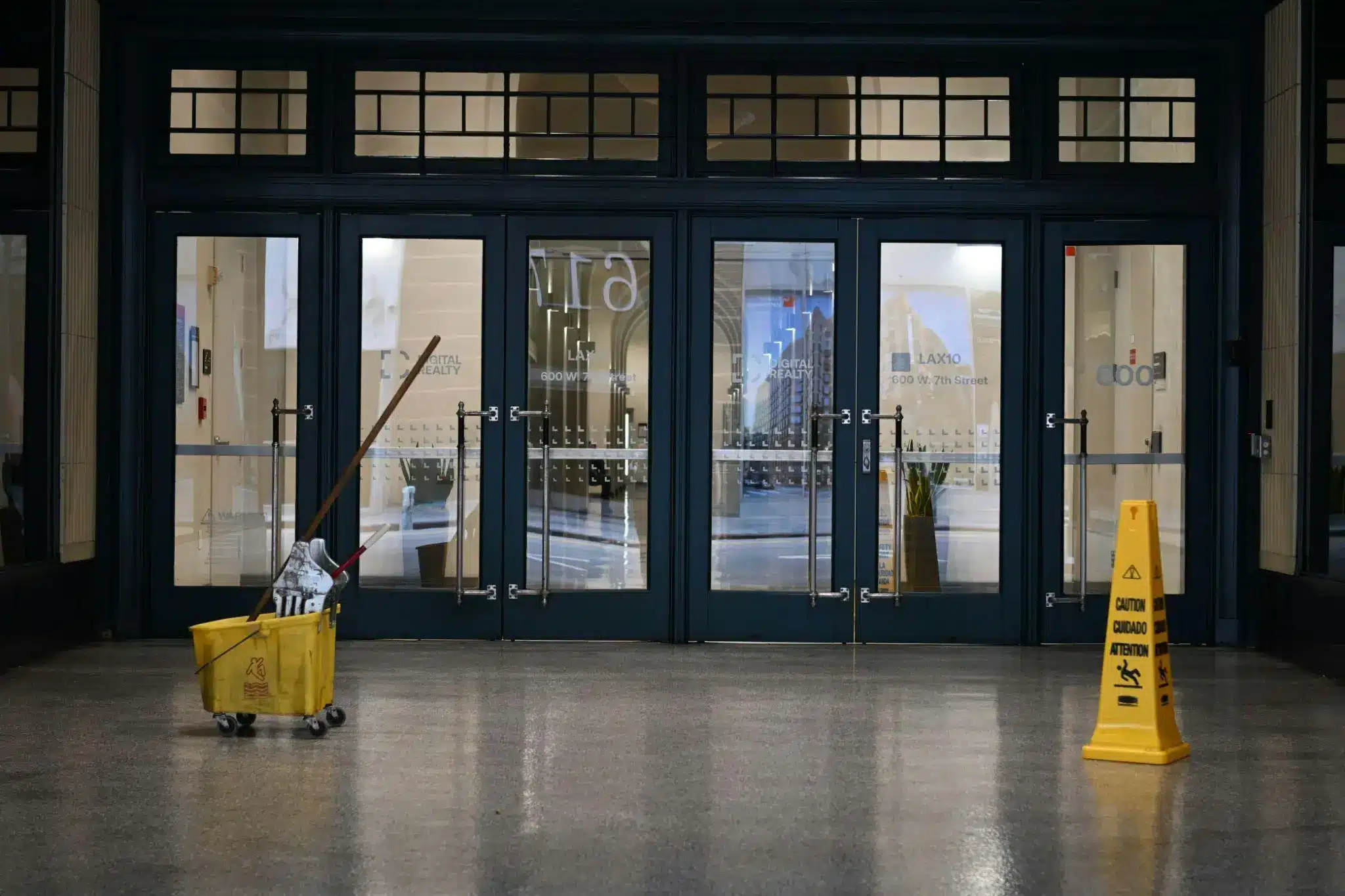
Photo by Aalo Lens on Unsplash
One reason floors deteriorate faster than expected is that entryways receive constant abuse without enough preventative maintenance support. Moisture, dirt, gravel, salt, oil residue, and outdoor debris all enter facilities primarily through high-traffic entrances.
Without proper matting systems and consistent debris removal, those particles spread throughout the building continuously. The flooring itself then absorbs the damage through constant grinding friction created by foot traffic.
Facilities that stay visually cleaner longer usually focus heavily on stopping dirt before it spreads deeper into the building. Entry maintenance matters far more than many managers initially realize because most floor wear originates near transitions between outdoor and indoor spaces.
Preventative maintenance almost always costs less than large-scale floor restoration later.
Inconsistent Maintenance Creates Visual Fatigue
Another issue is inconsistency. Floors do not necessarily need to look perfect constantly, but visible unevenness creates strong emotional reactions quickly. Some hallways appear polished while others look dull. Certain corners stay dirty repeatedly. Traffic lanes become visibly darker than surrounding areas.
This uneven appearance creates visual fatigue throughout the building because the environment starts feeling poorly managed overall. People respond emotionally to maintenance consistency even if they cannot immediately explain why a facility feels more stressful or worn down.
The cleanest facilities usually feel calmer partly because maintenance standards remain visually consistent across the entire environment rather than fluctuating dramatically between spaces.
That consistency affects how professional, organized, and comfortable the building feels daily.
Delayed Maintenance Usually Costs More Later
One major mistake facility operators make is postponing maintenance until flooring visibly deteriorates. Once finishes wear through completely, restoration becomes significantly more expensive and disruptive than regular preventative care.
Small problems compound quickly under heavy traffic conditions. Minor scratches deepen. Residue hardens. Surface coatings weaken further. Eventually, full refinishing or replacement becomes necessary far earlier than expected.
The strongest maintenance programs focus on protecting floor lifespan rather than constantly reacting to visible damage afterward. That mindset creates longer-lasting surfaces, lower long-term costs, and buildings that continue feeling cleaner emotionally year after year.
Well-Maintained Floors Quietly Shape the Entire Building
People rarely walk into a facility and consciously compliment the flooring directly. What they notice instead is how the building feels overall. Clean floors make spaces feel brighter, calmer, and more organized without demanding attention.
Neglected floors create the opposite atmosphere surprisingly quickly. Even modern buildings start feeling tired once flooring loses consistency and cleanliness.
The facilities that age best visually are usually not the ones performing dramatic restoration occasionally. They are the buildings maintaining strong preventative systems consistently before damage becomes emotionally visible to everyone walking through the space every day.